


See more of our articles in your search results.
White matter is the brain tissue composed of bundles of myelinated axons (nerve fibers) that connect different areas of gray matter and transmit signals throughout the central nervous system, appearing white due to the fatty myelin sheaths that insulate the axons and enable rapid electrical signal transmission. Located in the deeper tissues beneath the cerebral cortex and forming the outer portion of the spinal cord, white matter comprises approximately half of the total brain volume and consists of three main fiber types: association fibers connecting regions within the same hemisphere, commissural fibers connecting corresponding regions between hemispheres, and projection fibers linking the cerebral cortex with deeper structures and spinal cord. Its primary functions include facilitating communication between brain regions, coordinating complex cognitive processes, enabling learning and skill acquisition, regulating the speed of information processing, and supporting executive functions like planning and decision-making. White matter lesions—areas of damage visible on brain imaging—can result from vascular disease, multiple sclerosis, traumatic brain injury, infections, or normal aging, manifesting as symptoms ranging from cognitive impairment and memory problems to balance difficulties, motor weakness, and emotional changes depending on lesion location and extent. Unlike gray matter which contains neuronal cell bodies and peaks in development during the twenties, white matter continues developing and doesn’t peak until middle age, making it particularly vulnerable to age-related changes and various pathological processes that disrupt the myelin integrity essential for efficient neural communication.
The distinction between white and gray matter represents one of the most fundamental organizational principles of the nervous system. While gray matter houses the computational centers where information processing occurs through neuronal cell bodies, dendrites, and synapses, white matter functions as the communication infrastructure connecting these processing centers into functional networks. This anatomical separation allows for efficient brain organization—the gray matter cortex forms a thin outer layer where complex processing happens, while white matter occupies the deeper brain regions, bundling millions of axons into organized tracts that transmit information between cortical regions, subcortical structures, and the spinal cord. The myelin coating these axons is produced by specialized glial cells called oligodendrocytes, which wrap their cell membranes around axons in up to 150 concentric layers, creating the lipid-rich insulation that both protects axons and dramatically increases signal transmission speed through a process called saltatory conduction where electrical impulses jump between gaps in the myelin rather than traveling continuously along the axon.
Understanding white matter’s structure and function has profound clinical implications because damage to these communication pathways can produce devastating consequences even when gray matter remains intact. A person can have perfectly functional neurons in their cortex, but if the white matter connections between those neurons are damaged, information cannot flow properly between brain regions, resulting in cognitive deficits, movement problems, sensory disturbances, or behavioral changes. White matter diseases and lesions affect millions of people worldwide, ranging from the relatively common age-related white matter changes seen in older adults to severe demyelinating diseases like multiple sclerosis that strike younger individuals. The vulnerability of white matter to various insults—reduced blood flow, inflammation, trauma, toxic exposure, genetic disorders—makes it a critical focus in neurology, particularly as neuroimaging techniques like MRI have made white matter lesions increasingly visible and measurable, allowing earlier detection and monitoring of conditions that affect these crucial neural pathways.
The clinical significance of white matter extends beyond disease states to normal development and aging. White matter continues maturing well into adulthood, with myelination of certain brain regions not completing until the mid-twenties or even early thirties. This protracted development explains why cognitive abilities like impulse control, planning, and complex decision-making continue improving through young adulthood—the white matter connections supporting these functions are still being optimized. Conversely, white matter shows particular vulnerability to aging, with many older adults developing white matter hyperintensities (bright spots on MRI) even without diagnosed neurological disease. These age-related changes contribute to the cognitive slowing, balance difficulties, and executive function changes commonly seen in healthy aging, distinguishing them from the more severe deficits seen in pathological white matter diseases. Understanding what’s happening in white matter—how it develops, what it does, what damages it, and how such damage manifests clinically—provides essential knowledge for comprehending brain function in health and disease.
Anatomical Structure and Composition
White matter’s distinctive appearance and functional capabilities arise from its unique cellular composition and structural organization. Unlike gray matter dominated by neuronal cell bodies, white matter consists primarily of axons, myelin-producing cells, and supporting glial cells arranged into organized bundles that form the brain’s communication highways.
How many of these have you been "meaning to read" for months?


The fundamental structural unit of white matter is the myelinated axon—the elongated projection extending from a neuron’s cell body that transmits electrical signals to other neurons, sometimes across considerable distances within the brain. In white matter, these axons are ensheathed in myelin, a specialized membrane structure that transforms slow, continuous signal conduction into rapid, efficient transmission. The myelin sheath consists of approximately 70% lipids and 30% proteins, with the high lipid content giving white matter its characteristic pale appearance in preserved specimens and pinkish-white color in living tissue due to blood vessel presence. This fatty composition is not merely structural—the lipid-rich myelin functions as electrical insulation, preventing signal loss and allowing the electrical impulse to jump rapidly between gaps in the myelin called nodes of Ranvier, increasing conduction velocity by up to 100-fold compared to unmyelinated axons.
Oligodendrocytes, the specialized glial cells responsible for producing myelin in the central nervous system, represent another critical white matter component. Each oligodendrocyte extends multiple processes that wrap around segments of different axons, with a single oligodendrocyte myelinating up to 50 separate axon segments. This efficient arrangement allows relatively few oligodendrocytes to myelinate the millions of axons comprising white matter. The oligodendrocyte cell body resides within white matter among the axons it myelinates, along with oligodendrocyte progenitor cells that can differentiate into mature oligodendrocytes throughout life, providing some capacity for myelin repair and continued white matter plasticity even in adulthood. However, this repair capacity is limited, which explains why extensive white matter damage often produces permanent deficits.
White matter also contains other glial cell types that support and maintain the tissue’s health and function. Astrocytes, star-shaped cells with numerous processes, regulate the extracellular environment around axons, maintain the blood-brain barrier, provide metabolic support to neurons, and respond to injury with reactive changes that can both protect tissue and contribute to scarring. Microglia, the brain’s resident immune cells, survey white matter for pathogens, cellular debris, and signs of damage, becoming activated in response to injury or disease to clear damaged myelin and initiate repair processes. This cellular diversity means white matter is not simply passive wiring but rather a dynamic, metabolically active tissue requiring continuous energy supply, immune surveillance, and maintenance to function properly.
The organization of axons within white matter follows specific patterns creating distinct tracts and fasciculi. Axons serving similar functions or connecting related brain regions bundle together into recognizable pathways that neuroscientists and physicians can identify on imaging and during surgery. These organized tracts include major pathways like the corpus callosum connecting left and right hemispheres, the internal capsule carrying motor and sensory information between cortex and subcortical structures, the optic radiations transmitting visual information from thalamus to visual cortex, and the arcuate fasciculus connecting language regions in frontal and temporal lobes. This structural organization allows targeted lesions to produce predictable deficits—damage to specific white matter tracts causes loss of the particular functions those tracts support, a principle that helps neurologists localize damage based on symptoms.
The anatomical distribution of white matter varies throughout the central nervous system. In the cerebrum, white matter occupies the deep regions beneath the gray matter cortex, forming the centrum semiovale and corona radiata where projection fibers converge and diverge. The corpus callosum, the brain’s largest white matter structure, forms a thick band of commissural fibers crossing between hemispheres. In the cerebellum, white matter forms a distinctive tree-like branching pattern called the arbor vitae (Latin for “tree of life”) visible on brain sections. In the spinal cord, the arrangement reverses—white matter forms the outer portion surrounding a central butterfly-shaped core of gray matter, with the white matter organized into columns (dorsal, lateral, and ventral) containing specific ascending and descending tracts. This distribution pattern reflects functional principles: in the brain where processing regions are distributed across the cortical surface, white matter lies deep to connect these distant regions; in the spinal cord where function is more segmental, gray matter forms local circuits while white matter carries information up and down the cord.
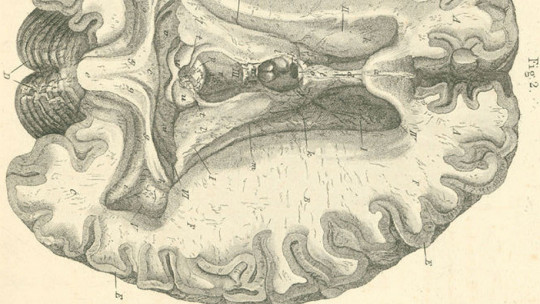
Types of White Matter Fibers
White matter axons are categorized into three functional classes based on what they connect, creating distinct fiber systems that support different aspects of brain function. Understanding these fiber types helps explain how white matter damage produces specific symptom patterns depending on which system is affected.
Association fibers connect different regions within the same cerebral hemisphere, allowing coordination and information exchange between areas serving related functions. These fibers can be subdivided into short and long association fibers. Short association fibers, also called U-fibers or arcuate fibers, connect adjacent gyri by looping beneath the cortical surface, enabling local information exchange between nearby processing regions. Long association fibers connect more distant regions within a hemisphere through major fasciculi including:
- Superior longitudinal fasciculus – connects frontal, parietal, and occipital lobes, supporting visuospatial attention, motor planning, and language functions
- Arcuate fasciculus – links frontal language production areas (Broca’s area) with temporal language comprehension areas (Wernicke’s area), essential for fluent language
- Inferior longitudinal fasciculus – connects temporal and occipital lobes, involved in visual object recognition and visual memory
- Uncinate fasciculus – connects frontal and anterior temporal lobes, involved in emotion, memory, and semantic knowledge
- Cingulum bundle – runs within the cingulate gyrus connecting frontal, parietal, and temporal regions, supporting attention, emotion regulation, and memory
Damage to association fibers produces disconnection syndromes where both connected regions remain structurally intact but cannot communicate effectively. For example, damage to the arcuate fasciculus produces conduction aphasia where patients can understand language and speak fluently but cannot repeat sentences, because the pathway connecting comprehension and production areas is severed. Similarly, damage to fibers connecting visual cortex with parietal spatial processing regions can produce deficits in visuospatial functions despite preserved vision and spatial cognition independently.
Commissural fibers cross the midline connecting corresponding regions in opposite hemispheres, enabling the left and right sides of the brain to share information and coordinate function. The corpus callosum represents by far the largest commissure, containing approximately 200-250 million axons crossing between hemispheres. The corpus callosum is subdivided into regions transmitting information between different cortical areas:
- Rostrum and genu (anterior portions) – connect prefrontal cortices, supporting executive function and emotional integration
- Body (middle portion) – connects motor, sensory, and parietal regions, coordinating movement and sensation bilaterally
- Splenium (posterior portion) – connects temporal and occipital regions, integrating auditory, visual, and memory information
Smaller commissures include the anterior commissure connecting temporal lobes and olfactory regions, and the hippocampal commissure connecting memory structures between hemispheres. Complete absence of the corpus callosum, either congenital (agenesis) or surgical (callosotomy for severe epilepsy), produces split-brain syndrome where the hemispheres cannot share information, leading to fascinating behavioral phenomena like alien hand syndrome where the hands seem to act independently, or inability to name objects presented to the left visual field (processed by the right hemisphere) because language centers in the left hemisphere cannot access the information.
Projection fibers connect the cerebral cortex bidirectionally with subcortical structures including the thalamus, basal ganglia, brainstem, and spinal cord, forming ascending pathways that bring sensory information to cortex and descending pathways that send motor commands and regulatory signals from cortex to lower centers. Major projection fiber systems include:
- Corticospinal tract – descending motor pathway from primary motor cortex through internal capsule and brainstem to spinal cord, controlling voluntary movement
- Corticobulbar tract – descending pathway to cranial nerve motor nuclei, controlling facial expression, chewing, swallowing, and speech
- Thalamocortical radiations – ascending pathways from thalamus to cortex carrying sensory, motor, and associative information
- Corticopontine fibers – descending pathways to pontine nuclei that relay to cerebellum, coordinating motor learning and timing
- Corticostriatal fibers – connections between cortex and basal ganglia, essential for movement control and habit learning
These projection fibers converge as they travel between cortex and subcortical structures, forming concentrated bundles like the internal capsule where motor and sensory pathways are tightly packed. This anatomy explains why relatively small strokes in the internal capsule can produce devastating deficits affecting the entire opposite side of the body—damage to this narrow region affects the condensed projection fibers serving the entire contralateral body. Similarly, damage to projection fibers produces characteristic motor or sensory deficits depending on which pathway is affected and at what level, allowing neurologists to localize lesions based on symptom patterns.
| Fiber Type | What They Connect | Major Examples | Functions Supported |
|---|---|---|---|
| Association Fibers | Different regions within same hemisphere | Superior longitudinal fasciculus, arcuate fasciculus, uncinate fasciculus, cingulum bundle | Language, visuospatial processing, memory, emotion regulation, attention, coordination between processing areas |
| Commissural Fibers | Corresponding regions between left and right hemispheres | Corpus callosum (rostrum, genu, body, splenium), anterior commissure, hippocampal commissure | Interhemispheric communication, bilateral motor coordination, sharing sensory information, integrating specialized hemisphere functions |
| Projection Fibers | Cerebral cortex with subcortical structures, brainstem, and spinal cord | Corticospinal tract, thalamocortical radiations, internal capsule, corona radiata, corticobulbar tract | Voluntary movement, sensation transmission, motor control, sensory processing, cortical-subcortical integration |
Functions and Importance in Neural Communication
White matter’s primary function is transmitting information between brain regions, but this seemingly simple role supports virtually every aspect of brain function from basic sensory processing to complex cognition, making white matter integrity essential for coordinated, efficient neural activity across distributed brain networks.
The most fundamental white matter function is rapid signal transmission between neurons separated by significant distances. The myelin insulation surrounding white matter axons increases signal conduction velocity dramatically through saltatory conduction—the electrical signal jumps between nodes of Ranvier rather than propagating continuously along the axon membrane. Myelinated axons conduct signals at speeds ranging from 3 to 120 meters per second depending on axon diameter and myelin thickness, compared to less than 1 meter per second for unmyelinated axons. This velocity difference means information can traverse the brain in milliseconds rather than seconds, enabling the real-time coordination between distant brain regions necessary for coherent perception, thought, and action. The timing precision provided by fast, reliable white matter transmission allows synchronized activity across brain networks, which is essential for complex functions requiring integration of information from multiple sources.
White matter plays a critical role in learning and skill acquisition through activity-dependent changes in myelin structure. Research has shown that learning new skills—whether motor skills like juggling, cognitive skills like learning to read, or perceptual skills like musical training—produces measurable changes in white matter structure visible on brain imaging. These changes reflect myelination of previously unmyelinated axons, thickening of existing myelin sheaths, and potentially changes in axon diameter within trained pathways. By optimizing transmission efficiency in frequently used pathways, white matter plasticity allows the brain to become more efficient at well-practiced skills. This explains why practice improves both speed and accuracy—the white matter connections supporting the practiced skill become increasingly efficient, allowing faster, more coordinated execution with less conscious effort.
White matter supports cognitive processing speed, the pace at which the brain processes information, makes decisions, and responds to stimuli. Individual differences in cognitive processing speed correlate with white matter integrity—people with more efficient white matter organization (measured through diffusion tensor imaging metrics) generally show faster reaction times, quicker decision-making, and more efficient information processing. This relationship becomes particularly apparent in aging and disease, where white matter deterioration produces the cognitive slowing characteristic of normal aging and the more severe processing speed deficits seen in white matter diseases. Tasks requiring coordination between multiple brain regions show especially strong dependence on white matter integrity because information must travel between regions, making transmission efficiency rate-limiting for overall task performance.
Executive functions—the high-level cognitive processes involved in planning, decision-making, cognitive flexibility, and behavioral control—depend heavily on white matter connecting prefrontal cortex with other brain regions. The prefrontal cortex doesn’t operate in isolation; it coordinates activity across diverse brain regions through extensive white matter connections. Damage to frontal white matter or the pathways connecting prefrontal cortex to posterior cortical regions, subcortical structures, or limbic areas produces dysexecutive syndrome characterized by poor planning, difficulty shifting between tasks, impaired judgment, and reduced cognitive flexibility despite intact basic cognitive abilities. The dependence of executive function on white matter integrity explains why these high-level functions show particular vulnerability to conditions affecting white matter like normal aging, cerebrovascular disease, and multiple sclerosis.
White matter facilitates sensory-motor integration, the coordination between sensory perception and motor response essential for skilled, goal-directed movement. When you reach to grab an object, your brain must integrate visual information about the object’s location with proprioceptive information about your arm’s position and send appropriately coordinated motor commands to muscles—all in real-time as the movement unfolds. This integration requires rapid, bidirectional communication between visual cortex, parietal spatial processing regions, premotor planning areas, primary motor cortex, and sensory feedback systems, mediated through multiple white matter pathways. Damage to these pathways can dissociate sensory and motor processes that should be integrated, producing phenomena like optic ataxia where visual guidance of reaching movements fails despite intact vision and motor ability independently.
White matter enables the distributed processing networks that characterize human cognition. Rather than functions being localized to single brain regions, most complex abilities emerge from coordinated activity across multiple regions forming functional networks. Language involves networks spanning frontal, temporal, and parietal regions; memory involves networks connecting hippocampus, prefrontal cortex, and sensory association areas; attention involves networks linking prefrontal, parietal, and thalamic regions. White matter provides the anatomical substrate allowing these distributed regions to function as integrated networks. Network-based theories of brain function emphasize that cognitive abilities depend not just on the gray matter nodes performing processing, but equally on the white matter edges connecting nodes into functional networks. This perspective explains why damage to white matter can produce cognitive deficits as severe as cortical damage—disrupting network connectivity impairs function even when the processing nodes remain structurally intact.

White Matter Lesions: Causes and Types
White matter lesions are areas of damaged or abnormal white matter visible on brain imaging, particularly magnetic resonance imaging (MRI), where they typically appear as bright spots or regions on certain imaging sequences. These lesions can result from numerous causes ranging from vascular disease to immune-mediated inflammation to traumatic injury, each producing characteristic patterns of damage with distinct clinical implications.
Vascular white matter lesions, also called white matter hyperintensities or leukoaraiosis, represent the most common type and increase dramatically with age. They result from chronic small vessel disease where the tiny arteries supplying white matter become damaged, reducing blood flow and causing chronic ischemia (reduced oxygen supply) to white matter tissue. Risk factors include hypertension, diabetes, smoking, and atherosclerosis—essentially the same factors causing heart disease and stroke. The white matter is particularly vulnerable to chronic ischemia because it has relatively sparse blood supply compared to gray matter and high metabolic demands for maintaining myelin and axonal function. Chronic ischemia damages oligodendrocytes, causes myelin breakdown, and eventually leads to tissue loss, producing the bright spots visible on brain imaging. While some white matter hyperintensities occur in healthy older adults and may be clinically insignificant, extensive burden correlates with cognitive impairment, particularly affecting processing speed, executive function, and gait.
Demyelinating disease lesions result from immune-mediated destruction of myelin, most commonly in multiple sclerosis but also in related conditions like neuromyelitis optica and acute disseminated encephalomyelitis. In multiple sclerosis, the immune system mistakenly attacks myelin and oligodendrocytes, creating focal areas of inflammation and demyelination called plaques or lesions. These lesions have predilection for periventricular white matter (around the brain’s fluid-filled ventricles), optic nerves, brainstem, and spinal cord. MS lesions evolve over time—acute lesions show active inflammation and myelin breakdown, subacute lesions show ongoing repair attempts with partial remyelination, and chronic lesions show permanent myelin loss and axonal damage with glial scarring. The relapsing-remitting pattern characteristic of MS reflects episodes of new lesion formation producing neurological symptoms, followed by partial recovery as inflammation resolves and some remyelination occurs, though accumulated damage from repeated episodes eventually produces permanent disability.
Traumatic brain injury produces a specific type of white matter damage called diffuse axonal injury, particularly in acceleration-deceleration injuries like motor vehicle accidents. The rapid rotation and deceleration forces stretch and shear axons, disrupting their structural integrity and causing axonal swelling, disconnection, and degeneration. This damage is “diffuse” because it affects white matter throughout the brain rather than producing a focal lesion, though certain regions like corpus callosum, corona radiata, and brainstem show particular vulnerability. Diffuse axonal injury often produces profound cognitive and behavioral impairments disproportionate to focal brain damage visible on standard imaging, because the widespread disruption of white matter connectivity impairs network function across the brain. Advanced imaging techniques like diffusion tensor imaging can visualize this white matter damage invisible on conventional imaging, showing disrupted fiber organization and reduced structural integrity in white matter tracts.
Infectious and inflammatory lesions can affect white matter through direct pathogen invasion or immune-mediated inflammation. Progressive multifocal leukoencephalopathy (PML) results from JC virus infection of oligodendrocytes in immunocompromised patients, causing progressive white matter destruction. HIV can cause white matter changes both directly through viral effects and indirectly through immune dysfunction. Lyme disease can produce white matter lesions resembling MS. Autoimmune conditions like lupus and Sjögren’s syndrome sometimes produce white matter inflammation. Vasculitis affecting small brain vessels can cause ischemic white matter damage. These diverse conditions share the common feature of white matter inflammation producing symptoms that depend on lesion location—periventricular lesions might affect processing speed and attention, corpus callosum lesions might impair interhemispheric communication, and brainstem lesions might produce cranial nerve deficits, coordination problems, or altered consciousness.
Metabolic and toxic white matter lesions result from disorders affecting myelin production, maintenance, or metabolism. Vitamin B12 deficiency causes subacute combined degeneration affecting spinal cord white matter and sometimes brain white matter, producing sensory and motor problems. Central pontine myelinolysis occurs when sodium levels are corrected too rapidly after severe hyponatremia, causing white matter damage in the pons and sometimes elsewhere. Toxic leukoencephalopathy can result from chemotherapy, radiation therapy, carbon monoxide poisoning, or chronic drug abuse (particularly cocaine, heroin, or inhalants). Leukodystrophies represent genetic disorders affecting myelin formation or maintenance, usually presenting in childhood but sometimes with adult onset. These diverse causes share the common mechanism of disrupting the metabolic processes necessary for maintaining myelin integrity, producing white matter damage that can be diffuse or patterned depending on the specific metabolic process affected.
Age-related white matter changes occur in many older adults without diagnosed neurological disease, representing an intermediate state between normal aging and pathological disease. While some white matter hyperintensities may be incidental findings of unclear significance, increasing burden correlates with subtle cognitive changes affecting processing speed, executive function, and gait even in otherwise healthy older adults. These changes likely reflect cumulative effects of vascular risk factors, blood-brain barrier dysfunction, chronic inflammation, and reduced repair capacity with age. The clinical challenge is distinguishing benign age-related changes from early vascular dementia or other pathological processes—this requires integrating imaging findings with clinical symptoms, cognitive testing, and longitudinal monitoring to determine if changes are stable or progressive.
Clinical Manifestations of White Matter Damage
The symptoms produced by white matter lesions vary dramatically depending on lesion location, extent, and acuity, ranging from completely asymptomatic to profoundly disabling. Understanding these symptom patterns helps clinicians localize damage and helps patients understand why white matter disease produces the specific problems they experience.
Cognitive impairments represent the most common manifestation of white matter disease, particularly affecting processing speed, executive function, attention, and working memory. Unlike cortical dementias like Alzheimer’s disease that prominently affect memory encoding and retrieval, white matter disease produces a “subcortical” cognitive profile characterized by slowed thinking, difficulty with complex tasks requiring coordination of multiple cognitive processes, reduced mental flexibility, and impaired sustained attention. Patients often describe “mental fog” or feeling like their brain is “slow” even though they eventually arrive at correct answers given enough time. Executive function deficits manifest as difficulty planning complex activities, reduced ability to organize information, impaired multitasking, and poor judgment. These cognitive changes reflect disrupted connectivity between prefrontal cortex and other brain regions rather than damage to cortical processing centers themselves, producing a distinct pattern recognizable to experienced clinicians.
Motor symptoms commonly accompany white matter disease, particularly affecting gait, balance, and coordination. White matter gait disorder, characteristic of extensive periventricular white matter disease, produces slow, shuffling gait with short steps, widened base, difficulty turning, and postural instability leading to falls. Patients may also experience weakness, clumsiness, or poor coordination affecting fine motor control and skilled movements. These motor problems reflect damage to white matter pathways connecting motor cortex with basal ganglia, cerebellum, and spinal cord, disrupting the distributed motor control networks necessary for smooth, coordinated movement. Severe white matter disease can produce a syndrome called “vascular parkinsonism” resembling Parkinson’s disease with slowness, stiffness, and balance problems, though typically affecting lower body more than upper body and showing less tremor than typical Parkinson’s disease.
Emotional and behavioral changes frequently occur with white matter disease affecting frontal-subcortical circuits. Depression occurs in up to 40-50% of patients with significant white matter disease, likely reflecting both direct neurological effects on mood-regulating circuits and psychological reactions to functional decline. Apathy—loss of motivation and reduced emotional responsiveness—is particularly common with frontal white matter damage, sometimes more troubling to families than to patients themselves who may lack insight into their reduced initiative and engagement. Emotional lability (pseudobulbar affect) with inappropriate laughing or crying occurs when white matter damage disrupts pathways modulating emotional expression. Personality changes including disinhibition, irritability, or reduced empathy can emerge with extensive frontal white matter disease. These emotional and behavioral manifestations reflect disrupted connectivity between prefrontal cortex, limbic structures, and subcortical regions involved in emotion generation and regulation.
Sensory symptoms vary depending on which white matter pathways are affected. Damage to sensory projection fibers ascending from thalamus to cortex produces numbness, tingling, or altered sensation. Damage to association fibers connecting sensory processing regions can produce more complex sensory integration problems—difficulty recognizing objects by touch despite intact basic sensation, problems judging spatial relationships, or altered pain perception. Visual symptoms can include visual field defects from optic radiation damage, difficulty tracking moving objects, or problems with visual attention. The specific sensory manifestations depend critically on lesion location, with symptoms appearing in body regions corresponding to the damaged pathway’s anatomical representation.
Language and communication difficulties emerge when white matter damage affects pathways connecting language regions. Damage to the arcuate fasciculus produces conduction aphasia characterized by preserved comprehension and fluent speech but impaired repetition. Damage to deep white matter near language areas can produce anomia (word-finding difficulty) or reduced verbal fluency. Subcortical aphasia syndromes from deep white matter strokes affecting pathways between cortex and thalamus produce combinations of language deficits that don’t fit classic cortical aphasia patterns. Even when formal language testing appears relatively preserved, patients with white matter disease often report subtle communication difficulties—trouble following complex conversations, difficulty retrieving words under time pressure, or reduced ability to organize verbal discourse.
Urinary and bladder symptoms occur frequently with white matter disease, particularly when lesions affect periventricular regions or spinal cord white matter. Urinary urgency (sudden strong need to urinate), frequency (needing to urinate often), and urge incontinence (leaking urine with urgency) result from disrupted pathways controlling bladder function. These symptoms significantly impact quality of life and contribute to social isolation and depression but often go unreported by patients unless specifically asked about them.
The severity and progression of symptoms vary dramatically based on the underlying cause. Acute white matter damage from stroke produces sudden symptom onset with focal deficits, while chronic ischemic white matter disease produces gradually progressive symptoms that patients and families may initially attribute to “normal aging.” Multiple sclerosis typically produces relapsing-remitting symptoms with episodes of worsening followed by partial recovery, eventually transitioning to progressive decline. Traumatic brain injury produces immediate symptoms that may improve substantially over months to years through neural plasticity and compensation. Understanding the expected symptom trajectory helps patients and families adjust expectations and plan appropriately for current and anticipated care needs.

Diagnosis and Neuroimaging
Detecting and characterizing white matter lesions relies primarily on advanced neuroimaging techniques that visualize white matter structure and detect abnormalities invisible to physical examination. These imaging methods have revolutionized understanding of white matter disease, allowing earlier diagnosis, better disease monitoring, and improved research into white matter’s role in neurological and psychiatric conditions.
Magnetic resonance imaging (MRI) represents the gold standard for visualizing white matter lesions. Multiple MRI sequences provide complementary information about white matter structure and pathology. T2-weighted and FLAIR (fluid-attenuated inversion recovery) sequences show white matter lesions as bright areas (hyperintensities) because damaged white matter has increased water content compared to normal tissue. FLAIR sequences suppress cerebrospinal fluid signal, making periventricular lesions more conspicuous against the dark ventricles. T1-weighted sequences show some chronic white matter lesions as dark areas (hypointensities or “black holes”) representing severe tissue loss with permanent damage. Contrast-enhanced T1-weighted imaging after gadolinium injection identifies active inflammation in conditions like MS where acute lesions show blood-brain barrier breakdown allowing contrast to leak into tissue. The combination of these sequences allows radiologists to detect lesions, characterize their age and activity, quantify their extent, and monitor changes over time in response to disease progression or treatment.
Diffusion tensor imaging (DTI) represents an advanced MRI technique that measures water diffusion directionality within tissue, providing information about white matter microstructure and integrity that conventional MRI cannot detect. In healthy white matter, water diffuses preferentially along axons rather than perpendicular to them, creating directional diffusion (anisotropy) that DTI detects and quantifies. DTI metrics like fractional anisotropy (FA) measure how directional the diffusion is—high FA indicates well-organized, intact white matter tracts, while reduced FA suggests damaged or disorganized white matter. DTI also enables tractography—computational reconstruction of white matter fiber pathways by following diffusion directions through space, creating three-dimensional visualizations of major white matter tracts. This allows researchers and clinicians to identify and quantify damage to specific pathways like the corticospinal tract or arcuate fasciculus, correlate structural connectivity with functional abilities, and detect white matter changes before they’re visible on conventional imaging. DTI has revealed subtle white matter abnormalities in conditions ranging from traumatic brain injury to autism to schizophrenia to normal aging.
CT scanning plays a limited role in evaluating white matter because it shows far less tissue contrast than MRI and detects only severe white matter abnormalities. However, CT remains useful in emergency settings for rapidly detecting acute stroke, bleeding, or severe white matter changes, and in patients who cannot undergo MRI due to pacemakers or other implanted metal devices. Extensive white matter disease appears as low-density areas on CT, but subtle or moderate changes often go undetected.
PET and SPECT imaging can assess white matter metabolism and blood flow, providing functional information complementing structural imaging. PET using fluorodeoxyglucose (FDG) shows reduced metabolic activity in severely damaged white matter. Specialized PET tracers can visualize myelin content, inflammation, or specific molecular processes relevant to white matter disease. However, these techniques are expensive, require radioactive tracers, and have lower spatial resolution than MRI, limiting their routine clinical use to research settings or specific diagnostic dilemmas.
Beyond imaging, neuropsychological testing provides essential information about how white matter lesions affect cognitive function. While imaging shows where lesions are located, only cognitive testing reveals whether those lesions produce clinically significant deficits and which specific cognitive domains are affected. Testing results help differentiate age-related changes from pathological disease, establish baselines for monitoring progression, guide treatment planning, and determine functional capacity for work or independent living. The combination of structural imaging showing lesion burden and location with functional testing showing cognitive impact provides the most complete understanding of white matter disease’s clinical significance for individual patients.
Treatment and Management Strategies
While extensive white matter damage is often irreversible, multiple treatment strategies can slow progression, reduce symptoms, and maximize function. Treatment approaches vary dramatically depending on the underlying cause of white matter damage.
For vascular white matter disease, management focuses on controlling vascular risk factors to prevent progression. Aggressive blood pressure control represents the single most important intervention—maintaining blood pressure below 140/90 mmHg (or lower targets in some patients) reduces risk of new lesions and slows existing disease progression. Managing diabetes through glucose control, treating high cholesterol with statins, and addressing other vascular risk factors like smoking and obesity all contribute to preventing further white matter damage. While these interventions cannot reverse existing lesions, they substantially reduce risk of accumulating additional damage that would worsen symptoms. Some evidence suggests intensive vascular risk factor management may even promote limited white matter repair through improved blood flow and reduced inflammation.
For multiple sclerosis and other demyelinating diseases, disease-modifying therapies that suppress abnormal immune activity represent the cornerstone of treatment. Multiple FDA-approved medications reduce relapse frequency, new lesion formation, and long-term disability progression in MS. These include interferon-beta preparations, glatiramer acetate, oral agents like fingolimod and dimethyl fumarate, and more potent infusion therapies like natalizumab and ocrelizumab for aggressive disease. Treatment selection balances efficacy, side effect profile, route of administration, and monitoring requirements individualized to each patient. For acute relapses producing new symptoms, high-dose intravenous corticosteroids accelerate recovery by reducing inflammation. Symptomatic treatments address specific MS-related problems like spasticity, pain, fatigue, bladder dysfunction, and mood symptoms.
For cognitive symptoms resulting from white matter disease regardless of cause, cognitive rehabilitation strategies help patients compensate for deficits and maintain function. These include external memory aids like calendars, lists, and electronic reminders; environmental modifications reducing distractions and simplifying complex tasks; structured routines that reduce planning demands; and cognitive training exercises targeting specific deficits like attention or processing speed. While these interventions don’t repair white matter damage, they help patients function better by working around deficits. Occupational therapy assists with maintaining activities of daily living and adapting tasks to current abilities. Speech therapy addresses language and communication difficulties.
Physical therapy and exercise benefit patients with gait and balance problems from white matter disease. Balance training reduces fall risk, strength training maintains mobility, and aerobic exercise may have neuroprotective effects promoting white matter health. Growing evidence suggests regular aerobic exercise throughout life protects white matter from age-related decline and may even promote some white matter recovery after damage, likely through improved vascular health, reduced inflammation, and enhanced neurotrophic factor production.
For emotional and behavioral symptoms, antidepressant medications effectively treat depression associated with white matter disease, with selective serotonin reuptake inhibitors (SSRIs) most commonly used. Psychotherapy provides coping strategies, addresses adjustment difficulties, and treats anxiety. Treating depression improves both mood and cognitive function since depression itself impairs cognition. For apathy, stimulant medications or dopamine agonists sometimes help though evidence remains limited. Behavioral management strategies help families deal with disinhibition, irritability, or poor judgment in patients with extensive frontal white matter damage.
Nutritional approaches may support white matter health though evidence remains preliminary. B-vitamin supplementation (B12, folate, B6) reduces homocysteine levels that may damage white matter. Omega-3 fatty acids provide myelin building blocks and have anti-inflammatory effects. Vitamin D deficiency correlates with white matter disease severity, suggesting supplementation may be beneficial. Antioxidants like vitamin E may protect against oxidative damage to myelin. However, none of these supplements has proven efficacy in rigorous clinical trials for preventing or treating white matter disease, so they should supplement rather than replace evidence-based interventions.
Research into remyelination therapies offers hope for future treatments that might actually repair white matter damage. Several drugs in development aim to promote oligodendrocyte maturation and myelin regeneration, potentially reversing some white matter damage rather than just preventing progression. Cell-based therapies using stem cells to replace damaged oligodendrocytes show promise in animal models. Antibodies that promote myelin repair are in clinical trials for MS. While none of these approaches is ready for routine clinical use, they represent exciting directions that could transform white matter disease treatment from damage limitation to active repair and regeneration.
FAQs about White Matter of the Brain
What is the difference between white matter and gray matter?
White matter and gray matter differ fundamentally in composition, location, and function. Gray matter consists primarily of neuronal cell bodies, dendrites (the branching projections that receive signals), axon terminals, and synapses where neurons communicate. It appears pinkish-gray due to blood vessels and the absence of myelin. Gray matter performs the actual information processing and computational work of the brain—sensory processing, motor control initiation, language comprehension, decision-making, and all cognitive functions occur in gray matter structures. In the brain, gray matter forms the outer cortical layer covering the cerebral and cerebellar surfaces, plus deep structures like basal ganglia and thalamus. In the spinal cord, gray matter forms the central butterfly-shaped region.
White matter consists primarily of myelinated axons—the long projections that transmit signals between neurons—along with oligodendrocytes that produce myelin, and other supporting glial cells. It appears white due to the fatty myelin sheaths coating axons. White matter’s function is communication and signal transmission rather than information processing—it connects gray matter regions allowing them to exchange information and work together as functional networks. In the brain, white matter occupies deep regions beneath the cortex. In the spinal cord, white matter forms the outer portion surrounding central gray matter. The complementary functions mean both are essential—gray matter without white matter connections cannot coordinate information across regions, while white matter without gray matter has nothing to connect.
Can white matter damage be reversed or repaired?
The capacity for white matter repair depends critically on the extent and nature of damage. Limited repair is possible under certain circumstances, but extensive damage typically produces permanent deficits. When myelin is damaged but axons remain intact, oligodendrocyte progenitor cells can differentiate into mature oligodendrocytes that produce new myelin, a process called remyelination. This occurs naturally after demyelinating injuries and accounts for the partial recovery often seen after MS relapses. However, remyelination is often incomplete—the new myelin is thinner and shorter than original myelin, providing imperfect restoration of function. Additionally, remyelination capacity declines with age and after repeated demyelinating episodes, explaining why MS recovery becomes less complete over time.
When both myelin and axons are destroyed, as occurs in severe white matter lesions from stroke or advanced MS, repair becomes far more limited. Axons do not readily regenerate in the central nervous system due to inhibitory factors in the environment and limited intrinsic regenerative capacity. The damaged tissue is replaced by glial scarring rather than functional white matter. In such cases, recovery depends on neural plasticity—other brain regions compensating for lost functions or surviving pathways taking over some functions of damaged pathways. This compensation explains why people can recover substantially from some white matter injuries despite incomplete structural repair.
Current treatments primarily focus on preventing further damage rather than reversing existing injury. However, research into remyelination-promoting drugs, anti-inflammatory strategies that create permissive environments for repair, and cell-based therapies replacing damaged cells offers hope that future treatments might enhance white matter repair beyond current natural capacity.
Are white matter lesions always serious?
Not all white matter lesions are equally significant—their clinical importance varies dramatically depending on number, size, location, rate of accumulation, and patient age. Small numbers of white matter hyperintensities are extremely common in older adults and may be clinically insignificant, representing minor vascular changes that don’t produce measurable functional impairment. Many people in their sixties, seventies, and beyond have incidental white matter lesions discovered on brain imaging performed for unrelated reasons, causing understandable anxiety when reports describe “abnormal” findings. However, if lesions are few, stable over time, and not associated with cognitive or motor symptoms, they may require only management of vascular risk factors and monitoring rather than aggressive intervention.
Conversely, extensive white matter lesion burden—particularly when involving critical regions like corpus callosum, internal capsule, or brainstem—often produces clinically significant symptoms and predicts increased risk for cognitive decline, falls, and stroke. Rapidly accumulating lesions suggest active disease requiring investigation and treatment. Lesions causing symptoms obviously warrant clinical attention regardless of size or number. Location matters tremendously—a small lesion in the internal capsule or brainstem can produce devastating deficits, while larger lesions in less critical regions might be asymptomatic.
The key is integrating imaging findings with clinical assessment. White matter lesions should be interpreted in context considering patient age, vascular risk factors, symptoms, cognitive testing results, and change over time. Neurologists distinguish between incidental age-related findings and pathological disease requiring treatment based on this comprehensive evaluation rather than imaging findings alone.
What lifestyle factors affect white matter health?
Multiple lifestyle factors influence white matter integrity and can be modified to promote white matter health throughout life:
Cardiovascular health represents the most important factor. Regular aerobic exercise, maintaining healthy blood pressure, controlling cholesterol, avoiding smoking, and managing diabetes all protect white matter by maintaining adequate blood flow and reducing vascular damage. Studies show people with better cardiovascular fitness have healthier white matter and slower age-related decline. Exercise may directly promote white matter health through increased blood flow, reduced inflammation, and neurotrophic factor production that supports myelin maintenance.
Cognitive engagement throughout life protects white matter. Mentally stimulating activities, continued learning, social engagement, and cognitively demanding work correlate with preserved white matter integrity. The mechanism likely involves activity-dependent myelin plasticity—frequently used pathways maintain and optimize myelin while inactive pathways deteriorate, so cognitive engagement keeps white matter connections active and healthy.
Sleep quality affects white matter because sleep allows clearance of metabolic waste products from brain tissue. Chronic sleep deprivation and sleep disorders like sleep apnea correlate with white matter damage, likely through multiple mechanisms including reduced waste clearance, increased inflammation, and vascular dysfunction. Treating sleep apnea reduces white matter disease progression.
Nutrition influences white matter health through multiple pathways. Diets rich in fruits, vegetables, whole grains, and omega-3 fatty acids (Mediterranean-style diets) associate with healthier white matter. Adequate B-vitamin intake prevents homocysteine elevation that damages white matter. Maintaining adequate hydration supports white matter health since even mild dehydration affects brain function.
Avoiding toxins protects white matter—limiting alcohol consumption, avoiding recreational drugs, and minimizing exposure to environmental toxins and heavy metals all reduce white matter damage risk. These factors offer opportunities for individuals to positively influence their white matter health throughout life.
How does aging affect white matter?
Aging produces characteristic changes in white matter structure and function that contribute to the cognitive and motor changes typical of normal aging. Unlike gray matter which peaks in volume during the twenties and declines gradually thereafter, white matter continues developing into middle age, not peaking until the forties or fifties. After this peak, white matter shows age-related decline that accelerates in later decades, with the rate of decline showing substantial individual variation based on genetics, vascular health, and lifestyle factors.
Age-related white matter changes include accumulation of white matter hyperintensities reflecting chronic ischemic damage from small vessel disease, reduced myelin integrity measurable through DTI showing decreased fractional anisotropy, thinning of the corpus callosum, and general white matter volume loss. These structural changes produce functional consequences—older adults show slower processing speed, reduced cognitive flexibility, and longer reaction times partially explained by declining white matter integrity. The slower, less efficient transmission through degraded white matter pathways produces the cognitive slowing characteristic of normal aging.
Not all white matter regions age equally. Frontal white matter shows particular vulnerability to age-related decline, explaining why executive functions that depend on frontal-subcortical circuits show especially prominent age-related changes. Association fibers in long association pathways also show marked aging effects, while projection fibers remain relatively preserved until very late life.
Importantly, the rate and extent of white matter aging varies dramatically between individuals. Some people show minimal white matter changes even in their eighties, while others develop extensive lesions by their sixties. This variability reflects differences in vascular risk factors, genetics, lifestyle factors, and cognitive reserve. Maintaining cardiovascular health, staying physically and cognitively active, managing stress, and avoiding smoking all associate with slower white matter aging. Understanding white matter’s role in cognitive aging has shifted perspective from viewing aging as purely gray matter decline to recognizing white matter connectivity as equally important for maintaining cognitive function throughout life.
What is the connection between white matter and mental health disorders?
Research increasingly reveals that white matter abnormalities contribute to various psychiatric and mental health conditions, suggesting these disorders involve not just gray matter dysfunction but also disrupted connectivity between brain regions. Major depressive disorder shows white matter changes including reduced fractional anisotropy in frontal-subcortical pathways and decreased corpus callosum integrity. Late-life depression particularly associates with white matter lesions, leading to the concept of “vascular depression” where chronic ischemic white matter damage contributes to mood disorder development. The disrupted frontal-subcortical connectivity may explain some depressive symptoms like reduced motivation, cognitive slowing, and emotional dysregulation.
Schizophrenia involves widespread white matter abnormalities affecting multiple tracts including uncinate fasciculus, superior longitudinal fasciculus, and corpus callosum. These connectivity disruptions may underlie the thought disorder, perceptual abnormalities, and cognitive deficits characteristic of schizophrenia by impairing coordinated activity across distributed brain networks. The white matter changes often precede symptom onset and progress during early illness phases, suggesting disturbed white matter development and maturation contributes to schizophrenia pathophysiology.
Bipolar disorder shows white matter changes affecting prefrontal-limbic connectivity, potentially explaining mood instability and impaired emotion regulation. Attention-deficit/hyperactivity disorder (ADHD) involves reduced white matter integrity in attention networks. Autism spectrum disorder shows altered white matter development affecting social communication pathways. Obsessive-compulsive disorder demonstrates white matter abnormalities in circuits connecting frontal cortex with basal ganglia.
These findings shift understanding of mental health disorders from purely chemical imbalances to network connectivity disorders where disrupted white matter communication contributes to symptoms. This perspective opens new treatment possibilities targeting white matter health and connectivity rather than just neurotransmitter systems, though such treatments remain largely experimental currently.
Can you be born with white matter abnormalities?
Yes, multiple congenital conditions affect white matter development, ranging from relatively common abnormalities producing mild symptoms to rare genetic disorders causing severe disability or early death. Periventricular leukomalacia (PVL) occurs in premature infants when white matter near the brain’s ventricles is damaged, often due to reduced oxygen supply or infection. PVL represents a leading cause of cerebral palsy and cognitive disabilities in children born prematurely. The damage disrupts developing white matter pathways, affecting motor control, vision, and cognitive development depending on lesion extent and location.
Leukodystrophies represent a group of genetic disorders affecting myelin formation, maintenance, or metabolism. Different leukodystrophies result from mutations in genes encoding myelin proteins, enzymes needed for myelin production, or proteins required for oligodendrocyte function. Examples include metachromatic leukodystrophy, X-linked adrenoleukodystrophy, Krabbe disease, and Canavan disease. Most present in childhood with progressive neurological deterioration as white matter degenerates, though some have adult-onset variants. Treatment options remain limited for most leukodystrophies, though bone marrow transplantation helps some forms if performed early.
Corpus callosum agenesis—partial or complete absence of the corpus callosum—occurs in about 1 in 3,000 births, either as an isolated finding or part of genetic syndromes. Symptoms vary from no noticeable problems to seizures, developmental delays, and cognitive impairments depending on whether other brain abnormalities accompany the callosal absence. People with isolated corpus callosum agenesis sometimes adapt remarkably well through compensatory mechanisms.
Hypomyelination disorders represent conditions where myelin forms incompletely or abnormally from birth. Pelizaeus-Merzbacher disease, caused by mutations affecting proteolipid protein 1 (a major myelin component), produces severe motor and cognitive impairments from infancy. These congenital white matter disorders highlight myelin’s critical importance for normal development and demonstrate that white matter integrity is essential from the earliest stages of life.
How do doctors decide if white matter lesions need treatment?
Determining whether white matter lesions require active treatment involves integrating multiple factors rather than relying on imaging findings alone. Neurologists consider lesion burden and pattern—extensive lesions affecting critical regions warrant more concern than few small lesions in non-eloquent areas. They assess whether lesions are stable or accumulating over time, with progressive lesion accumulation suggesting active disease requiring intervention while stable lesions may need only monitoring. The patient’s symptom profile is critical—lesions producing cognitive impairment, motor deficits, or functional decline clearly require treatment, while truly asymptomatic lesions discovered incidentally may need only risk factor management.
The underlying cause determines treatment approach. White matter hyperintensities from chronic small vessel disease primarily require vascular risk factor control—blood pressure management, statin therapy for cholesterol, diabetes control, smoking cessation, and lifestyle modifications. These interventions prevent progression but don’t reverse existing lesions. Multiple sclerosis lesions require disease-modifying immunotherapy to reduce relapse frequency and slow disability progression. Inflammatory lesions from vasculitis or other autoimmune conditions need immunosuppressive treatment. Infectious causes require antimicrobial therapy.
Age and overall health status influence treatment decisions. Aggressive blood pressure lowering may benefit a 60-year-old with extensive white matter disease but might risk adverse effects in a frail 85-year-old. Disease-modifying therapy makes sense for young MS patients with decades of potential disease ahead but might not be warranted in very elderly patients with limited life expectancy. Cognitive testing results help determine functional impact—normal cognitive function despite visible lesions suggests compensation is working and aggressive treatment may not be needed, while significant cognitive impairment warrants more active intervention.
The approach balances treating modifiable underlying causes, preventing progression through risk factor management, addressing symptoms that impair function, and avoiding treatment-related harms. This requires individualized assessment rather than reflexive treatment of all lesions regardless of clinical context. Regular monitoring through repeat imaging and clinical evaluation helps determine if the chosen approach is working or if escalation is needed based on disease progression or symptom development.
Use this citation format to reference the article clearly and help readers find the original source.
PsychologyFor. (2026). White Matter of the Brain: Definition, Structure, Functions and Lesions. PsychologyFor. https://psychologyfor.com/white-matter-of-the-brain-definition-structure-functions-and-lesions/