

See more of our articles in your search results.
We live in a highly competitive and fast-paced world, in which many people feel stressed, obligated or pressured by their obligations. In this context, psychological problems frequently arise, especially anxiety, depression or stress.
The ideal is to go to a psychologist and attend psychological therapy to minimize the impact of these phenomena on our health and perceive the world in a different way. However, There are some plants or remedies that Mother Nature gives you to calm anxious symptoms and calm yourself down In this article we will review the 10 plants that relieve anxiety.
10 plants to reduce anxiety and calm you down
Anxiety is an unpleasant mental state in which we experience different symptoms: nervousness, restlessness, overwhelm, clumsiness, hypervigilance, tachycardia. It is a sensation that causes us discomfort and puts us in tension. But what plants can we use to alleviate it? What natural remedies can we calm down after a long day at work?
Below you can find 10 ideal plants to minimize these negative symptoms and improve your well-being
1. Chamomile
Chamomile is a very popular drink that I’m sure you all know because it facilitates digestion. and it is a great remedy for intestinal discomfort. But chamomile can also be found in pills, and is usually used in cases of insomnia, anxiety and depression.
How many of these have you been "meaning to read" for months?


This plant has been used for hundreds of years for its healing powers and continues to be used today. In infusion form it has a great flavor and smell, and if we also add lemon or honey, its flavor is even more delicious.
2. Calendula
Calendula is also known as flower of the dead, marigold or flamenquilla. The calendula is an almost miraculous plant that is used to treat different conditions
In addition to anxiety, depression or insomnia, it is useful for the treatment of skin conditions (indicated even for neonates) and is a powerful anti-inflammatory that is used to treat urinary infections, recurrent bladder colds and discomfort. intestinal. It is possible to take it as an infusion, in drops mixed with water or juice or with drops of oil to make a relaxing bath.
3. Ginkgo Biloba
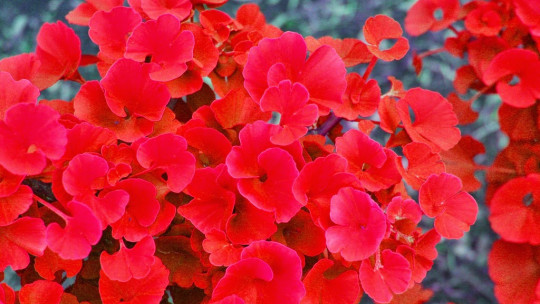
Gingko Biloba the only tree that survived the Hiroshima bomb so it is not surprising that it is effective in making us resistant to problems such as anxiety, depression, confusion.
It is a plant that grows slowly and shows its leaves late in spring, so it is consistent with the fact that it brings calm, patience and clarity to humans. In addition, it provides other psychological benefits, such as helping with memory retention.
4. Valerian
Valerian is one of the most used natural remedies to treat anxiety and it is, without a doubt, one of the best-known plants as a remedy for nerves and symptoms related to anxiety, because it has a sedative effect and relaxes the nervous system and the brain.
In addition, its flowers are used to reduce stress and to fall asleep, as they have calming effects and help to have a good rest. It has ancient origins and Hippocrates already used it in ancient Greece.
5. Melissa
This is a plant rich in pollen and that is why it attracts bees Melisa means bee in Greek. It is also called lemon balm, and is often used as an infusion with many health benefits.
It is popular because it is useful for reducing stress, anxiety or insomnia. Although it also has antispasmodic effects, which is why it is often consumed by athletes to relieve pain caused by physical effort.
6. Motherwort
Motherwort is a plant of Asian and North American origin, although it is also found in Spain, in the Pyrenees.
In addition to motherwort, it receives various names such as lion’s tail or Saint Mary’s hand. The Japanese have been using it for centuries for its ability to promote longevity. It is ideal for relieving anxiety and stress symptoms
7. Lavender
Another of the ancestrally used plants is lavender, which It has been used to cure disorders of the nervous system Its use is recommended to reduce anxiety and produce a calming effect, but it is also a great anti-inflammatory that is used for intestinal pain.
8. Linden or linden
Linden or linden tea is an infusion that is made with the fruit of some plants of the species of the genus tilia (linden trees) and has antispasmodic, sleeping and anxiolytic effects so it is indicated for people who suffer from anxiety, nerves or stress.
Linden helps us sleep better and be calmer, and it is easy to get, because, as with chamomile, practically all bars have lime infusions. Many students consume it to calm down before an exam.
9. Skullcap
This herb is a natural sedative, ideal for treating both physical and emotional anxiety Therefore, this plant works wonders to reduce anxious symptoms, stress, emotional exhaustion and insomnia. To benefit from its properties you only need to drink 10 drops of tincture, twice a day, to help restore the imbalance of the nervous system.
10. Lemongrass
Lemon verbena has a great calming effect and is usually taken in the form of an infusion Consumed before going to bed, it facilitates sleep and helps you sleep better, providing a more pleasant floor. Lemon verbena is a great natural remedy to reduce the characteristic symptoms of nervousness, stress and anxiety.
Relaxing infusions and teas
In addition to these plants, there are many relaxing infusions or teas that help you be calmer and calmer. Ashwagandha tea, passionflower or hops are some examples.
Use this citation format to reference the article clearly and help readers find the original source.
PsychologyFor. (2024). 10 Plants That Relieve Anxiety. PsychologyFor. https://psychologyfor.com/10-plants-that-relieve-anxiety/