


See more of our articles in your search results.
When sexual frustration, mismatched desires, and unspoken performance anxieties create emotional distance in your relationship, turning to 12 sexology books to learn about sexual life offers a liberating, evidence-based path toward authentic intimacy. Many adults navigate their sexual lives burdened by cultural shame, inaccurate anatomical myths, and unspoken insecurities, wondering why spontaneous passion frequently fades over time. You might find yourself feeling disconnected from your own body or struggling to communicate your erotic needs to a partner, feeling overwhelmed by silence and isolation.
As neuroscientist Lisa Feldman Barrett’s research on emotional construction shows, sexual difficulties are rarely a sign of biological inadequacy; rather, they reflect a profound lack of accurate psychosexual education in modern society. When cultural taboos prevent honest dialogue, the natural human drive for erotic connection and pleasure becomes clouded by performance anxiety, body image insecurities, and unrealistic media scripts. Exploring contemporary sexology and clinical relationship science provides the psychological clarity needed to dismantle shame, understand the dual control model of arousal, and construct a deeply fulfilling sexual life.
How can reading peer-reviewed clinical sexology transform your intimate communication and erotic well-being across long-term relationships?
Discovering transformative evidence-based sexology literature empowers you to understand responsive desire, overcome sexual performance pressure, and cultivate profound somatic intimacy with yourself and your partner.
10 Best Sexology Books to Learn About Sexual Life
Verified Top Picks- 1
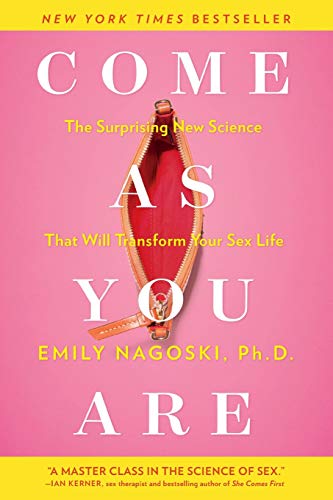 Emily Nagoski Come As You Are The surprising new science that will transform your sex life and understanding of desireCHECK TODAY'S PRICE
- 2
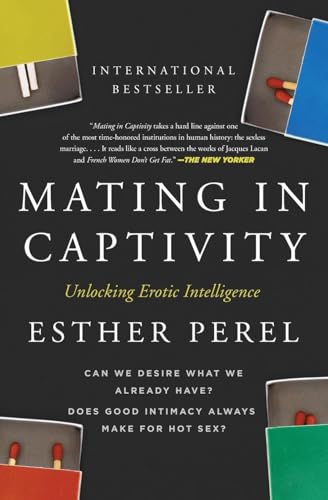 Esther Perel Mating in Captivity Unlocking erotic intelligence and sustaining desire in long-term relationshipsCHECK TODAY'S PRICE
- 3
 Ian Kerner She Comes First The thinking man's guide to pleasuring a woman and female sexual satisfactionCHECK TODAY'S PRICE
- 4
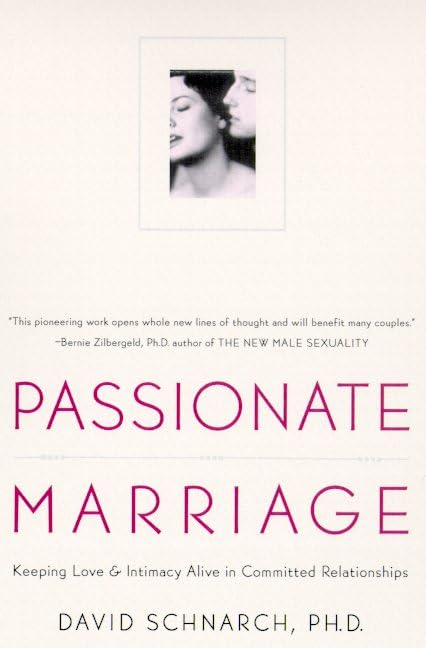 David Schnarch Passionate Marriage Keeping love and passion alive in committed relationships through emotional differentiationCHECK TODAY'S PRICE
- 5
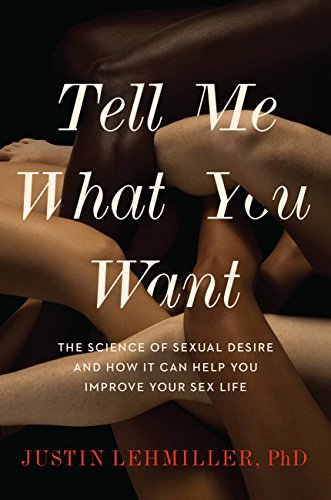 Justin J. Lehmiller Tell Me What You Want The science of sexual desire and how it can help you improve your sex lifeCHECK TODAY'S PRICE
- 6
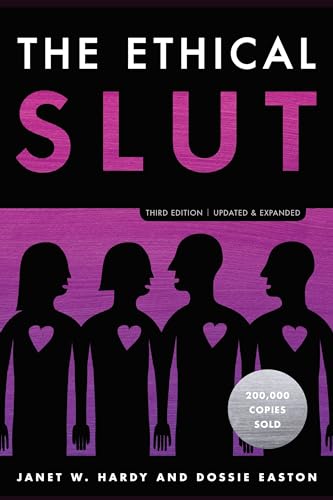 Dossie Easton & Janet W. Hardy The Ethical Slut A practical guide to polyamory, open relationships, and other consensual adventuresCHECK TODAY'S PRICE
- 7
 Laurie Mintz Becoming Cliterate Why orgasm equality matters and how every woman can get itCHECK TODAY'S PRICE
- 8
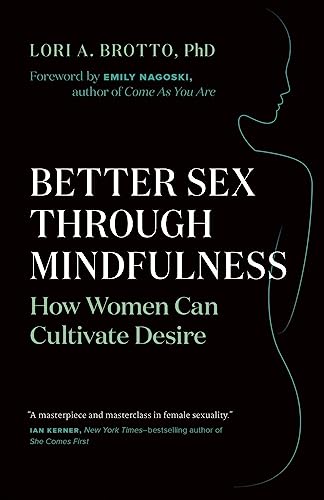 Lori A. Brotto Better Sex Through Mindfulness How women can cultivate desire, increase sexual pleasure, and find joy in intimacyCHECK TODAY'S PRICE
- 9
 Peggy J. Kleinplatz & A. Dana Ménard Magnificent Sex Lessons from extraordinary lovers on how to create profound sexual intimacyCHECK TODAY'S PRICE
- 10
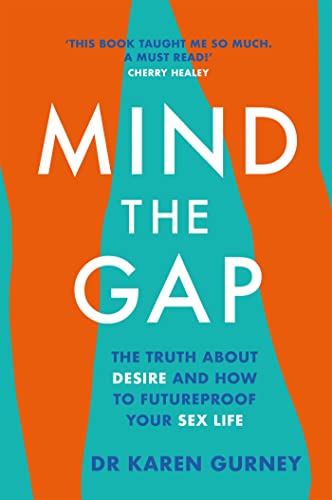 Dr. Karen Gurney Mind The Gap The truth about desire and how to futureproof your sex lifeCHECK TODAY'S PRICE
The Evolution of Modern Sexology: From Clinical Pathology to Human Flourishing
Modern sexology has undergone a radical scientific evolution over the past century, transitioning from rigid diagnostic categorization toward a holistic understanding of human pleasure and relational health. Pioneering sexologist Alfred Kinsey revolutionized the field in the mid-twentieth century by demonstrating that human sexual behavior exists along a diverse, fluid continuum rather than within narrow normative boundaries. By documenting the vast spectrum of human eroticism, Kinsey laid the groundwork for contemporary researchers to view sexual variation as a normal expression of healthy human biodiversity.
Building upon Kinsey’s observational foundation, researchers William Masters and Virginia Johnson mapped the physiological sexual response cycle, establishing the somatic realities of human excitement, plateau, orgasm, and resolution. Their clinical work demonstrated that most sexual dysfunctions stem from psychological performance anxiety and spectatoring rather than irreversible physiological defects. Today, contemporary sexologists integrate neuroscience, attachment theory, and mindfulness to help individuals and couples dismantle cultural conditioning and reclaim authentic somatic sexual agency.
To fully benefit from modern sexological literature, readers should cultivate three foundational psychosexual competencies:
- Developing somatic body awareness to recognize subtle physiological arousal cues.
- Understanding the dual control model of sexual inhibition and excitation mechanisms.
- Cultivating differentiated communication skills for assertive non-defensive erotic dialogue.
Mastering these core competencies allows you to approach your sexual health with curiosity, compassion, and scientific psychosexual literacy.
Top 10 Sexology Books to Transform Your Intimacy and Sexual Health
The following curated selection represents the most influential, clinically grounded sexology literature available today. Each volume addresses critical aspects of sexual health, from female anatomical pleasure and male sexual performance to erotic desire in long-term marriage and ethical non-monogamy.
1. Come As You Are: The Surprising New Science That Will Transform Your Sex Life — Emily Nagoski
Come As You Are by sex educator and researcher Emily Nagoski is widely considered the definitive modern masterpiece on female sexuality. Nagoski demystifies the science of desire by introducing the dual control model, which posits that sexual arousal relies on balancing the sexual accelerator (excitation) and the sexual brakes (inhibition). She explains that stress, body insecurity, and lack of emotional safety actively slam on the brakes, providing readers with indispensable tools for optimizing sexual context and arousal.
Nagoski dismantles pervasive cultural myths regarding spontaneous desire, explaining that responsive desire—arousal that emerges in response to pleasure rather than preceding it—is a healthy, normal variation. The book normalizes anatomical diversity and addresses the phenomenon of arousal non-concordance, where physical genital response does not match subjective mental desire. For anyone seeking to eliminate sexual shame and embrace their authentic body, this book provides a revolutionary foundation for evidence-based sexual self-compassion.
- Explains how the dual control model regulates internal sexual excitation and inhibition.
- Validates responsive sexual desire as a healthy normative arousal pattern.
- Deconstructs the confusing reality of genital arousal non-concordance.
2. Mating in Captivity: Unlocking Erotic Intelligence — Esther Perel
Mating in Captivity by acclaimed psychotherapist Esther Perel explores the paradoxical tension between domestic security and erotic desire in committed long-term partnerships. Perel argues that the very elements that nurture love—safety, predictability, stability, and emotional closeness—frequently stifle the mystery, novelty, and psychological distance required for passion. By examining how modern couples burden single relationships with impossible expectations, Perel provides a brilliant diagnosis of long-term relationship desire discrepancies.
Perel introduces the concept of erotic intelligence, teaching partners how to cultivate separateness and autonomy within their shared commitment. Rather than viewing sexual stagnation as proof of fallen love, she shows how cultivating healthy psychological space reignites curiosity and erotic longing. This profound clinical work challenges romantic orthodoxy and provides couples with a sophisticated roadmap for sustaining erotic vitality over decades.
- Analyzes the fundamental psychological conflict between emotional security and erotic desire.
- Advocates for personal differentiation to maintain erotic mystery and attraction.
- Helps couples navigate sexual fantasy and unconscious erotic power dynamics.
3. She Comes First: The Thinking Man’s Guide to Pleasuring a Woman — Ian Kerner
She Comes First by clinical sexologist and family therapist Ian Kerner is a landmark instructional manual that centers female sexual pleasure and anatomical reality. Kerner confronts the pervasive orgasm gap in heterosexual encounters, demonstrating that the vast majority of women do not reliably reach climax through penetrative intercourse alone. By establishing the clitoris as the true anatomical center of female sexual climax, Kerner reframes oral sex from a preliminary warm-up into the primary event of sexual intimacy.
Kerner combines detailed anatomical descriptions with practical, nuanced techniques and communication strategies that eliminate performance pressure for both partners. His approachable, respectful, and humorous writing dismantles sexual misconceptions while emphasizing enthusiastic consent, pacing, and emotional connection. For couples seeking to enhance female sexual satisfaction and cultivate mutual confidence, this text remains the gold standard of sexual technique guides.
- Provides detailed anatomical education regarding the extensive internal clitoral network.
- Offers systematic clinical techniques to eliminate heterosexual intimate orgasm inequality.
- Teaches partners how to communicate preferences without triggering defensive performance anxiety.
4. Passionate Marriage: Keeping Love and Intimacy Alive in Committed Relationships — David Schnarch
Passionate Marriage by clinical psychologist David Schnarch is a groundbreaking work that integrates systems theory, family therapy, and sexology into the Crucible approach to intimacy. Schnarch argues that sexual boredom and desire conflicts in marriage are not technical communication problems, but developmental opportunities for personal differentiation. He demonstrates that profound sexual intimacy requires individuals to hold onto their own sense of self while remaining emotionally close to a differing, autonomous partner.
Schnarch challenges the popular belief that compromise and soothing are the keys to marital happiness, showing instead that emotional self-regulation and courageous confrontation drive deep erotic maturation. The book introduces wall-to-wall intimacy and eyes-open sex, guiding couples through the vulnerability required for transformative connection. This rigorous text is essential for couples seeking to turn relationship crises into catalysts for profound psychosexual growth.
- Introduces the differentiation model of personal autonomy within intimate partnership.
- Explains how high-desire and low-desire partner sexual power dynamics operate.
- Teaches somatic self-soothing techniques to endure intense emotional and erotic vulnerability.
5. Tell Me What You Want: The Science of Sexual Desire and How It Can Help You Improve Your Sex Life — Justin J. Lehmiller
Tell Me What You Want by social psychologist and Kinsey Institute research fellow Justin J. Lehmiller presents findings from the largest, most comprehensive scientific survey on sexual fantasies ever conducted. Analyzing data from over 4,000 diverse participants, Lehmiller categorizes human erotic daydreams into seven universal themes, including group sex, novelty, power dynamics, and emotional intimacy. This groundbreaking empirical study demonstrates that seemingly unusual desires are remarkably common, providing readers with an antidote to sexual fantasy shame.
Lehmiller explores the evolutionary, psychological, and personality factors that shape individual erotic preferences, helping readers understand what their fantasies reveal about their attachment needs and identity. He provides practical, evidence-based frameworks for discussing fantasies with romantic partners safely and without judgment. For anyone seeking to normalize their erotic mind and communicate desires honestly, this book provides an illuminating scientific survey of desire.
- Categorizes human erotic daydreams into seven universal evidence-based psychological fantasy themes.
- Demystifies the psychological function of kink, taboo, and erotic submission.
- Offers structured clinical frameworks for safely sharing intimate fantasies with partners.
6. The Ethical Slut: A Practical Guide to Polyamory, Open Relationships, and Other Freedoms in Sex and Love — Dossie Easton and Janet W. Hardy
The Ethical Slut by psychotherapist Dossie Easton and writer Janet W. Hardy is the pioneering classic on consensual non-monogamy, polyamory, and relationship design. First published in 1997 and substantially updated for modern audiences, the book challenges the cultural assumption that exclusivity is the only legitimate model for sexual and romantic fulfillment. Easton and Hardy provide a compassionate, practical guide to navigating jealousy, establishing boundary agreements, and practicing radical honesty in intimate relationships.
The authors reframe jealousy from a toxic, uncontrollable emotion into an actionable signal that points toward underlying insecurities, fear of abandonment, or unexpressed needs. The book provides essential tools for conflict resolution, self-awareness, and community building that benefit monogamous and non-monogamous couples alike. For readers curious about expanding their relational models or improving their communication, this volume offers a masterclass in consensual ethical relationship communication.
- Provides comprehensive frameworks for negotiating consensual non-monogamous relationship agreements.
- Deconstructs jealousy into manageable components of unresolved fear and attachment vulnerability.
- Teaches communication skills that nurture compersion and mutual emotional support.
7. Becoming Cliterate: Why Orgasm Equality Matters—And How to Get It — Laurie Mintz
Becoming Cliterate by psychologist and certified sex therapist Dr. Laurie Mintz is an impassioned, evidence-based manifesto addressing the cultural, psychological, and anatomical roots of the orgasm gap. Mintz argues that widespread ignorance of clitoral anatomy combined with patriarchal sexual scripts prevents millions of women from experiencing reliable sexual climax. By merging feminist critique with clinical sex therapy techniques, Mintz provides women and their partners with a roadmap to reclaim full sexual entitlement.
Mintz presents actionable cognitive reframing exercises alongside practical manual and technological stimulation guidance, encouraging women to prioritize their pleasure without apology or guilt. She addresses the psychological barriers of spectatoring, body shame, and faking orgasms, showing how authentic communication transforms intimate encounters. This empowering text serves as an indispensable resource for achieving equal sexual pleasure and satisfaction.
- Combines clinical sex therapy techniques with sociocultural critique of orgasm inequality.
- Provides actionable mindfulness exercises to eliminate intrusive performance-related spectatoring thoughts.
- Guides women through self-exploration practices to identify personalized erotic stimulation preferences.
8. Better Sex Through Mindfulness: How Women Can Cultivate Desire — Lori A. Brotto
Better Sex Through Mindfulness by clinical psychologist and sex researcher Dr. Lori A. Brotto summarizes groundbreaking empirical research conducted at the University of British Columbia on mindfulness-based sexual therapy. Brotto reveals that low sexual desire, difficulty with arousal, and chronic pelvic pain frequently stem from cognitive distraction, where the mind drifts away from somatic sensations during intimacy. She demonstrates how targeted mindfulness practices dramatically improve subjective sexual arousal and satisfaction.
Brotto outlines structured eight-week mindfulness exercises that train women to anchor their attention in immediate physical sensations without judgment. By reducing cognitive interference and down-regulating sympathetic stress responses, mindfulness bridges the gap between physical genital response and psychological desire. For individuals struggling with low libido, sexual trauma, or sexual dissatisfaction, this volume delivers an empirically validated mindfulness-based treatment.
- Details clinical trials proving that mindfulness significantly improves low sexual desire and arousal.
- Teaches non-judgmental present-moment awareness to anchor somatic genital sensory connection.
- Provides specialized therapeutic protocols for managing sexual difficulties and pelvic pain.
9. Magnificent Sex: Lessons from Extraordinary Lovers — Peggy J. Kleinplatz and A. Dana Ménard
Magnificent Sex by clinical psychologists and sex researchers Dr. Peggy J. Kleinplatz and Dr. A. Dana Ménard presents findings from a landmark decade-long qualitative study of individuals and couples experiencing truly extraordinary sex. Rather than focusing on curing sexual dysfunctions, the authors investigate what differentiates mediocre encounters from transcendent, deeply fulfilling erotic experiences. Their research reveals that great lovers prioritize presence, vulnerability, and deep connection over mechanical technique or athletic performance.
Kleinplatz and Ménard identify eight core components of optimal sexuality, including full embodiment, emotional risk-taking, authenticity, deep empathy, and playful exploration. The book proves that magnificent sex is not an innate gift reserved for the young or conventionally attractive, but an ongoing skill developed through emotional maturity and communication. For couples seeking to move beyond functional sex into profound intimacy, this book provides an inspiring vision of optimal sexuality.
- Identifies the eight core psychological components comprising optimal transcendent sexual experiences.
- Dismantles the cultural obsession with mechanical technique in favor of authentic emotional presence.
- Shows how emotional vulnerability and risk-taking cultivate deep reciprocal erotic connection.
10. Mind The Gap: The Truth About Desire and How to Futureproof Your Sex Life — Karen Gurney
Mind The Gap by clinical psychologist and certified psychosexologist Dr. Karen Gurney provides a compassionate, contemporary guide to closing the desire gap in long-term relationships. Gurney addresses the universal reality that sexual frequency and spontaneous longing naturally decline in ongoing partnerships, debunking the toxic belief that loss of initial passion indicates relationship incompatibility. She provides couples with practical tools to understand the biopsychosocial factors that shape individual sexual desire fluctuations.
Gurney explains how modern lifestyle factors like digital overload, emotional labor imbalance, and stress deplete sexual motivation, offering strategies to construct an erotic ecosystem that invites desire. Through relatable clinical case studies and reflective exercises, she teaches couples how to transition from waiting for spontaneous desire to actively creating conditions for responsive arousal. This accessible, empowering book is essential for couples seeking to futureproof their long-term sexual connection.
- Explains the biopsychosocial mechanisms governing relationship desire discrepancy patterns.
- Teaches partners how to restructure daily habits to create a supportive domestic erotic ecosystem.
- Provides actionable communication exercises to dismantle sexual avoidance and resentment cycles.
The Dual Control Model and Responsive Desire
One of the most transformative conceptual breakthroughs in modern sexology is the dual control model of sexual response, developed by researchers John Bancroft and Erick Janssen at the Kinsey Institute. This neurobiological framework posits that sexual arousal is regulated by two independent neurological systems: the Sexual Excitation System (SES), which acts as the accelerator detecting sexually relevant stimuli, and the Sexual Inhibition System (SIS), which acts as the brake detecting potential threats, performance pressures, and social risks. When an individual struggles with arousal, the primary issue is frequently not a weak accelerator, but overactive neurological sexual brakes.
Complementing this neurological model, sexologist Rosemary Basson revolutionized our understanding of sexual desire by challenging Masters and Johnson’s linear response model. Basson demonstrated that for many individuals, particularly in long-term relationships, sexual desire is circular and responsive rather than spontaneous. Individuals often begin a sexual encounter in a state of neutral receptivity, where willingness and physical intimacy activate physiological arousal, which subsequently triggers conscious psychological sexual desire.
Recognizing the dynamics of the dual control model and responsive desire provides essential clinical relationship benefits:
- Eliminates pathological self-blame by normalizing neutral sexual baseline receptivity.
- Helps couples identify and remove environmental stressors that trigger unconscious sexual inhibition brakes.
- Encourages intentional creation of erotic context to activate the neurological sexual excitation accelerator.
Shifting from unrealistic spontaneous desire expectations to responsive desire frameworks removes performance pressure and fosters sustainable long-term intimate fulfillment.
Overcoming the Orgasm Gap and Performance Anxiety Through Somatic Mindfulness
The orgasm gap—the documented disparity in orgasm frequency between men and women in heterosexual encounters—remains a pervasive challenge rooted in anatomical misinformation and cultural conditioning. Sociological and clinical studies consistently reveal that while heterosexual men climax in approximately 95% of encounters, heterosexual women climax only about 65% of the time. This gap narrows significantly in same-sex relationships and solo masturbation, proving that the discrepancy is not a female biological limitation, but the result of inadequate clitoral stimulation techniques.
Compounding this anatomical disparity, cognitive distraction and performance anxiety frequently induce spectatoring—a phenomenon identified by Masters and Johnson where an individual mentally detaches from physical sensation to critically observe their own sexual performance or appearance. Spectatoring floods the body with adrenaline, activates the sympathetic nervous system, and constricts pelvic blood vessels, directly inhibiting arousal. Clinical psychologist Lori Brotto has shown that somatic mindfulness exercises counteract spectatoring by anchoring conscious awareness in immediate visceral sensory pleasure.
Practicing somatic mindfulness during intimate encounters involves several foundational psychosexual disciplines:
- Deliberately focusing attention on the tactile sensations of breath, touch, and pelvic muscle relaxation responses.
- Observing self-critical thoughts without judgment and gently redirecting focus to immediate physical pleasure cues.
- Relinquishing goal-oriented climax pressure to embrace uninhibited sensory erotic exploration.
Dismantling performance anxiety through somatic mindfulness allows both partners to experience intimacy as a shared sanctuary of connection rather than an evaluative athletic performance.
Practical Exercises to Deepen Intimacy and Erotic Communication
Integrating insights from clinical sexology literature into your personal life requires deliberate, consistent behavioral practices. Translating cognitive concepts into lived erotic experiences bridges the gap between intellectual understanding and embodied intimacy. Psychiatrist David Schnarch emphasized that sexual growth demands personal differentiation, emotional self-soothing, and courageous interpersonal honesty to achieve profound relational transformation.
To integrate the core lessons from these top 10 sexology books into your relationship, practice these five evidence-based intimacy disciplines:
- Practice non-demand sensate focus touching for fifteen minutes to eliminate goal-oriented sexual performance anxiety.
- Conduct an honest sexual brakes audit to identify and eliminate daily domestic stress triggers.
- Engage in three minutes of synchronised breathing and eyes-open gaze to deepen somatic nervous system attunement.
- Apply clinical psychologist Marshall Rosenberg’s nonviolent communication model to articulate one specific erotic preference or boundary.
- Schedule regular erotic dates focused on novelty, playfulness, and intentional responsive desire cultivation.
Consistently practicing these actionable sexological disciplines helps couples dissolve emotional distance, cultivate unshakeable trust, and experience lifelong erotic flourishing.
FAQs about Sexology Books and Sexual Health
What is the best sexology book for a beginner who feels anxious about sex?
For individuals experiencing anxiety, shame, or confusion surrounding sexual health, Come As You Are by Emily Nagoski is universally considered the most reassuring and scientifically grounded starting point. Nagoski uses engaging metaphors and peer-reviewed neuroscience to explain the dual control model of arousal, showing that everyone’s sexual wiring is unique and normal. Her compassionate approach demystifies responsive desire, eliminates body image shame, and helps readers understand how stress impacts libido. Its accessible, warm tone makes complex clinical concepts easy to understand and immediately apply to personal well-being.
Can reading sexology books really improve a long-term relationship’s sex life?
Reading evidence-based sexology books provides couples with a shared vocabulary, objective scientific frameworks, and practical exercises that significantly enhance intimacy. Books like Mating in Captivity by Esther Perel and Passionate Marriage by David Schnarch help partners normalize the natural decline of spontaneous desire and view sexual challenges as developmental opportunities for emotional growth. By identifying destructive communication patterns, removing performance pressure, and cultivating personal differentiation, couples can reignite curiosity and build an enduring, fulfilling sex life that evolves positively over decades.
What is the difference between pop sex advice and clinical sexology literature?
Popular sex advice in magazines and online blogs frequently relies on superficial tips, unrealistic performance scripts, and generalized assumptions that reinforce performance anxiety and gender stereotypes. In contrast, clinical sexology literature is authored by licensed psychologists, certified sex therapists, and academic researchers who ground their insights in peer-reviewed physiological studies, longitudinal relationship data, and established psychological frameworks. Clinical sexology addresses the underlying emotional, neurobiological, and relational dynamics of desire, offering realistic, sustainable methodologies for authentic pleasure rather than superficial quick fixes.
How does the dual control model explain low sexual desire in relationships?
The dual control model, developed by researchers at the Kinsey Institute, explains that sexual arousal is governed by two independent neurological systems: the Sexual Excitation System (the accelerator) and the Sexual Inhibition System (the brakes). When an individual experiences low desire in a long-term relationship, the issue is rarely a broken accelerator, but rather an overactive braking system triggered by chronic stress, fatigue, relationship conflict, or performance anxiety. By identifying and reducing these inhibitory brakes, partners create the psychological safety and relaxation necessary for desire to emerge naturally.
What is responsive desire, and why is it important to understand?
Responsive desire is a normative pattern of sexual response where desire emerges after physical arousal and pleasure begin, rather than appearing spontaneously beforehand. Pioneered by sexologist Rosemary Basson, this model challenges the cultural misconception that healthy sex must always begin with a sudden, spontaneous urge. Understanding responsive desire is crucial because it relieves individuals—especially women in long-term relationships—from the guilt of not feeling spontaneous horniness, empowering them to engage in intimacy from a place of open, relaxed receptivity that allows desire to build gradually.
When should a couple consider seeing a certified sex therapist?
Couples should consider consulting a certified sex therapist (such as one accredited by AASECT) when sexual challenges cause persistent emotional distress, chronic relationship resentment, or complete intimacy avoidance that self-help reading cannot resolve. A sex therapist provides specialized, non-judgmental guidance for complex issues like severe desire discrepancies, painful intercourse (vaginismus or dyspareunia), erectile dysfunction, rapid ejaculation, and unresolved sexual trauma. Professional therapy provides an attuned, safe environment to address deep-seated psychosexual blocks and develop tailored treatment plans for lasting healing.
Bibliography
- Bancroft, J., & Janssen, E. (2000). The dual control model of male sexual response: A theoretical approach to centrally mediated erectile dysfunction. Neuroscience & Biobehavioral Reviews.
- Barrett, L. F. (2017). How Emotions Are Made: The Secret Life of the Brain. Houghton Mifflin Harcourt.
- Basson, R. (2000). The female sexual response: A different model. Journal of Sex & Marital Therapy.
- Brotto, L. A. (2018). Better Sex Through Mindfulness: How Women Can Cultivate Desire. Greystone Books.
- Easton, D., & Hardy, J. W. (2017). The Ethical Slut: A Practical Guide to Polyamory, Open Relationships, and Other Freedoms in Sex and Love. Ten Speed Press.
- Gurney, K. (2020). Mind The Gap: The Truth About Desire and How to Futureproof Your Sex Life. Headline Home.
- Kerner, I. (2004). She Comes First: The Thinking Man’s Guide to Pleasuring a Woman. William Morrow Paperbacks.
- Kinsey, A. C., Pomeroy, W. B., & Martin, C. E. (1948). Sexual Behavior in the Human Male. W. B. Saunders.
- Kleinplatz, P. J., & Ménard, A. D. (2020). Magnificent Sex: Lessons from Extraordinary Lovers. Routledge.
- Lehmiller, J. J. (2018). Tell Me What You Want: The Science of Sexual Desire and How It Can Help You Improve Your Sex Life. Da Capo Lifelong Books.
- Masters, W. H., & Johnson, V. E. (1966). Human Sexual Response. Little, Brown and Company.
- Mintz, L. (2017). Becoming Cliterate: Why Orgasm Equality Matters—And How to Get It. HarperOne.
- Nagoski, E. (2015). Come As You Are: The Surprising New Science That Will Transform Your Sex Life. Simon & Schuster.
- Perel, E. (2006). Mating in Captivity: Unlocking Erotic Intelligence. Harper.
- Rosenberg, M. B. (1999). Nonviolent Communication: A Language of Life. PuddleDancer Press.
- Schnarch, D. (1997). Passionate Marriage: Keeping Love and Intimacy Alive in Committed Relationships. Henry Holt and Company.
Use this citation format to reference the article clearly and help readers find the original source.
PsychologyFor. (2026). 12 Sexology Books to Learn About Sexual Life. PsychologyFor. https://psychologyfor.com/12-sexology-books-to-learn-about-sexual-life/