


See more of our articles in your search results.
Friendship is not a luxury accessory on a good life; it is a core system that regulates stress, shapes identity, and sustains meaning through change and uncertainty core system. As an American psychologist, the pattern seen across therapy rooms and research labs is consistent: people who cultivate a diverse, intentional circle of friends recover faster from setbacks, take healthier risks, and feel more grounded in who they are becoming diverse circle. Loneliness, by contrast, is not just unpleasant; it is linked to higher anxiety, depressive symptoms, cardiovascular risk, and poorer sleep, which means tending friendships is as much a health behavior as exercise or nutrition health behavior. The twist is that “good friends” do not all look the same, and expecting one person to meet every need strains relationships until they fail under pressure many shapes.
Think of a friendship network as an ecosystem, not a single tree, where different species contribute differently—shade, fruit, shelter, challenge—and the point is balance rather than uniformity friendship ecosystem. Some friends anchor daily life with steadiness; others spark growth by challenging comfortable habits; some keep history so shared meaning does not evaporate when memory gets thin during stress; others bring novelty so curiosity does not die in routine balanced mix. The most resilient people do not always have the largest networks; they have the right mix for their stage of life and the skills to adjust that mix when seasons change—graduation, a move, a breakup, a new child, a career pivot, grief, or recovery right mix.
This guide maps 15 types of friends, how each supports mental health, the risks when a role is overused, and practical ways to nurture a balanced circle in adulthood without forcing roles on people who do not fit them naturally practical map.
Why friendships matter to mental health
Friendships buffer stress by providing co‑regulation—shared nervous system calm—so that heart rate, breath, and muscle tension downshift faster after strain, which keeps problems solvable instead of overwhelming co‑regulation. Social support also broadens perspective, interrupting catastrophic loops with outside data and humor that restore cognitive flexibility when anxiety narrows attention to threats only broadened perspective. In a developmental sense, friendships provide a laboratory for identity work, where trying a new boundary or truth is less costly than in a marriage or workplace because stakes and roles are more fluid identity lab.
At the same time, the wrong mix of friendships can pull a person toward stagnation, avoidance, or reenactment of old wounds, especially when a single friend becomes the only outlet for needs like validation, crisis debriefing, or approval wrong mix risk. Healthy friendship networks distribute load so that no one person carries everything and reciprocity can breathe, which is a humane way to prevent burnout on both sides load distribution.
How many of these have you been "meaning to read" for months?
- 1
 Sounds TrueHow to Carry What Can't Be FixedA Journal for GriefListen Free On Audible
 - 2
 AzujosThe Zen Monkey and the Lotus Flower52 Stories to Relieve Stress, Stop Negative Thoughts, Find Happiness, and Live Your Best LifeListen Free On Audible
 - 3
 MajostaDon't Believe Everything You ThinkWhy Your Thinking Is The Beginning & End Of Suffering (Beyond Suffering)Listen Free On Audible
How to read friend roles without boxing people in
Roles should describe patterns, not prison cells, and most close friends will blend several types across years, which is part of what makes friendships alive rather than scripted performances patterns not prisons. When reading roles, ask three questions: What does this friend reliably add to my life; when do they shine most; and what do I give them that feels natural and valued, which keeps friendship reciprocal instead of consumptive three questions? The goal is not to label friends to control them, but to notice strengths and limits so expectations match reality and resentment has less oxygen fit expectations.
With that frame, here are 15 types of friends—each psychologically useful, each risky in excess, and each worth cherishing for what they uniquely bring when held with clear boundaries and gratitude cherish unique.
The Anchor
The Anchor is the dependable friend who shows up on time, remembers the plan, follows through on the promise to help, and keeps the calendar sane when everything else gets slippery, which stabilizes nervous systems in uncertain seasons dependable friend. People with Anchors take more purposeful risks because safety at the base gives courage at the edges, not unlike how toddlers explore farther when a trusted adult is steady and responsive in the room safety base. In adulthood, the same pattern holds: a steady lunch, a weekly call, a reliable walking partner, or a predictable text rhythm keeps stress from eroding routines that maintain well‑being steady rhythm.
Risk: Anchors can become overburdened if others turn them into default logistics managers or emotional first responders, and they can slide into quiet resentment if gratitude and reciprocity lag behind demand resentment slide. Practice: Name their steadiness explicitly, ask for availability before expecting it, and reciprocate in the way they value—often consistency over grand gestures—so the role remains a gift rather than a job description they never accepted reciprocate steady.
The Challenger
The Challenger holds a mirror at difficult angles and says the thing others avoid, not to wound but to invite growth, which protects against groupthink and self‑deception that keep people stuck in familiar pain honest mirror. Healthy Challengers blend candor with care, ask consent before offering hard feedback, and anchor critique in observed patterns rather than in global judgments, which keeps confrontation developmental rather than shaming careful candor. People who befriend a Challenger often make faster progress on goals because avoidance has fewer hiding places when truth is welcome and held with respect avoidance exposed.
Risk: Unskilled challenging becomes criticism in disguise or control dressed up as care, which erodes trust and triggers defensiveness, not change, especially for friends with trauma histories around judgment criticism risk. Practice: Agree on feedback rules, including timing and tone, and share one actionable step per conversation so truth translates into movement rather than into a spiral of self‑attack that stalls behavior change rules for truth.

The Cheerleader
The Cheerleader supplies hope, celebrates small wins, and reminds people of their strengths when memory goes dark, which combats depressive bias that filters out the positive and keeps motivation alive through plateaus hope giver. Optimism from a Cheerleader often widens imagination—“what if it works”—enough to try again, and their joy in another’s progress fosters a relational climate where success does not trigger envy or silent distance joy in progress. For anxious perfectionists, this friend lowers shame by normalizing imperfect practice as the path to mastery, which protects crafts and relationships from all‑or‑nothing collapse normalize practice.
Risk: Unrelenting positivity can bypass pain, invalidating real grief or fear with platitudes that make suffering feel lonely, which is not resilience but denial with a smile toxic positivity. Practice: Invite full emotional range—“I will cheer and sit with pain”—so support is flexible and honest, and ask for permission before reframing hard moments into silver linings no one requested flexible support.
The Historian
The Historian remembers the jokes, the addresses, the songs, and the dates that turn a set of events into a shared story, which stabilizes identity in times of transition or loss keeper of story. When a person forgets who they are after a breakup, job loss, move, or diagnosis, a Historian supplies context—“you have done hard things before”—that restores continuity and grounds self‑respect beyond current performance continuity restored. In groups, Historians knit belonging by recalling how the friendship started and why it endured, which counters the amnesia that stress can impose on teams and families belonging knit.
Risk: Historians can hold a version of the past that freezes growth—“you’re the shy one”—or reopens old wounds by retelling hurt without repair, which traps people in a story that no longer fits story trap. Practice: Tell “growth stories” that include how people changed, and ask consent before sharing sensitive history in new circles where privacy deserves fresh choices growth stories.
The Catalyst
The Catalyst sparks momentum by turning ideas into first steps and inertia into motion, which is invaluable when fear or overthinking slows action to a crawl spark momentum. Catalysts love pilot projects, minimal viable tries, and visible progress within a week, which makes hope tangible rather than abstract and blends well with therapists’ behavioral activation strategies for depression tangible hope. Many creative and entrepreneurial leaps happen because a Catalyst friend said, “Let’s put a date on the calendar and test one small version,” then showed up to co‑build the first brick build first brick.
Risk: Constant acceleration can ignore recovery needs and relational timing, burning people out or pushing past consent in the name of growth, which triggers backlash and withdrawal burnout risk. Practice: Pair momentum with pacing—sprints and sabbaths—and ask, “What would make this feel safe enough to try,” which respects nervous system realities alongside ambition pace momentum.

The Adventurer
The Adventurer invites novelty—food, travel, trails, art, rituals—that expands a person’s map of what is possible and enjoyable, which nourishes curiosity and disrupts depressive sameness that makes life feel narrow novelty invitation. Healthy adventure restores play, strengthens stress resilience by varied experiences, and creates awe moments that recalibrate perspective on everyday stressors, which the brain remembers when anxiety exaggerates threats awe and play. In relationships, shared adventure deepens bonding through co‑mastery and inside jokes that only risk and exploration can generate bonding through risk.
Risk: Adventure without attunement can become reckless, unsafe, or expensive, and adventurers who use novelty to outrun intimacy or grief can model avoidance rather than joy, which hollows fun into distraction reckless novelty. Practice: Make risk explicit and consensual, vary intensity, and include low‑cost adventures so access is not limited by budget or ability, which keeps novelty life‑giving rather than performative consensual risk.
The Confidant
The Confidant offers depth, discretion, and presence, holding pain without rushing to fix it, which allows emotions to complete their cycle and meaning to surface on its own schedule deep presence. With a Confidant, shame shrinks because secrets are met with steady regard, and complex choices become clearer because thinking out loud in safety reveals values the nervous system already knows but fear obscures shame shrink. People with even one genuine Confidant weather storms with fewer symptoms of anxiety and depression because isolation does not metastasize into meaninglessness isolation prevented.
Risk: If every conversation becomes heavy, joy leaves the room, and Confidants can burn out or be cast only as therapists by friends who do not reciprocate, which unbalances the bond weight imbalance. Practice: Protect time for lightness on purpose, ask for what the Confidant needs from you, and rotate roles so mutual care remains an active verb on both sides mutual care.

The Boundary‑Keeper
The Boundary‑Keeper models limits with kindness—“No works for me, here’s a Yes I can offer”—which teaches that love and limits can co‑exist without drama or guilt trips limits with love. This friend is invaluable for people raised in environments where appeasement and over‑functioning were the price of belonging, because they embody a different way to live relationships without self‑erasure different way. Observing their scripts and borrowable phrases becomes a practical curriculum for nervous systems that need new patterns under stress borrow scripts.
Risk: If rigid, Boundary‑Keepers can withdraw rather than repair, or use limits to avoid vulnerability, which teaches distance more than dignity and keeps conflicts unresolved under the banner of “protecting my peace” rigid shield. Practice: Pair boundaries with repair attempts, name what the relationship is for, and revisit limits after stress passes, which prevents permanent walls built for temporary storms boundaries with repair.
The Connector
The Connector says, “You two need to meet,” and widens circles so resources, ideas, and encouragement move where they are needed, which multiplies opportunity and belonging beyond any one person widen circles. Connectors are crucial for newcomers to cities, fields, or communities, and they make resilience social by ensuring help does not bottleneck behind one gatekeeper or algorithm resilience social. In a career sense, connectors change trajectories by placing people in rooms where their work fits and grows, which is often the difference between stalled talent and flourishing craft trajectory change.
Risk: Overconnecting without care can feel transactional, and people can treat connectors as tools rather than friends, which depletes trust and joy in the role transaction risk. Practice: Thank introductions properly, follow through, and report back so the connector sees outcomes, which feeds their motivation and honors the invisible labor behind every helpful introduction honor labor.

The Playmate
The Playmate brings silliness, games, and laughter, which resets stress chemistry and reminds bodies they are for living, not just for carrying anxiety from task to task stress reset. Adults need play as much as children to keep creativity available and to prevent relationships from becoming logistics meetings with occasional affection, which is how many friendships fade quietly in midlife adults need play. Playmates revive the part of identity that is not measured by output or optimization, which protects mental health by keeping joy as a legitimate goal, not a bonus after work is done joy as goal.
Risk: If play avoids depth forever, intimacy stalls, and people can feel unseen beneath the jokes; play can also exclude if it becomes inside humor only, which makes groups brittle and cliquish avoidance by fun. Practice: Host mixed‑energy gatherings, add moments of check‑in between games, and be the person who makes room for newcomers to understand the rules, which keeps play inclusive and alive inclusive play.
The Mentor
The Mentor holds a longer view, offers context, and shares hard‑won lessons without performance, which compresses learning curves and protects against avoidable pain long view. Mentors are not flawless idols; they are honest models of process—detours, recoveries, and trade‑offs—so that growth feels possible and worth the cost, especially during transitions or ambitious pivots honest model. In friendship, mentorship is warm guidance between peers at different seasons rather than a formal hierarchy, and it often becomes reciprocal as life zigzags warm guidance.
Risk: Advice can slide into control, and mentors can overgeneralize from their path, missing differences in identity, constraints, or goals that make a friend’s road distinct, which erodes trust and creativity overreach risk. Practice: Ask first, tailor counsel, and end advice with questions that return agency—“How does this land for you”—which keeps mentorship collaborative rather than prescriptive agency returned.

The Apprentice
The Apprentice is the friend you pour into with knowledge and encouragement, and in doing so you rediscover your own competence and values, which counters imposter feelings and midlife drift pouring renews. Teaching clarifies thinking and gives meaning to scars by turning them into maps, which transforms regret into wisdom that travels beyond the self scars to maps. Apprenticeship in friendship is mutual dignity: one learns faster; the other remembers why the path is worth it, and both are changed by the exchange mutual dignity.
Risk: If unreciprocated in respect or effort, the role can feel parental and draining, and boundaries blur if advice becomes constant rescue, which disempowers growth on both sides drain risk. Practice: Set clear scope—how and when you help—and ask the Apprentice to teach you something they know now, which equalizes the bond and keeps curiosity flowing both ways scope and reciprocity.
The Neighborly Ally
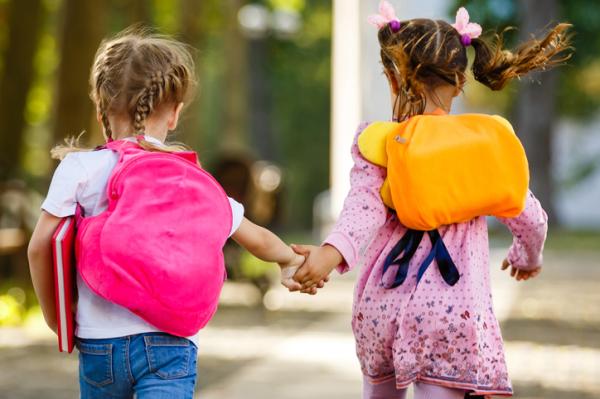
The Neighborly Ally shares proximity and practical life—borrowed tools, pet sitting, rides, porch talks—which builds everyday resilience that abstract “support” cannot replace in crunchy moments practical life. During illness, new parenthood, deadlines, or grief, the difference between coping and crashing is often a neighbor‑ally who can show up in ten minutes with soup, sockets, or silence ten‑minute help. This role reminds us that community is partly logistics and that dignity often hides in mundane favors done without scorekeeping or spectacle dignity in mundane.
Risk: Proximity without boundaries can feel invasive, and expectations can grow silently until disappointment erupts over small things, which damages both friendship and peace at home proximity pitfalls. Practice: Agree on norms—text first, quiet hours, shared tools rules—and offer help specifically rather than vaguely, which prevents the “let me know” trap that rarely helps in real life specific offers.
The Digital Companion
The Digital Companion lives mostly online—group chats, voice notes, gaming, creative collaborations—and can be deeply supportive when geography or schedules do not align, which modern life makes common online support. For neurodivergent folks or those managing social anxiety, digital friendships can offer control over timing and intensity that makes connection sustainable until offline options feel safer or possible controlled intensity. Many people credit digital companions with pulling them through nights when insomnia and rumination threatened to spiral, which is not lesser friendship; it is friendship in a different medium friendship medium.
Risk: Text‑only bonds can misread tone, stall embodiment, or create echo chambers, and secrecy around a digital companion can erode primary relationships if boundaries are not clear, which breeds avoidable drama misread risks. Practice: Add voice or video periodically, name your boundaries to offline partners, and plan occasional in‑person meets when safe, which keeps digital bonds grounded and integrated rather than siloed grounded digital.
The Seasonal Friend
The Seasonal Friend is right for a chapter—school cohorts, project teams, support groups—and then gracefully recedes when the context ends, which is not failure; it is the rhythm of human seasons chapter friend. Seasonal friends are often pivotal because intensity and shared goals bond people quickly, and skills or memories from that season carry forward even if the friendship does not, which deserves gratitude rather than guilt pivotal seasons. Releasing seasonal friends with kindness frees energy for present ties and prevents the resentment that arises when people force continuity where alignment is gone kind release.
Risk: Confusing seasonal intensity for lifelong promise creates mismatched expectations and hurt that were never necessary, which can sour a good chapter in retrospect mismatch risk. Practice: Name the season openly—“this was special”—exchange contact with honest openness rather than obligation, and let future connection follow genuine convergence, not nostalgia alone honest closure.
Balancing your friendship ecosystem
A healthy network rarely includes all 15 types at once, but it benefits from representation across steadiness, truth, encouragement, memory, momentum, novelty, depth, limits, connection, play, wisdom, teaching, proximity, digital support, and seasonality, which together meet most social and emotional needs representation matters. To balance the mix, audit your current circle: Which roles are abundant; which are thin; which friendships are carrying too much load; and where can you diversify by context—work, neighborhood, alumni, interest groups—without pressuring one friend to be everything audit and diversify?
Once gaps are clear, build intentionally through low‑stakes steps—join a recurring activity, schedule one‑to‑one coffees, volunteer, host a small salon, or start a hobby group—so new ties can form organically around shared practice rather than forced confession that overwhelms early trust low‑stakes steps.
When a type becomes a trap
Any strength overextended turns into a weakness: the Anchor becomes controlling, the Challenger becomes cruel, the Cheerleader becomes dismissive, the Historian becomes stuck, the Catalyst becomes rushing, the Adventurer becomes reckless, the Confidant becomes draining, the Boundary‑Keeper becomes rigid, the Connector becomes transactional, the Playmate becomes avoiding, the Mentor becomes prescriptive, the Apprentice becomes dependent, the Neighborly Ally becomes intrusive, the Digital Companion becomes isolating, and the Seasonal Friend becomes resentful when the season ends overextension risk. The antidote is boundary clarity, role rotation, and explicit gratitude that names what works, which both protects the friendship and invites course correction without drama boundary clarity.
You do not need to “fix” friends; you need to adjust expectations, renegotiate patterns, or in some cases step back so both people can thrive without coercion, which is mature care rather than chronic conflict disguised as loyalty adjust not fix.

Making and keeping friends as an adult
Adult friendship thrives on rhythm, specificity, and small risks, and dies in vague intentions, overbooking, and perfectionism about chemistry, which means the bar to take action should be low and the bar to quit should be higher than a single awkward coffee action over ideal. Set repeating calendar holds for walks, co‑working, or dinners, because repetition turns strangers into acquaintances and acquaintances into friends without requiring charisma or grand gestures repeating holds. Be specific in invitations—“Thursday 7 pm ramen on 3rd?”—because ambiguity creates friction that busy people do not overcome, and offer alternatives so “no” can become “yes later” without shame specific invitations.
Take small risks—share a little more, ask a curious question, propose a plan—because friendship is a trust economy and someone must invest first, which is a courage you can practice without self‑abandonment small risks. Finally, honor constraints: childcare, finances, disabilities, and cultural norms shape how people can connect, and inclusive planning builds stronger circles than one‑size‑fits‑all expectations ever will inclusive planning.
Repairing rifts and ending well when needed
Conflict is not a sign a friendship is broken; it is a sign it is real, and repair skills decide whether closeness deepens or calcifies into distance, which is why learning a simple repair script pays lifetime dividends repair matters. Try a three‑part approach: name the miss (“I spoke sharply”), validate impact (“I see how that landed”), and offer a next‑time plan (“I’ll pause before I answer”), then ask what they need now, which turns apology into behavior apology into plan. If a friendship has to end, aim for dignified closure rather than ghosting: name the misalignment, honor what was good, and set gentle boundaries for future contact, which preserves mutual dignity and lets grief do its essential work dignified closure.
Friendship across difference
Cross‑difference friendships—across race, class, gender, orientation, ability, politics, or faith—enrich identity and expand empathy, but they require explicit curiosity, consent, and stamina, which is the price of learning to see beyond one’s lane without turning friends into teachers they did not volunteer to be explicit curiosity. Practice asking, “Is this a good question to ask you,” sharing your own learning curve, and diversifying inputs beyond the friend—books, events, podcasts—so the friendship does not carry the full weight of your education share the weight. These friendships often become life‑anchors because they braid care with expanded maps of the world, which increases resilience and reduces fear of difference in every other domain braided care.
Micro‑habits that keep friendships alive
Tiny actions compound: reply with warmth, send the article, put their big day on your calendar, set reminders for check‑ins, capture a shared photo in a private album, write a two‑line note after time together, and risk the second invite if the first one fell through, which signals that the person matters more than scheduling noise tiny compounding. Use technology as a bridge—group threads, voice notes, short videos—but keep a toe in analog rituals like postcards or walking loops, which recruit more senses and embed memory better than screens alone analog rituals.
Above all, say what you value: “Your steadiness saved me,” “Your truth helped me choose,” “Your laughter kept me going,” because named gratitude is the social glue that outlasts convenience, trends, and algorithms name the value.
FAQs about 15 Types Of Friends
How many close friends does a person really need?
Quality beats quantity, and most people function best with a small core of two to five close friends plus a wider circle for different roles, which balances depth with diversity without overwhelming time or attention quality beats quantity.
What if I don’t have all 15 types in my life right now?
No one does at once, and seasons shift; start by identifying two or three gaps that would most improve daily life—often depth, steadiness, or play—and build there with small, repeatable actions rather than perfection goals start small.
How do I stop relying on one friend for everything?
Name the pattern, widen the circle intentionally, and renegotiate expectations with that friend by appreciating what they give and moving other needs to people and contexts better suited to carry them sustainably widen and renegotiate.
What if I’m the one always giving and rarely receiving?
Run a boundary audit—where am I saying yes from fear, guilt, or habit—and begin practicing small no’s while inviting reciprocity explicitly, because over‑functioning hides your needs from good people who would gladly show up if asked clearly boundary audit.
How do I make friends after a move or major life change?
Pick two recurring contexts—class, club, faith group, volunteering, sport—so repetition can do its quiet work, and set a simple cadence of one invite a week for eight weeks, which is enough volume to find fit without burning out repetition and cadence.
When should a friendship end?
Endings are appropriate when harm outweighs benefit despite repair attempts, when disrespect becomes pattern not exception, or when values diverge so starkly that contact erodes integrity on either side; end with clarity and kindness when possible clarity and kindness.
Can digital friendships be as “real” as in‑person ones?
They can be deeply real when built on honesty, reciprocity, and shared practice; add occasional voice or video and, when safe, in‑person moments to reduce misread tone and to recruit more senses into the bond deeply real.
What if I am introverted or socially anxious?
Design for your nervous system: choose smaller settings, deeper activities with structure, and fewer but more regular touchpoints; let depth substitute for breadth so energy is spent on bonds that repay it with calm and meaning design for you.
How do I handle a friend who always challenges but never supports?
Set feedback agreements—consent, timing, tone—and ask for explicit encouragement alongside critique; if they cannot modulate, limit the role they play in sensitive decisions and lean into friends who balance truth with care balance truth and care.
How can I be a better friend this month?
Pick one person to anchor with rhythm, one person to celebrate with specific praise, and one person to invite into something playful or new, then put those three actions on the calendar before energy gets hijacked by everything else three actions.
Use this citation format to reference the article clearly and help readers find the original source.
PsychologyFor. (2025). 15 Types of Friends. PsychologyFor. https://psychologyfor.com/15-types-of-friends/