


See more of our articles in your search results.
You pack your beach bag with good intentions, tucking in a dense theoretical treatise on cognitive psychopathology, only to find yourself abandoning it by page twelve because the dry academic jargon clashes terribly with the warmth of an open afternoon. That frustration is completely understandable. When summer arrives, we crave reading material that is intellectually enriching without feeling like a punishing homework assignment. It is not an intellectual deficit. Rather, it exposes a common mismatch in our seasonal psychological reading selection.
Summer offers a unique psychological window: extended daylight, disrupted routines, and spacious afternoons that naturally invite deep reflection on our habits, relationships, and emotional baselines. Forcing yourself through impenetrable clinical textbooks often leads to reading slumps and guilty avoidance. However, settling for superficial pop psychology full of unsubstantiated life hacks leaves you feeling intellectually shortchanged. True personal transformation requires accessible literature grounded in rigorous empirical research, cognitive neuroscience, and authentic clinical insight. Selecting the right books allows you to combine captivating narrative storytelling with evidence-based psychological self-discovery.
How can reading peer-reviewed psychological literature during the summer months help you build lasting self-awareness and cultivate meaningful behavioral change?
This comprehensive guide reviews 5 books about psychology to read this summer, analyzing foundational treatises on cognitive decision-making, adult attachment dynamics, neurological case studies, meaning-centered resilience, and somatic trauma recovery.
Psychological literature is uniquely positioned to maximize these seasonal benefits because it bridges the gap between entertaining narrative and actionable personal insight. Whether you are exploring how cognitive biases distort your daily choices or learning how early attachment styles influence your romantic patterns, summer provides the uninterrupted temporal space needed to turn theoretical knowledge into sustainable emotional transformation.
5 Books About Psychology to Read This Summer
Verified Top Picks- 1
 Daniel Kahneman Thinking, Fast and Slow A Nobel laureate's masterwork on cognitive architecture, heuristics, and the dual-process mindCHECK TODAY'S PRICE
 - 2
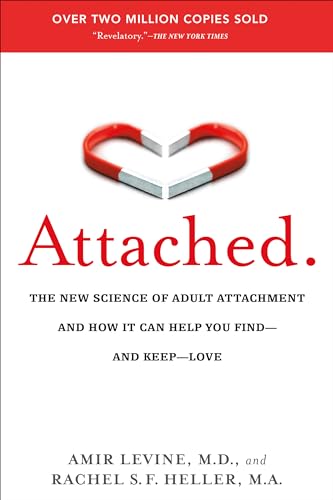 Amir Levine & Rachel Heller Attached: The New Science of Adult Attachment Understanding anxious, avoidant, and secure attachment styles to cultivate lasting romantic intimacyCHECK TODAY'S PRICE
 - 3
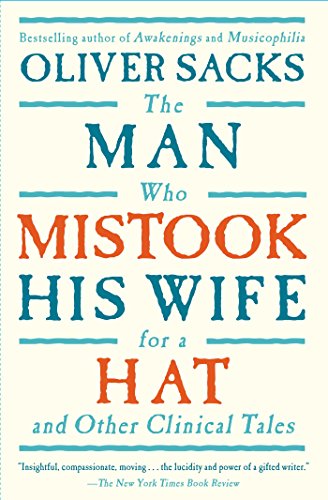 Oliver Sacks The Man Who Mistook His Wife for a Hat Unforgettable, empathetic clinical case studies illuminating the astonishing fragility of human consciousnessCHECK TODAY'S PRICE
 - 4
 Viktor E. Frankl Man's Search for Meaning A psychiatrist's timeless reflection on logotherapy, finding purpose, and resilience amid sufferingCHECK TODAY'S PRICE
 - 5
 Bessel van der Kolk The Body Keeps the Score The groundbreaking masterwork on how trauma and stress physically alter the brain and bodily tissuesCHECK TODAY'S PRICE
Why Is Summer the Ideal Season for Psychological Self-Reflection?
Summer provides a natural disruption to rigid cognitive routines, creating the psychological distance necessary to evaluate automatic behavioral patterns and interpersonal dynamics. Neurobiological research demonstrates that exposure to natural sunlight and unstructured leisure time lowers baseline sympathetic nervous system arousal, expanding prefrontal cognitive bandwidth for deep existential self-reflection.
Cognitive psychologist Daniel Kahneman demonstrates that when individuals operate under chronic time pressure and cognitive overload, the brain relies almost exclusively on System 1—fast, automatic, and heuristic-driven thinking. Summer downtime allows individuals to engage System 2 deliberate processing without the acute depletion caused by daily workplace crises. Stepping out of survival mode enables readers to absorb complex psychological insights, analyze past relational missteps, and formulate sustainable long-term personal growth goals.
Furthermore, psychological research on cognitive restorative environments confirms that immersion in nature enhances attentional capacity and fosters emotional regulation. Reading accessible, scientifically validated psychological literature in relaxed outdoor settings bridges the gap between abstract academic theory and lived emotional experience, transforming seasonal leisure into a catalyst for enduring psychological insight.
- Reduced occupational stress restores prefrontal executive function, facilitating reflective cognitive processing.
- Unstructured summer leisure creates the mental space required to challenge entrenched automatic behavioral heuristics.
- Engaging with literature in natural environments optimizes neural recovery and enhances long-term concept retention.
- Seasonal perspective shifts empower readers to examine relationship dynamics and formulate authentic values-aligned lifestyle changes.
5 Essential Psychology Books to Read This Summer
The following curated selection represents the premier psychological literature for summer reading, perfectly balancing narrative elegance, captivating real-world case studies, and peer-reviewed empirical rigor.
1. Thinking, Fast and Slow — Daniel Kahneman
Thinking, Fast and Slow by Nobel laureate Daniel Kahneman is the definitive masterwork on human irrationality, cognitive architecture, and behavioral economics. Kahneman synthesizes decades of landmark collaborative experiments with Amos Tversky, deconstructing the dual-process model of human cognition: System 1 (fast, intuitive, and emotional) versus System 2 (slow, analytical, and effortful).
The book illuminates the pervasive cognitive biases that distort everyday financial, medical, and personal decisions, including anchoring effects, availability heuristics, and loss aversion. Written with exceptional wit and accessible experimental demonstrations, this volume serves as an unforgettable summer masterclass in cognitive decision-making architecture.
- Delineates the dual-process cognitive framework governing automatic versus deliberate analytical judgment.
- Exposes the systematic cognitive illusions and biases that unconsciously undermine rational decision-making.
- Provides readers with practical tools to recognize when the brain relies on flawed intuitive cognitive shortcuts.
2. Attached: The New Science of Adult Attachment and How It Can Help You Find—and Keep—Love — Amir Levine and Rachel Heller
Attached by psychiatrist Amir Levine and psychologist Rachel Heller translates John Bowlby’s foundational attachment theory into an immensely practical, eye-opening relationship manual for adult romance. Levine and Heller demonstrate that romantic partners do not behave randomly; rather, their behavior is governed by three distinct attachment styles: Anxious, Avoidant, and Secure.
The authors explain the neurobiological mechanisms underlying the destructive “anxious-avoidant trap,” where intimacy triggers acute panic in one partner and defensive withdrawal in the other. Featuring diagnostic quizzes, real-world case histories, and actionable communication scripts, this indispensable volume provides the ultimate summer guide for building secure adult relationship bonds.
Psychiatrist John Bowlby originally established that human attachment is an evolutionary survival drive designed to maintain proximity to protective caregivers. In adulthood, this biological imperative manifests as our deeply ingrained emotional strategies for navigating intimacy, conflict, and vulnerability with romantic partners. Levine and Heller’s work translates complex attachment neurobiology into accessible diagnostic tools that empower readers to break destructive generational cycles and cultivate earned secure attachment patterns.
- Decodes the evolutionary biology behind anxious, avoidant, and secure adult attachment styles.
- Exposes the toxic relational dynamics fueling the chronic anxious-avoidant relationship trap.
- Provides actionable communication strategies to cultivate emotional safety and earned attachment security.
3. The Man Who Mistook His Wife for a Hat: And Other Clinical Tales — Oliver Sacks
The Man Who Mistook His Wife for a Hat by neurologist and psychiatrist Oliver Sacks is a classic collection of twenty-four clinical case histories that explores the strange, fragile, and astonishing terrain of human neurological disorders. Sacks documents patients navigating visual agnosia, profound amnesia, Tourette’s syndrome, and phantom limbs with extraordinary literary grace and medical precision.
Rather than reducing individuals to medical curiosities or damaged brains, Sacks examines how patients creatively adapt and maintain their personal dignity and spiritual identity despite catastrophic neurological deficits. It is an exquisitely written, deeply compassionate book that makes complex neuropsychological case studies read with the narrative suspense of a literary masterpiece.
- Illuminates the intricate relationship between neuroanatomy, perception, and human conscious identity.
- Explores clinical phenomena including visual agnosia, Korsakoff’s amnesia, and neurological compensation.
- Exemplifies the vital clinical balance between objective neurological testing and compassionate humanistic care.
4. Man’s Search for Meaning — Viktor E. Frankl
Man’s Search for Meaning by Austrian psychiatrist and Holocaust survivor Viktor E. Frankl is a timeless existential treatise recounting his survival in Auschwitz and Dachau and detailing the theoretical foundation of logotherapy. Frankl argues that the primary human motivational drive is not the pursuit of pleasure or power, but the intentional discovery of meaning.
Frankl explains that even in the face of unavoidable suffering and horrific circumstances, human beings retain the ultimate existential freedom: the ability to choose one’s spiritual attitude. This short, profound book offers summer readers an incomparable philosophical foundation for cultivating existential psychological resilience.
- Presents the theoretical and clinical framework of logotherapy and meaning-centered psychotherapy.
- Explores the psychological mechanisms of resilience and survival during extreme existential trauma.
- Establishes that finding purpose enables the human spirit to endure unavoidable life adversity.
5. The Body Keeps the Score: Brain, Mind, and Body in the Healing of Trauma — Bessel van der Kolk
The Body Keeps the Score by pioneering trauma psychiatrist Bessel van der Kolk synthesizes decades of neuroimaging research, developmental psychopathology, and clinical practice to reveal how psychological trauma physically alters the human nervous system. Van der Kolk proves that traumatic memory is stored not as a coherent narrative, but as visceral bodily sensations that resist purely verbal talk therapies.
The author details evidence-based somatic treatment modalities—including EMDR, neurofeedback, theater therapy, and yoga—that safely restore regulation to the autonomic nervous system. This revolutionary volume provides readers with an indispensable guide for understanding the physiological roots of somatic trauma integration.
Clinical studies consistently show that when traumatic memories remain unresolved, the amygdala continuously sounds false alarms, flooding the body with cortisol and adrenaline even in completely safe environments. Van der Kolk’s research bridges the historical divide between psychiatry and neurology, demonstrating that healing requires bottom-up somatic processing that directly recalibrates the autonomic nervous system. This revolutionary perspective makes the book essential summer reading for anyone seeking to understand the deep connections between mind, body, and emotional resilience.
- Decodes how traumatic stress alters autonomic nervous system regulation and subcortical brain networks.
- Demonstrates the limitations of traditional talk therapy in resolving visceral somatic trauma imprints.
- Details innovative body-centered clinical modalities that restore internal physiological homeostasis.
How Pop Psychology Distorts Scientific Research
The modern publishing landscape is saturated with self-help books that package complex psychological phenomena into simplistic, marketable slogans. Navigating this marketplace requires developing a critical eye to separate legitimate, peer-reviewed empirical science from unverified pop psychology distortions.
Pop psychology frequently commits the error of oversimplifying neurobiology—reducing complex human motivation to “dopamine hacks” or claiming that “left-brain versus right-brain” personality types dictate career success. These simplistic models ignore the dynamic, networked nature of the human brain and create unrealistic expectations for instant personal transformation. Rigorous authors like Daniel Kahneman and Bessel van der Kolk emphasize that behavioral change requires sustained, effortful practice rather than effortless neurochemical shortcuts.
Furthermore, commercial self-help culture often promotes toxic positivity, suggesting that negative emotions like sadness, grief, or anxiety can be eliminated through sheer positive visualization. In reality, clinical psychology proves that emotional suppression fuels autonomic dysregulation, whereas genuine psychological health requires developing affective cognitive tolerance.
- Pop psychology oversimplifies neurological systems into misleading, simplistic “dopamine hacking” formulas.
- Commercial self-help frequently ignores structural environmental factors, placing sole blame on individual cognitive willpower.
- Rigorous literature emphasizes replication, statistical effect sizes, and nuanced empirical research limitations.
- Evidence-based reading empowers individuals to embrace emotional wholeness rather than pursuing superficial toxic positivity.
The Neurobiology of Reading and Cognitive Empathy
Reading narrative psychology and clinical case histories is not a passive leisure activity; it is a profound neurological exercise that physically alters brain connectivity and strengthens social cognitive functioning. Neuroimaging studies confirm that reading rich narratives stimulates the default mode network and activates the same neural regions involved in actual real-world social perception.
Cognitive psychologist David G. Myers highlights how engaging with deeply human case histories—such as Oliver Sacks’s clinical portraits—cultivates Theory of Mind, the cognitive capacity to understand and predict the mental states, beliefs, and emotions of other human beings. When readers immerse themselves in the complex internal worlds of patients navigating neurological deficits, the brain exercises its mirror neuron systems and strengthens prefrontal empathic networks. This neurological workout directly enhances relational attunement and interpersonal emotional intelligence.
Moreover, deep narrative reading counteracts the fractured attentional patterns caused by continuous digital multitasking. Spending uninterrupted hours immersed in long-form psychological literature trains sustained focus, lowers cortisol levels, and fosters deep cognitive restoration.
- Immersing in rich narrative literature activates neural networks dedicated to social perspective-taking.
- Engaging with clinical case studies exercises mirror neuron pathways and expands cognitive empathy capacity.
- Deep reading counteracts digital attention fragmentation, restoring prefrontal sustained attentional control.
- Synthesizing psychological concepts into personal reflection builds durable intrapersonal emotional awareness.
How Cognitive Biases Distort Everyday Seasonal Decision-Making
Even during relaxing summer vacations, human cognition remains vulnerable to systematic cognitive distortions that quietly undermine our enjoyment, financial choices, and interpersonal interactions. Understanding how cognitive illusions operate in low-stress environments prevents individuals from falling into predictable decision-making traps.
The “planning fallacy,” a concept pioneered by Daniel Kahneman and Amos Tversky, describes our universal tendency to severely underestimate the time, costs, and risks associated with future actions while overestimating positive outcomes. During summer, this bias manifests as overscheduled travel itineraries, unrealistic fitness regimens, and ambitious reading lists that quickly collapse into guilt and cognitive fatigue. Recognizing this bias allows individuals to build realistic buffers into their seasonal schedules, protecting their restorative mental well-being.
Similarly, the “affective forecasting error” leads people to believe that external environmental changes—such as sitting on a scenic beach or staying at a luxury resort—will permanently resolve underlying emotional dissatisfaction. Social psychologist David G. Myers notes that subjective well-being is primarily driven by internal relational and emotional health rather than external geographic locations. Learning to identify these cognitive illusions fosters genuine contentment that does not depend on flawless vacation circumstances.
- The planning fallacy causes individuals to construct overambitious seasonal schedules that trigger exhausting cognitive fatigue.
- Affective forecasting errors mislead people into expecting external travel to cure chronic internal emotional dissatisfaction.
- Sunk cost fallacies pressure individuals to force enjoyment during poorly planned activities instead of practicing flexible behavioral adaptation.
- Cultivating cognitive bias awareness preserves mental energy and enhances genuine summer psychological relaxation.
How to Match Your Summer Reading to Your Personal Growth Goals
Selecting the right psychological book depends entirely on your specific personal growth objectives, emotional state, and current life season. Rather than picking a book based purely on bestseller status, matching the literature to your actual internal sticking point ensures maximum transformative psychological impact.
| Personal Growth Objective | Primary Psychological Challenge | Ideal Book Match |
|---|---|---|
| Improving Decision-Making | Impulsive choices, cognitive biases, and flawed intuitive judgments | Thinking, Fast and Slow by Daniel Kahneman |
| Healing Relationship Patterns | Anxious preoccupation, emotional withdrawal, and romantic insecurity | Attached by Amir Levine and Rachel Heller |
| Cultivating Wonder and Curiosity | Cynicism, cognitive rigidity, and lack of humanistic perspective | The Man Who Mistook His Wife for a Hat by Oliver Sacks |
| Overcoming Existential Crisis | Loss of purpose, chronic disillusionment, and coping with adversity | Man’s Search for Meaning by Viktor E. Frankl |
| Understanding Physical Stress | Unresolved trauma, chronic somatic tension, and emotional numbness | The Body Keeps the Score by Bessel van der Kolk |
As illustrated in the comparison table above, diagnosing your specific developmental need prevents reading fatigue and ensures that your summer literature serves as an active, therapeutic tool. A reader struggling with chronic romantic insecurity will gain immediate, life-changing clarity from Attached, whereas someone navigating career paralysis or executive burnout will find profound direction in Thinking, Fast and Slow. Aligning your reading with your authentic life challenges unlocks genuine psychological self-actualization.
Active Reading Strategies to Turn Psychological Theory into Practice
Reading transformative psychological literature creates lasting behavioral change only when theoretical insights are translated into structured, daily experiential habits. Simply highlighting compelling passages is insufficient; the human brain requires active cognitive engagement and behavioral experimentation to move concepts from short-term comprehension into long-term behavioral integration.
Clinical psychologist Carl R. Rogers consistently emphasized that authentic personal growth requires integrating intellectual insight into daily experiential living. When reading about attachment styles or cognitive biases, readers should maintain a dedicated reflective journal, explicitly documenting how specific theoretical models manifest in their daily workplace interactions, family dynamics, and internal self-talk. This disciplined practice turns abstract psychology into an active personal development curriculum.
- Maintain an active reading journal, recording specific personal examples for every major psychological concept explored.
- Pause at the end of each chapter to formulate one concrete, testable behavioral experiment to execute in daily social interactions.
- Discuss key psychological frameworks with trusted peers or partners to reinforce conceptual learning retention.
- Conduct weekly self-audits to evaluate how newly learned cognitive tools have influenced your emotional stress responses.
The Role of Existential Psychology in Reclaiming Personal Agency
Summer offers a rare existential pause—a spacious window where the suspension of ordinary deadlines invites deep, fundamental questions regarding life direction, personal authenticity, and the pursuit of genuine purpose. Engaging with existential psychological literature provides a structured philosophical framework for reclaiming personal agency.
Austrian psychiatrist Viktor E. Frankl observed that when individuals lack a clear sense of existential meaning, they frequently experience the “existential vacuum”—a state of chronic boredom, inner emptiness, and directionless drift that often becomes acute during unstructured holidays. Without work demands to distract them, individuals are suddenly confronted with their own unresolved life questions. Frankl’s logotherapy demonstrates that meaning is not an abstract concept to be invented, but a vital reality to be discovered through creative pursuits, loving relationships, and courageous personal choices.
Pioneering humanistic psychologist Carl R. Rogers complemented this perspective by arguing that psychological health requires moving away from external expectations toward the “fully functioning person”—someone who lives authentically, trusts their inner experiences, and embraces existential freedom. Integrating these existential principles during summer reflection empowers readers to design a life aligned with their deepest core values.
- Identify the areas of your current routine that generate an existential meaning vacuum.
- Clarify your authentic core values rather than conforming to unexamined external social expectations.
- Formulate concrete creative projects that align daily actions with a compelling existential life purpose.
- Practice radical personal responsibility by choosing your psychological attitude during unavoidable life challenges.
Cognitive neuroscience confirms that the physical act of handwriting in a reflective reading journal recruits motor and visual neural pathways that deepen semantic encoding. By actively summarizing complex psychological frameworks and linking them to specific personal memories, readers transform passive summer entertainment into a lifelong personal development archive.
Furthermore, discussing shared psychological concepts with trusted friends or family members during summer gatherings reinforces conceptual learning while deepening interpersonal connection. When we explain a psychological model aloud to someone else, our brain clarifies its own understanding, turning seasonal reading into a shared catalyst for collective emotional growth.
When Self-Help Reading Should Transition to Professional Therapy
While evidence-based psychological literature provides extraordinary tools for self-discovery and personal growth, books are educational resources and can never substitute for professional clinical diagnosis, psychotherapy, or medical psychiatric care. Recognizing the precise clinical boundary where self-help reading must transition to professional intervention is a critical mental health literacy skill.
If emotional distress, panic attacks, depressive paralysis, or unresolved traumatic flashbacks persistently interfere with your ability to work, maintain relationships, or handle basic daily responsibilities for more than two consecutive weeks, books alone are insufficient. You should schedule a diagnostic evaluation with a licensed clinical psychologist, psychiatrist, or licensed clinical social worker. Specialized clinical conditions like major depression, bipolar disorder, severe OCD, and complex PTSD require personalized evidence-based psychotherapeutic protocols.
Most urgently, if you or someone you know is experiencing acute intrusive thoughts of self-harm, suicidal ideation, or overwhelming despair where immediate safety cannot be guaranteed, do not rely on literature. In the United States and Canada, immediately call or text 988 to connect with the Suicide & Crisis Lifeline, available twenty-four hours a day, seven days a week, free and completely confidential. Seeking professional clinical care is not a failure of self-help; it is the ultimate act of courageous personal self-advocacy.
- Persistent emotional distress impairing daily occupational functioning warrants an evaluation by a licensed mental health professional.
- Complex clinical presentations including severe trauma and panic disorders require structured evidence-based clinical therapy.
- Acute intrusive thoughts of self-harm or suicidal ideation demand immediate emergency contact with dedicated crisis support services.
FAQs about Psychology Books for Summer Reading
What is the single best psychology book to start with for a beginner?
For a beginner seeking an engaging yet scientifically rigorous introduction, The Man Who Mistook His Wife for a Hat by Oliver Sacks or Attached by Amir Levine and Rachel Heller provides the most accessible starting point. Sacks’s volume reads with the narrative elegance of a literary classic, presenting fascinating neurological case studies that illustrate brain-behavior relationships without overwhelming readers with technical jargon. Attached offers immediate, practical self-insight into romantic relationships, using clear diagnostic assessments to demystify adult attachment patterns. Both titles establish foundational psychological literacy while remaining exceptionally enjoyable for summer reading.
Can reading psychology books replace professional psychotherapy?
Reading psychology books cannot replace professional psychotherapy. While evidence-based psychological literature offers valuable psychoeducation, self-reflection tools, and cognitive frameworks, books cannot provide real-time relational attunement, individualized diagnostic assessment, or safe clinical guidance through traumatic memories. Therapy is an active, collaborative interpersonal process tailored to your unique psychological history. Books serve as an exceptional educational supplement to therapy, but individuals experiencing clinical depression, severe anxiety, or trauma should work directly with a licensed mental health professional.
How do I know if a popular psychology book is scientifically credible?
To evaluate if a psychology book is scientifically credible, examine the author’s academic credentials, clinical background, and citation practices. Credible psychology books are authored by university researchers, licensed psychologists, or medical doctors and feature extensive reference sections citing peer-reviewed empirical journals rather than anecdotal testimonials. Be cautious of books that promise instant cures, dismiss established scientific consensus without empirical data, or rely on oversimplified neurochemical formulas like “dopamine detoxes.” Books published by academic presses or reputable publishers generally uphold higher scientific standards.
How can I prevent myself from forgetting what I read in psychology books?
To retain psychological insights long-term, use active reading strategies rather than passive highlighting. Take brief, handwritten notes summarizing key concepts in your own words, and explain the core theories to a friend or partner to leverage the testing effect. Additionally, formulate small, real-world behavioral experiments based on the material—such as tracking cognitive biases or identifying attachment triggers during daily conversations. Connecting abstract psychological frameworks directly to your lived personal experiences anchors the information securely in long-term episodic memory.
Is Thinking, Fast and Slow too academic for a relaxing summer read?
While Thinking, Fast and Slow is intellectually dense and comprehensive, Daniel Kahneman writes with remarkable clarity, humor, and engaging real-world demonstrations that make the reading experience deeply rewarding. The book is organized into short, modular chapters that allow readers to absorb one cognitive bias or heuristic at a time without feeling overwhelmed. If you enjoy thought-provoking non-fiction that challenges how you view human nature and decision-making, it serves as an exceptionally stimulating and memorable summer companion.
What should I do if a psychology book brings up difficult traumatic emotions?
If reading a psychological book—particularly trauma-focused literature like The Body Keeps the Score—triggers intense emotional distress, flashbacks, or somatic panic, gently close the book and focus on grounding yourself in your immediate physical environment. Practice deep diaphragmatic breathing, feel your feet on the floor, and splash cool water on your face to activate parasympathetic soothing circuits. Remember that you are under no obligation to force your way through activating material alone; consider discussing the emotional reactions with a licensed therapist who can guide your processing safely.
Bibliography
- Bowlby, J. (1988). A Secure Base: Parent-Child Attachment and Healthy Human Development. Basic Books.
- Frankl, V. E. (2006). Man’s Search for Meaning. Beacon Press.
- Kahneman, D. (2011). Thinking, Fast and Slow. Farrar, Straus and Giroux.
- Levine, A., & Heller, R. (2010). Attached: The New Science of Adult Attachment and How It Can Help You Find—and Keep—Love. TarcherPerigee.
- Myers, D. G., & DeWall, C. N. (2021). Psychology (13th ed.). Worth Publishers.
- Rogers, C. R. (1961). On Becoming a Person: A Therapist’s View of Psychotherapy. Houghton Mifflin.
- Sacks, O. (1998). The Man Who Mistook His Wife for a Hat and Other Clinical Tales. Touchstone.
- van der Kolk, B. (2014). The Body Keeps the Score: Brain, Mind, and Body in the Healing of Trauma. Viking.
Use this citation format to reference the article clearly and help readers find the original source.
PsychologyFor. (2026). 5 Books About Psychology to Read This Summer. PsychologyFor. https://psychologyfor.com/5-books-about-psychology-to-read-this-summer/