

See more of our articles in your search results.
Sigmund Freud’s theories have given rise to a very broad set of psychotherapeutic interventions. Many people classify as “psychoanalysis” any treatment derived from Freud’s ideas, but currently psychodynamic therapies have acquired great relevance, overcoming basic limitations of traditional psychoanalysis.
It is neither simple nor completely adequate differentiate between psychoanalysis and psychodynamic therapies, since both types of intervention share key aspects and overlap to a large extent. Even so, we can establish a series of differentiations that give an idea of the distance between the dynamic therapies that currently exist.
When it comes to therapy, many people use the terms “psychoanalysis” and “psychodynamic therapy” interchangeably, but they are not exactly the same. Both approaches stem from the foundational theories of Sigmund Freud and his groundbreaking work on the unconscious mind. However, they have evolved in distinct ways, offering different methods and goals in treating mental health concerns.
In this article, we’ll explore the key differences between psychoanalysis and psychodynamic therapy, their unique approaches, and how they can help individuals better understand and manage psychological issues.
What is psychoanalysis?
Psychoanalysis is a set of theories and therapeutic techniques which aims to treat mental disorders through the analysis of unconscious life. It is one of the oldest psychological therapies, dating back to the last decade of the 19th century, and introduced approaches that were later taken up by many psychotherapeutic approaches.
How many of these have you been "meaning to read" for months?


Authors such as Jean-Martin Charcot and Breuer influenced the emergence of psychoanalysis, but The term and its founding are attributed to Sigmund Freud and his book The interpretation of dreams1899. Later Carl Gustav Jung, Alfred Adler, Karen Horney and other disciples of Freud developed psychoanalysis in different directions, moving away from the master.
According to psychoanalysis, personality is largely determined by childhood experiences, which exert a significant influence on thought, emotion and behavior. The therapeutic objective is for this unconscious material to pass into consciousness through the analysis of involuntary behavior, dreams and transference.
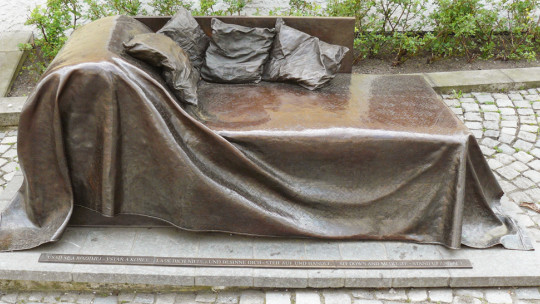
The most characteristic type of intervention of this current It is the psychoanalytic type cure, in which the transference neurosis is analyzed in deep. Classic elements of psychoanalysis, such as the use of the couch, the therapist’s abstinence, the globality of the therapeutic focus and the long duration of the treatment, are identified with the typical cure.
Psychoanalysis is a deep, intensive form of therapy that seeks to uncover repressed thoughts and emotions hidden in the unconscious mind. It is based on the original theories of Freud, who believed that unresolved conflicts from childhood often manifest as mental health problems in adulthood.
Goals of Psychoanalysis
The primary goal of psychoanalysis is to bring unconscious material into the conscious mind, allowing the patient to gain insight into their thoughts and behaviors. By understanding these hidden aspects of themselves, individuals can work through internal conflicts and reduce psychological distress.
Techniques in Psychoanalysis
Psychoanalysis involves several key techniques, including:
- Free Association: The patient is encouraged to speak freely about whatever comes to mind, without censorship. This allows the therapist to identify recurring themes or patterns that may indicate unconscious conflicts.
- Dream Interpretation: Freud believed that dreams are a window into the unconscious mind. Analyzing dreams can provide valuable insights into hidden desires, fears, and unresolved issues.
- Transference: In psychoanalysis, patients often project feelings about important figures in their lives (like parents) onto the therapist. This process, known as transference, is explored to gain a deeper understanding of the patient’s relationships and emotional experiences.
Psychodynamic therapies
Psychodynamic therapies are a series of interventions based on certain concepts of psychoanalytic theory. In particular, this type of psychotherapies focuses on active influence of unconscious processes in the conscious behavior, thought and emotions of the current moment.
These psychotherapies share fundamental elements with psychoanalysis, especially the emphasis on the unconscious and the theoretical anchoring in the contributions of Freud and his followers. However, the term “psychodynamic therapy” is used in opposition to “psychoanalysis” to differentiate the classical method from other more modernized and scientific methods.
There are a large number of therapies that fall into this category. Among them, Rogers’ client-centered therapy and Klerman and Weissman’s interpersonal therapy stand out in particular. More recently, other influential psychodynamic therapies have emerged such as mentalization therapy and time-limited psychotherapy.
Psychodynamic therapy, while rooted in the principles of psychoanalysis, is a more modern and flexible approach to therapy. It still focuses on the unconscious mind and early experiences but is less intense and often more focused on current relationships and life challenges.
Goals of Psychodynamic Therapy
The main goal of psychodynamic therapy is to help individuals understand how their past experiences, particularly childhood events, shape their current behaviors and emotions. It aims to provide insight into how these patterns influence their current relationships and coping mechanisms, leading to personal growth and emotional healing.
Techniques in Psychodynamic Therapy
Unlike psychoanalysis, which is long-term and intensive, psychodynamic therapy tends to be shorter and more focused on specific issues. Some of the techniques include:
- Exploration of Past Experiences: The therapist helps the patient explore past experiences and how they impact current feelings and behaviors.
- Focus on Relationships: A significant aspect of psychodynamic therapy is examining how early relationships affect current interpersonal dynamics.
- Interpretation of Emotional Conflicts: The therapist assists the patient in recognizing emotional conflicts that may be causing distress, helping them process these conflicts in healthier ways.
Differences between psychoanalysis and psychodynamic therapies
It is impossible to make definitive distinctions between psychoanalysis and psychodynamic therapies because both concepts overlap. However, broadly speaking we can establish a series of characteristics that are frequently used to distinguish between these two types of intervention.
Psychoanalysis and psychodynamic therapies both stem from the work of Sigmund Freud, but they differ in their approach, structure, and focus. Here are nine key differences that distinguish these two therapeutic models.
1. Origin and Focus
- Psychoanalysis emphasizes unconscious processes, childhood experiences, and repressed emotions, grounded in Freud’s theories.
- Psychodynamic therapies are an evolution of psychoanalytic principles, focusing more on understanding emotions and relationships with a modern perspective.
2. Duration
- Psychoanalysis is long-term, often requiring multiple sessions per week for several years.
- Psychodynamic therapy is generally shorter, with weekly sessions over months or years, but not as frequent or intense as psychoanalysis.
3. Therapist Role
- In psychoanalysis, the therapist remains more passive, allowing the client to free-associate.
- In psychodynamic therapy, the therapist takes a more active role, engaging in conversation and offering interpretations.
4. Focus on the Unconscious
- Psychoanalysis delves deeply into the unconscious mind, interpreting dreams and free associations.
- Psychodynamic therapy also considers the unconscious but places more emphasis on conscious experiences and current relationships.
5. Session Structure
- Psychoanalysis often involves lying on a couch with the therapist out of view to facilitate free association.
- In psychodynamic therapy, sessions usually occur face-to-face, with a focus on dialogue.
6. Frequency of Sessions
- Psychoanalysis typically requires multiple sessions per week.
- Psychodynamic therapy usually occurs once a week.
7. Goals
- The goal of psychoanalysis is to bring deeply repressed memories and feelings into consciousness to achieve catharsis.
- Psychodynamic therapy aims for insight and improved emotional functioning, focusing on patterns in relationships and behaviors.
8. Insight vs. Practical Change
- Psychoanalysis emphasizes deep psychological insight and understanding.
- Psychodynamic therapy seeks insight but also emphasizes practical changes in behavior and relationships.
9. Suitability
- Psychoanalysis is typically for people seeking profound self-understanding and willing to commit to long-term therapy.
- Psychodynamic therapy is more suitable for those looking for shorter, more focused therapy with quicker resolution of issues.
Both approaches aim to help clients understand their inner world, but they differ in method, intensity, and timeframe.
When to Choose Psychoanalysis
Psychoanalysis may be the right choice for individuals who:
- Are dealing with deep-seated emotional or psychological problems
- Have the time and resources to commit to long-term therapy
- Are looking for profound self-exploration and understanding
When to Choose Psychodynamic Therapy
Psychodynamic therapy is often the better choice for individuals who:
- Want a more practical, time-limited therapy
- Are dealing with specific life issues, such as relationship problems or emotional struggles
- Prefer a more collaborative approach with the therapist
While both psychoanalysis and psychodynamic therapy share common roots in Freud’s theories, they offer distinct therapeutic approaches. Psychoanalysis is a more intense and long-term exploration of the unconscious mind, suited for individuals seeking deep self-understanding. On the other hand, psychodynamic therapy is a more flexible, goal-oriented approach that addresses current life challenges and relationships, making it accessible for a wider range of people.
Understanding the differences between these two therapies can help individuals make informed decisions about which approach might be the most beneficial for their mental health needs.
FAQs
What is the main difference between psychoanalysis and psychodynamic therapy?
The main difference lies in the depth and duration. Psychoanalysis is more intensive and long-term, focusing on deep unconscious conflicts, while psychodynamic therapy is shorter, more goal-oriented, and addresses current life issues.
Is psychodynamic therapy as effective as psychoanalysis?
Both therapies can be effective, but they serve different purposes. Psychodynamic therapy is often more practical for addressing specific issues, while psychoanalysis is suited for those seeking profound self-exploration.
How long does psychodynamic therapy typically last?
Psychodynamic therapy usually lasts several months to a year, with sessions occurring once a week. However, the duration can vary depending on the individual’s needs.
Can I switch from psychodynamic therapy to psychoanalysis?
Yes, some individuals start with psychodynamic therapy and later transition to psychoanalysis if they feel they need deeper exploration of their unconscious mind.
Does psychoanalysis require a commitment to multiple sessions per week?
Yes, traditional psychoanalysis often involves 3-5 sessions per week, and it can last several years. It requires a significant time commitment.
Use this citation format to reference the article clearly and help readers find the original source.
PsychologyFor. (2024). 9 Differences Between Psychoanalysis and Psychodynamic Therapy. PsychologyFor. https://psychologyfor.com/9-differences-between-psychoanalysis-and-psychodynamic-therapy/