

See more of our articles in your search results.
Burping and anxiety chest pain are common symptoms of stress and tension. Treatment includes relaxation techniques, cognitive behavioral therapy and, in some cases, anti-anxiety medication prescribed by a health professional.
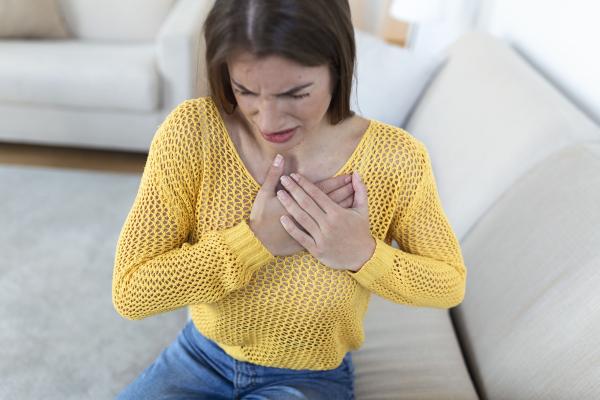
Anxiety is one of the mental health disorders that affects a large part of the world’s population. Although each case has characteristics that make it unique, there are guidelines that must be taken into account when intervening in specific symptoms such as belching or chest pain. In this PsychologyFor article, we will provide you with information about Burping and chest pain due to anxiety: symptoms and treatment.
Causes of chest pain due to anxiety
Chest pain from anxiety can have several underlying causes. Here we tell you the main ones:
- Fight or flight response: When a person feels anxious, the body activates the fight or flight response, releasing adrenaline and other stress hormones. This can cause an increase in heart rate and contraction of the chest muscles, which can cause pain.
- Hyperventilation: Anxiety often causes hyperventilation, or rapid, shallow breathing. This can reduce carbon dioxide levels in the blood, leading to symptoms such as dizziness, feeling short of breath, and chest pain.
- muscle tension: Anxiety can cause tension in the muscles of the chest and chest wall. This tension can result in pain or discomfort in the chest area.
- digestive problems: Anxiety can affect the digestive system, causing symptoms such as heartburn or gastroesophageal reflux, which often manifest as chest pain.
- panic attacks: During a panic attack, a person may experience chest pain along with other symptoms such as palpitations, sweating, shaking, and a feeling of impending doom.
- Life events: radical changes can influence the development of life. Here we can locate situations such as the loss of loved ones, romantic separations, job changes, moves, graduations, promotions or job dismissals, among others.
- Childhood traumas: Chest pain due to anxiety may be related to past situations that caused psychological damage. Moments that have not been processed and that provoke intense emotions.
ymptoms of chest pain due to anxiety
Anxiety chest pain can present a variety of symptoms. The most common are the following:
To detect this problem in time, it is essential to know some related manifestations. In this way, strategies can be implemented that promote favorable improvement. Next, we will talk about the chest pain symptoms for anxiety:
How many of these have you been "meaning to read" for months?
- 1
 THE LOST SKILLS ACADEMYThe Lost Skills of IndependenceBe Ready for Anything Life Throws at You - Hardcover-SpiralListen Free On Audible
 - 2
 A Navy SEALs Bug-In GuideA Navy SEAL's Bug-In GuideHow to Turn Your House into the Safest Place on EarthListen Free On Audible
 - 3
 Clarkson PotterHomemaking with BabsTips and Tricks for Making a House a HomeListen Free On Audible
- Sharp or stabbing pain: The pain is usually sharp, stabbing, or stabbing, and may last from a few seconds to several minutes.
- Sensation of pressure– Some people experience a feeling of pressure or heaviness in the chest, as if something is squeezing the area.
- Migratory pain: The pain may not be localized solely to the chest and may radiate to the neck, jaw, shoulders, or arms.
- Palpitations– You may experience palpitations or a feeling that your heart is beating irregularly or rapidly.
- Difficulty breathing: Anxiety chest pain can cause a feeling of shortness of breath or difficulty breathing, which in turn can aggravate the chest pain.
- Hyperventilation: The rapid, shallow breathing associated with anxiety can contribute to chest pain and other symptoms such as dizziness and feeling faint.
- Sweating: People with anxiety often sweat excessively, which can accompany chest pain.
- Nausea or stomach discomfort: Anxiety can cause gastrointestinal upset, sometimes manifesting as chest pain.
Beyond all these symptoms described, the isolated presence of any of them does not represent a clinical picture of anxiety. It is essential see a mental health professional so that the person is correctly evaluated and a treatment plan is established.

How to treat chest pain due to anxiety
Treating anxiety chest pain involves a combination of techniques to manage both the physical symptoms and the underlying anxiety. Discover how to treat this type of pain
- breathing techniques: Practicing deep, slow breathing can help reduce hyperventilation and relieve chest pain. Inhaling deeply through your nose, holding your breath for a few seconds, and exhaling slowly through your mouth can calm the nervous system.
- Progressive muscle relaxation: This method involves systematically tensing and then relaxing different muscle groups in the body, which can reduce muscle tension in the chest and decrease the perception of pain. In this article we propose different breathing exercises to calm anxiety.
- Cognitive behavioral therapy (CBT)– Helps identify and change negative or distorted thought patterns that contribute to anxiety. Learning to challenge these thoughts can reduce anxiety and, therefore, chest pain.
- Regular physical exercise: Like walking, running, or practicing yoga, you can reduce stress and anxiety levels, improving cardiovascular health and decreasing the frequency and intensity of anxiety-related chest pain.
- balanced diet: Although it is not the main cause, foods can increase or decrease anxiety. In cases of chest pain that have a psychological origin, it is advisable to eat a balanced diet of fruits, vegetables, legumes and cereals.
- Medication– In some cases, doctors may prescribe medications to help manage anxiety. This may include anti-anxiety or antidepressants, which can reduce the incidence of panic attacks and associated chest pain.
How to prevent chest pain from anxiety
Preventing anxiety chest pain requires strategies to manage anxiety effectively and maintain a healthy lifestyle. Discover the most effective ones below:
- Identify the emotions that cause you discomfort: Many times, anxiety appears as an unfavorable response to what is perceived as a danger. To avoid this, recognize the emotions, thoughts and behaviors that trigger it.
- Seek social support: spaces of belonging are fundamental for well-being and personal development. Maintaining healthy social relationships and seeking support from friends and family can provide an emotional safety net.
- Practice stress management techniques: Reserve time for activities that relax you and make you feel good, such as reading, listening to music or taking a walk, it can reduce daily stress levels.

This article is merely informative, at PsychologyFor we do not have the power to make a diagnosis or recommend a treatment. We invite you to go to a psychologist to treat your particular case.
If you want to read more articles similar to Belching and chest pain due to anxiety: symptoms and treatment we recommend that you enter our Clinical Psychology category.
References:
- Chacón Delgado, E., De la Cera, D., Fernández Lara, M., Murillo Arias, R. (2021). Generalities about anxiety disorder. Cúpula Magazine, 35 (1), 23-36.
Use this citation format to reference the article clearly and help readers find the original source.
PsychologyFor. (2024). Belching and Chest Pain Due to Anxiety: Symptoms and Treatment. PsychologyFor. https://psychologyfor.com/belching-and-chest-pain-due-to-anxiety-symptoms-and-treatment/