


See more of our articles in your search results.
You’ve tried talk therapy, maybe a twelve-step program, maybe medication, and something still feels incomplete, like your recovery lives entirely in your head while your body carries all the old panic and shame it’s never actually released. Then someone suggests standing quietly next to a fifteen-hundred-pound animal that can read your nervous system better than most humans can, and the idea sounds strange until you try it. Horse therapy for addiction recovery isn’t a gimmick borrowed from wellness culture; it’s a structured, increasingly studied complementary approach built on something horses have always been remarkably good at: sensing what people are actually feeling, not what they’re saying.
If you’re exploring this because standard treatment has felt too clinical, too verbal, or somehow disconnected from the body where so much addiction-related distress actually lives, that instinct deserves real consideration. Many people in recovery describe years of talking about their trauma and cravings without ever feeling like their nervous system settled down in the process. Horses, prey animals wired for extraordinary sensitivity to subtle shifts in human tone, posture, and breathing, offer something genuinely different: immediate, honest, nonverbal feedback that’s nearly impossible to fake your way through, which is part of why equine-assisted therapy has drawn growing interest from addiction treatment programs.
So what exactly does working with a horse do for someone recovering from addiction?
This article breaks down what current research and clinical practice reveal about the benefits of horse therapy for addiction treatment, covering the mechanisms behind it, what a session actually looks like, and where the evidence still needs to grow before drawing firm conclusions.

How many of these have you been "meaning to read" for months?
- 1
 THE LOST SKILLS ACADEMYThe Lost Skills of IndependenceBe Ready for Anything Life Throws at You - Hardcover-SpiralListen Free On Audible
 - 2
 A Navy SEALs Bug-In GuideA Navy SEAL's Bug-In GuideHow to Turn Your House into the Safest Place on EarthListen Free On Audible
 - 3
 Clarkson PotterHomemaking with BabsTips and Tricks for Making a House a HomeListen Free On Audible
What Is Horse Therapy and How Does It Support Addiction Treatment?
Horse therapy, more formally called equine-assisted therapy or equine-assisted psychotherapy, involves structured interactions with horses under the guidance of trained professionals to support psychological healing, and it functions as a complementary addition to standard addiction treatment rather than a replacement for it.
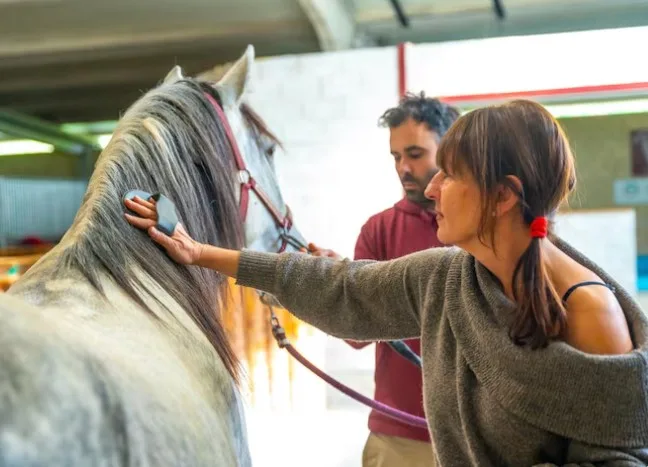
Most clinical models, including the widely used EAGALA model (Equine Assisted Growth and Learning Association), keep clients on the ground rather than riding, focusing entirely on how a person interacts with a horse in an arena or pasture setting. A licensed mental health professional and a trained equine specialist typically co-facilitate sessions together, observing how clients approach, handle, and respond to the horse’s behavior in real time.
This ground-based structure matters clinically. Riding-focused programs emphasize skill-building and physical activity, while psychotherapy-focused equine models use the horse’s responses as a kind of living feedback mechanism, revealing patterns in trust, control, anxiety, or avoidance that might otherwise stay hidden in a traditional talk-therapy setting. The horse doesn’t interpret or judge; it simply reacts honestly.
Addiction researcher Nora Volkow, director of the National Institute on Drug Abuse, has emphasized that effective addiction treatment increasingly recognizes the value of approaches addressing the body and nervous system alongside cognitive and behavioral work, not instead of it. Horse therapy fits within that broader, more integrative treatment philosophy, adding a body-based dimension to recovery programs built primarily around talk-based methods.
What Are the Core Benefits of Equine Therapy for Addiction Recovery?
Equine therapy offers several documented and emerging benefits for people in addiction recovery, including improved emotional regulation, increased treatment engagement, reduced physiological stress, and opportunities to practice trust and healthy boundaries in a low-stakes, nonjudgmental setting.
- Improved emotional regulation, since horses respond strongly to a person’s internal state, encouraging clients to notice and manage their emotions in real time.
- Increased treatment engagement and retention, with several studies linking equine-assisted programs to higher rates of program completion.
- Reduced physiological stress markers, including measurable decreases in cortisol during structured equine interactions in some research settings.
- Practice with trust and boundaries, offering a tangible, embodied way to rebuild relational skills often damaged by addiction.
- A nonverbal outlet for emotional expression, useful for clients who struggle to articulate feelings directly in traditional talk therapy.
These benefits generally function best as a complement to established addiction treatment, medical detox when needed, medication-assisted treatment, and evidence-based psychotherapy, rather than as a standalone intervention. Most reputable equine programs are explicitly designed this way, integrated into a broader treatment plan rather than offered in isolation.
It’s worth being direct about the evidence base here too. Current research shows genuinely promising signals, particularly around engagement and emotional outcomes, but the field still lacks the large, rigorously controlled trials that exist for treatments like cognitive behavioral therapy. That doesn’t make horse therapy ineffective; it means enthusiasm should stay proportionate to the evidence currently available.
How Does Horse Therapy Help Build Trust and Emotional Awareness?
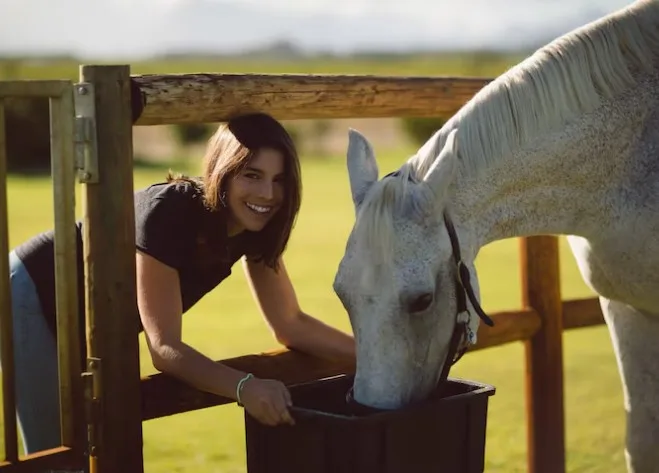
Horse therapy builds trust and emotional awareness by placing clients in a relationship where a horse’s response depends entirely on the client’s own emotional state and behavior, creating an immediate, embodied feedback loop that talk therapy alone often can’t replicate.
Horses are prey animals, and their survival has historically depended on reading subtle cues, tension, unpredictability, sudden movement, with remarkable speed and accuracy. When a client approaches a horse while anxious, distracted, or emotionally guarded, the horse often responds by pulling away, becoming skittish, or refusing to cooperate. That reaction isn’t punishment; it’s simply an honest, unfiltered mirror of what the client is projecting, whether they’re consciously aware of it or not.
This dynamic creates a uniquely direct kind of learning. Clients often discover, sometimes for the first time, how their internal state visibly affects another living being’s behavior, without a therapist needing to explain the connection verbally. Author and equine-assisted psychotherapy practitioner Leif Hallberg, whose clinical writing has shaped how many programs structure this work, has described this feedback as a form of embodied insight that talk-based methods frequently struggle to produce on their own.
Over repeated sessions, clients typically learn to approach the horse more calmly and consistently, and that shift often generalizes beyond the arena. Building genuine trust with an animal that offers no social performance, no small talk, and no ability to be manipulated verbally can meaningfully rebuild a client’s confidence in their own capacity for authentic connection, something addiction frequently damages severely.
Can Working With Horses Reduce Stress and Lower Cortisol Levels?
Yes, some controlled research has found that structured interaction with horses can reduce physiological stress markers, including cortisol, a hormone closely tied to the body’s stress response and one that’s frequently dysregulated in people recovering from substance use disorders.
Researcher Patricia Pendry, whose work at Washington State University has examined equine-facilitated programs using rigorous, randomized designs, found that participants in structured equine activities showed measurably lower afternoon cortisol levels compared to a waitlisted control group. While that particular research focused on a general population rather than people specifically in addiction treatment, the underlying mechanism, calming the body’s stress response through structured animal interaction, has clear relevance for addiction recovery specifically.
This matters because chronic stress and dysregulated cortisol patterns are strongly linked to relapse risk. Early recovery often involves a hypersensitive stress response, where minor triggers can feel disproportionately overwhelming, partly due to the same neurochemical systems that substance use had been artificially regulating for months or years beforehand.
Equine-assisted sessions targeting this physiological dimension directly, rather than only addressing thoughts and behaviors, may offer a genuinely complementary angle on relapse prevention. That said, more addiction-specific research using rigorous designs is still needed before drawing firm conclusions about how consistently this stress-reduction effect translates into better long-term recovery outcomes.

How Does Equine Therapy Support Emotional Regulation in Recovery?
Equine therapy supports emotional regulation by requiring clients to consciously manage their internal state in order to work effectively with a horse, creating repeated, low-stakes practice in calming down, staying present, and tolerating discomfort without immediately reacting.
Substance use often develops, at least partly, as a maladaptive strategy for managing difficult emotions quickly and effectively, even at significant long-term cost. Recovery requires building alternative regulation skills, and equine sessions offer a uniquely embodied practice space. A horse’s immediate, visible reaction to a client’s rising anxiety or frustration provides real-time feedback that’s considerably harder to ignore than a therapist simply asking, “how are you feeling right now.”
This process tends to unfold gradually rather than dramatically. A client might notice, session after session, that staying calm and grounded produces smoother interactions with the horse, gradually reinforcing the practical, felt value of emotional regulation rather than treating it as an abstract therapeutic goal discussed only in conversation.
Psychiatrist Bessel van der Kolk, whose extensive research on trauma’s effects on the body has shaped modern understanding of body-based therapeutic approaches, has emphasized that healing from trauma, deeply intertwined with addiction for many people, often requires interventions that engage the body directly rather than relying purely on cognitive or verbal processing. Equine therapy fits squarely within that broader category of somatic, body-inclusive treatment.
What Role Does Nonverbal Communication Play in Horse Therapy?
Nonverbal communication forms the entire foundation of horse therapy, since horses respond primarily to body language, tone, and energy rather than spoken words, making sessions especially valuable for clients who struggle to express themselves verbally or who intellectualize their way around difficult emotions.
Many people with substance use disorders have developed considerable skill at managing conversations, minimizing concerns, deflecting difficult questions, and presenting a version of themselves that sounds fine even when it isn’t. Horses are essentially immune to this kind of verbal management. A horse doesn’t care how convincingly someone explains that they’re calm; it responds to actual physiological signals the body is sending, regardless of what the mouth is saying.
This creates a genuinely useful diagnostic and therapeutic opportunity. A client who insists they’re not anxious, while a horse visibly reacts to tension in their shoulders or unsteady breathing, receives immediate, undeniable information about the gap between their self-report and their actual state. That gap, once noticed, becomes something a skilled facilitator can explore directly.
Over time, sessions built around this kind of feedback can help clients develop greater interoceptive awareness, a clearer sense of what’s actually happening in their body moment to moment. That awareness matters enormously for recovery, since many people describe losing touch with their own internal signals during years of substance use, making early warning signs of stress or craving harder to recognize before they escalate.
How Does Horse Therapy Address Underlying Trauma Linked to Addiction?
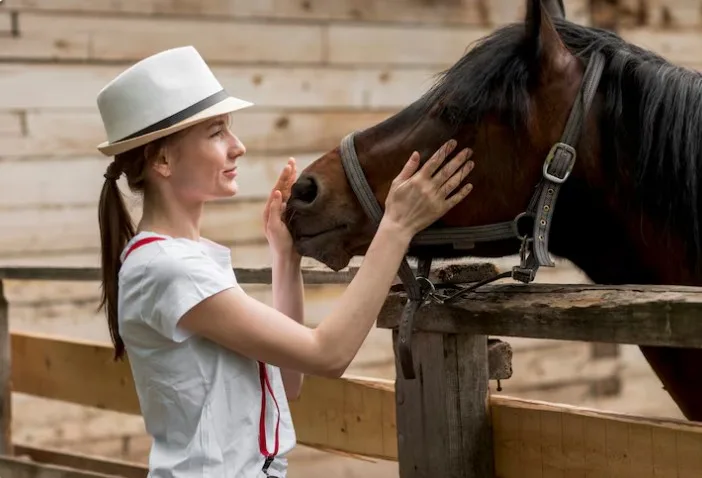
Horse therapy addresses trauma linked to addiction by offering a nonthreatening, body-based relational experience that can help clients practice safety, trust, and regulation without the direct verbal confrontation that traditional trauma processing sometimes requires prematurely.
The connection between trauma and addiction is well established; a substantial proportion of people with substance use disorders report significant trauma histories, often using substances initially as an attempt to manage overwhelming, unprocessed emotional pain. Traditional trauma therapy, while genuinely effective for many, can feel too directly confrontational for some clients early in treatment, particularly before enough emotional stability has been established to tolerate that intensity.
Equine sessions offer a gentler entry point. Building a relationship with a horse, learning to read its cues, negotiating trust gradually, can mirror many of the same relational dynamics involved in trauma recovery, safety, consistency, repair after moments of disconnection, without requiring a client to verbally revisit specific traumatic memories before they’re ready.
This doesn’t mean equine therapy replaces trauma-focused treatment methods with strong evidence bases of their own. It functions best as a complementary, body-oriented bridge, potentially making clients more receptive to deeper trauma work later, precisely because they’ve had a chance to rebuild a felt sense of safety and connection through a lower-stakes relational experience first.
Does Horse Therapy Improve Treatment Retention and Completion Rates?
Some research suggests equine-assisted programs may improve treatment retention and completion rates among people with substance use disorders, though the evidence remains limited in scale and would benefit from larger, more rigorously controlled studies before drawing definitive conclusions.
| Study Focus | General Finding |
| Adolescent SUD treatment with equine component | Higher rates of remaining in treatment past 90 days |
| Complementary horse-assisted therapy programs | Higher treatment completion in some cohort comparisons |
| Qualitative client interviews | Increased motivation and self-efficacy reported consistently |
Researcher Anne Kern-Godal, whose studies on complementary horse-assisted therapy within Norwegian addiction treatment programs have contributed meaningfully to this literature, found that adolescents participating in an equine-assisted component alongside standard treatment showed significantly better odds of remaining engaged in treatment over time compared to those receiving standard care alone. This kind of retention effect matters enormously in addiction treatment generally, since early dropout remains one of the field’s most persistent, stubborn challenges.
Qualitative findings across several studies point toward a consistent explanation: clients frequently describe equine sessions as a welcome, meaningfully different break from more clinical, conversation-heavy treatment formats, one that increases their overall motivation to keep showing up. That motivational boost, even if difficult to measure precisely, may partly explain the retention benefits observed in several smaller studies.
Still, sample sizes across this research area remain small, and few studies use randomized designs capable of ruling out other explanations. Treating these retention findings as genuinely promising, while withholding firm conclusions until larger studies replicate them, reflects the most scientifically honest current position.
What Does a Typical Equine-Assisted Therapy Session Look Like?
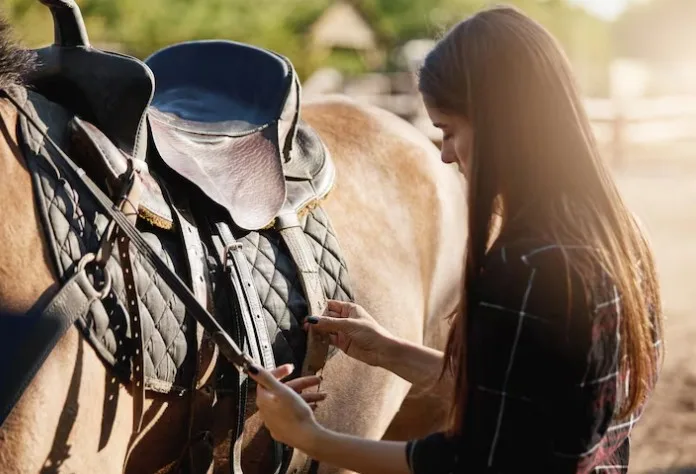
A typical equine-assisted therapy session for addiction recovery generally takes place in an arena or paddock, involves no riding, and centers on structured activities like approaching, grooming, or leading a horse while a mental health professional and equine specialist observe and guide the process together.
- Set a specific therapeutic goal for the session, often related to trust, boundaries, communication, or emotional regulation.
- Introduce a structured activity with the horse, such as leading it through an obstacle or simply approaching it calmly.
- Observe the horse’s real-time response to the client’s behavior, using it as a live, nonverbal source of feedback.
- Process the experience verbally afterward, connecting what happened with the horse to broader patterns in the client’s life and recovery.
Sessions typically last around 45 minutes to an hour and occur weekly or biweekly, often as one component within a broader treatment schedule that includes individual counseling, group therapy, and, when appropriate, medication management. No prior horse experience is required, and clients aren’t expected to ride or handle horses independently without professional guidance.
The debriefing conversation afterward carries real clinical weight. A skilled facilitator helps connect specific in-the-moment observations, hesitation approaching the horse, difficulty maintaining a calm, steady presence, to broader recovery themes like fear of vulnerability or difficulty trusting others, translating an embodied experience into genuinely usable therapeutic insight.
What Does the Research Say About Horse Therapy’s Effectiveness?
Current research on horse therapy for addiction shows promising but inconclusive results, with several smaller studies reporting improved retention, motivation, and emotional outcomes, while systematic reviews consistently note methodological limitations that prevent firm conclusions about overall effectiveness.
A scoping review examining equine-assisted services specifically for substance use disorders found potential positive effects on treatment retention and mental health outcomes, alongside consistent qualitative reports of increased self-efficacy and motivation among participants. The same review, though, explicitly cautioned that small sample sizes and inconsistent study designs across the existing literature limit how confidently these findings can be generalized.
Addiction neuroscience researcher George Koob, director of the National Institute on Alcohol Abuse and Alcoholism, has emphasized more broadly that effective addiction treatment often benefits from multiple, complementary approaches addressing different dimensions of recovery, neurobiological, psychological, and relational, rather than relying on a single intervention alone. That framework supports considering horse therapy as one legitimate piece of a larger treatment puzzle, even while its specific evidence base continues developing.
Responsible expectations matter here. Horse therapy shows genuine promise as a complementary tool, particularly for engagement and emotional processing, but it hasn’t yet accumulated the kind of large-scale, randomized evidence base that supports treatments like medication-assisted treatment or established behavioral therapies. Treating it as one valuable option among several, rather than a standalone solution, reflects where the current evidence actually stands.
Is Horse Therapy Right for Everyone in Addiction Recovery?
Horse therapy isn’t right for everyone in addiction recovery, since some people have physical limitations, allergies, fears of animals, or simply prefer other therapeutic modalities, and its effectiveness likely depends significantly on individual comfort and openness to this particular kind of experiential work.
People with significant animal allergies or physical mobility restrictions may find equine environments genuinely impractical, regardless of any potential psychological benefit. Similarly, someone with an intense, pre-existing fear of large animals might find the setting more distressing than therapeutic, at least initially, and thoughtful programs typically screen for this kind of mismatch before enrolling clients in equine-based components.
Personality and learning style also matter considerably here. Clients who respond well to highly experiential, body-based learning often report strong benefit from equine work, while those who prefer purely verbal, analytical processing might find more value concentrating on traditional talk therapy or cognitive behavioral approaches instead. Neither preference is right or wrong; effective treatment increasingly recognizes that different people respond to different combinations of methods.
The most reasonable approach treats horse therapy as one option to discuss with a treatment team, weighing individual circumstances, preferences, and any physical or psychological contraindications, rather than assuming universal benefit or dismissing it outright as unproven or unnecessary. Recovery paths genuinely vary, and having more evidence-informed options available generally strengthens, rather than complicates, a well-designed treatment plan.
FAQs about Horse Therapy for Addiction Treatment
Is horse therapy a proven treatment for addiction on its own?
No, horse therapy is not currently considered a standalone, proven treatment for addiction, and no reputable program presents it that way. Current research suggests it may offer meaningful benefits as a complementary addition to established treatments like medication-assisted treatment, individual counseling, and group therapy, particularly around engagement, motivation, and emotional regulation. However, the overall research base remains limited in scale, with small sample sizes and inconsistent study designs across existing literature. Responsible treatment programs integrate equine-assisted components alongside, not instead of, evidence-based addiction treatment. Anyone considering this approach should discuss it with a treatment team to understand how it might fit within a broader, individualized recovery plan rather than viewing it as a replacement for medically supervised or clinically established interventions.
Do I need horse riding experience to try equine-assisted therapy?
No, most therapeutic equine programs, particularly those following ground-based models like the EAGALA approach, involve no riding whatsoever and require zero prior experience with horses. Sessions typically involve activities like approaching, grooming, or leading a horse on the ground, guided closely by a trained equine specialist alongside a licensed mental health professional. The therapeutic value comes from the relational and emotional dynamics of the interaction itself, not from equestrian skill or riding technique. This accessibility is actually part of the model’s design, since requiring specialized skill would limit who could meaningfully participate and would shift focus away from the psychological and emotional work that ground-based equine therapy is specifically structured to support.
How is horse therapy different from just spending time with animals generally?
While both can offer some emotional benefit, structured equine-assisted psychotherapy differs from casual animal interaction in several important ways. Sessions are guided by trained professionals, often including both a licensed therapist and a certified equine specialist, following a structured therapeutic model with specific clinical goals in mind. The horse’s size and heightened sensitivity to human body language and emotional state also create a distinctly different, more immediate feedback dynamic than interactions with smaller companion animals typically provide. Additionally, therapeutic debriefing after each session, connecting what happened with the horse to broader patterns in a client’s life and recovery, is a core structured component that distinguishes clinical equine therapy from simply enjoying time around animals recreationally.
Can horse therapy help with cravings specifically?
Horse therapy doesn’t directly target cravings the way certain medications or specific behavioral techniques do, but it may indirectly support craving management by improving emotional regulation and reducing physiological stress, both of which are closely linked to craving intensity and relapse risk. Some research suggests structured equine interaction can lower cortisol and support a calmer physiological baseline, potentially making someone somewhat more resilient when cravings do arise. That said, this remains an indirect, supportive mechanism rather than a targeted intervention for cravings specifically. People experiencing significant cravings should still rely on established craving management strategies, including medication when appropriate, alongside any complementary approaches like equine therapy they find personally beneficial.
Is horse therapy covered by insurance for addiction treatment?
Coverage varies considerably depending on location, insurance provider, and how a specific program structures and bills for equine-assisted components within broader addiction treatment. Some residential and outpatient programs include equine therapy as part of a bundled treatment fee, effectively covering it within the overall program cost, while standalone equine therapy sessions billed separately may face more inconsistent insurance coverage. Given how much this varies, anyone interested in this approach should directly contact both their insurance provider and the specific treatment program to clarify costs and coverage before committing. Some programs also offer sliding-scale fees or grant-funded equine components specifically to improve accessibility for clients facing financial barriers.
What kind of professional runs an equine-assisted therapy session?
Reputable equine-assisted psychotherapy sessions are typically co-facilitated by two professionals working together: a licensed mental health professional, such as a therapist or counselor, who guides the psychological and therapeutic dimension of the work, and a certified equine specialist who manages horse safety, behavior, and welfare throughout the session. This team-based structure, central to models like EAGALA, ensures both the client’s psychological needs and the horse’s wellbeing receive appropriate, specialized attention simultaneously. Programs lacking this dual professional structure, particularly those without a licensed mental health provider directly involved, should be approached with caution, since the therapeutic value of this approach depends significantly on skilled clinical facilitation, not simply proximity to horses.
Are there risks or downsides to equine-assisted therapy for addiction?
Yes, though they’re generally manageable with proper screening and facilitation. Physical risks exist any time large animals are involved, though reputable programs implement significant safety protocols and never require riding, which meaningfully reduces injury risk compared to equestrian sports. Psychologically, some clients may find the experience emotionally intense or initially frustrating if a horse doesn’t respond the way they hope, though skilled facilitators use these moments therapeutically rather than treating them as failures. There’s also a genuine risk of programs overstating equine therapy’s evidence base or presenting it as a standalone cure, which is why choosing programs that clearly position it as a complementary, not primary, treatment component matters considerably for setting appropriate expectations.
How many sessions of horse therapy are typically needed to see benefits?
There’s no universally established number, since research in this area remains limited and individual responses vary considerably based on personal history, treatment goals, and how the equine component integrates with someone’s broader treatment plan. Many structured programs run weekly or biweekly sessions over a period of several weeks to a few months, allowing enough repetition for clients to notice and build on emerging patterns in their interactions with the horse. Some clients report meaningful shifts in self-awareness within just a handful of sessions, while deeper changes in trust and emotional regulation often develop more gradually over a longer engagement. As with most complementary therapeutic approaches, consistency and integration with overall treatment tend to matter more than reaching any specific fixed session count.
Bibliography
- Kern-Godal, A., Brenna, I. H., Kogstad, N., Arnevik, E. A., & Ravndal, E. (2016). Substance Use Disorder Treatment Retention and Completion: A Prospective Study of Horse-Assisted Therapy. Substance Abuse Treatment, Prevention, and Policy, 11, 21.
- Pendry, P., & Roeter, S. (2013). Experimental Trial Demonstrates Positive Effects of Equine Facilitated Learning on Adolescent Social Competence. Human-Animal Interaction Bulletin, 1(1), 1-19.
- Van der Kolk, B. (2014). The Body Keeps the Score: Brain, Mind, and Body in the Healing of Trauma. Viking.
- Hallberg, L. (2008). Walking the Way of the Horse: Exploring the Power of the Horse-Human Relationship. iUniverse.
- Volkow, N. D., Koob, G. F., & McLellan, A. T. (2016). Neurobiologic Advances from the Brain Disease Model of Addiction. New England Journal of Medicine, 374(4), 363-371.
- Koob, G. F., & Volkow, N. D. (2016). Neurobiology of Addiction: A Neurocircuitry Analysis. The Lancet Psychiatry, 3(8), 760-773.
- Kysar-Moon, A., Vasquez, M., & Luppen, T. (2022). Equine-Assisted Services for Individuals with Substance Use Disorders: A Scoping Review. Substance Abuse Treatment, Prevention, and Policy, 17, 79.
- Equine Assisted Growth and Learning Association. (2023). The EAGALA Model. EAGALA.
- Substance Abuse and Mental Health Services Administration. (2022). Complementary and Integrative Approaches in Substance Use Disorder Treatment. SAMHSA.
Use this citation format to reference the article clearly and help readers find the original source.
PsychologyFor. (2026). Benefits of Horse Therapy to Treat Addictions. PsychologyFor. https://psychologyfor.com/benefits-of-horse-therapy-to-treat-addictions/