


See more of our articles in your search results.
Bipolar disorder is a mental illness that causes mood disturbances. It is called bipolar because there are two poles, one where depression predominates and the other where mania or hypomania predominates. This means that the person experiences alternately or sometimes even at the same time periods where symptoms of depression appear (being sad, depressed, with feelings of uselessness, not wanting to do anything, with catastrophic and extremely negative thoughts, tired, etc.) and the other side of this disorder is mania, so the person also experiences symptoms typical of it (they feel capable of doing everything they set their mind to, which leads them to take great risks, they have excess of energy, euphoria, irritability, hyperactivity, extroverted, etc.). Bipolar disorder is a fairly serious problem and currently 1 in 15 people have it.
In this PsychologyFor article: bipolar disorder – symptoms in womenwe are going to learn in more detail what this disorder consists of, the types that exist, what are the symptoms of bipolar disorder in women, the consequences it can bring and the treatment that must be followed to overcome it.
Bipolar disorder: type
Type I
The person experiences at least one manic phasewhich has lasted more than a week. Some people may experience only manic phases, however, most will also have depressive episodes. For example, the person may feel sad, not wanting to do anything, stay in bed all day and suddenly get up and feel like the happiest person in the world, talk to people, do business, dance, sing, etc., or On the contrary, being in a manic and effusive state and suddenly finding yourself depressed.
Type II
The person experiences more than one severe depressive phase but only moderate manic or hypomanic phases. Generally, it is less severe than type I.
Cyclothymia
It is characterized by changes in moodwhich are not as intense as in bipolar disorder. However, these can last longer and can eventually develop into full-blown bipolar disorder.
How many of these have you been "meaning to read" for months?
- 1
 TarcherThe Artist's Way30th Anniversary EditionListen Free On Audible
 - 2
 New Harbinger PublicationsThe Dialectical Behavior Therapy Skills WorkbookPractical DBT Exercises for Learning Mindfulness, Interpersonal Effectiveness, Emotion Regulation...Listen Free On Audible
 - 3
 New Harbinger PublicationsAdult Children of Emotionally Immature ParentsHow to Heal from Distant, Rejecting, or Self-Involved ParentsListen Free On Audible
ymptoms of bipolar disorder in women
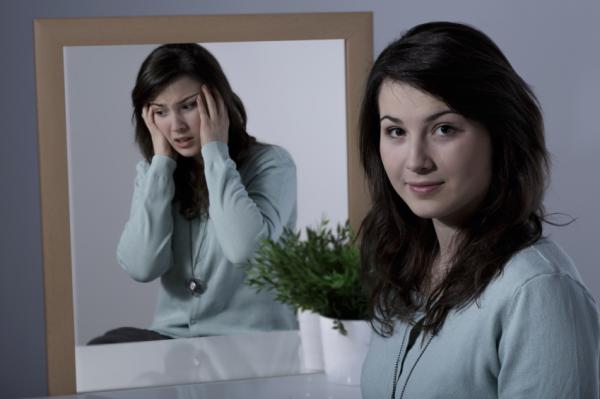
This disorder occurs in both men and women, the difference is that mania predominates in men and depression predominates in women. Women are often more vulnerable due to hormonal changes. It has also been found that there is an increased risk of developing bipolar II disorder in women. Some of the symptoms of this condition in women are the following:
- They present a greater number of depressive symptoms.
- Greater likelihood of having suicide attempts.
- Anxiety.
- Eating disorders may appear.
- Pregnancy increases bipolar symptoms.
- Irritability.
- During the manic episode, they may show an increase in self-esteem and this is seen in verbosity (tendency to talk continuously without stopping).
- Weight gain due to inactivity.
- They experience the worst mood swings during menstruation.
- They may experience relapses within 3 to 6 months after delivery.
- During the postpartum period, psychotic disorders may appear (the person may experience delusions and visual or auditory hallucinations).
Consequences of bipolar disorder
When the person who suffers from this disorder does not receive treatment, they can have serious complications in one or more areas of your life. Some of these complications are generally the following:
- Economic problems because when they are in periods of euphoria they can make large expenses and unnecessary investments.
- They are more likely in episodes of euphoria to have high-risk sexual relations, which can cause sexually transmitted diseases and unwanted pregnancies.
- Problems related to substance abuse such as alcohol and drugs.
- Legal problems, since they may feel that they are capable of achieving everything they set out to do and take many risks without thinking about the possible consequences.
- Problems in the relationship due to sudden changes in mood and lack of understanding of this condition.
- Poor school and academic performance. These people can perform their work excellently when they are in a state of euphoria that is not so exaggerated. However, when depressive episodes appear, they may even abandon school or work.
- Sleep problems.
- Isolate themselves because they may have problems with other people, especially women, since in depressive states a great feeling of loneliness usually appears.
- Lithium is a mood stabilizer that is generally used to treat this condition, however, it causes women to have a higher risk of developing hypothyroid problems.
Bipolar disorder: treatment
There are things that a person with this illness can do to ensure that their moods do not end up turning into episodes of depression or mania. However, all people with this type of disorder necessarily need to be treated by a professional. The treatment consists of the following:
Medication
The administration of some drugs is necessary to maintain stable mood and control manic and depressive episodes. Lithium It is a widely used mood stabilizer and can be used to control both manic and depressive phases. Lithium treatment must initially be administered by a psychiatrist, since for it to work it requires a dose that is not too low or too high because it can be toxic. However, once the correct dosage is established, it can be administered by your GP. Lithium treatment can have unpleasant side effects but they usually disappear over time.
The psychiatrist also usually administers sodium valproatro and olanzapine. On the other hand, the carbamazepine It is indicated if you have rapid and frequent changes in mood. Sometimes, a combination of different medications is necessary, depending on the improvement experienced with each of them. Generally, an antidepressant medication is usually added to any mood stabilizer.
Psychotherapy
The cognitive behavioral therapy It has proven to be beneficial when supplemented with medication to treat this type of condition. This therapy consists of approximately 16 sessions, which will be divided into a period of 6 to 9 months. Among the main objectives of this therapy are to provide information to the person receiving treatment and family members about bipolar disorder, helping the person identify the moments in which their mood begins to change, applying techniques to prevent start having manic or depressive episodes and help her face and solve the problems that arise in her daily life.

This article is merely informative, at PsychologyFor we do not have the power to make a diagnosis or recommend a treatment. We invite you to go to a psychologist to treat your particular case.
If you want to read more articles similar to Bipolar disorder: symptoms in women we recommend that you enter our Clinical Psychology category.
Use this citation format to reference the article clearly and help readers find the original source.
PsychologyFor. (2024). Bipolar Disorder: Symptoms in Women. PsychologyFor. https://psychologyfor.com/bipolar-disorder-symptoms-in-women/