


See more of our articles in your search results.
A patient sits across from a psychiatrist and says, with complete conviction, that their body is changing into a wolf. Not metaphorically. Not as a dream they can’t shake. They describe fur growing along their arms, claws replacing fingernails, an overwhelming urge to hunt, and they believe every word of it. This isn’t folklore dressed up for a horror movie. It’s a real, documented psychiatric phenomenon called clinical lycanthropy, and it’s rarer, stranger, and more clinically fascinating than almost anyone expects.
What makes this condition so unsettling isn’t just the animal transformation itself. It’s the totalizing nature of the delusion, the fact that a person’s entire sense of physical identity can shift this dramatically while their capacity for logical thought elsewhere remains largely intact. Family members often describe watching someone they love insist, with total sincerity, that they’re becoming something inhuman, and the emotional toll of that experience, for both the patient and everyone around them, is genuinely significant. This isn’t a condition anyone chooses or fakes for attention. It emerges from serious underlying psychiatric or neurological processes that deserve careful, compassionate understanding rather than sensationalism.
So what’s actually happening inside the brain when someone develops this specific, animal-themed delusion?
This guide explains what clinical lycanthropy is, its documented symptoms and causes, real historical cases, and the treatment approaches that genuinely help.
What Is Clinical Lycanthropy?
Clinical lycanthropy is a rare psychiatric syndrome in which a person holds the persistent delusional belief that they are transforming into, or have already become, a wolf or another non-human animal. It’s classified as a specific type of delusion rather than a standalone diagnosis, typically occurring alongside other serious psychiatric conditions.
How many of these have you been "meaning to read" for months?
- 1
 TarcherThe Artist's Way30th Anniversary EditionListen Free On Audible
 - 2
 New Harbinger PublicationsThe Dialectical Behavior Therapy Skills WorkbookPractical DBT Exercises for Learning Mindfulness, Interpersonal Effectiveness, Emotion Regulation...Listen Free On Audible
 - 3
 New Harbinger PublicationsAdult Children of Emotionally Immature ParentsHow to Heal from Distant, Rejecting, or Self-Involved ParentsListen Free On Audible
Psychiatrist Jan Dirk Blom, whose extensive systematic research represents the most comprehensive modern review of documented cases, has described clinical lycanthropy as a genuine, if exceptionally rare, delusional misidentification syndrome involving a fundamental disturbance in body-based self-perception. His research collected dozens of case reports spanning centuries, confirming this isn’t merely a historical curiosity confined to folklore.
A few defining features distinguish clinical lycanthropy from cultural werewolf mythology:
- It’s a genuine psychiatric symptom, not a supernatural claim or performance.
- The animal identity isn’t always a wolf specifically; other species have been documented too.
- It typically occurs as one symptom within a broader underlying psychiatric condition, rather than existing independently.
Understanding this distinction matters considerably. The condition reflects a real disruption in how the brain constructs bodily self-identity, something that deserves serious clinical attention rather than dismissal as pure fantasy.

Where Does the Concept of Clinical Lycanthropy Come From?
The idea of human-to-animal transformation predates modern psychiatry by centuries, rooted in folklore long before clinicians began documenting it as a genuine medical phenomenon. Werewolf mythology across European cultures likely drew, at least partly, on real observed cases of this exact psychological presentation.
Historian Robert Eisler, whose extensive anthropological research examined the cultural and psychological roots of werewolf belief, argued that lycanthropic folklore likely emerged from a genuine intersection of psychiatric illness, cultural fear, and religious interpretation, particularly during periods when mental illness was widely attributed to supernatural or demonic causes. Someone exhibiting genuine lycanthropic delusions during the medieval period may well have been labeled a werewolf outright, with tragic consequences.
The transition from folklore to formal clinical documentation followed a rough progression:
- Pre-modern era — lycanthropic behavior interpreted through supernatural or religious frameworks, often resulting in persecution.
- 19th century — early psychiatric literature begins documenting animal transformation delusions as genuine mental illness symptoms.
- 1977 — psychiatrists Harvey Rosenstock and Kenneth Vincent publish an influential detailed case report, helping formalize modern clinical understanding.
- 2014 — Jan Dirk Blom’s comprehensive systematic review consolidates decades of scattered case literature into a unified clinical picture.
That last step mattered enormously for the field. Before Blom’s review, cases existed scattered across disparate journals, making the condition seem far rarer and more disconnected than it actually was.
What Are the Symptoms of Clinical Lycanthropy?
The core symptom is a fixed, unshakeable belief that one’s body is transforming into an animal, typically accompanied by behavioral changes that align with the perceived transformation. This belief resists correction even when directly confronted with contradictory physical evidence.
Patients often report vivid, specific sensory experiences tied to the delusion, feeling fur growing, perceiving their teeth as sharpening into fangs, or sensing an altered gait or posture consistent with a four-legged animal. These aren’t vague impressions; documented cases describe remarkably detailed, consistent sensory content.
- A fixed belief in physical transformation, resistant to reassurance or evidence.
- Behavioral changes mimicking animal movement, vocalization, or posture.
- Reported sensory distortions, including perceived changes in skin, teeth, or body shape.
- Sometimes accompanied by aggressive or predatory urges, consistent with the perceived animal identity.
Symptom severity and duration vary considerably across documented cases. Some episodes last hours or days during an acute psychiatric crisis; others have persisted for months as part of a more chronic underlying condition.

What Causes Clinical Lycanthropy? Underlying Psychiatric Conditions
Clinical lycanthropy doesn’t occur in isolation; it consistently appears as a symptom within broader, more serious psychiatric or neurological conditions. Identifying the underlying cause is essential for effective treatment.
Blom’s systematic review found that the condition most frequently co-occurs with schizophrenia and other psychotic disorders, though it has also been documented alongside severe mood disorders, particularly bipolar disorder during manic or mixed episodes. Substance-induced psychosis and certain neurological conditions affecting body perception have also produced cases in the recorded literature.
Documented underlying causes include:
- Schizophrenia spectrum disorders, representing the most commonly documented association in case reports.
- Severe mood disorders, particularly during acute manic or depressive psychotic episodes.
- Substance-induced psychosis, triggered by certain drugs affecting perception and body schema.
- Neurological conditions affecting the brain regions responsible for constructing bodily self-image.
It’s worth noting plainly that clinical lycanthropy is never a standalone diagnosis in modern psychiatric classification. It’s always understood as a specific delusional content occurring within a broader, identifiable psychiatric illness that requires its own dedicated treatment.
How Is Clinical Lycanthropy Diagnosed?
Diagnosis requires a thorough psychiatric evaluation aimed at identifying both the specific delusional content and the underlying condition driving it. There’s no standalone diagnostic test; the process relies heavily on clinical interview and history.
Clinicians typically assess the duration, consistency, and conviction level of the belief, distinguishing genuine delusion from cultural role-play, intoxication-related confusion, or, in rare cases, deliberate deception. A careful psychiatric history helps identify whether the lycanthropic symptom fits within a recognizable pattern, such as an existing schizophrenia diagnosis or a documented manic episode.
A typical diagnostic process includes:
- A comprehensive psychiatric interview exploring the onset, content, and conviction of the belief.
- Medical and neurological screening to rule out organic causes affecting body perception.
- Assessment for co-occurring psychotic symptoms, including hallucinations or other delusions.
- Review of substance use history, given documented links to substance-induced presentations.
Because the condition is so rare, many clinicians will never personally encounter a case throughout their entire career. That rarity makes accurate historical documentation, like Blom’s review, especially valuable for guiding diagnosis when it does occur.

Clinical Lycanthropy vs Other Delusional Misidentification Syndromes
Clinical lycanthropy belongs to a broader family of conditions involving distorted identity or misidentification, and comparing it to related syndromes clarifies what makes it distinct. Each of these conditions reflects a different specific disruption in self- or other-recognition.
| Syndrome | Core Delusional Content |
|---|---|
| Clinical lycanthropy | Belief in transforming into an animal |
| Capgras syndrome | Belief that a loved one has been replaced by an impostor |
| Cotard’s syndrome | Belief that one is dead or does not exist |
| Fregoli syndrome | Belief that different people are actually one person in disguise |
Psychiatrist Joseph Capgras, whose namesake syndrome remains far more widely documented than clinical lycanthropy, helped establish the broader category of delusional misidentification syndromes, conditions united by a shared disruption in how the brain processes identity and recognition. Clinical lycanthropy sits within this family but targets the self’s own body rather than external people, making it a genuinely distinct and rarer presentation.
Real Documented Cases of Clinical Lycanthropy
Despite its rarity, clinical lycanthropy has been documented across multiple case reports spanning several decades, providing valuable insight into how the condition actually presents clinically. These aren’t sensationalized accounts; they’re careful psychiatric documentation.
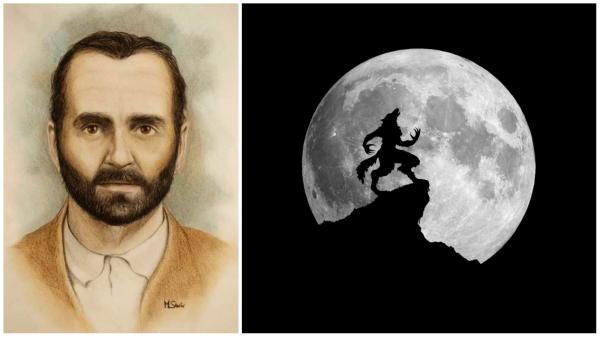
The influential 1977 case report published by Harvey Rosenstock and Kenneth Vincent described a patient with a schizoaffective disorder who experienced a genuine, sustained belief in wolf transformation, complete with corresponding behavioral changes and detailed sensory descriptions of physical change. This case became a frequently cited reference point in subsequent psychiatric literature on the condition.
Jan Dirk Blom’s comprehensive 2014 review compiled and analyzed a substantial collection of documented cases spanning multiple centuries, finding notable consistency in core symptoms despite vastly different cultural and historical contexts. A few patterns emerged clearly across this body of case literature:
- Most documented cases involved wolf transformation specifically, though other animals have appeared occasionally.
- Nearly all cases occurred alongside a clearly identifiable underlying psychiatric condition.
- Symptom resolution generally followed successful treatment of the underlying disorder, rather than requiring separate intervention.
How Is Clinical Lycanthropy Treated?
Treatment focuses primarily on addressing the underlying psychiatric condition responsible for the delusion, rather than targeting the lycanthropic belief as an isolated symptom. This approach reflects standard psychiatric practice for delusional content generally.
When the underlying cause is a psychotic disorder like schizophrenia, antipsychotic medication typically represents the primary treatment, often producing significant improvement in the lycanthropic delusion alongside broader symptom reduction. Cases linked to mood disorders generally respond to mood-stabilizing medication, while substance-induced presentations often resolve once the substance is discontinued and the acute intoxication period passes.
A typical treatment approach includes:
- Accurate diagnosis of the underlying psychiatric or neurological condition driving the delusion.
- Appropriate pharmacological treatment, tailored to the specific underlying disorder identified.
- Supportive psychotherapy, helping the patient process the experience once acute symptoms improve.
- Family education and support, given how distressing and confusing this symptom can be for loved ones.
Documented case outcomes generally show good prognosis once the underlying condition receives appropriate treatment. The delusion itself, however dramatic it appears, tends to resolve alongside broader psychiatric stabilization rather than requiring a separate, specialized intervention.
Why Clinical Lycanthropy Remains So Rare and Misunderstood
Clinical lycanthropy’s extreme rarity, combined with its dramatic, folklore-adjacent content, has kept it largely outside mainstream psychiatric awareness despite genuine, credible documentation. This gap between rarity and public fascination creates real understanding problems.
Because werewolf mythology is so culturally embedded, cases of genuine clinical lycanthropy risk being sensationalized or dismissed as fabrication rather than treated with the clinical seriousness they warrant. That’s a real disservice to patients experiencing something genuinely distressing and disorienting, regardless of how unusual the specific delusional content sounds to outside observers.
A few factors contribute to ongoing misunderstanding:
- The condition’s extreme rarity means most clinicians have no direct experience diagnosing or treating it.
- Cultural association with fiction makes genuine cases harder for the public, and sometimes clinicians, to take seriously.
- Limited case volume restricts the ability to conduct large-scale systematic research comparable to more common psychiatric symptoms.
None of that diminishes the reality of the experience for the people living through it. If anything, it’s a reminder that even the strangest-sounding psychiatric symptoms deserve careful, non-judgmental clinical attention rather than casual dismissal.
FAQs about Clinical Lycanthropy
Is clinical lycanthropy an officially recognized psychiatric diagnosis?
It isn’t listed as a standalone diagnosis in the DSM-5, but it’s recognized in psychiatric literature as a specific delusional content occurring within broader diagnoses like schizophrenia or severe mood disorders. Clinicians classify it as a type of delusional misidentification syndrome rather than a disorder in its own right. This means treatment focuses on the underlying condition producing the delusion, rather than clinical lycanthropy being treated as an independent illness requiring a separate diagnostic code.
How common is clinical lycanthropy?
It’s extremely rare, with only a limited number of documented cases appearing in psychiatric literature across multiple centuries. Most practicing psychiatrists will never personally encounter a genuine case throughout their entire career, which is part of why comprehensive reviews compiling scattered historical case reports have been so valuable for understanding the condition’s actual clinical patterns. Its rarity doesn’t make it fake or exaggerated; it simply means large-scale research is genuinely difficult to conduct.
Can someone with clinical lycanthropy actually become violent or dangerous?
Some documented cases have included aggressive or predatory behavioral changes consistent with the perceived animal transformation, though this varies significantly between individuals and depends heavily on the underlying psychiatric condition involved. As with any acute psychotic symptom, risk assessment is an important part of clinical evaluation and treatment planning. It’s inaccurate to assume all cases involve dangerous behavior, since many documented cases primarily involved internal distress and altered self-perception without significant aggression toward others.
Is clinical lycanthropy related to werewolf folklore historically?
Many historians and researchers believe genuine cases of this psychiatric presentation likely contributed to werewolf folklore historically, particularly during periods when mental illness was commonly interpreted through supernatural or religious frameworks rather than medical ones. Someone experiencing genuine lycanthropic delusions centuries ago may have been perceived by their community as an actual werewolf, sometimes with severe and tragic social consequences. The folklore and the clinical condition are related historically, but modern clinical understanding treats the syndrome as a genuine, treatable psychiatric symptom rather than anything supernatural.
Does clinical lycanthropy always involve wolves specifically?
No, though wolves appear most frequently in documented cases, likely reflecting cultural familiarity with werewolf mythology specifically. Case reports have also documented transformation beliefs involving other animals, including dogs, cats, and various other creatures, depending on the individual patient and their particular cultural or personal context. The core clinical feature is the fixed belief in animal transformation generally, rather than any requirement that the specific animal always be a wolf.
How is clinical lycanthropy different from simply having vivid nightmares about becoming an animal?
The key distinction is waking, persistent conviction versus a dream experience that resolves upon waking. Someone with clinical lycanthropy maintains the belief during full waking consciousness, often for extended periods, and the belief resists correction even when confronted with clear physical evidence contradicting it. Nightmares, however vivid or disturbing, don’t involve this kind of sustained, waking delusional conviction, and most people recognize nightmares as dreams immediately upon waking rather than continuing to believe the content is literally true.
Bibliography
- Blom, J. D. (2014). When Doctors Cry Wolf: A Systematic Review of the Literature on Clinical Lycanthropy. History of Psychiatry.
- Rosenstock, H. A., & Vincent, K. R. (1977). A Case of Lycanthropy. American Journal of Psychiatry.
- Eisler, R. (1951). Man into Wolf: An Anthropological Interpretation of Sadism, Masochism, and Lycanthropy. Routledge & Kegan Paul.
- Capgras, J., & Reboul-Lachaux, J. (1923). L’illusion des sosies dans un délire systématisé chronique. Bulletin de la Société Clinique de Médecine Mentale.
- American Psychiatric Association. (2013). Diagnostic and Statistical Manual of Mental Disorders (5th ed.).
- National Institute of Mental Health. Resources on schizophrenia spectrum and psychotic disorders.
- World Health Organization. Resources on psychotic disorders and delusional syndromes.
Use this citation format to reference the article clearly and help readers find the original source.
PsychologyFor. (2026). Clinical Lycanthropy: Symptoms, Causes, Treatment and Real Cases. PsychologyFor. https://psychologyfor.com/clinical-lycanthropy-symptoms-causes-treatment-and-real-cases/