

Historically, the debate that includes reflections on the similarities and differences between grief and major depressive disorder has been very prolific.
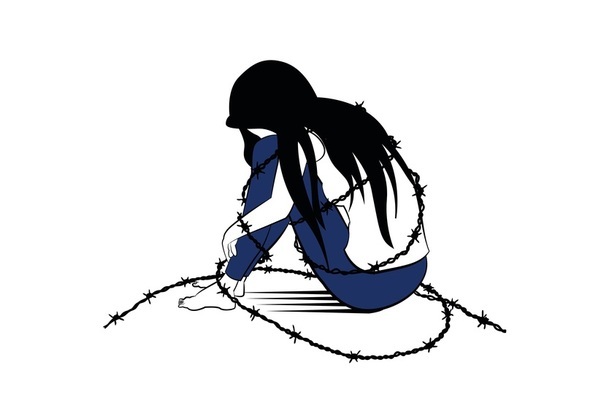
The DSM-V tr (Diagnostic and Statistical Manual of Mental Disorders – Diagnostic and Statistical Manual of Mental DisordersDSM)) considers that to distinguish grief from major depression, it is useful to keep in mind that in grief the predominant affect is the feeling of emptiness and loss, while in major depression it is the persistent depressed mood and the inability to expect happiness or pleasure.
Mood changes in grief probably decrease in intensity over days or weeks and occur in waves associated with thoughts or memories of the deceased.
The depressed mood of a person with depression is more persistent and is not associated with specific thoughts or worries.
The pain of grief may be accompanied by humor and positive emotions that are not characteristic of the intense unhappiness and misery that characterizes a person with major depression.
The content of thoughts associated with grief generally presents worry linked to thoughts and memories linked to the deceased, and not the self-criticism or pessimistic rumination that is observed in a depressive.
In grief, self-esteem is generally preserved, while in a depressed person feelings of worthlessness and self-contempt are common.
If ideas of self-annulment exist in grief, they imply the perception of having failed the deceased, for example, not visiting him more frequently, not telling him how much he loved him. If a grieving individual thinks about death and dying, these thoughts usually focus on the deceased and possibly “reuniting” with them, whereas in a depressed person these thoughts focus on ending the death. own life due to the feeling of worthlessness, of not being worthy of life or of being unable to cope with the pain of depression.
All of these keys or criteria are intended to serve as guidance for people who have suffered the loss of a loved one or are trying to help a grieving person in their environment.
Grieving people generally need a process of assimilation to reorganize themselves internally and surround themselves with an understanding environment. However, if there is no change in sadness and apathy after a long time, then we are talking about pathological grief, a grief that has become complicated and is a form of depression, so it is most advisable to contact A professional.
By citing this article, you acknowledge the original source and allow readers to access the full content.
PsychologyFor. (2024). Distinguish Grief from Depression.. https://psychologyfor.com/distinguish-grief-from-depression/