

See more of our articles in your search results.
Did you know that your way of seeing the world, of interpreting reality, of seeing and perceiving situations, is learned in childhood? It is also influenced by the environment, the family, the socioeconomic and cultural context, life experiences, character…
We do not give them much importance, but the experiences lived in childhood leave traces that mark our personality. In this article I will explain how the emotional wounds of childhood affect our present and can condition our future.
What is an emotional wound?
It is a fact that We all have “wounds” from our childhood. No matter how hard our parents or caregivers tried, no matter how much they loved us, it could be said that we all have “wounds” that tend to be created in our home.
You may wonder… what is an emotional wound? To answer this question, I invite you to imagine an event that produces an intense emotion in you, for example, pain, rage, loneliness, anger, fear, sadness…, and that you cannot resolve it adequately. When that intense emotion becomes fixed inside you, an emotional wound is created. If we do not have the necessary tools to face these emotions, nor the appropriate accompaniment, we run the risk of “getting used” to feeling these intense emotions. and not solve them.
How are the first wounds created?
Emotional wounds can be the product of traumatic events (abuse, death of a family member, mistreatment…), as well as caused by a distortion in the interpretation of reality in childhood. It’s important pointing that In childhood we are good at capturing situations and even details, but our interpretation is still very immature failing to adequately understand what is happening around us.
How many of these have you been "meaning to read" for months?
- 1
 TarcherThe Artist's Way30th Anniversary EditionListen Free On Audible
 - 2
 New Harbinger PublicationsThe Dialectical Behavior Therapy Skills WorkbookPractical DBT Exercises for Learning Mindfulness, Interpersonal Effectiveness, Emotion Regulation...Listen Free On Audible
 - 3
 New Harbinger PublicationsAdult Children of Emotionally Immature ParentsHow to Heal from Distant, Rejecting, or Self-Involved ParentsListen Free On Audible
We are phylogenetically programmed to attend to all “possible” stimuli unconsciously, and only a small number of these stimuli are those that are processed at a conscious level.
As we grow, the number of wounds increases or the ones we already have become larger. We heal some of these wounds in the growth process, but others become “infected.”. To face them, we adopt various behaviors with which we manage to “avoid” the pain they cause us. But, precisely, that is the problem; that we avoid it, we do not solve it, and the problem becomes more and more “entrenched” within us. You could say that we anesthetize ourselves, and that prevents us from giving it the importance it requires, and from seeking help to resolve it.
Warning signs
Typically, in therapy, we find various signs that indicate that a person may have “infected” emotional wounds, and that the behaviors he presents are, in reality, symptoms of this “infection.” By way of illustration I am going to mention some signs so that we can identify, but there are many more.
1. High levels of Anxiety
It presents with palpitations, tremors, excessive sweating, a feeling of imminent danger, rapid breathing…
2. Depression
It is presented through persistent feeling of sadness or emptiness, hopelessness, demotivation persistent feelings of worthlessness or guilt, etc.
3. Difficulty in emotional relationships
Constant conflicts arise in emotional relationships or difficulty establishing and maintaining them.
4. Sleep problems
There may be difficulty falling asleep or maintaining sleep, they may also sleep many hours more.
5. Obsessive thoughts
They present themselves with recurring ideas that cause us significant discomfort.
6. Insecurity
It presents with a lack of confidence in oneself and in one’s abilities and personal resources.
7. Fear
That is spreading in various areas of life and that It “blocks” or “paralyzes” us when achieving our goals.
8. Distrust
It occurs with the tendency to believe that people are dishonest with us, which prevents us from maintaining healthy relationships.
9. Defensive or aggressive attitude
Appears a difficulty accepting our responsibility in situations or accepting criticism so we prepare for the attack or attack ourselves first.
Main emotional wounds of childhood
I am going to mention the 5 main emotional wounds that open mainly in childhood, and that have an impact on our behavior when relating to other people.
1. Wound of abandonment
This wound opens when our emotional needs in childhood have not been met for a long time so we may have experienced loneliness, lack of affection or lack of protection.
People who have this open wound may try to obtain the affection that they have lacked in childhood from their partners, friends or children, and may develop emotional dependence. They can also show this fear of abandonment by using protection mechanisms to not really connect with people, and thus avoid being abandoned. They are the two ends of the same wound.
2. Wound of rejection
This wound opens when we have felt rejected in our childhood. They may not have accepted our thoughts, feelings, experiences, in short, they may have rejected a part of us. This It generates the idea that we are not worthy of loving or being loved. and can lead us to self-hatred.
People who have this open wound have difficulty accepting criticism and suffer a lot when someone does not accept their idea or proposal. They tend to strive to obtain the recognition and approval of other people. They can also avoid the suffering caused by rejection by avoiding interpersonal relationships.
3. Wound of humiliation
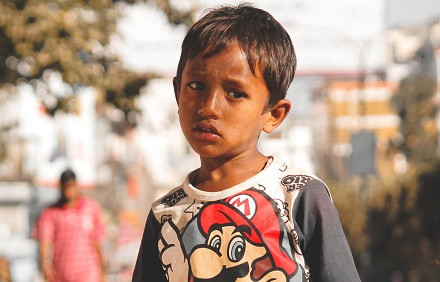
This wound opens when we experience a lot of criticism in our childhood, with negative messages related to our way of doing things, when our ability or abilities are criticized. Also when they do things for us. This ends up making us feel useless and incapable, unsure of ourselves and our ideas and thoughts.
People who have this open wound show a fragile and vulnerable self-esteem, they usually depend on the image that other people have of them, needing their approval and constant recognition. To achieve this, they tend to be complacent to the point of nullifying themselves, and they can even ridicule themselves, because deep down they consider themselves inferior, unworthy or less valuable than they really are.
4. Wound of betrayal
This wound opens when we have had childhood experiences of being deceived because our parents or primary caregivers did not keep what they promised us. This could have been something specific, but important, or it could have happened on many occasions, generating mistrust and loneliness.
People who have this open wound usually have trust problems in their interpersonal relationships, and to compensate for this, they need to “control” because it gives them security, so they are less likely to be betrayed.
5. Wound of injustice
This wound opens when the education that has been exercised with us has been authoritarian, imposing the views of our parents, but without taking into account our needs or our interests.
People who have this open wound usually have mental rigidity, and this is shown in their opinions and value judgments that they express as absolute truths. They tend to have difficulty accepting other points of view, and have a tendency toward order and perfectionism.
Can these wounds be healed?
We are not condemned to live with these “infected” or open wounds forever. In psychological therapy, we can work to identify our wounds and heal them.
According to my professional experience, we all have these wounds, to a greater or lesser extent. Sometimes we have healed them without realizing it, but in general, we connect with these wounds daily and, not knowing it, we do not give it the importance it requires. We run the risk of getting used to it and thinking that “that’s how we are” or that “we have bad luck.”. But in reality, connecting with our wounds makes us act in different ways, which are not the healthiest or most appropriate.
It also influences that the initial wound usually comes from childhood, and since we do not have sufficiently developed cognitive skills at those ages, we are not necessarily aware of those memories or the impact they had on us.
For this reason, I consider it necessary that if you identify with something you have read in this article, do not hesitate to look for suitable psychology professionals who can accompany you on this journey of self-knowledge, to help you identify the emotional wounds of childhood and you can work to heal them. In this way, you can prevent those emotional wounds caused in childhood from continuing to affect your present and condition your future.
Use this citation format to reference the article clearly and help readers find the original source.
PsychologyFor. (2024). Emotional Wounds: What Are They and How Do They Affect Us?. PsychologyFor. https://psychologyfor.com/emotional-wounds-what-are-they-and-how-do-they-affect-us/