


Imagine carrying decades of swallowed anger, the kind you were never allowed to express out loud, until your chest feels like it’s physically on fire. Not metaphorically. Actually burning, a heat that sits just beneath the sternum and won’t move no matter how you breathe. That specific, visceral sensation has a name in Korean culture: hwa-byung, literally translated as “fire illness” or “anger syndrome.”
For generations, particularly among Korean women who were culturally expected to suppress conflict and prioritize family harmony above their own emotional needs, this pattern of accumulated, unexpressed rage found nowhere else to go but the body. It shows up as chest tightness, a sensation of heat rising through the torso, digestive complaints, and a persistent feeling of something stuck in the throat, alongside genuine emotional distress that Western psychiatric categories don’t always capture cleanly. This isn’t imagined or exaggerated. It’s a recognized, researched syndrome with a real physiological signature, even though it emerged from a specific cultural context rather than a universal diagnostic manual.
So how does suppressed emotion actually translate into something the body experiences as burning?
This guide explains what hwa-byung is, its symptoms and causes, and the treatment approaches that genuinely address it.
What Is Hwa-byung? A Korean Culture-Bound Syndrome Explained
Hwa-byung is a culture-bound syndrome originating in Korea, characterized by physical and emotional symptoms resulting from prolonged suppression of anger, resentment, or unresolved conflict. The term combines “hwa,” meaning fire or anger, with “byung,” meaning illness or disease.
Psychiatrist Bou-Yong Rhi, whose extensive clinical research in Korea helped establish hwa-byung as a recognized clinical presentation, described it as involving a specific progression: initial anger or grievance that goes unexpressed due to social or familial pressure, followed by internal suppression over months or years, eventually manifesting as physical symptoms once the emotional burden becomes unsustainable. It’s a slow-building condition, not an acute reaction to a single stressor.
A few features define hwa-byung specifically:
- It typically develops after years of accumulated suppression, rather than a single triggering event.
- Symptoms combine physical sensations, especially heat and chest pressure, with genuine emotional distress.
- It was formally included as an example in the DSM-IV’s cultural formulation glossary, acknowledging its clinical relevance.
Understanding hwa-byung requires holding two things simultaneously: it’s genuinely rooted in a specific cultural context, and it produces measurable, real distress that deserves clinical attention regardless of where someone was raised.
What Are the Symptoms of Hwa-byung?
Hwa-byung produces a distinctive combination of physical and psychological symptoms that together create a fairly recognizable clinical picture. Recognizing both categories matters, since patients often present with physical complaints first, sometimes for years before the emotional roots get identified.
The physical symptoms tend to center around sensations of heat and pressure in the chest and upper body, often described by patients as a literal burning or a feeling of something pushing upward from the abdomen toward the throat. This isn’t a loose metaphor; patients describe it with striking physiological specificity.
- A burning or heat sensation localized in the chest, sometimes spreading toward the face or head.
- A sensation of a lump in the throat, medically related to what’s sometimes called globus sensation.
- Chronic fatigue and sleep disturbance, often worsening as suppressed emotion builds over time.
- Digestive complaints, including indigestion or a persistent feeling of fullness unrelated to actual eating.
On the emotional side, symptoms typically include persistent resentment, a sense of injustice that’s never been resolved, irritability that feels disproportionate to daily triggers, and periodic episodes of intense emotional release, sometimes crying, sometimes explosive anger, following long stretches of outward calm.
What Causes Hwa-byung? Cultural and Psychological Roots
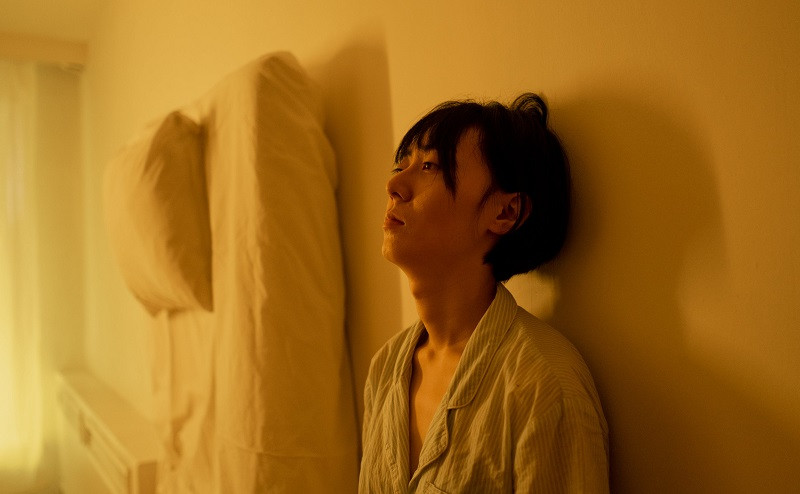
Hwa-byung develops through the sustained suppression of strong negative emotions, typically anger, over an extended period, usually within a specific cultural framework that discourages open emotional expression. The condition is less about any single grievance and more about the cumulative weight of many unexpressed ones.
Historically, hwa-byung has been most extensively documented among Korean women navigating traditional family structures, where filial duty, deference to in-laws, and preservation of family harmony were prioritized heavily over individual emotional needs. A daughter-in-law enduring years of mistreatment within a household, without any culturally sanctioned way to voice grievance, represents something close to a textbook case.
Researcher Keh-Ming Lin, whose work on culture-bound syndromes contributed to formal psychiatric recognition of hwa-byung, has emphasized that the condition reflects a genuine interaction between cultural constraint and physiological stress response, not simply a metaphorical way of describing ordinary unhappiness.
Common contributing factors include:
- Prolonged marital or family conflict that cannot be openly addressed due to social expectations.
- Financial hardship or hierarchical family pressure, particularly within multigenerational households.
- Gender role constraints that limit emotional expression, particularly for women in traditional roles.
- Cultural stigma around directly expressing anger, redirecting emotional energy into the body over time.
Who Is Most Affected by Hwa-byung?
Hwa-byung has historically shown a strong demographic pattern, disproportionately affecting middle-aged and older Korean women, though research increasingly recognizes broader presentations across genders and age groups. Understanding who tends to develop this condition clarifies its underlying social roots.
Researcher Min-Soo Lee, whose epidemiological studies examined hwa-byung prevalence within Korean populations, found the condition concentrated heavily among women in their forties through sixties, often those who had spent decades managing family conflict, in-law relationships, and household responsibilities without adequate emotional outlet or social support.
Populations showing elevated risk include:
- Women in traditional multigenerational households, particularly those navigating difficult relationships with in-laws.
- Individuals experiencing prolonged marital dissatisfaction without culturally acceptable avenues for resolution.
- First-generation immigrants, who may face compounded stress from cultural displacement alongside traditional family expectations.
- People in lower socioeconomic circumstances, where financial strain adds another layer of unresolved stress.
It’s worth noting that hwa-byung isn’t exclusive to any single demographic. As Korean diaspora communities have grown globally, clinicians increasingly document similar presentations among Korean-American and other diasporic populations navigating comparable cultural pressures.
Hwa-byung vs Depression and Anxiety: Key Differences
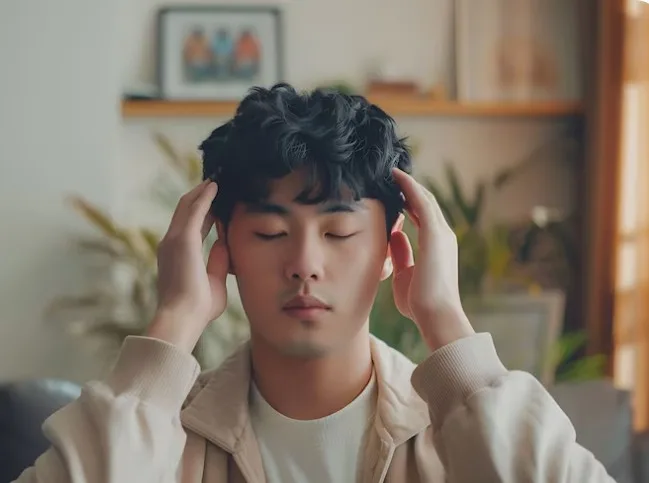
Hwa-byung overlaps considerably with depression and anxiety, but it carries distinct features that separate it clinically. Recognizing these differences matters for accurate understanding and appropriate treatment.
| Hwa-byung | Major Depressive Disorder |
|---|---|
| Rooted in specific, identifiable grievances accumulated over time | Often lacks a single clear external cause or narrative |
| Prominent physical heat sensations and chest pressure | Physical symptoms present but less centered on heat specifically |
| Strong cultural and gender-role component in its development | Occurs across cultures without a specific cultural framework requirement |
| Emotional content centers on suppressed anger and resentment | Emotional content centers more broadly on sadness and hopelessness |
Medical anthropologist Arthur Kleinman, whose foundational work on cultural psychiatry examined how emotional distress gets expressed differently across cultural contexts, coined influential concepts around somatization, the tendency for psychological distress to manifest as physical symptoms, particularly in cultures where direct emotional expression carries more stigma. Hwa-byung represents one of the clearer, most extensively documented examples of this broader phenomenon.
How Is Hwa-byung Diagnosed in Clinical Settings?
Diagnosing hwa-byung requires a clinician familiar with both the specific symptom cluster and the cultural context that shapes it, since standard Western diagnostic tools don’t automatically capture the condition’s full presentation. There’s no single lab test or simple checklist that confirms it definitively.
Clinicians typically rely on a detailed patient history exploring long-term relational and family stressors, alongside a physical symptom assessment ruling out other medical explanations for chest pressure, digestive complaints, or throat sensations. The DSM-IV’s cultural formulation glossary historically listed hwa-byung as an illustrative example, encouraging clinicians to consider cultural context when evaluating symptoms that might otherwise be misdiagnosed as purely somatic or dismissed as vague complaints.
Today's Top Picks
Updated Daily-
1
 St. Martin's Press Let That Sh*t Go: A Journal for Leaving Your Bullsh*t Behind and Creating a Happy LifeCheck Today's Price
 -
2GOSSIP FOX The Gratitude Journal for More Happiness, Optimism, Affirmation & Reflection - An Effective Manifestation Guide Journal, Undated Daily Journals for Women & Men (Beige)Check Today's Price
-
3aspenbookco The Mindfulness Journal: Daily Practices, Writing Prompts, and Reflections for Living in the Present MomentCheck Today's Price



A typical clinical assessment process might include:
- A thorough medical workup to rule out cardiac, gastrointestinal, or other physiological explanations first.
- An in-depth exploration of family and relational history, particularly long-standing unresolved conflict.
- Assessment of emotional suppression patterns and cultural context surrounding anger expression.
- Consideration of co-occurring conditions, since hwa-byung frequently overlaps with depressive or anxiety symptoms.
Without this cultural lens, patients sometimes cycle through multiple medical specialists for years, receiving normal test results that never quite explain what they’re experiencing.
Cultural Context: Why Suppressed Anger Becomes Physical Illness
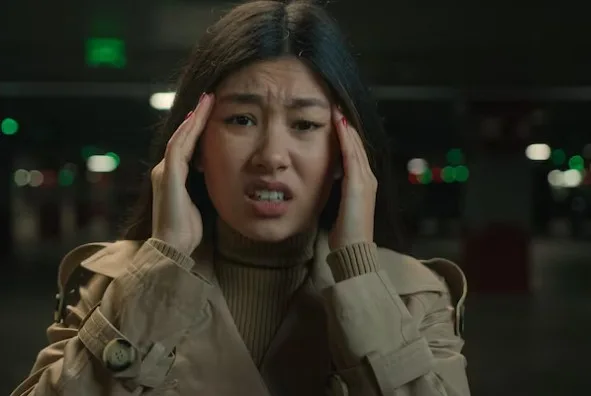
Understanding why hwa-byung manifests physically rather than purely psychologically requires looking at how emotion and body are conceptualized within traditional Korean and broader East Asian frameworks. The mind-body separation common in Western thought doesn’t map neatly onto these cultural traditions.
Traditional East Asian medicine has long treated emotional and physical health as deeply interconnected rather than separate domains, which shapes how patients themselves describe and interpret their symptoms. Anger, in this framework, isn’t just felt; it’s understood as literally generating heat within the body, a concept that predates modern psychiatric vocabulary by centuries.
Psychiatrist Sing Lee, whose research on culture-bound syndromes across East Asian populations has examined similar somatic presentations of psychological distress, has argued that these expressions aren’t simply “primitive” alternatives to Western diagnostic categories, but reflect genuinely different, internally coherent ways of understanding the relationship between emotion and bodily experience.
This cultural framing carries practical implications:
- Patients may seek traditional medicine alongside or instead of Western psychiatric care initially.
- Treatment approaches respecting this cultural understanding tend to achieve better patient engagement and outcomes.
- Dismissing the physical symptoms as “just anxiety” without acknowledging their cultural legitimacy often alienates patients from care entirely.
Evidence-Based Treatment Approaches for Hwa-byung
Effective treatment for hwa-byung typically combines psychotherapeutic approaches addressing the underlying suppressed emotion with practical symptom management for the physical component. Neither piece alone tends to produce lasting relief.
Therapy focused on processing accumulated grievance and resentment, often through approaches adapted from cognitive behavioral therapy or culturally attuned family therapy, helps address the root emotional suppression driving the condition. Given the strong relational component, family or couples therapy sometimes proves particularly effective, especially when ongoing family conflict continues actively contributing to symptoms.
Practical treatment components often include:
- Individual psychotherapy focused on identifying and gradually expressing long-suppressed anger safely.
- Family-oriented interventions when ongoing relational conflict remains an active contributing factor.
- Culturally adapted relaxation techniques, sometimes integrating traditional practices alongside Western approaches.
- Medical evaluation and, where appropriate, pharmacological treatment for co-occurring depression or anxiety symptoms.
Clinicians treating Korean or Korean-diaspora patients increasingly emphasize integrating cultural competence directly into treatment planning, rather than applying a purely Western framework without adaptation. That integration, several studies suggest, meaningfully improves both engagement and outcomes.

Coping Strategies and When to Seek Professional Help
Beyond formal treatment, several practical strategies can help manage hwa-byung symptoms, particularly in early or milder presentations. None of these substitute for professional care when symptoms are significant or persistent.
- Practicing gradual, safe emotional expression through journaling or trusted confidants, rather than continued full suppression.
- Building social support networks outside the immediate family system generating the underlying stress.
- Engaging in physical release practices like exercise, which can help metabolize some of the physiological stress response.
- Seeking culturally competent care, since a provider unfamiliar with hwa-byung may misattribute symptoms entirely to unrelated physical causes.
Professional help becomes especially important if physical symptoms persist despite normal medical workups, if emotional distress significantly interferes with daily functioning, or if suppressed anger begins manifesting as depression, anxiety, or relational breakdown. Reaching out for support here reflects genuine strength, not failure. Given how deeply hwa-byung is tied to years of silence, breaking that silence with a trained professional is often the single most important step toward recovery.
FAQs about Hwa-byung
Is hwa-byung recognized as an official medical diagnosis?
Hwa-byung isn’t listed as a standalone diagnosis in the current DSM-5, though it was included as an illustrative example in the DSM-IV’s cultural formulation glossary and continues to be referenced within cultural psychiatry literature. It’s best understood as a culture-bound syndrome, a recognized pattern of distress shaped by specific cultural context, rather than a formally coded diagnostic category. Clinicians familiar with cultural psychiatry generally still recognize and treat it clinically, even without a dedicated diagnostic code.
Can people outside Korean culture experience hwa-byung?
While hwa-byung was documented and named specifically within Korean cultural contexts, the underlying mechanism, prolonged emotional suppression manifesting as physical symptoms, isn’t necessarily exclusive to any single culture. Similar somatic presentations of suppressed distress appear in various forms across different cultural groups, though they may carry different names or slightly different symptom emphases. The specific combination of heat sensation, chest pressure, and long-term grievance most closely matches the Korean cultural framework where the term originated.
How long does hwa-byung typically take to develop?
Hwa-byung generally develops gradually, often over years rather than weeks or months, as suppressed grievances accumulate without adequate emotional release. Many documented cases involve individuals who endured difficult family or marital circumstances for a decade or more before physical symptoms became severe enough to seek help. This slow progression is part of what distinguishes it from more acute stress reactions, which tend to emerge and resolve within a shorter, more clearly defined timeframe.
What’s the difference between hwa-byung and simply being an angry person?
Hwa-byung specifically involves anger that has been suppressed rather than expressed, eventually manifesting through distinct physical symptoms like chest heat and throat pressure alongside emotional distress. Someone who expresses anger openly and regularly, even if frequently irritable, wouldn’t typically be described as experiencing hwa-byung, since the condition is fundamentally about accumulated, unexpressed emotion rather than visible anger itself. The physical symptom cluster, particularly the burning sensation, is a defining and distinguishing feature that goes well beyond general irritability.
Does hwa-byung require medication to treat?
Not necessarily, though medication can play a supportive role, particularly when co-occurring depression or anxiety symptoms are present alongside the core hwa-byung presentation. Many treatment approaches emphasize psychotherapy, especially work addressing the underlying suppressed emotion and relational stressors, as the primary intervention. Medication decisions should be made individually with a qualified clinician, based on symptom severity and whether additional mental health conditions are contributing to the overall presentation.
Why is understanding cultural context important when treating hwa-byung?
Cultural context shapes both how symptoms present and how patients understand their own experience, which directly affects treatment engagement and effectiveness. A clinician unfamiliar with hwa-byung might focus purely on physical symptoms, missing the underlying emotional and relational roots, or might dismiss the physical complaints as unrelated anxiety without addressing the cultural framework shaping the patient’s experience. Culturally informed treatment tends to build stronger trust and produce more meaningful, lasting improvement than an approach that ignores this context entirely.
Bibliography
- Rhi, B. Y. (2001). A Clinical Study of Hwa-byung. Journal of Korean Neuropsychiatric Association.
- Lin, K. M., Carter, W. B., & Kleinman, A. M. (1985). An Overview of Mental Health in Chinese and Korean Culture-Bound Syndromes. Culture, Medicine and Psychiatry.
- Kleinman, A. (1988). Rethinking Psychiatry: From Cultural Category to Personal Experience. Free Press.
- Lee, S. (1999). Diagnosis Postponed: Shenjing Shuairuo and the Transformation of Psychiatry in Post-Mao China. Culture, Medicine and Psychiatry.
- Lee, M. S. Epidemiological studies on Hwa-byung prevalence among Korean populations, Korean Journal of Psychosomatic Medicine.
- American Psychiatric Association. (2000). Diagnostic and Statistical Manual of Mental Disorders (4th ed.), Glossary of Culture-Bound Syndromes.
- National Institute of Mental Health. Cultural considerations in mental health diagnosis and treatment.
Use this citation format to reference the article clearly and help readers find the original source.
PsychologyFor. (2026). Hwa-byung: Symptoms, Causes and Treatment of This Cultural Syndrome. PsychologyFor. https://psychologyfor.com/hwa-byung-symptoms-causes-and-treatment-of-this-cultural-syndrome/