

See more of our articles in your search results.
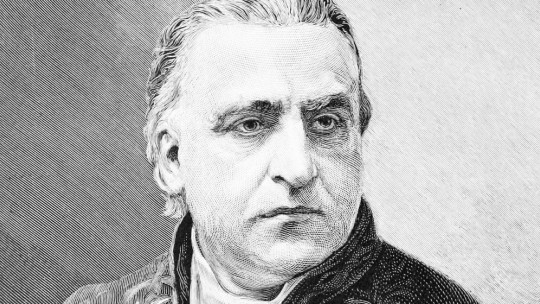
Few figures in the history of medicine have cast as long a shadow as Jean-Martin Charcot. A clinician of extraordinary precision, a teacher of almost theatrical charisma, and a scientist whose systematic observations permanently altered the landscape of neurology and psychiatry, Charcot occupies a singular position in the intellectual genealogy of modern mental health. He was the man who made hysteria a scientific subject — and who made hypnosis, long dismissed as carnival trickery, a legitimate tool of medical inquiry. He was Sigmund Freud’s most formative teacher. He was the first physician to describe multiple sclerosis, amyotrophic lateral sclerosis, and a dozen other neurological conditions with the precision that would survive into contemporary medicine. And he did all of this from the wards of a single institution: the Salpêtrière hospital in Paris, which he transformed from a warehouse for the poor and the insane into the most celebrated neurological center in the world.
To understand Jean-Martin Charcot is to understand a pivotal moment in the history of how Western medicine began to take the suffering of the nervous system seriously — to move from moral condemnation of “madness” toward clinical observation, from demonology toward neurology. His contributions were immense, his methods were sometimes controversial, and his influence — both direct and mediated through his students — reshaped psychiatry, neurology, psychology, and the theory of the unconscious in ways whose reverberations are still felt today.
This article offers a comprehensive biographical examination of Charcot: his origins, his formative years, his landmark scientific contributions, his methods and controversies, his relationship with hypnosis, his extraordinary influence on the generation of clinicians who learned from him, and the complex legacy he left behind — a legacy that is simultaneously one of the greatest achievements and one of the most instructive cautionary tales in the history of medical science.
Early Life and Formation: Charcot’s Path to Medicine
Jean-Martin Charcot was born on November 29, 1825, in Paris, the son of a carriage maker. His family’s modest circumstances might have seemed an unpromising foundation for one of the nineteenth century’s most celebrated medical careers — but Charcot’s trajectory from working-class origins to the pinnacle of French academic medicine is itself a testament to the meritocratic currents flowing through Second Empire France, where competitive examinations provided talented young men from non-aristocratic backgrounds a pathway into professional life.
Of four brothers, it was agreed that the most academically gifted — Jean-Martin — would be supported in the pursuit of education while the others entered trades. He attended the Lycée Bonaparte and proved himself an exceptional student, demonstrating early the qualities that would define his intellectual career: an extraordinary visual memory, meticulous powers of observation, and a capacity for systematic classification that bordered on the compulsive. He could, by many accounts, identify patterns across large bodies of clinical material with a speed and accuracy that astonished his contemporaries.
How many of these have you been "meaning to read" for months?
- 1
 TarcherThe Artist's Way30th Anniversary EditionListen Free On Audible
 - 2
 New Harbinger PublicationsThe Dialectical Behavior Therapy Skills WorkbookPractical DBT Exercises for Learning Mindfulness, Interpersonal Effectiveness, Emotion Regulation...Listen Free On Audible
 - 3
 New Harbinger PublicationsAdult Children of Emotionally Immature ParentsHow to Heal from Distant, Rejecting, or Self-Involved ParentsListen Free On Audible
Charcot entered the Paris Faculty of Medicine in 1844. The Paris school of medicine in the mid-nineteenth century was the most prestigious medical education in the world — a tradition that had produced figures including René Laennec, inventor of the stethoscope, and François Magendie, pioneer of experimental pharmacology. Charcot moved through the competitive structures of French medical training — passing the external examinations, winning hospital appointments, and eventually gaining admission to the elite corps of hospital physicians — with consistent excellence. He received his medical doctorate in 1853, presenting a thesis on gout and chronic rheumatism that already showed the systematic observational method that would become his signature.
In 1862, Charcot received the appointment that would define his career: physician to the Salpêtrière. At the time, this was not obviously a prestigious posting. The Salpêtrière was a vast, sprawling institution on the left bank of the Seine that housed more than five thousand women — the chronically ill, the aged, the epileptic, the psychiatrically disturbed, and the simply destitute. It was, in the words of one contemporary, “a museum of living pathology.” For a physician with Charcot’s gifts — and his specific genius for systematic clinical observation — it was an extraordinary research resource, and he would recognize it as such immediately.
Transforming the Salpêtrière: Building the World’s First Neurology Center
When Charcot arrived at the Salpêtrière, neurology barely existed as a distinct medical specialty. Diseases of the nervous system were poorly classified, their clinical features imprecisely described, and their pathological bases almost entirely unknown. Charcot would spend the next three decades systematically changing each of these conditions.
His method was distinctive and became internationally recognized: the anatomo-clinical method, which systematically correlated the clinical features observed during life — the symptoms, signs, and course of a disease — with the pathological findings discovered at post-mortem examination. This correlation between the bedside and the autopsy table was not entirely original to Charcot — it built on the tradition of the Paris school — but he applied it with an unprecedented rigor and scale, using the Salpêtrière’s enormous patient population as a natural laboratory for systematic clinicopathological investigation.
The results were remarkable. Working with his collaborator Alfred Vulpian in the 1860s and 1870s, Charcot produced definitive clinical and pathological descriptions of a series of neurological conditions that had never been properly distinguished or characterized. His contributions during this period include:
- Multiple sclerosis: Charcot provided the first complete clinicopathological description of what he called “sclérose en plaques” — identifying the characteristic triad of symptoms (intention tremor, nystagmus, and scanning speech, now called Charcot’s triad) and correlating them with the pathological plaques of demyelination visible on post-mortem examination. His 1868 lectures on the condition established the nosological identity of multiple sclerosis as a distinct disease entity.
- Amyotrophic lateral sclerosis: The disease now universally known by its acronym ALS — or by the eponym “Charcot’s disease” in French-speaking countries — was systematically described and differentiated from other motor neuron disorders by Charcot in the 1870s. His identification of the disease’s combined upper and lower motor neuron pathology, correlated with bilateral anterior horn degeneration and lateral column degeneration in the spinal cord, remains clinically accurate.
- Charcot-Marie-Tooth disease: A hereditary peripheral neuropathy, first described by Charcot and his student Pierre Marie, along with the independent description by Howard Henry Tooth — now one of the most common hereditary neurological conditions.
- Charcot’s joint: The characteristic neuropathic arthropathy associated with the loss of pain and proprioceptive sensation, described in the context of tabes dorsalis and subsequently recognized across multiple neuropathic conditions.
- Charcot-Leyden crystals: Microscopic crystals found in eosinophilic tissue, contributing to understanding of inflammatory pathology.
Beyond these specific contributions, Charcot systematically differentiated and classified conditions including Parkinson’s disease (distinguishing it from other tremor disorders with a precision that earned him James Parkinson’s historical recognition), tabetic neurosyphilis, progressive muscular atrophy, and numerous other neurological syndromes. The scale and rigor of this classificatory achievement was without precedent in the history of neurology.
In 1882, Charcot was appointed to the newly created chair of diseases of the nervous system at the Paris Faculty of Medicine — the first such chair in the world, explicitly recognizing neurology as a distinct medical specialty. His appointment was both a personal achievement and an institutional declaration: the nervous system had its own medicine, and Charcot was its preeminent practitioner.
Charcot and Hysteria: The Most Controversial Chapter of His Career
No aspect of Charcot’s work has generated more subsequent controversy — and more historical reassessment — than his investigation of hysteria. Yet it was this work that made him most famous in his own time, that attracted students from across the world to the Salpêtrière, and that most directly shaped the development of both psychoanalysis and dynamic psychiatry.
Hysteria — a diagnosis applied almost exclusively to women throughout much of medical history — had a chaotic conceptual history by the time Charcot encountered it. Its symptoms were protean: paralysis, contractures, sensory loss, fits, blindness, aphonia, and a bewildering variety of other presentations that had no consistent anatomical basis. Many physicians regarded hysterical patients as malingerers, or attributed their symptoms to moral failing, sexual dysfunction, or simple attention-seeking. The term itself derived from the Greek hystera (uterus), reflecting the ancient belief that the condition was caused by a wandering uterus — a notion that had persisted in various guises well into the nineteenth century.
Charcot applied to hysteria the same systematic clinical method he had applied to organic neurological disease. He identified consistent, reproducible patterns in hysterical presentations — specific sequences of convulsive attacks, characteristic bodily postures, reproducible zones of altered sensation — and argued that these regularities demonstrated that hysteria was a genuine neurological condition, with consistent clinical features governed by laws as reliable as those governing organic disease. He called it a “dynamic” lesion — a functional disruption of the nervous system rather than a structural one, but a neurological disruption nonetheless.
This was, in the context of its time, a progressive and compassionate position: it insisted that hysterical patients were genuinely ill rather than simply pretending, and it directed medical attention toward understanding rather than dismissing their suffering. It also opened the door — through Charcot’s demonstration that hysterical symptoms could be produced and relieved through hypnosis — to a conceptual framework in which ideas, rather than just anatomical lesions, could cause physical symptoms. This was a genuinely revolutionary insight, and it was the specific insight that most profoundly influenced Charcot’s student Josef Breuer and, through Breuer, Sigmund Freud.
The controversies came later — and they are real. Post-mortem examination of patients Charcot had classified as hysterical often revealed organic pathology that explained their symptoms in ways that had nothing to do with functional neurological disorder. The extraordinary regularity of the hysterical attacks that Charcot and his staff photographed and displayed in the famous Iconographie photographique de la Salpêtrière — the photographic archive of hysterical presentations — raises legitimate questions about the degree to which staff expectations and patient performances were shaping the “pure” clinical picture Charcot believed he was observing. The suggestion, developed by his contemporaries including Hippolyte Bernheim and later historians of medicine, that Charcot’s hysterics were in part performing a role shaped by institutional expectations and the hypnotic training they received — that they were, in a sense, trained hysterics — cannot be dismissed.
But it is important to hold this criticism in its historical context. The institutional conditions of the Salpêtrière — the power differential between a famous physician and his impoverished, institutionalized patients, the theatrical dimension of the public demonstrations, the role of suggestion in shaping symptom presentation — were characteristics of nineteenth-century clinical medicine broadly, not unique failures of Charcot’s personal integrity. And the core clinical insight — that psychological and social factors can produce genuine bodily symptoms, that functional neurological disorder is a real entity requiring medical attention — is one that contemporary medicine has fully rehabilitated, now conceptualized within the framework of functional neurological disorder (FND) that draws directly on the tradition Charcot initiated.
Charcot and Hypnosis: Making the Unconscious Clinically Respectable
Charcot’s engagement with hypnosis was one of the most consequential — and most debated — dimensions of his career. When he turned his attention to hypnosis in the late 1870s, it was still widely regarded as a form of quackery, associated with the disreputable legacy of Franz Anton Mesmer’s “animal magnetism” and largely dismissed by serious medical science. Charcot’s authority — the most prestigious neurologist in the world — transformed its status overnight.
Charcot’s specific contribution was to argue that hypnosis was a pathological neurological state — a phenomenon that could only be reliably produced in individuals with hysteria, and that therefore provided a tool for studying the neurological mechanisms underlying hysterical symptomatology. He described three stages of deep hypnosis — lethargy, catalepsy, and somnambulism — that he believed followed a reliable sequence in true hypnotic subjects, and he demonstrated publicly that hysterical paralysis and sensory symptoms could be both produced and reversed through hypnotic suggestion.
This was, again, a complex contribution. Charcot’s specific theoretical claim — that hypnotic susceptibility was a marker of hysterical neuropathology — was wrong, as his rival Hippolyte Bernheim of the Nancy school demonstrated convincingly: ordinary healthy people were highly susceptible to hypnotic suggestion, and the phenomena Charcot described in his Salpêtrière patients were as much products of suggestion and institutional expectation as manifestations of underlying neurological disease.
What Charcot got right — and what mattered enormously — was the broader implication: that the human mind is susceptible to powerful unconscious influences that can produce real physiological effects, that suggestion operates at levels below conscious awareness, and that these mechanisms are legitimate subjects of scientific investigation rather than supernatural or moral curiosities. This insight — that there is a domain of psychological activity outside conscious awareness that has genuine causal power over behavior and bodily experience — was the conceptual foundation on which Freud built psychoanalysis, and on which the entire field of dynamic psychology subsequently rested.
Charcot never called it the unconscious. He spoke of “mental dynamism,” of the nervous system’s susceptibility to ideogenic influences, of the power of fixed ideas to produce physical effects. But the conceptual territory he was mapping was precisely the territory that Freud — who attended Charcot’s lectures in Paris from 1885 to 1886 on a traveling fellowship — would systematize into the theory that reshaped twentieth-century thinking about the mind.
Charcot’s Teaching and the Mardis de la Salpêtrière
Charcot was one of the most extraordinary teachers in the history of medicine — and it is through his teaching as much as through his publications that his influence propagated across the world.
His Tuesday lectures — the famous Leçons du Mardi, later published in multiple volumes — were public events that drew audiences far beyond the medical profession: philosophers, writers, politicians, journalists, and members of Parisian society mixed with visiting physicians from across Europe and North America. The lectures combined rigorous clinical demonstration with theatrical showmanship — Charcot was a gifted performer who understood that the visual and dramatic dimensions of clinical presentation were not antithetical to scientific rigor but could serve it, making the phenomena he was describing immediately and compellingly real to his audience.
Among the students and visiting physicians who came to the Salpêtrière to learn from Charcot were some of the most consequential figures in the subsequent history of medicine and psychology:
- Sigmund Freud: Who spent the academic year 1885–1886 in Paris and was so profoundly influenced by Charcot’s work on hysteria and hypnosis that he translated two volumes of Charcot’s clinical lectures into German and directly credited him as the inspiration for his own subsequent investigations of the unconscious and the theory of conversion disorder.
- Pierre Janet: Charcot’s most intellectually distinguished direct successor at the Salpêtrière, who developed the theory of psychological automatism and dissociation that influenced both dynamic psychology and contemporary dissociation research.
- Pierre Marie: Who co-described Charcot-Marie-Tooth disease and succeeded Charcot in the neurology chair.
- Georges Gilles de la Tourette: Who, under Charcot’s direction, described the tic disorder that bears his name — Tourette syndrome.
- Joseph Babinski: Who discovered the plantar reflex (Babinski sign) that remains a fundamental neurological examination finding — one of the most widely used diagnostic tests in clinical neurology.
- William Osler: The Canadian physician who would become one of the founding figures of modern internal medicine visited Charcot at the Salpêtrière and later described the experience as among the most formative of his education.
This constellation of students — each of whom went on to make foundational contributions to their respective fields — is perhaps the most compelling evidence of Charcot’s pedagogical genius. He did not simply transmit knowledge; he modeled a way of seeing, a habit of systematic observation and pattern recognition, that each of his students internalized and adapted to their own purposes.
Charcot’s Influence on Freud and the Birth of Psychoanalysis
The relationship between Charcot and Freud is one of the most consequential teacher-student relationships in intellectual history — and understanding it illuminates both the depth of Charcot’s influence on the development of psychological science and the specific ways in which Freud transformed, extended, and ultimately departed from his teacher’s framework.
Freud arrived in Paris in October 1885 as a twenty-nine-year-old neurologist with a research background in neuroanatomy and no particular interest in hysteria or hypnosis. He left in February 1886 having been, by his own account, utterly transformed. In a letter to his fiancée Martha Bernays, he described Charcot as “simply wrecking all my aims and opinions” — not destructively, but by opening entirely new conceptual territory that his previous training had not equipped him to imagine.
What Freud took from Charcot was not primarily his specific theoretical claims but his fundamental orientation toward mental phenomena: the conviction that psychological symptoms are genuine, that they follow intelligible laws, that they can be scientifically studied, and that hypnosis provides a window into mental processes that operate outside conscious awareness. The specific demonstration that most affected Freud was Charcot’s production of traumatic paralysis through hypnotic suggestion — his demonstration that an idea, implanted during hypnosis, could produce a physical symptom with all the characteristics of organic disease. This was the demonstration that pointed toward what Freud would eventually theorize as conversion: the mechanism by which psychical conflict is transformed into somatic symptom.
Freud also absorbed from Charcot a method: the careful, patient, unhurried clinical observation that attends to what is actually there rather than what theory predicts. Charcot’s famous instruction — “La théorie, c’est bon, mais ça n’empêche pas d’exister” (Theory is good, but it doesn’t prevent things from existing) — was a methodological credo that Freud internalized deeply. It is visible in psychoanalysis’s fundamental commitment to the individual case, to the particularities of individual experience, over the generalizations of theoretical models.
Charcot’s Later Years, Death, and the Question of His Legacy
By the last decade of his life, Charcot was the most famous physician in the world. The Salpêtrière attracted visitors from every continent. His opinions were sought on matters ranging far beyond medicine into culture, politics, and social policy. He had been elected to the Académie nationale de médecine and the Académie des sciences, received honorary degrees from universities across Europe, and been made a Commander of the Légion d’honneur. His Tuesday lectures were a Parisian institution.
In his final years, Charcot turned his attention to new territories — including a sustained investigation of faith healing and religious experience, which he approached with the same naturalistic methodology he had applied to hysteria, arguing that the cures attributed to religious pilgrimage sites including Lourdes could be explained through the mechanisms of suggestibility and autosuggestion that he had identified in hysterical patients. He also continued to develop his thinking on the relationship between trauma and neurological symptoms — work that, had he lived longer, might have brought him closer to the psychological framework his students were developing.
Jean-Martin Charcot died suddenly on August 16, 1893, at the age of 67, of acute pulmonary edema while on a working holiday in Morvan with two students. His death was received as a national event in France — and as a personal blow across the international medical community. Freud, who had not seen Charcot since 1886, wrote a moving obituary that captured both the depth of his admiration and his own complex relationship with a teacher who had given him more than he perhaps fully understood at the time.
The reassessment of Charcot’s hysteria work began almost immediately after his death. Babinski and others at the Salpêtrière concluded that the major hysteria — the grande hystérie with its choreographed phases that had been the centerpiece of Charcot’s clinical demonstrations — had effectively disappeared from the wards after his death. This disappearance suggested, uncomfortably, that the condition had been substantially a product of the institutional environment Charcot had created, shaped by the expectations and suggestion that pervaded the Salpêtrière under his influence.
This reassessment is important and should not be minimized. But neither should it eclipse the genuine magnitude of his contributions. The neurological descriptions that fill the standard textbooks — multiple sclerosis, ALS, Parkinson’s disease, Charcot-Marie-Tooth, Babinski’s sign (discovered by his student) — are his enduring legacy to clinical medicine. The conceptual framework that made psychoanalysis possible is his legacy to psychological science. And the insistence that suffering requires understanding rather than condemnation — that the person presenting with inexplicable symptoms deserves clinical attention and scientific curiosity, not dismissal — is perhaps his most durable contribution of all.
FAQs about Jean-Martin Charcot
What is Jean-Martin Charcot best known for?
Jean-Martin Charcot is best known for three interrelated contributions to medicine and science. First, as the founder of clinical neurology — the physician who, through systematic anatomo-clinical investigation at the Salpêtrière hospital in Paris, first described and differentiated a series of neurological diseases including multiple sclerosis, amyotrophic lateral sclerosis (ALS, often called Charcot’s disease in France), Charcot-Marie-Tooth disease, and Parkinson’s disease. Second, as the leading investigator of hysteria in the nineteenth century — the physician who insisted that hysterical symptoms were genuine, neurologically grounded phenomena deserving scientific study rather than moral condemnation, and who used hypnosis to demonstrate the power of psychological mechanisms to produce and relieve physical symptoms. Third, as Sigmund Freud’s most formative teacher — the clinical thinker whose work on hysteria and hypnosis provided the direct conceptual foundation for psychoanalysis and the broader tradition of dynamic psychology.
What was Charcot’s relationship with Sigmund Freud?
Sigmund Freud spent the academic year 1885–1886 in Paris on a traveling fellowship, attending Charcot’s lectures and clinical demonstrations at the Salpêtrière. He arrived as a young neuroanatomist and left profoundly changed — convinced by Charcot’s work that hysteria was a genuine medical condition, that hypnosis was a legitimate scientific tool, and — most consequentially — that the human mind contained processes operating outside conscious awareness that could produce genuine physical symptoms. Freud translated two volumes of Charcot’s clinical lectures into German, wrote his obituary in 1893, and consistently acknowledged Charcot as one of the most important intellectual influences of his life. The specific demonstrations that most influenced Freud — particularly the production and reversal of traumatic paralysis through hypnotic suggestion — pointed directly toward what Freud would later theorize as conversion disorder and the dynamic unconscious.
What is Charcot’s triad in multiple sclerosis?
Charcot’s triad in multiple sclerosis refers to three characteristic neurological signs that Charcot identified as the clinical hallmarks of the condition in his 1868 lectures: intention tremor (tremor that worsens as the hand approaches a target), nystagmus (involuntary rhythmic eye movement), and scanning speech (also called dysarthria or staccato speech — a characteristic pattern of slowed, halting, irregular speech production). While subsequent research has shown that not all patients with multiple sclerosis present all three features — and the triad is now understood as one possible clinical presentation among several — Charcot’s identification of these correlated signs, and his demonstration of their correlation with specific pathological lesions (the plaques of demyelination visible post-mortem), established the nosological identity of MS as a distinct disease entity, separating it from the other conditions with which it had previously been confused.
Why was Charcot’s work on hysteria controversial?
Charcot’s work on hysteria became controversial for several interconnected reasons. The most significant was the observation, developed by his contemporaries including Hippolyte Bernheim of the Nancy school and elaborated by subsequent historians of medicine, that the highly consistent, staged presentations of “grande hystérie” that Charcot described and photographed at the Salpêtrière appeared to be substantially shaped by the institutional environment — by patient expectations, staff suggestion, and the powerful influence of Charcot’s own authority and theatrical presentation style. The conspicuous disappearance of major hysteria from the Salpêtrière wards after Charcot’s death in 1893 strongly suggested that the condition was at least partly a product of the context rather than a pure natural phenomenon. Additionally, post-mortem examination of patients Charcot had diagnosed as hysterical often revealed organic pathology, raising questions about diagnostic accuracy. These critiques are legitimate and historically important — but they do not negate Charcot’s fundamental insight that psychological mechanisms can produce genuine physical symptoms.
What is the difference between the Charcot school and the Nancy school regarding hypnosis?
The Charcot school (at the Salpêtrière in Paris) and the Nancy school (led by Hippolyte Bernheim and Ambroise-Auguste Liébeault in Nancy) represented two competing nineteenth-century frameworks for understanding hypnosis, and their debate was one of the most consequential scientific controversies of the era. Charcot argued that hypnosis was a pathological neurological state — a form of experimentally induced hysteria that could only be reliably produced in individuals with pre-existing hysterical neuropathology, and that it therefore provided a window into hysterical mechanisms. Bernheim, drawing on Liébeault’s much broader clinical experience, argued that hypnosis was a normal psychological phenomenon produced by suggestion and accessible to ordinary healthy people, with no necessary relationship to neurological disease. The subsequent consensus, strongly supported by experimental evidence, vindicated Bernheim: hypnosis is a normal phenomenon of suggestibility, not a pathological neurological state. Freud, who visited Nancy as well as Paris, drew on both traditions in developing his thinking about suggestion and the unconscious.
What neurological conditions are named after Charcot?
Several neurological conditions and clinical signs bear Charcot’s name, reflecting the extraordinary breadth of his clinical contributions. The most significant include: Charcot’s disease (amyotrophic lateral sclerosis, or ALS, in French-speaking countries); Charcot-Marie-Tooth disease (a hereditary peripheral neuropathy, co-described with Pierre Marie and independently by Howard Henry Tooth); Charcot’s triad in multiple sclerosis (intention tremor, nystagmus, and scanning speech); Charcot’s joint or Charcot arthropathy (neuropathic joint degeneration occurring with loss of pain and proprioception); Charcot’s triad of cholangitis (right upper quadrant pain, fever, and jaundice — a separate clinical sign in biliary medicine, reflecting Charcot’s work in internal medicine before his full specialization in neurology); and Charcot-Leyden crystals (microscopic crystals found in eosinophilic conditions). This multiplicity of eponyms is itself a measure of the scope of his clinical contributions across multiple areas of medicine.
Bibliography
- Goetz, C. G., Bonduelle, M., & Gelfand, T. (1995). Charcot: Constructing Neurology. Oxford University Press.
- Charcot, J. M. (1877). Lectures on the Diseases of the Nervous System (G. Sigerson, Trans.). New Sydenham Society.
- Charcot, J. M. (1889). Clinical Lectures on Diseases of the Nervous System, Vol. III (T. Savill, Trans.). New Sydenham Society.
- Freud, S. (1893). Charcot (obituary). Wiener Medizinische Wochenschrift, 43, 1513–1520. (Reprinted in Standard Edition, Vol. 3.)
- Freud, S. (1925). An Autobiographical Study. Standard Edition, Vol. 20. Hogarth Press.
- Janet, P. (1907). The Major Symptoms of Hysteria. Macmillan.
- Bernheim, H. (1888). Suggestive Therapeutics: A Treatise on the Nature and Uses of Hypnotism (C. A. Herter, Trans.). Putnam.
- Harrington, A. (1988). Medicine, Mind, and the Double Brain: A Study in Nineteenth-Century Thought. Princeton University Press.
- Micale, M. S. (1995). Approaching Hysteria: Disease and Its Interpretations. Princeton University Press.
- Harris, R. (1989). Murders and Madness: Medicine, Law, and Society in the Fin de Siècle. Clarendon Press.
- Scull, A. (2009). Hysteria: The Disturbing History. Oxford University Press.
- Stone, J., Hallett, M., Carson, A., Bergen, D., & Shakir, R. (2008). Functional disorders in the neurology section of ICD-11: A landmark opportunity. Neurology, 91(10), 469–473.
Use this citation format to reference the article clearly and help readers find the original source.
PsychologyFor. (2026). Jean-Martin Charcot: Biography of the Pioneer of Hypnosis and Neurology. PsychologyFor. https://psychologyfor.com/jean-martin-charcot-biography-of-the-pioneer-of-hypnosis-and-neurology/