

See more of our articles in your search results.
Myxedema is a complicated medical condition that is the result of hypothyroidism not being properly diagnosed and treated.
This medical problem can be quite problematic for the life of those who suffer from it, since it involves serious dermatological changes, fluid retention and some cognitive problems.
It can worsen, leading to myxedema crisis, in which its consequences can be fatal, leading to coma and death. Below we will discover more symptoms of this disease, what its possible causes are and how it is treated.
What is myxedema?
Myxedema is another term for severely advanced hypothyroidism Hypothyroidism occurs when the thyroid gland does not produce enough thyroid hormone. The thyroid is a gland that releases hormones that are responsible for regulating energy levels and the general functioning of the body. If there is poor production of these hormones, several of the body’s functions are affected.
Very advanced hypothyroidism can cause a myxedema crisis, which is a very serious medical condition in which urgent intervention is required.
How many of these have you been "meaning to read" for months?
- 1
 American GirlThe Care and Keeping of You 1The Body Book for Younger Girls (American Girl® Wellbeing)Listen Free On Audible
 - 2
 New Harbinger PublicationsThe Dialectical Behavior Therapy Skills WorkbookPractical DBT Exercises for Learning Mindfulness, Interpersonal Effectiveness, Emotion Regulation...Listen Free On Audible
 - 3
 Penguin Random HouseAtomic HabitsAn Easy & Proven Way to Build Good Habits & Break Bad OnesListen Free On Audible
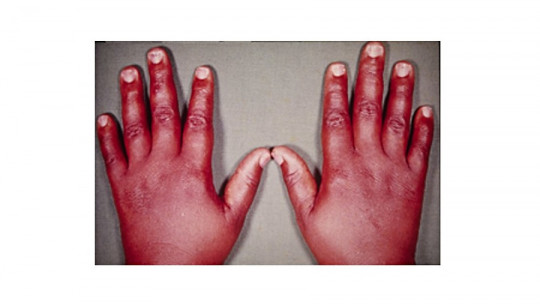
The word myxedema is used, above all, to refer to the dermatological symptoms of advanced hypothyroidism and the clinical picture associated with it Among the main changes in the skin that can occur as a result of a malfunction of the thyroid gland are: Swelling of the face, including lips, eyelids and tongue.
Swelling and thickening of the skin anywhere on the body, especially the lower legs.
Symptoms
In addition to the skin changes we have already mentioned, other symptoms can be associated with myxedema
Myxedema crisis
Myxedema crisis, also called myxedema coma, is an urgent medical condition that occurs when the body cannot tolerate the changes associated with severe hypothyroidism The body is decompensated, with very abnormal levels of different substances that make it difficult for the body to function properly.
The myxedema crisis can cause death due to complications from infection, hemorrhage, or respiratory failure It is more common in women (80%) and people over 60 years old, appearing especially in winter. It can occur during pregnancy as well.
Causes
As we have seen, hypothyroidism occurs when the thyroid gland does not function properly There are several reasons that can explain why the thyroid gland fails or is working less than it should, among which we can highlight:
Typically, the dermatological problems of myxedema and the crisis associated with this medical problem occur when severe hypothyroidism has not been properly diagnosed or treated It can also occur as a consequence of abandoning thyroid medication, causing this clinical condition to occur.
One of the biological explanations that have been given to explain myxedema has to do with the deposits of carbohydrate chains, specifically mucopolysaccharides These substances accumulate in the skin, damaging it. In addition, they explain the swelling since they are substances that attract water, causing it to accumulate in the skin.
Regarding the myxedema crisis, which, as we have mentioned, is much more serious, This usually occurs more in the winter months and can be triggered by the following factors:
- Stop taking treatment for hypothyroidism
- Have a heart attack or stroke
- Infection
- Trauma
- Use of central nervous system suppressive drugs
- Cold exposure
- Stress
How is myxedema diagnosed?
Myxedema is a medical condition that, when it occurs, does not go unnoticed. Whether in crisis form or in its less urgent form, the doctor will quickly diagnose that you are suffering from myxedema, and will proceed to intervene. To confirm the diagnosis, blood tests can be performed that look at the levels of sodium, carbohydrates, oxygen and carbon dioxide
In myxedema it usually happens that the pituitary gland increases the production of thyroid stimulating hormone when the thyroid gland is not working enough. The thyroid gland test is accompanied by the thyroxine (T4) test, a hormone which is produced directly in the thyroid. If there is high production of thyroid-stimulating hormone but low production of thyroxine, there is a biological indicator that one suffers from hypothyroidism.
Regarding the myxedema crisis, given the seriousness of the situation, we must proceed quickly and confirm the diagnosis as soon as possible. This is why medical personnel will focus on the following symptoms to confirm or reject the diagnosis and intervene urgently:
- Dry Skin
- Sparse hair
- Hypothermia
- Swelling in the face and legs
- Goiter
- Possible scar from a thyroidectomy
- Low blood pressure and heart rate
- Confusion
- Breathing slowing
Complications of myxedema
The thyroid gland is very important for the proper functioning of the body, especially metabolism. In very advanced hypothyroidism it usually happens that the metabolism is very slowed down, affecting the use of oxygen. This very negatively affects all the organic processes and systems of the body, which can lead to the following medical complications if myxedema is not treated.
- Hypothermia
- Swelling and fluid retention
- Low drug metabolism and risk of accumulation
- Pregnancy problems, such as miscarriage, preeclampsia (chronic high blood pressure), premature birth, and birth defects
- Heart failure
- Renal problems
- Depression
- Eat
- Death
How is myxedema treated?
To avoid myxedema, hypothyroidism must be treated beforehand, since it is that medical problem that causes it. For this, the treatment focuses on administering a synthetic version of the T4 hormone called levothyroxine (Levothroid, Levoxyl).
Once administered, T4 levels are restored, making symptoms easier to control. Although it may take weeks to achieve acceptable improvement, it must be said that this intervention is very effective. Likewise, the patient will most likely have to take the drug for the rest of his or her life.
Regarding myxedema crises, treatment is urgent. The patient will receive intensive care and the first therapeutic option consists of give thyroid hormone as replacement therapy, given intravenously Some blood tests will also be performed to confirm the levels of different substances.
Prevention is preferable to treatment because, in the event of a crisis, even receiving emergency treatment, mortality is quite high, between 25 and 60%.
- Berger, William D. James, Dirk M. Elston, Timothy G. (2011). Andrews’ Diseases of the skin: clinical dermatology (11th ed.). (London): Saunders/Elsevier. ISBN 978-1-4377-0314-6.
- McConahey, W. M. (March 1978). Diagnosing and treating myxedema and myxedema coma. Geriatrics. 33 (3): 61–66. ISSN 0016-867X. PMID 624451
- Lindholm, J.; Laurberg, P. (2011). Hypothyroidism and Thyroid Substitution: Historical Aspects. Journal of Thyroid Research. 2011: 809341. doi:10.4061/2011/809341. PMC 3134382. PMID 21760981.
Use this citation format to reference the article clearly and help readers find the original source.
PsychologyFor. (2024). Myxedema: What it Is, Characteristics and Associated Symptoms. PsychologyFor. https://psychologyfor.com/myxedema-what-it-is-characteristics-and-associated-symptoms/