


See more of our articles in your search results.
You roll out your mat at 7 a.m., open your laptop, and stare at a screen full of yoga apps promising to change your life, your posture, and your stress levels, all before your coffee gets cold. Choosing feels harder than the practice itself. Some platforms want a monthly subscription before you’ve even tried a single pose; others bury genuinely good instruction behind confusing menus and outdated interfaces.
This decision fatigue is real, and it matters more than it might seem. Yoga’s psychological benefits, reduced cortisol reactivity, improved emotional regulation, better sleep, only show up with consistent practice, and consistency depends heavily on whether the platform you pick actually fits your schedule, budget, and learning style. Pick the wrong one, and that beautifully intentioned New Year’s resolution quietly dies somewhere around week three, buried under a subscription you forgot to cancel and a login you can’t remember.
So which options actually deliver, without draining your wallet or your motivation?
This guide walks through the 10 best online yoga classes available right now, covering free and paid options for every level and goal.
Why Online Yoga Classes Can Genuinely Support Your Mental Health
Yoga isn’t just physical exercise; a growing body of research links regular practice to measurable improvements in anxiety, mood regulation, and stress resilience. Understanding why matters before picking a platform, since it clarifies what you’re actually looking for.
How many of these have you been "meaning to read" for months?
- 1
 Sounds TrueHow to Carry What Can't Be FixedA Journal for GriefListen Free On Audible
 - 2
 AzujosThe Zen Monkey and the Lotus Flower52 Stories to Relieve Stress, Stop Negative Thoughts, Find Happiness, and Live Your Best LifeListen Free On Audible
 - 3
 MajostaDon't Believe Everything You ThinkWhy Your Thinking Is The Beginning & End Of Suffering (Beyond Suffering)Listen Free On Audible
Psychiatrist Bessel van der Kolk, whose influential research on trauma and the body has shaped modern understanding of somatic healing, has documented how yoga-based movement can help regulate the nervous system in ways talk therapy alone sometimes cannot, particularly for people carrying trauma stored physically in the body. Movement, breath, and attention combine in yoga in a way few other practices replicate.
Researcher Sat Bir Khalsa, whose work at Harvard Medical School has extensively studied yoga’s physiological and psychological effects, found that consistent practice correlates with reduced stress hormone levels and improved subjective well-being, even among people with no prior yoga experience.
- Regular practice is linked to reduced anxiety symptoms, particularly through controlled breathing techniques.
- Psychiatrists Richard Brown and Patricia Gerbarg, known for their research on breath-based interventions, have found that yogic breathing practices can meaningfully shift autonomic nervous system balance toward calm.
- Online formats make this accessible to people who might avoid an in-person studio due to social anxiety or scheduling barriers.
What to Look for When Choosing an Online Yoga Platform
The right platform depends heavily on your specific goals, budget, and preferred learning style, and no single option works best for everyone. A few practical criteria make the decision considerably easier.
Researcher Emma Seppälä, whose work on well-being and resilience has examined which wellness habits actually stick long-term, has emphasized that consistency matters more than intensity when building a sustainable practice. That insight should guide your platform choice directly: pick something you’ll actually return to, not the most impressive-looking option.
- Consider whether you prefer free content or are willing to invest in a structured paid subscription.
- Check whether the platform offers live classes or purely on-demand video libraries.
- Look for beginner-friendly options if you’re new, since some platforms assume prior experience.
- Confirm there’s a free trial before committing to an annual plan.
1. Yoga with Adriene
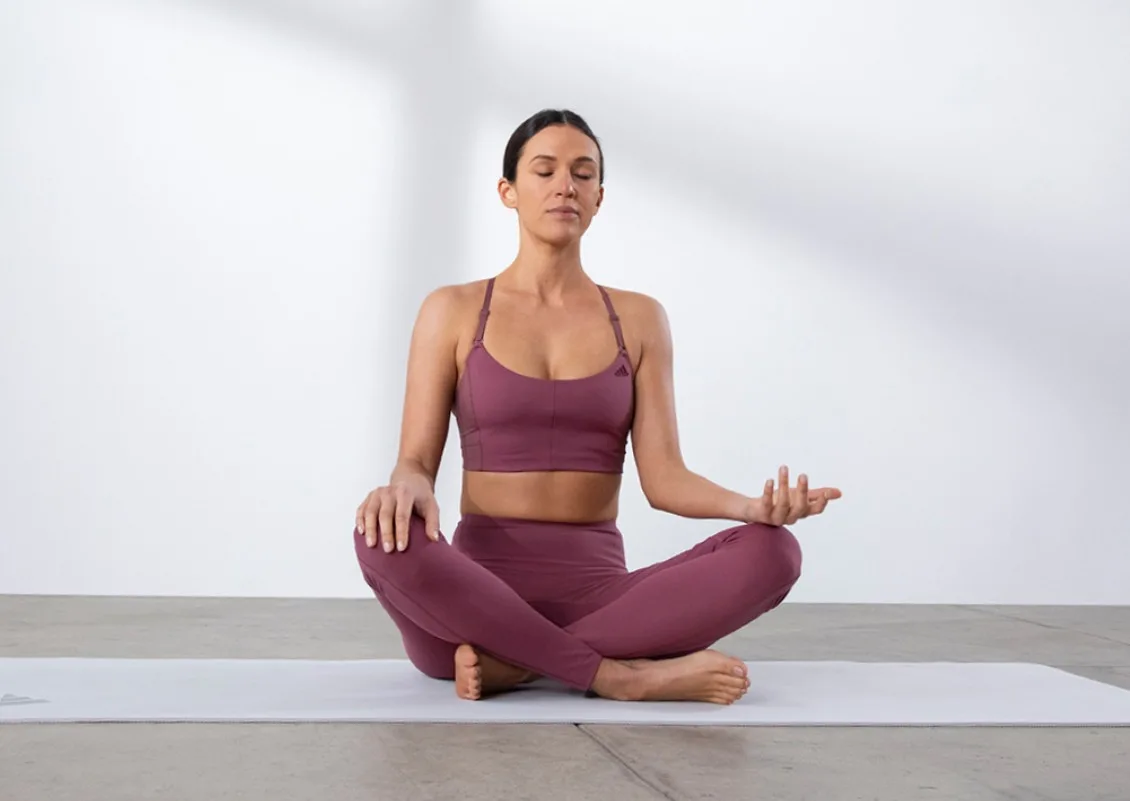
Yoga with Adriene remains the most widely recommended free option online, and for good reason. With well over ten million subscribers, Adriene Mishler’s approachable, humor-filled teaching style has made her channel a genuine entry point for millions of first-time practitioners.
Her signature “Find What Feels Good” 30-day series structure has become something of a cultural phenomenon in the wellness space. Classes range from gentle beginner flows to more challenging vinyasa sequences, and the entire library remains completely free to access anytime.
- Ideal for absolute beginners seeking a warm, low-pressure introduction to yoga.
- Offers structured 30-day challenges that build consistent practice habits.
- Available at: Yoga with Adriene on YouTube
2. Omstars

Omstars stands out for its sheer volume and depth, offering thousands of classes across virtually every yoga style and skill level, taught by more than two hundred instructors. It’s a strong pick for practitioners wanting variety within a single subscription.
The platform includes both live-streamed sessions and an extensive on-demand library, making it flexible for people with unpredictable schedules. A seven-day free trial lets you test the platform before committing financially.
- Best suited for intermediate to advanced practitioners wanting deep style variety.
- Offers both live and on-demand class formats.
- Available at: Omstars
3. Alo Moves
Alo Moves combines yoga with broader fitness programming, including strength training, meditation, and mobility work, making it appealing for people wanting a more comprehensive wellness platform rather than yoga in isolation.
Production quality is notably high, with polished cinematography and well-known instructors leading structured programs. A fourteen-day free trial offers generous time to explore before deciding whether the subscription fits your needs.
- Well suited for those wanting cross-training alongside yoga practice.
- Features high production value and structured multi-week programs.
- Available at: Alo Moves
4. Gaia

Gaia leans heavily into the more spiritual and holistic dimensions of yoga practice, pairing classes with extensive content on meditation, mindfulness, and consciousness exploration. It appeals particularly to practitioners interested in yoga’s philosophical roots.
Beyond asana practice, subscribers gain access to documentaries and educational series exploring yogic philosophy in genuine depth. This makes Gaia a strong fit for anyone wanting to understand the tradition behind the movement.
- Ideal for practitioners interested in yoga’s philosophical and spiritual dimensions.
- Includes extensive supplementary content beyond standard asana classes.
- Available at: Gaia
5. DoYogaWithMe
DoYogaWithMe offers a substantial free tier alongside its paid membership, making it a genuinely accessible option for people testing the waters before committing financially. The free content alone rivals many fully paid platforms in depth.
Classes span a wide range of styles and durations, from quick fifteen-minute sessions to full ninety-minute practices, catering well to inconsistent schedules. The paid tier unlocks additional programs and ad-free browsing.
- Offers a genuinely useful free content tier before any payment is required.
- Provides flexible session lengths for varying time constraints.
- Available at: DoYogaWithMe
6. Yoga International

Yoga International emphasizes traditional, alignment-focused instruction, appealing to practitioners who want a more grounded, technically precise approach rather than trend-driven flow sequences.
The platform pairs its class library with written articles on yoga philosophy, anatomy, and technique, appealing to learners who like understanding the “why” behind each pose. A seven-day free trial allows initial exploration at no cost.
- Strong fit for those wanting alignment-focused, traditional instruction.
- Pairs video content with in-depth written educational resources.
- Available at: Yoga International
7. Yoga with Kassandra

Yoga with Kassandra has built a dedicated following around Yin yoga and slower, more restorative practices, making this channel particularly well suited to people managing stress, fatigue, or nervous system overload.
Kassandra’s calm, clear instructional style pairs well with sessions designed specifically for relaxation and flexibility rather than intense cardiovascular exertion. The entire channel remains free, funded through advertising rather than subscriptions.
- Excellent choice for restorative and Yin-style practice specifically.
- Particularly useful for managing stress and nervous system regulation.
- Available at: Yoga with Kassandra on YouTube
8. Boho Beautiful Yoga
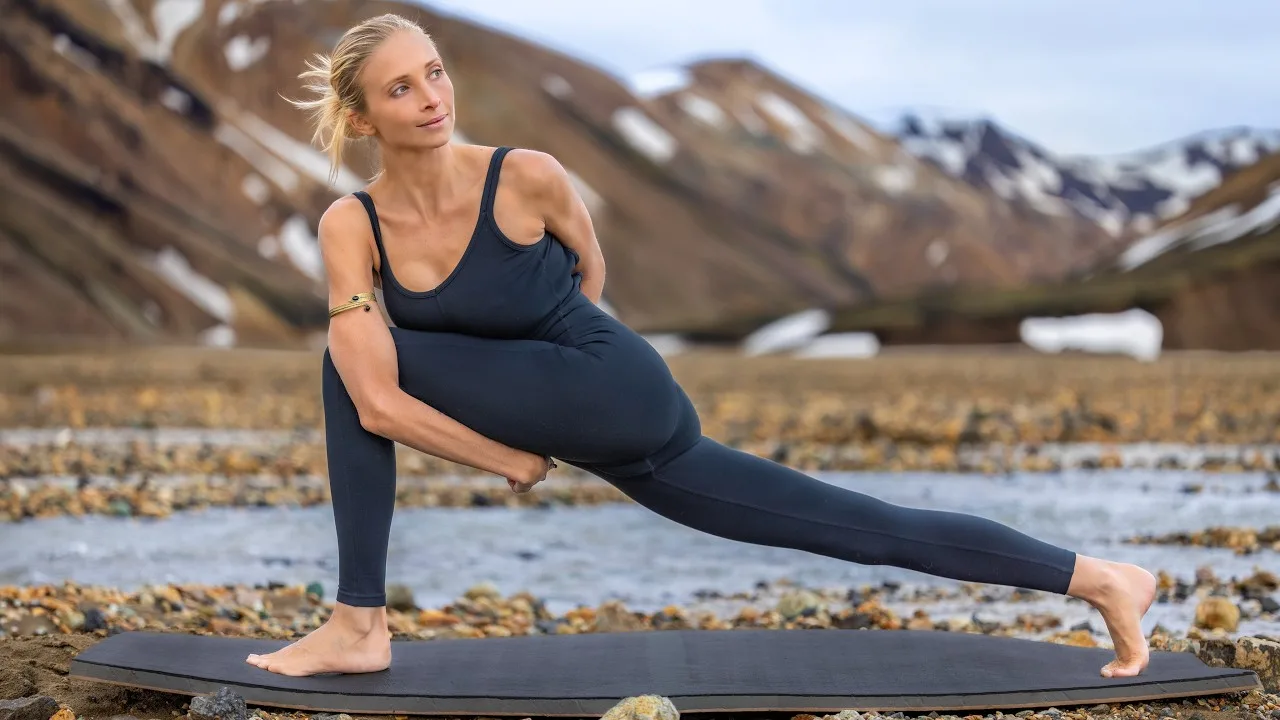
Boho Beautiful Yoga combines yoga instruction with visually striking travel-based filming locations, blending practice with genuinely inspiring production value that many viewers find motivating on its own.
The channel covers a wide range of intensities, from gentle morning flows to more athletic power yoga sequences, giving it broad appeal across fitness levels. All content remains completely free.
- Appeals strongly to viewers motivated by visually inspiring settings and production quality.
- Covers a broad range of intensity levels within a single free channel.
- Available at: Boho Beautiful Yoga on YouTube
9. Five Parks Yoga
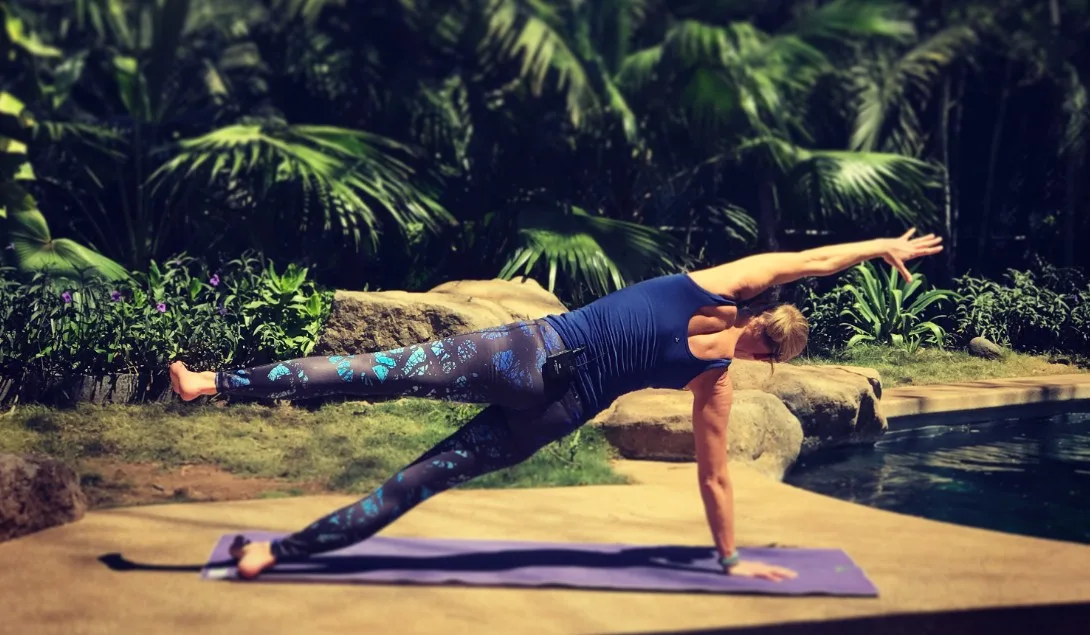
Five Parks Yoga focuses on clear, methodical instruction with an emphasis on proper alignment, making it a solid option for practitioners who want detailed cueing rather than fast-paced, music-driven sequences.
Erin Sampson’s teaching style prioritizes explanation over speed, which particularly benefits newer practitioners still learning correct form. The channel is entirely free and updated regularly with new sessions.
- Strong choice for learners prioritizing detailed alignment cues over fast pacing.
- Well suited to practitioners building a foundational understanding of correct form.
- Available at: Five Parks Yoga on YouTube
10. Yogaia
Yogaia distinguishes itself through genuinely interactive live classes, using two-way camera functionality that lets instructors see and correct your form in real time, closely replicating an in-studio experience.
This platform suits practitioners who miss the accountability and real-time feedback of an in-person class but still want the convenience of practicing from home. A fourteen-day free trial and money-back guarantee reduce the risk of trying it out.
- Best suited for those wanting real-time instructor feedback during live sessions.
- Offers a large library exceeding 3,000 classes across styles and levels.
- Available at: Yogaia
FAQs about Online Yoga Classes
Is it better to start with a free or paid online yoga platform?
For most beginners, starting with a free option like Yoga with Adriene or DoYogaWithMe’s free tier makes sense, since it lets you build a consistent habit before investing financially. Once you know your preferred style and how often you’ll realistically practice, upgrading to a paid platform with more structured programming or live instruction often becomes worthwhile. There’s no universal right answer here; it depends mostly on your budget and how much structure you personally need to stay motivated.
Can online yoga classes actually help with anxiety and stress?
Yes, research consistently links regular yoga practice, including breath-focused and gentle styles, to reduced anxiety symptoms and improved stress regulation. Online classes offer the same core physiological benefits as in-person sessions, provided the instruction includes genuine attention to breath and mindful movement rather than purely athletic sequencing. Choosing calmer, restorative styles like Yin yoga may be particularly helpful if stress reduction is your primary goal rather than physical fitness alone.
How many times per week should I practice yoga online to see benefits?
Most research suggests that practicing two to three times per week produces noticeable benefits in flexibility, stress reduction, and mood over several weeks, though even one weekly session offers some measurable improvement compared to none. Consistency over time tends to matter more than frequency in any single week, so a realistic, sustainable schedule you’ll actually maintain generally produces better long-term results than an ambitious daily commitment that quickly becomes unsustainable.
Do I need special equipment to follow online yoga classes at home?
A yoga mat is genuinely the only essential item, though blocks, straps, and a bolster can make certain poses more accessible, particularly for beginners or anyone managing limited flexibility. Many instructors demonstrate modifications using household items, like books instead of blocks, so equipment shouldn’t be a barrier to starting. Comfortable, non-restrictive clothing and enough floor space to extend your arms and legs fully in each direction covers the practical basics.
Are live online yoga classes better than pre-recorded ones?
Live classes offer real-time feedback and a stronger sense of accountability, which some practitioners find genuinely motivating compared to on-demand content they can pause or skip freely. Pre-recorded classes, however, offer far more scheduling flexibility and the ability to repeat a specific session whenever needed. Neither format is objectively superior; the better choice depends on whether you’re more motivated by structure and accountability or by convenience and flexibility.
Can beginners really learn proper yoga form just from a screen?
Yes, many people successfully learn foundational yoga form through online instruction, particularly when choosing platforms or instructors known for clear, detailed alignment cues rather than fast-paced sequences. That said, it’s worth occasionally recording yourself or using a mirror to check your form against what the instructor demonstrates, since a screen can’t correct you the way an in-person teacher physically adjusting your posture could. If you’re managing a specific injury or health condition, consulting a qualified instructor or physical therapist before starting is a reasonable precaution.
Bibliography
- van der Kolk, B. (2014). The Body Keeps the Score: Brain, Mind, and Body in the Healing of Trauma. Viking.
- Khalsa, S. B. Research on yoga and physiological stress regulation, Harvard Medical School, Division of Sleep Medicine.
- Brown, R. P., & Gerbarg, P. L. (2012). The Healing Power of the Breath: Simple Techniques to Reduce Stress and Anxiety, Enhance Concentration, and Balance Your Emotions. Shambhala Publications.
- Seppälä, E. (2016). The Happiness Track: How to Apply the Science of Happiness to Accelerate Your Success. HarperOne.
- National Center for Complementary and Integrative Health. Yoga: What You Need to Know.
- American Psychological Association. Resources on mind-body practices and stress management.
Use this citation format to reference the article clearly and help readers find the original source.
PsychologyFor. (2026). Online Yoga Classes: the 10 Best Options. PsychologyFor. https://psychologyfor.com/online-yoga-classes-the-10-best-options/