

See more of our articles in your search results.
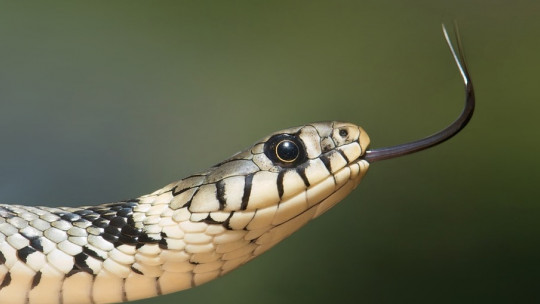
Your heart slams against your ribs the moment a nature documentary flashes a snake across the screen, and you’re reaching for the remote before you’ve even consciously registered why. Maybe you’ve canceled a camping trip, avoided a friend’s reptile-themed birthday party, or felt your whole body seize up at a rubber snake toy in a store aisle, embarrassed by how disproportionate your reaction feels compared to the actual, harmless object in front of you. If your fear of snakes has moved beyond ordinary caution into something that shapes your daily choices and triggers genuine physical panic, you may be living with ophidiophobia, one of the most common specific phobias worldwide.
This fear can feel deeply isolating precisely because it’s so widely joked about; people casually say “I hate snakes” as a throwaway line, which can make your own genuine, body-hijacking panic feel like an exaggeration or overreaction you should simply be able to control. In reality, ophidiophobia affects roughly ten percent of people to some clinically significant degree, and the physical symptoms it produces, a racing heart, shaking hands, nausea, a desperate urge to flee, are entirely real and entirely involuntary. Many people quietly restructure their lives around this fear, avoiding hiking trails, zoos, certain nature videos, or even conversations that might mention snakes, without ever realizing this level of avoidance qualifies as a genuine, treatable anxiety condition rather than simply a strong personal preference. Understanding exactly what drives this fear and what actually helps can replace years of quiet avoidance with real, lasting relief.
So what exactly causes this specific fear to take such a powerful hold, and can it genuinely be treated?
This article explains the symptoms, underlying causes, and evidence-based treatment options for ophidiophobia, the specific phobia involving an intense, persistent fear of snakes.
What Exactly Is Ophidiophobia?
Ophidiophobia is a specific phobia characterized by an intense, persistent, and disproportionate fear of snakes, extending well beyond reasonable caution around a genuinely dangerous animal. This fear typically triggers significant anxiety not just during a real encounter, but also when thinking about, seeing images of, or hearing conversation about snakes.
How many of these have you been "meaning to read" for months?
- 1
 Thomas NelsonMaking Peace with What I Can’t ControlFind Relief from the Exhaustion of Overthinking, Trying to Fix Others, and Wanting to Figure It A...Listen Free On Audible
 - 2
 Thomas NelsonContendStanding Boldly for Biblical Truth While Winning the War WithinListen Free On Audible
 - 3
 S&S/Simon ElementProtocolsAn Operating Manual for the Human BodyListen Free On Audible
Clinically, ophidiophobia falls under the broader diagnostic category of specific phobias in the Diagnostic and Statistical Manual of Mental Disorders, meaning it shares core diagnostic features with other well-documented animal phobias while being defined by its particular focus on snakes specifically. What separates this condition from ordinary, adaptive wariness is both the intensity of the reaction and its persistence even toward snakes that pose no actual danger, including harmless species or even images, toys, and cartoon depictions.
Research consistently finds this to be one of the most common specific phobias globally, with some studies estimating that roughly ten percent of people experience clinically meaningful fear of snakes at some point in their lives. This prevalence has led some researchers, including psychologist Arne Öhman, to propose that humans may carry an evolutionary predisposition toward rapidly detecting and fearing snake-like stimuli, a theory that helps explain why this particular phobia appears so consistently across cultures and historical periods.
Recognizing ophidiophobia as a legitimate, well-documented clinical condition, rather than an exaggerated personal quirk, is often the first step toward taking your own experience seriously enough to pursue effective, structured treatment.
What Are the Core Symptoms of Ophidiophobia?
Ophidiophobia produces a recognizable combination of physical, emotional, and behavioral symptoms whenever a person encounters, sees, or even thinks about snakes. These symptoms typically appear together as part of the body’s acute stress response rather than occurring in isolation.
- Rapid heartbeat and rapid breathing occur almost immediately upon exposure to a snake-related trigger, reflecting the body’s fight-or-flight activation.
- Sweating, trembling, or shaking, particularly in the hands, frequently accompanies the acute fear response.
- Nausea, dizziness, or lightheadedness can develop rapidly, sometimes intense enough to cause fainting in severe cases.
- An overwhelming urge to flee or freeze often dominates the moment, making it genuinely difficult to think clearly or respond calmly.
- Persistent avoidance behavior extends into daily life, including canceling outdoor activities or steering conversations away from the topic entirely.
Beyond these acute reaction symptoms, ophidiophobia frequently produces significant anticipatory anxiety, meaning distress can build well before any actual encounter, simply from anticipating the possibility of seeing a snake at an upcoming event, location, or activity. Children experiencing this phobia may express these symptoms somewhat differently, sometimes through crying, clinging to a caregiver, or having a full tantrum rather than clearly articulating the fear verbally the way an adult typically would.
A practical takeaway: keeping a simple log noting exactly what triggered a fear response, how intense it felt on a scale of one to ten, and how long the reaction lasted can provide genuinely useful, concrete information for a therapist working with you on structured treatment.
How Intense Can Ophidiophobia Symptoms Actually Become?
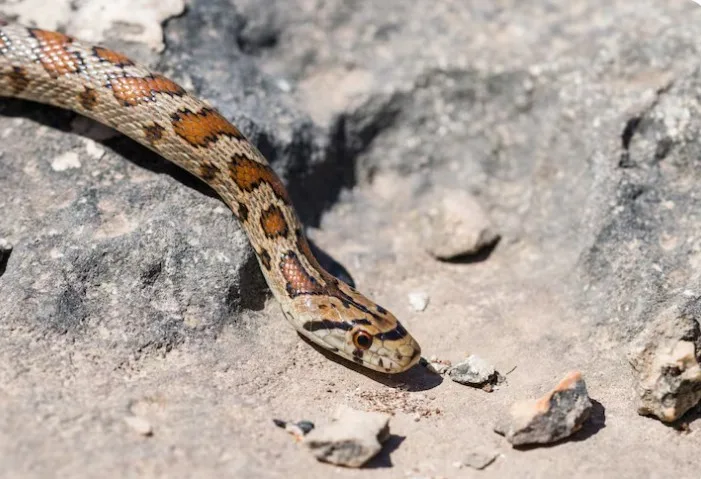
For some people, ophidiophobia produces symptoms severe enough to closely resemble a full panic attack, involving intense physical distress that can last for a significant period even after the actual trigger has been removed. Understanding this range of severity helps validate experiences that go well beyond a simple, quick startle response.
Clinical descriptions of severe cases note that heart rate can increase substantially during exposure to a snake-related stimulus, accompanied by hyperventilation and uncontrollable trembling, sometimes progressing to cold sweating, significant dizziness, chest tightness, and in extreme cases, nausea or fainting. These full panic episodes can persist for up to fifteen minutes in particularly severe presentations, a genuinely distressing duration that underscores why this condition deserves serious clinical attention rather than casual dismissal.
This level of intensity frequently drives the significant behavioral avoidance characteristic of more severe ophidiophobia, including refusing to visit zoos, avoiding hiking or camping entirely, or experiencing significant distress even discussing snakes in casual conversation. The genuine, felt terror during these episodes often includes intense fear of losing control, fear of embarrassing oneself publicly, or even a fear of dying, despite the person’s full conscious awareness that the actual snake or image poses no genuine threat to their safety.
A practical takeaway: if your symptoms have ever reached this level of intensity, particularly involving fainting or prolonged panic, mentioning this specific detail to your healthcare provider helps ensure you receive appropriately structured, gradual treatment rather than an approach that risks overwhelming your nervous system too quickly.
What Causes Ophidiophobia to Develop?
There is no single, definitive cause of ophidiophobia; research consistently points to a combination of genuine negative experience, learned behavior, cultural influence, and possibly an underlying evolutionary predisposition. Understanding these overlapping causes helps replace self-blame with genuine insight into how this specific fear actually takes hold.
A direct, frightening encounter with a snake, particularly during childhood, represents one of the most commonly identified triggers, especially when the encounter involved a genuine snakebite or occurred in a situation where the person felt trapped or helpless. However, research consistently finds that direct negative experience isn’t required at all; many people develop ophidiophobia purely through observation, watching a parent, sibling, or other close family member react with visible terror to a snake, a process psychologists call vicarious learning, or observational conditioning.
Cultural and media influence also plays a significant, well-documented role; snakes appear consistently across mythology and popular culture as symbols of danger, evil, or deception, from the serpent in the Garden of Eden to Medusa’s snake-covered hair in Greek mythology, and repeated exposure to alarmist media coverage or frightening film depictions can meaningfully reinforce fear even without any personal negative experience at all. According to research cited by the Anxiety and Depression Association of America, roughly sixty-two percent of ophidiophobia cases trace back to some form of childhood trauma, though the remaining cases develop through these other observational and cultural pathways instead.
- Direct negative experience with a snake, especially during childhood, can create lasting, intense fear.
- Vicarious or observational learning from watching a family member’s fearful reaction often transmits the phobia without any personal encounter.
- Cultural and media portrayal of snakes as consistently dangerous or evil reinforces fear through repeated exposure over time.
- A possible evolutionary predisposition toward rapid snake detection may make humans generally more prone to this specific fear than to many other phobias.

Is There a Genetic or Evolutionary Basis for Fearing Snakes?
Yes, substantial research suggests humans may carry a genuine evolutionary predisposition toward detecting and fearing snake-like stimuli, distinguishing this phobia somewhat from fears that are purely learned through individual experience. This biological foundation helps explain why ophidiophobia appears so consistently across vastly different cultures and historical eras.
Psychologist Arne Öhman’s influential research on fear conditioning found that humans and other primates learn to associate snakes with danger considerably faster and more persistently than they learn similar associations with neutral or even other threatening objects, a pattern he termed evolutionary preparedness. This theory proposes that because snakes posed a genuine, persistent survival threat throughout human evolutionary history, natural selection favored individuals with a built-in tendency toward rapid, robust fear learning specifically around snake-like shapes and movements.
Genetics also appears to play a more general, contributing role; people with a family history of anxiety disorders or specific phobias show measurably higher rates of developing ophidiophobia themselves, suggesting an inherited vulnerability toward anxious responding generally, which then interacts with specific environmental triggers to determine which particular phobia, if any, actually develops. This combination of evolutionary predisposition and individual genetic vulnerability helps explain why ophidiophobia remains one of the most common and persistent specific phobias despite modern life involving far less direct snake exposure than earlier human history.
A practical takeaway: understanding that your fear may have deep evolutionary and genetic roots, rather than reflecting personal weakness or irrationality, can genuinely reduce the shame that often accompanies phobias people feel they “shouldn’t” have in a modern, relatively snake-free daily environment.
How Does Ophidiophobia Get Diagnosed?
Diagnosing ophidiophobia typically involves a clinical evaluation assessing the specific pattern, intensity, and duration of fear symptoms, along with their impact on daily functioning. There’s no laboratory test or brain scan that can confirm a specific phobia; diagnosis relies entirely on a thorough clinical history and structured assessment.
According to diagnostic criteria outlined in the DSM-5, a formal specific phobia diagnosis requires that the fear be persistent, generally lasting six months or longer, disproportionate to any actual danger the object presents, and significant enough to cause real distress or interfere meaningfully with daily life, relationships, or functioning. A mental health professional will typically ask detailed questions about when the fear began, what specific triggers provoke a reaction, how consistently and intensely symptoms occur, and what specific avoidance behaviors have developed as a result.
This evaluation also typically screens for co-occurring anxiety conditions, since specific phobias frequently overlap with generalized anxiety disorder, panic disorder, or other specific phobias, and understanding this broader anxiety picture helps guide the most effective, appropriately comprehensive treatment approach. Being genuinely honest about the full extent of your avoidance behaviors during this evaluation, even aspects that feel embarrassing or excessive, ensures your treatment plan actually addresses the complete scope of how this fear affects your life.
A practical takeaway: before your evaluation, consider writing down specific examples of situations you’ve avoided due to snake-related fear, since concrete examples give a clinician much clearer, more actionable information than a general statement like “I’m really scared of snakes.”

What Is Exposure Therapy and Why Does It Work So Well?
Exposure therapy is widely considered the single most effective treatment for specific phobias, including ophidiophobia, working by gradually and systematically confronting feared stimuli in a controlled, supportive therapeutic setting. This structured approach directly targets the avoidance pattern that keeps phobias entrenched over time.
The underlying mechanism relies on a process psychologists call habituation, in which repeated, controlled exposure to a feared stimulus, without the anticipated catastrophic outcome actually occurring, gradually reduces the intensity of the fear response over successive exposures. A typical exposure hierarchy for ophidiophobia might begin with simply looking at a photograph of a snake, then progress gradually to watching video footage, viewing a snake through glass at a controlled distance, and eventually, for those pursuing the fullest treatment course, being in the same room as a calm, professionally handled snake.
Clinical research consistently shows that this gradual, systematic exposure produces significantly better and more lasting outcomes than avoidance ever can, since avoidance actually reinforces the phobia by preventing the brain from learning that the feared outcome doesn’t actually occur. Virtual reality exposure therapy has also emerged as a genuinely effective, increasingly accessible option, allowing patients to practice controlled exposure to realistic, digitally rendered snakes in a completely safe environment before progressing, if desired, toward real-world exposure steps.
A practical takeaway: if the idea of eventual in-person exposure feels overwhelming right now, know that a well-structured exposure hierarchy always begins with the least distressing step and only progresses at a pace you and your therapist agree feels genuinely manageable, never rushing ahead before you’re ready.
How Does Cognitive Behavioral Therapy Address Ophidiophobia?
Cognitive behavioral therapy, commonly paired with exposure techniques, addresses the specific thought patterns that fuel and maintain ophidiophobia, helping patients build a more accurate, less catastrophic relationship with snake-related fear. This combined approach, often called cognitive behavioral exposure therapy, represents the gold standard treatment for specific phobias.
Psychiatrist Aaron Beck’s foundational cognitive theory establishes that anxiety disorders, including specific phobias, are maintained partly through consistent, automatic catastrophic thinking patterns, such as assuming any snake encountered must be venomous and life-threatening, regardless of the actual species or context. Cognitive behavioral therapy directly challenges these distorted beliefs, helping patients learn to accurately distinguish between genuinely dangerous situations and the vast majority of harmless snake encounters that don’t actually warrant a full panic response.
This therapeutic approach also teaches practical coping skills for managing acute anxiety symptoms when they do arise, including controlled breathing techniques and grounding exercises that help interrupt the escalating physical panic response before it reaches its peak intensity. Combining this cognitive work with gradual exposure produces a particularly powerful treatment effect, since patients simultaneously learn both that their catastrophic predictions are inaccurate and that they can genuinely tolerate the discomfort of exposure without the feared outcome occurring.
A practical takeaway: practicing a specific breathing technique, such as slow, extended exhales, during moments of mild anxiety unrelated to snakes can help you build genuine comfort with the technique before needing to rely on it during more challenging exposure exercises.

What Additional Treatment Approaches Can Help?
Beyond exposure therapy and cognitive behavioral techniques, several additional approaches can meaningfully support treatment for ophidiophobia, particularly for people with significant co-occurring anxiety or those who benefit from a broader range of coping tools. These approaches typically complement rather than replace core exposure-based treatment.
- Relaxation training, including progressive muscle relaxation, helps reduce the baseline physical tension that can intensify phobic reactions.
- Psychoeducation about actual snake behavior can help correct exaggerated beliefs about aggression or prevalence that fuel disproportionate fear.
- Medication for co-occurring anxiety, when clinically appropriate, may support a patient’s ability to engage more fully in exposure-based therapy.
- Support groups connecting people with similar specific phobias can reduce the isolation and embarrassment many people feel about this fear.
Medication generally isn’t considered a primary standalone treatment for specific phobias like ophidiophobia, since exposure-based psychotherapy produces more durable, lasting results, but certain anti-anxiety medications may be used short-term to help a particularly anxious patient tolerate the early stages of exposure work more comfortably. Learning accurate information about snake behavior, including the reality that most species are non-venomous and generally avoid human contact whenever possible, can also provide a genuinely useful cognitive counterbalance to years of exaggerated fear.
A practical takeaway: pairing structured exposure therapy with basic, accurate education about snake biology and behavior tends to produce more complete, lasting relief than either approach used entirely on its own.
When Should You Seek Professional Help for Ophidiophobia?
Professional help becomes genuinely appropriate whenever fear of snakes significantly interferes with daily activities, causes substantial personal distress, or has persisted for six months or longer without improvement. Waiting until the fear becomes completely debilitating isn’t necessary or advisable; earlier intervention generally produces faster, more complete results.
Warning signs that your fear has crossed into genuinely clinical territory include consistently avoiding entire categories of activities, like hiking, camping, or visiting zoos, experiencing significant anxiety even from casual conversation or unexpected media mentioning snakes, or noticing that your fear has begun affecting relationships or professional obligations. A licensed mental health professional experienced in treating specific phobias, ideally one trained specifically in exposure-based cognitive behavioral therapy, offers the most effective, evidence-based path toward genuine, lasting relief.
Seeking treatment for ophidiophobia reflects genuine self-awareness and courage, not embarrassment or overreaction to something others might casually dismiss. Specific phobias respond remarkably well to appropriate treatment, with many people experiencing significant, lasting improvement after a relatively focused course of exposure-based therapy, often making this one of the more treatable anxiety conditions when addressed with proper clinical support.
A practical takeaway: if you’ve been managing your fear purely through avoidance for years and it’s begun limiting activities you’d genuinely enjoy participating in, treat that limitation itself as sufficient, valid reason to schedule an initial consultation with a phobia-specialized therapist.
FAQs about Ophidiophobia
What exactly is ophidiophobia?
Ophidiophobia is a specific phobia involving an intense, persistent, and disproportionate fear of snakes, extending well beyond reasonable caution around a potentially dangerous animal. It’s classified as one of the most common specific phobias worldwide, affecting roughly ten percent of people to some clinically significant degree. The fear typically triggers significant physical and emotional distress not only during actual encounters, but also when viewing images, watching videos, or even discussing snakes in casual conversation.
What are the most common symptoms of ophidiophobia?
Common symptoms include rapid heartbeat, rapid breathing, sweating, trembling, nausea, dizziness, and an overwhelming urge to flee or freeze when encountering snake-related triggers. Many people also experience significant anticipatory anxiety, feeling distressed simply thinking about a potential upcoming encounter, along with persistent avoidance behavior that can meaningfully restrict daily activities like hiking, camping, or visiting zoos. In severe cases, symptoms can escalate to full panic attacks lasting up to fifteen minutes, including chest tightness and, occasionally, fainting.
What causes someone to develop a fear of snakes?
There’s no single cause; research points to a combination of direct negative experiences, particularly during childhood, observational learning from watching a family member react fearfully to snakes, and cultural or media portrayal that consistently frames snakes as dangerous or evil. Some researchers also propose an evolutionary predisposition toward rapid snake detection and fear learning, suggesting humans may be biologically primed to develop this particular fear more easily than many other phobias. Genetics also plays a contributing role, since a family history of anxiety disorders increases individual vulnerability to developing specific phobias generally.
Is ophidiophobia the same as simply disliking snakes?
No, ophidiophobia involves a level of fear and functional impairment that goes well beyond ordinary dislike or caution. A formal clinical diagnosis requires that the fear be persistent, typically lasting six months or longer, disproportionate to any actual danger present, and significant enough to cause genuine distress or meaningfully interfere with daily life and functioning. Simply preferring to avoid snakes when reasonably possible, without significant physical panic symptoms or major lifestyle restriction, doesn’t necessarily meet this clinical threshold.
What is the most effective treatment for ophidiophobia?
Exposure therapy, often combined with cognitive behavioral therapy techniques, is widely considered the most effective, evidence-based treatment for ophidiophobia and specific phobias generally. This approach involves gradually and systematically confronting feared stimuli, starting with the least distressing step, such as viewing a photograph, and progressing at a comfortable pace toward more challenging exposures. Virtual reality exposure therapy has also emerged as a genuinely effective, increasingly accessible option for practicing controlled exposure in a completely safe environment.
Can ophidiophobia be completely cured?
Many people experience significant, lasting improvement, and in some cases what feels like complete resolution, after a focused course of exposure-based cognitive behavioral therapy. Specific phobias generally respond remarkably well to appropriate treatment compared to some other anxiety conditions, making ophidiophobia one of the more treatable presentations when addressed with proper clinical support. While occasional mild discomfort around snakes may persist for some people even after successful treatment, the significant, life-limiting fear and avoidance typically improves dramatically with structured, evidence-based intervention.
Bibliography
- Cleveland Clinic. (2022). Ophidiophobia (Fear of Snakes).
- Medical News Today. (2022). Ophidiophobia: Symptoms, Causes, Diagnosis, and Treatment.
- Healthline Media. (2019). Understanding Ophidiophobia: A Fear of Snakes.
- Öhman, A., & Mineka, S. (2001). Fears, phobias, and preparedness: Toward an evolved module of fear and fear learning. Psychological Review.
- Beck, A. T., Emery, G., & Greenberg, R. L. (1985). Anxiety Disorders and Phobias: A Cognitive Perspective. Basic Books.
- American Psychiatric Association. (2013). Diagnostic and Statistical Manual of Mental Disorders, Fifth Edition. American Psychiatric Publishing.
- Anxiety and Depression Association of America. Specific Phobias: Facts and Statistics.
Use this citation format to reference the article clearly and help readers find the original source.
PsychologyFor. (2026). Ophidiophobia: Symptoms, Causes and Treatment. PsychologyFor. https://psychologyfor.com/ophidiophobia-symptoms-causes-and-treatment/