

See more of our articles in your search results.
Psychological reactance is a powerful and often unconscious emotional and cognitive response that occurs when people perceive their freedom or autonomy is being threatened. Whether it’s a teenager resisting curfews or an adult ignoring health advice, this phenomenon can significantly affect decision-making, behavior, and relationships.
Understanding how psychological reactance works can help us communicate better, avoid unintentional resistance, and even improve mental well-being and personal growth.
What Is Psychological Reactance?
Psychological reactance is a motivational state triggered when someone feels their personal freedom to think, behave, or decide is being limited or taken away. The term was coined by psychologist Jack W. Brehm in 1966, and it plays a critical role in how we respond to perceived pressure, control, or restriction.
The initial reaction when we face uncontrollable results is not typically the feeling of acquired impotence, but a greater motivation to recover our loss of control and freedom. Brehm coined the term psychological reactance to describe the motivational condition that is activated when we feel that our freedom of action is threatened somehow.
When people sense that they’re being told what to do or coerced into a choice, they often experience a pushback effect—a desire to do the opposite of what is being imposed.
How many of these have you been "meaning to read" for months?
- 1
 TarcherThe Artist's Way30th Anniversary EditionListen Free On Audible
 - 2
 New Harbinger PublicationsThe Dialectical Behavior Therapy Skills WorkbookPractical DBT Exercises for Learning Mindfulness, Interpersonal Effectiveness, Emotion Regulation...Listen Free On Audible
 - 3
 New Harbinger PublicationsAdult Children of Emotionally Immature ParentsHow to Heal from Distant, Rejecting, or Self-Involved ParentsListen Free On Audible
Example of Psychological Reactance
Imagine someone says, “You absolutely have to stop drinking soda.” The most likely reaction? A sudden and irrational urge to grab a can—even if you were trying to cut back. This resistance is psychological reactance in action.
Effects of Psychological Reactance
What are the most common psychological reactions of reactance? The prohibition makes us feel threatened in what we consider our right of choice and automatically activates the rebellion. Therefore, in a threatening situation we do not respect it, or even do the opposite of what they ask us. This even more intensifies prohibited behavior.
What is prohibited becomes even more tempting. If before it was desirable but along with other options, now the fact of being prohibited does so suddenly priority and inalienable. We all know that suddenly we feel the entire importance of something or someone at the time we run the risk of losing it or that it is taken from us.
The emotional and behavioral effects of reactance can be subtle or extreme depending on the person and situation. Common effects include:
1. Anger or Resentment
People may feel annoyed, frustrated, or angry when their freedom is threatened.
2. Oppositional Behavior
Individuals may actively resist or reject what is being suggested, even if it’s in their best interest.
3. Strengthening of the Opposed View
Reactance can lead someone to double down on their previous beliefs or behaviors just to reassert control.
4. Avoidance of Authority Figures
A person may start avoiding whoever they perceive as trying to control them—such as parents, teachers, doctors, or even friends.
5. Impulsive or Rebellious Actions
When people feel cornered, they may take sudden, impulsive actions to “prove” their independence.

Consequences of Psychological Reactance
According to this theory of psychological reactance, humans are deeply motivated by the desire to feel responsible for ourselves and to be free from the rules and suggestions of others. Thus, the psychological reaction caused by reactance predicts that if people believe that their freedom to choose how to live is being attacked or manipulated, they will feel a strong desire to react until the pressure is removed.
Psychological reactance can adopt many forms depending on the circumstances. The actions or objects that are restricted seem more valuable and interesting at the time our access to them is threatened. For example, this type of emotional reaction can occur when we are induced too much to accept an attitude or an opinion. In such situations, we reaffirm our freedom by adopting the opposite point of view that they want to impose.
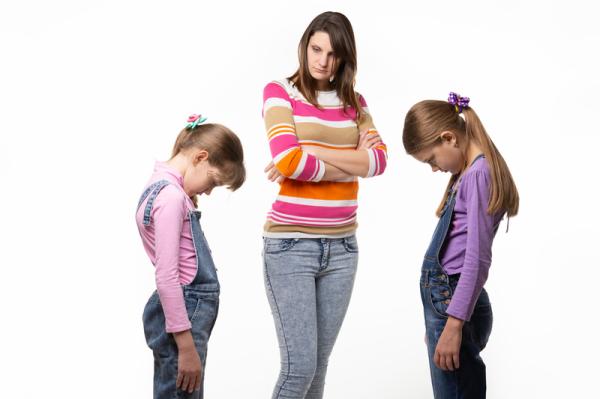
Particularly, this type of reaction can be easily observed in children, who are especially fascinated by toys or activities that are prohibited from them. Another example of psychological reactance can be found in adolescents, who often break the rules of parents precisely to symbolically reaffirm their freedom.
While reactance is a natural response, it can carry negative consequences when left unchecked.
Health Consequences
Reactance can make people ignore medical advice, avoid therapy, or reject health warnings—jeopardizing their well-being.
Relationship Tension
In personal or romantic relationships, pushing too hard can result in emotional distancing, arguments, or even breakups.
Educational and Workplace Challenges
In academic or work settings, over-controlling teachers or managers may create resistance among students or employees, leading to low engagement or performance.
Social and Political Polarization
Reactance also explains why some people resist social movements, laws, or public health campaigns. The more forcefully people are told to conform, the more they may resist, even irrationally.
Examples of psychological reactance
The reverse psychology that is applied in the theory of psychological reactance is very common and is used in multiple everyday situations. People tend to rebel when something is prohibited, they are removed a freedom or they are told that they are wrong
Next, we present some of the examples of psychological reactance:
- Population seclusion in their homes by COVID-19: Faced with the perceived threat of restriction of the freedom of the pandemic, individuals adopt behavior whose effects depend on the proportionality of the threat, the source of the threat, the duration of deprivation and the coercive aspect of the application.
- Boomerang effect: Refers to the rejection of the position of the other by the person trying to persuade. This entails that this pressed person adopts a different behavior, but not necessarily against what was originally intended.
- Censorship effect: It is a type of psychological reactance in which the censored object or behavior becomes much more attractive in white than before its censorship. For example, in the story of Romeo and Julieta they are forbidden to leave and be together and this prohibition becomes the main reason that pushes them to be together.
Factors That Increase Psychological Reactance
Not everyone experiences reactance the same way. Some are more prone to it than others. Factors that influence its intensity include:
- Personality Traits: People high in trait reactance are naturally more defiant and value autonomy.
- Perceived Threat: The more pressure or control someone perceives, the stronger the reactance.
- Communication Style: Authoritative or rigid messaging increases resistance.
- Past Experiences: Individuals with histories of trauma or over-control may react more strongly.

How to Reduce or Avoid Psychological Reactance
Understanding how to minimize reactance can improve how you communicate with others and make your requests or advice more acceptable.
1. Offer Choices
People are more receptive when they feel they have options, not ultimatums.
2. Use Gentle Language
Instead of saying “You must,” try “You might consider” or “It could be helpful if…”
3. Build Empathy
Start by validating the other person’s feelings. This reduces defensiveness and opens up dialogue.
4. Avoid Overly Controlling Behavior
Micromanagement, nagging, or strict authority can trigger resistance.
5. Ask Questions
Inviting the other person to reflect or come to their own conclusion often works better than direct persuasion.
Psychological reactance is deeply rooted in our need for autonomy. Whether you’re a parent, teacher, partner, or leader, recognizing this invisible resistance can transform how you approach influence, persuasion, and communication. In a world full of messages, advice, and authority, sometimes the best way to reach someone is to give them the freedom to choose.
Brehm’s psychological reactance theory
The theory of reactance is framed in the field of social psychology and was developed by Jack Brehm in 1966 and extended to clinical psychology by Sharon Brehm in 1976. The concept of psychological reactance describes the motivational force that pushes to restore lost freedom or threatened to do not be able to adopt the behavior that is freely desired.
Mainly, psychological reactance is manifested by not wanting to adhere to a mandate and an opposite behavior is adopted. In these situations it is important to learn to make good use of freedom.
FAQs about Psychological Reactance
Is psychological reactance the same as being rebellious?
Not exactly. While rebellion is a broader behavioral response, reactance is the psychological process that drives the urge to resist when freedom feels threatened. A rebellious act is one expression of reactance.
Can children experience psychological reactance?
Yes, and often do. Teenagers are particularly prone to psychological reactance as they develop a sense of identity and independence.
How can psychological reactance affect therapy or counseling?
Clients may resist advice or treatment plans if they feel forced or not in control. Effective therapists work collaboratively, empowering clients and offering choices.
Can reactance be positive?
In some cases, yes. Reactance can protect personal boundaries and foster autonomy. However, excessive or misplaced reactance can lead to poor decision-making.
Is it possible to reduce someone’s reactance over time?
Yes. By fostering trust, avoiding coercion, and encouraging autonomy, you can gradually lower defensive reactions and create more open communication.
References
- Forgas, JP (2002). Interpersonale behavior. Dell’inrazione Psychology. Rome: Armando Editore.
- Locci, G., Occhini, L. (2005). Atteggiamenti and Communicazione. EDIZIONI Aras.
- Montesi, L. (2017). Più me proibisci, più faccio: the psychological reattanza. Retrieved from: https://www.cantropagina.it/benessere/piu-me-lo-proibisci-piu-lo-faccio-la-reattanza-psicologica/
Use this citation format to reference the article clearly and help readers find the original source.
PsychologyFor. (2025). Psychological Reactance: What Is, Effects, Consequences and Examples. PsychologyFor. https://psychologyfor.com/psychological-reactance-what-is-effects-consequences-and-examples/