

See more of our articles in your search results.
Every moment of our lives, our senses are taking in information — the sound of laughter, the warmth of sunlight, the scent of fresh coffee brewing in the morning. Sensory perception is the incredible system that allows us to experience the world around us in vivid detail. Without it, life would be an isolated existence, disconnected from the beauty and complexity of our environment.
As a psychologist, I am constantly fascinated by how sensory perception not only helps us survive but also shapes our thoughts, emotions, and memories. Understanding how it works can deepen our appreciation of human experience and reveal how much of our reality is crafted by the brain’s remarkable ability to interpret sensory information.
In this article, I’ll guide you through what sensory perception is, its fundamental components, how it operates, and why it matters for our daily functioning and emotional well-being.
What Is Sensory Perception?
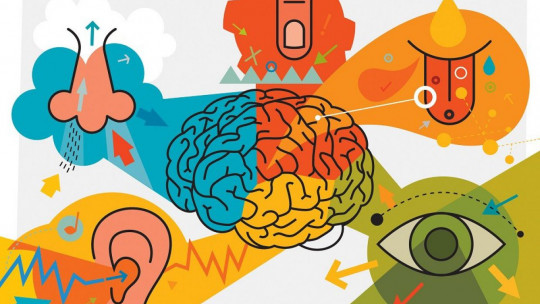
Sensory perception is the process by which our brain interprets and organizes information received from our senses. It goes beyond merely detecting stimuli; it involves giving meaning to the raw data collected through sensory organs.
When you see a sunset, your eyes capture light waves, but it’s your brain that translates those waves into the rich colors of orange, pink, and purple. Similarly, when you hear your favorite song, your ears detect sound vibrations, but it’s your brain that transforms them into music.
How many of these have you been "meaning to read" for months?
- 1
 TarcherThe Artist's Way30th Anniversary EditionListen Free On Audible
 - 2
 New Harbinger PublicationsThe Dialectical Behavior Therapy Skills WorkbookPractical DBT Exercises for Learning Mindfulness, Interpersonal Effectiveness, Emotion Regulation...Listen Free On Audible
 - 3
 New Harbinger PublicationsAdult Children of Emotionally Immature ParentsHow to Heal from Distant, Rejecting, or Self-Involved ParentsListen Free On Audible
Sensory perception is what turns simple stimuli into full, emotionally rich experiences. It is fundamental to how we learn, interact, and adapt to our environment.
The Components of Sensory Perception
To fully understand sensory perception, we need to explore its main components. Each step is critical in transforming external stimuli into internal experiences:
1. Sensory Organs
Our body is equipped with specialized organs to detect stimuli:
- Eyes for sight (vision)
- Ears for hearing (audition)
- Skin for touch (tactile sensation)
- Tongue for taste (gustation)
- Nose for smell (olfaction)
Each organ is uniquely designed to capture specific types of sensory data from the environment.
2. Sensory Receptors
Within each organ are sensory receptors — highly specialized cells that convert physical stimuli into electrical signals.
For example, photoreceptors in the retina convert light into neural impulses, while mechanoreceptors in the skin respond to pressure or vibration.
Without these receptors, the brain would have no access to the outside world.
3. Neural Pathways
Once the receptors detect a stimulus, the information is transmitted along neural pathways to the brain.
This journey is incredibly fast and involves:
- Sensory neurons, which carry signals from the body to the brain.
- Synapses, where information is transmitted between neurons.
The speed and accuracy of these pathways are critical to how effectively we perceive and react to our environment.
4. Brain Processing Centers
Different areas of the brain are responsible for processing different types of sensory information:
- The occipital lobe processes visual data.
- The temporal lobe handles auditory information.
- The parietal lobe processes tactile and spatial sensations.
- The olfactory bulb interprets smells.
- The gustatory cortex is involved in taste.
Each sensory experience is carefully decoded, interpreted, and integrated into a coherent understanding of what is happening around us.
5. Perception and Interpretation
Finally, the brain interprets the sensory data, compares it with past experiences, and assigns it meaning.
This is why perception is subjective — two people can perceive the same event very differently based on their past experiences, emotions, and attention.
Perception is not simply about recording reality — it is about constructing it.
How Sensory Perception Works
The process of sensory perception unfolds in a fascinating sequence:
- Detection: Sensory organs detect physical stimuli.
- Transduction: Sensory receptors convert stimuli into electrical signals.
- Transmission: Electrical signals travel through neurons to the brain.
- Interpretation: The brain analyzes and interprets the signals.
- Response: Based on interpretation, we react emotionally, physically, or cognitively.
Each step happens incredibly fast, often in fractions of a second. Yet, the precision required is extraordinary — a slight error in sensory perception can result in confusion, discomfort, or danger.
Why Sensory Perception Is Vital for Human Life
Without sensory perception, we would be unable to navigate the world.
It allows us to detect threats, find food, experience pleasure, build relationships, and make memories.
Some key reasons why sensory perception is essential include:
- Survival: Detecting pain alerts us to injury. Smelling smoke warns us of fire.
- Communication: Understanding language relies on hearing, sight (body language), and touch (braille).
- Emotional Connection: Hugs, smiles, and even a loved one’s scent create powerful emotional bonds.
- Learning and Growth: Sensory exploration is vital for cognitive and emotional development, especially in children.
- Artistic and Cultural Expression: Music, art, dance, and cuisine all depend on our ability to perceive sensory input.
In short, sensory perception gives depth, color, and meaning to our existence.
Disorders of Sensory Perception
Sometimes, sensory perception can be disrupted, leading to sensory processing disorders.
These disorders may result from neurological conditions, injuries, or developmental issues. Common examples include:
- Sensory Processing Disorder (SPD): Difficulty organizing sensory information appropriately.
- Anosmia: Loss of the sense of smell.
- Agnosia: Inability to recognize sensory stimuli even when the sensory system itself is intact.
- Phantom Limb Syndrome: Feeling sensations in a limb that has been amputated.
Living with sensory perception disorders can be deeply challenging. Treatment often involves occupational therapy, sensory integration therapy, and psychological support to help individuals adapt and thrive.
The more we understand how perception works, the better equipped we are to support those whose sensory systems operate differently.
Ultimately, appreciating the complexity of sensory perception reminds us of the astonishing capabilities of the human brain — and how precious and intricate our experience of reality truly is.
FAQS About Sensory Perception
What are the five basic senses involved in sensory perception?
The five basic senses are sight, hearing, touch, taste, and smell. Each plays a critical role in gathering information about the environment and shaping our experiences.
Is sensory perception the same for everyone?
No, sensory perception is subjective. Past experiences, emotional states, attention, and even genetics can influence how we perceive the world.
How does the brain process multiple sensory inputs at once?
The brain is incredibly skilled at integrating information from different senses simultaneously. This ability, known as multisensory integration, allows us to create a coherent picture of reality.
Can sensory perception improve with practice?
Yes, sensory perception can be trained and sharpened. Musicians, artists, and athletes often develop heightened sensory awareness through practice and focused attention.
What happens when sensory perception is impaired?
Impairments in sensory perception can lead to difficulties in daily life, such as challenges with communication, coordination, emotional regulation, and social interaction. Therapy and support can help individuals adapt and maximize their abilities.
Use this citation format to reference the article clearly and help readers find the original source.
PsychologyFor. (2025). Sensory Perception: Definition, Components and How it Works. PsychologyFor. https://psychologyfor.com/sensory-perception-definition-components-and-how-it-works/