

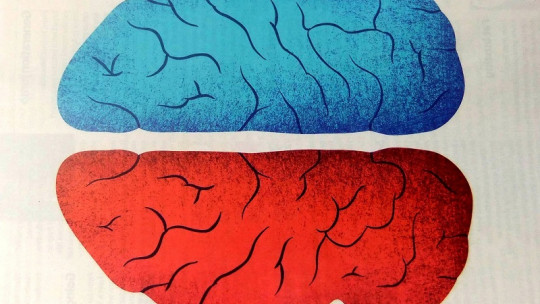
Mental health disorders can have a profound impact on individuals, affecting their quality of life, relationships, and ability to function daily. While each disorder presents its own unique challenges, some are considered more debilitating than others due to their severity, duration, or difficulty in treatment. Understanding these disorders is crucial to providing appropriate support, raising awareness, and ensuring that those affected receive the care they deserve.
In this article, we will discuss 10 of the worst mental disorders, exploring their symptoms, impacts, and available treatments.
1. Schizophrenia
Schizophrenia is a severe and chronic mental disorder that affects how a person thinks, feels, and behaves. Individuals with schizophrenia often experience delusions (false beliefs), hallucinations (hearing or seeing things that aren’t real), and disorganized thinking.
The symptoms of schizophrenia can make it difficult for a person to function in daily life. Social interactions, work performance, and self-care can become overwhelming, often leading to isolation and a lack of support.
Treatment
Schizophrenia is typically treated with antipsychotic medications and therapy, such as cognitive behavioral therapy (CBT). Early intervention is critical to improving long-term outcomes, but many individuals may need lifelong support.
2. Bipolar Disorder
Bipolar disorder is characterized by extreme mood swings that include emotional highs (mania or hypomania) and lows (depression). These shifts in mood can disrupt a person’s relationships, job performance, and overall well-being.
During manic episodes, individuals may feel euphoric, impulsive, or even engage in risky behaviors. Conversely, during depressive episodes, they may experience feelings of hopelessness, fatigue, and worthlessness.
Treatment
Bipolar disorder is typically managed with mood stabilizers, antidepressants, and psychotherapy. Lifestyle changes, such as maintaining a regular sleep schedule, can also help stabilize mood.
3. Major Depressive Disorder (Depression)
Major depressive disorder (MDD) is one of the most common and devastating mental health conditions. It affects how a person thinks, feels, and handles daily activities. Symptoms include persistent sadness, loss of interest in once-pleasurable activities, and difficulty concentrating.
In some severe cases, suicidal thoughts may develop, making it one of the most dangerous mental disorders. MDD can interfere with a person’s ability to perform daily tasks, leaving them feeling helpless and isolated.
Treatment
Treatment options include antidepressants, CBT, and other forms of psychotherapy. Lifestyle changes such as exercise, diet, and social support can also play a crucial role in managing depression.
4. Obsessive-Compulsive Disorder (OCD)
OCD is a disorder characterized by intrusive thoughts (obsessions) and repetitive behaviors (compulsions) that individuals feel compelled to perform to alleviate anxiety. The symptoms can be highly distressing and time-consuming, impacting personal relationships and daily functioning.
Common compulsions include excessive hand-washing, checking locks, or repeating specific actions in a rigid way. Obsessions can range from fears of contamination to fears of harming others.
Treatment
CBT (specifically exposure and response prevention) is considered the most effective treatment for OCD. Selective serotonin reuptake inhibitors (SSRIs) are also commonly prescribed to help reduce symptoms.
5. Post-Traumatic Stress Disorder (PTSD)
PTSD can occur after an individual experiences or witnesses a traumatic event, such as a natural disaster, military combat, or violent assault. People with PTSD often relive the trauma through flashbacks, nightmares, and intense anxiety.
Symptoms include hyperarousal, emotional numbness, and avoidance of triggers associated with the trauma. This disorder can be severely debilitating, affecting all aspects of a person’s life.
Treatment
Treatment often involves a combination of trauma-focused therapy (such as EMDR) and medications, like antidepressants. Support groups and mindfulness techniques can also help individuals cope with their experiences.
6. Borderline Personality Disorder (BPD)
Borderline Personality Disorder is marked by intense emotional instability, impulsive behaviors, and difficulty maintaining relationships. People with BPD often experience extreme mood swings, fear of abandonment, and unstable self-image.
This disorder can lead to significant relationship difficulties, self-harm, and suicidal behavior, making it one of the most challenging to treat.
Treatment
Dialectical behavior therapy (DBT) has proven to be an effective form of therapy for BPD. Medications may also be used to help manage symptoms like mood instability and depression.
7. Anorexia Nervosa
Anorexia nervosa is an eating disorder characterized by an extreme fear of gaining weight and a distorted body image that leads to severe food restriction, excessive exercise, and malnutrition.
Anorexia has one of the highest mortality rates among mental health disorders due to complications such as organ failure, heart problems, and suicide. It also severely impacts physical and psychological health.
Treatment
Treatment often involves nutritional rehabilitation, psychotherapy (particularly Cognitive Behavioral Therapy), and family therapy. A multi-disciplinary approach, including medical support, is critical to recovery.
8. Autism Spectrum Disorder (ASD)
ASD is a developmental disorder that affects communication, behavior, and social interaction. Individuals with ASD may engage in repetitive behaviors, have difficulty understanding social cues, and show limited interests.
The severity of symptoms can vary greatly, with some individuals needing significant support in daily life while others can function independently.
Treatment
There is no cure for ASD, but early intervention through behavioral therapy, speech therapy, and social skills training can improve outcomes. Medication may also be used to address co-occurring conditions like anxiety or ADHD.
9. Autism Spectrum Disorder (ASD)
Autism spectrum disorder is a developmental disorder that affects communication, behavior, and social interaction. While some people with ASD function independently, others require lifelong support for daily living and social interactions.
Treatment
There is no cure for ASD, but early intervention through behavioral therapy, speech therapy, and social skills training can improve outcomes. Medication may also be used to address co-occurring conditions like anxiety or ADHD.
10. Narcissistic Personality Disorder (NPD)
Narcissistic Personality Disorder is characterized by a grandiose sense of self-importance, a need for excessive admiration, and a lack of empathy for others. People with NPD often struggle with interpersonal relationships and have difficulty accepting criticism or failure.
While people with narcissistic traits can be successful in many areas, their lack of empathy and exploitative behavior can lead to significant personal and professional challenges.
Treatment
Therapy, particularly psychodynamic therapy or CBT, can help individuals with NPD understand and manage their symptoms. It can be difficult to treat due to the individual’s lack of self-awareness and unwillingness to acknowledge the problem.
Mental health disorders, especially the ones listed above, are among the most challenging and debilitating conditions a person can face. They not only affect the individual but also their loved ones and society as a whole.
Understanding these disorders can lead to better empathy and more effective interventions, which can help people lead fulfilling lives despite the challenges they face. Early intervention and access to proper care are key to managing and overcoming many of these disorders.
If you or someone you know is experiencing symptoms of a mental disorder, seeking professional help is the first step toward healing and recovery.
References:
- Barlow, D. H. (2003). Psychopathology. Ed. Thomson
- Diagnostic and statistical manual of mental disorders DSM-IV. (1995). Ed. Masson and DSM-IV-TR (2002)
- Vallejo, J (Ed.). (2006). Introduction to Psychopathology and Psychiatry. Barcelona: Masson.
By citing this article, you acknowledge the original source and allow readers to access the full content.
PsychologyFor. (2025). The 10 Worst Mental Disorders. https://psychologyfor.com/the-10-worst-mental-disorders/