


See more of our articles in your search results.
You walk into a sprawling multi-level bookstore or scroll through an endless online database, overwhelmed by tens of thousands of colorful spines, and realize that you have no systematic way to organize what you are actually looking at. That categorization confusion is completely understandable. Books are not uniform physical objects; they are complex intellectual technologies created across different media, fulfilling vastly different cognitive, cultural, and educational functions in human life. It is not an arbitrary system. Rather, understanding how literature is classified reveals the structural architecture of human knowledge and storytelling.
Bibliographers, psychologists, literary theorists, and publishers classify books according to distinct criteria: by content and narrative truth, by physical format and reading medium, by educational purpose and audience, and by documentary or professional specialization. Understanding these distinctions does far more than help you navigate library shelves; it sharpens your cognitive reading strategy, allowing you to choose the exact medium and genre that matches your current learning or emotional goals. Sourcing foundational literature across all major categories expands your cognitive flexibility, strengthens memory retention, and enriches your intellectual life. Mastering book classification equips you with a refined, comprehensive literary discernment.
How do publishers, scholars, and librarians systematically categorize the 16 types of books that exist across different criteria?
This comprehensive guide details the 16 types of books that exist according to different criteria, examining four major classification systems, reviewing iconic exemplar masterworks for each category, and exploring the unique cognitive benefits each book type provides.
16 Types of Books Across All Criteria
Verified Top Picks- 1
 Harper LeeTo Kill a MockingbirdExemplar of Fiction (Novels & Short Stories) using narrative empathy and justice themesCHECK TODAY'S PRICE
- 2
 Yuval Noah HarariSapiens: A Brief History of HumankindExemplar of Nonfiction (History & Empirical Analysis) exploring human cognitive and cultural evolutionCHECK TODAY'S PRICE
- 3
 Homer (Trans. Emily Wilson)The OdysseyExemplar of Poetry & Verse organizing language through meter, rhythm, and compressed imageryCHECK TODAY'S PRICE
- 4
 William ShakespeareHamletExemplar of Dramatic Literature (Plays & Scripts) structuring narrative through dialogue and stage performanceCHECK TODAY'S PRICE
- 5
 F. Scott FitzgeraldThe Great GatsbyExemplar of Hardcover Books (Casebound) featuring archival durability, sewn cloth binding, and shelf longevityCHECK TODAY'S PRICE
- 6
 Jane AustenPride and PrejudiceExemplar of Paperback Books (Trade & Mass-Market) delivering portable, lightweight, and accessible printCHECK TODAY'S PRICE
- 7
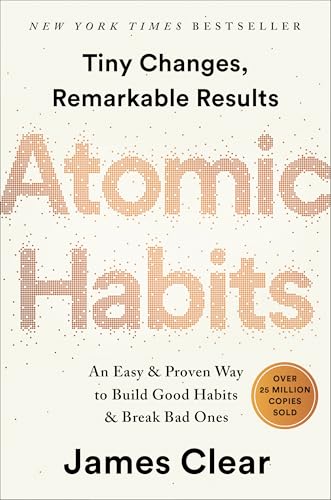 James ClearAtomic HabitsExemplar of Digital E-Books (EPUB / Kindle) providing reflowable text, instant highlighting, and searchCHECK TODAY'S PRICE
- 8
 Bessel van der KolkThe Body Keeps the ScoreExemplar of Audiobooks (Narrated Audio) translating written text into immersive auditory comprehensionCHECK TODAY'S PRICE
- 9
 David G. Myers & C. Nathan DeWallPsychology (13th Edition)Exemplar of Academic Textbooks structured with pedagogical scaffolding and scientific curriculaCHECK TODAY'S PRICE
- 10
 Merriam-Webster EditorialMerriam-Webster's Collegiate DictionaryExemplar of Reference Books (Dictionaries) organized non-linearly for rapid lexical and factual lookupCHECK TODAY'S PRICE
- 11
 Antoine de Saint-ExupéryThe Little PrinceExemplar of Children's & Young Adult Literature nurturing developmental literacy, imagination, and empathyCHECK TODAY'S PRICE
- 12
 Viktor E. FranklMan's Search for MeaningExemplar of Self-Help & Personal Development combining psychological theory with actionable resilienceCHECK TODAY'S PRICE
- 13
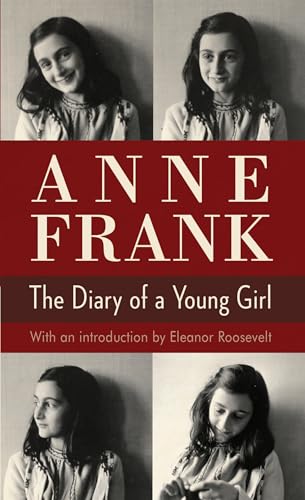 Anne FrankThe Diary of a Young GirlExemplar of Biographies & Personal Memoirs documenting real human historical witness and inner resilienceCHECK TODAY'S PRICE
- 14
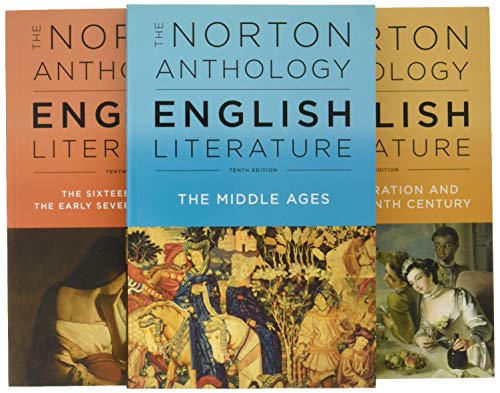 Stephen Greenblatt et al. (Eds.)The Norton Anthology of English LiteratureExemplar of Literary Anthologies & Compilations curating canonical masterworks across historical erasCHECK TODAY'S PRICE
- 15
 American Psychiatric AssociationDSM-5-TRExemplar of Professional Diagnostic & Clinical Manuals standardizing diagnostic criteria and codesCHECK TODAY'S PRICE
- 16
 William Strunk Jr. & E. B. WhiteThe Elements of StyleExemplar of Style Guides & Handbooks establishing grammatical rules, brevity, and prose clarityCHECK TODAY'S PRICE
The Cognitive Psychology of Reading: How Different Book Formats Shape the Brain
The cognitive psychology of reading demonstrates that different book types and mediums engage fundamentally distinct neural circuits in the human brain. Reading is not a hardwired biological capacity like vision or spoken language; it is an acquired neuroplastic invention that reorganizes visual, auditory, and semantic processing networks.
Cognitive neuroscientist Maryanne Wolf demonstrated that reading dense physical print promotes “deep reading”—an immersive cognitive state characterized by critical analysis, analogical thinking, and empathetic reflection. In contrast, rapid digital skimming on illuminated screens often fragments executive attention and degrades complex text comprehension. Selecting the appropriate medium for deep study versus casual reference is essential for protecting cognitive focus.
Furthermore, developmental psychologist Jean Piaget established that schema accommodation occurs when individuals encounter structured, challenging texts that expand their existing worldview. Whether an individual reads narrative fiction, historical analysis, or clinical reference manuals, diverse reading experiences build cognitive reserve and foster lifelong intellectual adaptability.
- Physical print reading promotes deep reading networks and enhances long-term text comprehension.
- Reading diverse genres stimulates prefrontal neural plasticity and builds robust cognitive reserve.
- Digital formats offer accessible convenience but require deliberate focus to prevent shallow cognitive skimming.
- Engaging with challenging literature exercises working memory and refines critical analytical discernment.
1. Classification by Content and Narrative Truth: Fiction, Nonfiction, Poetry, and Drama
The primary epistemological criterion for classifying literature is the relationship between the written text and objective reality. This fundamental distinction divides books into invented imaginative stories, factual empirical analyses, rhythmic poetic verse, and performative dramatic scripts.
1. Fiction Books (Novels & Short Stories): Exemplar — To Kill a Mockingbird
To Kill a Mockingbird by Harper Lee uses invented characters, narrative plots, and worldbuilding to explore universal themes of justice, empathy, and morality in the American South.
Reading literary fiction stimulates the brain’s theory of mind circuitry, allowing readers to inhabit different perspectives and develop deep interpersonal empathy.
This definitive work serves as a premier exemplar of how fiction books (novels & short stories) organizes information, engages reader consciousness, and enriches human understanding.
- Exemplifies the defining stylistic and structural characteristics of fiction books (novels & short stories).
- Provides readers with an authoritative entry point into this specific literary publishing category.
- Enriches cognitive flexibility, analytical discernment, and critical reading comprehension.
2. Nonfiction Books (History & Empirical Analysis): Exemplar — Sapiens: A Brief History of Humankind
Sapiens: A Brief History of Humankind by Yuval Noah Harari examines factual events, scientific theories, and real-world historical developments using documented evidence and interdisciplinary analysis.
Engaging with analytical nonfiction expands cognitive reserve, promotes critical thinking, and builds a rigorous evidence-based worldview.
This definitive work serves as a premier exemplar of how nonfiction books (history & empirical analysis) organizes information, engages reader consciousness, and enriches human understanding.
- Exemplifies the defining stylistic and structural characteristics of nonfiction books (history & empirical analysis).
- Provides readers with an authoritative entry point into this specific literary publishing category.
- Enriches cognitive flexibility, analytical discernment, and critical reading comprehension.
3. Poetry Collections & Verse: Exemplar — The Odyssey
The Odyssey by Homer (Translated by Emily Wilson) organizes language through rhythm, meter, metaphor, and compressed imagery to evoke intense aesthetic and emotional responses.
Reading poetic verse activates specialized neural pathways associated with musicality, visual imagery, and heightened emotional resonance.
This definitive work serves as a premier exemplar of how poetry collections & verse organizes information, engages reader consciousness, and enriches human understanding.
- Exemplifies the defining stylistic and structural characteristics of poetry collections & verse.
- Provides readers with an authoritative entry point into this specific literary publishing category.
- Enriches cognitive flexibility, analytical discernment, and critical reading comprehension.
4. Dramatic Literature (Plays & Scripts): Exemplar — Hamlet
Hamlet by William Shakespeare structures narrative entirely through character dialogue, stage directions, and performative conflict designed for theatrical performance.
Analyzing dramatic scripts exercises mentalization abilities, helping readers decode subtle subtext, motives, and complex human psychological conflict.
This definitive work serves as a premier exemplar of how dramatic literature (plays & scripts) organizes information, engages reader consciousness, and enriches human understanding.
- Exemplifies the defining stylistic and structural characteristics of dramatic literature (plays & scripts).
- Provides readers with an authoritative entry point into this specific literary publishing category.
- Enriches cognitive flexibility, analytical discernment, and critical reading comprehension.
2. Classification by Physical Format and Publication Medium: Print, Digital, and Audio
Books are also classified by their physical manufacturing construction and technological reading medium. How a text is physically delivered—whether bound in rigid cardboard cloth, compact paper, electronic ink, or spoken narration—fundamentally dictates its durability, accessibility, and sensory engagement.
5. Hardcover Books (Casebound & Collector Editions): Exemplar — The Great Gatsby
The Great Gatsby by F. Scott Fitzgerald features rigid cardboard protective binding, sewn cloth spines, and high-durability archival paper built for long-term library preservation.
Hardcover physical volumes provide rich tactile feedback and spatial memory anchors that enhance long-term reading comprehension.
This definitive work serves as a premier exemplar of how hardcover books (casebound & collector editions) organizes information, engages reader consciousness, and enriches human understanding.
- Exemplifies the defining stylistic and structural characteristics of hardcover books (casebound & collector editions).
- Provides readers with an authoritative entry point into this specific literary publishing category.
- Enriches cognitive flexibility, analytical discernment, and critical reading comprehension.
6. Paperback Books (Trade & Mass-Market): Exemplar — Pride and Prejudice
Pride and Prejudice by Jane Austen offers lightweight, flexible paper covers and compact glued bindings designed for affordable mass distribution and daily portability.
Paperback editions democratized literary culture across the globe, making foundational literature accessible for everyday personal reading.
This definitive work serves as a premier exemplar of how paperback books (trade & mass-market) organizes information, engages reader consciousness, and enriches human understanding.
- Exemplifies the defining stylistic and structural characteristics of paperback books (trade & mass-market).
- Provides readers with an authoritative entry point into this specific literary publishing category.
- Enriches cognitive flexibility, analytical discernment, and critical reading comprehension.
7. Digital E-Books (Electronic Readers & EPUB): Exemplar — Atomic Habits
Atomic Habits by James Clear delivers reflowable digital typography on electronic ink displays, allowing instant dictionary lookups, cloud highlighting, and portable library storage.
Electronic books provide unprecedented convenience and adjustable typography, supporting accessible learning across diverse reader populations.
This definitive work serves as a premier exemplar of how digital e-books (electronic readers & epub) organizes information, engages reader consciousness, and enriches human understanding.
- Exemplifies the defining stylistic and structural characteristics of digital e-books (electronic readers & epub).
- Provides readers with an authoritative entry point into this specific literary publishing category.
- Enriches cognitive flexibility, analytical discernment, and critical reading comprehension.
8. Audiobooks (Narrated Audio Literature): Exemplar — The Body Keeps the Score
The Body Keeps the Score by Bessel van der Kolk translates written text into spoken audio performances, utilizing voice modulation, pacing, and emotional tone to engage auditory processing centers.
Listening to narrated audiobooks stimulates the same language comprehension and semantic brain networks as traditional physical reading.
This definitive work serves as a premier exemplar of how audiobooks (narrated audio literature) organizes information, engages reader consciousness, and enriches human understanding.
- Exemplifies the defining stylistic and structural characteristics of audiobooks (narrated audio literature).
- Provides readers with an authoritative entry point into this specific literary publishing category.
- Enriches cognitive flexibility, analytical discernment, and critical reading comprehension.
3. Classification by Educational Purpose and Audience: Textbooks, Reference, YA, and Self-Help
Another vital classification criterion examines the intended reader audience and functional learning objective of the text. These book types range from comprehensive university courseware and lexical reference directories to developmental children’s literature and evidence-based personal growth manuals.
9. Academic Textbooks (University Courseware): Exemplar — Psychology (13th Edition)
Psychology (13th Edition) by David G. Myers & C. Nathan DeWall synthesizes comprehensive empirical research, pedagogical review questions, and scientific methodologies for formal university education.
Academic textbooks provide structured cognitive scaffolding that trains students in research literacy, statistical analysis, and evidence-based scientific thinking.
This definitive work serves as a premier exemplar of how academic textbooks (university courseware) organizes information, engages reader consciousness, and enriches human understanding.
- Exemplifies the defining stylistic and structural characteristics of academic textbooks (university courseware).
- Provides readers with an authoritative entry point into this specific literary publishing category.
- Enriches cognitive flexibility, analytical discernment, and critical reading comprehension.
10. Reference Books (Dictionaries & Encyclopedias): Exemplar — Merriam-Webster’s Collegiate Dictionary
Merriam-Webster’s Collegiate Dictionary by Merriam-Webster Editorial Staff provides structured, alphabetical lexical definitions, etymologies, and usage notes designed for quick consultation rather than linear reading.
Reference works serve as indispensable intellectual tools that establish shared linguistic clarity, precision, and scholarly communication standards.
This definitive work serves as a premier exemplar of how reference books (dictionaries & encyclopedias) organizes information, engages reader consciousness, and enriches human understanding.
- Exemplifies the defining stylistic and structural characteristics of reference books (dictionaries & encyclopedias).
- Provides readers with an authoritative entry point into this specific literary publishing category.
- Enriches cognitive flexibility, analytical discernment, and critical reading comprehension.
11. Children’s & Young Adult Literature: Exemplar — The Little Prince
The Little Prince by Antoine de Saint-Exupéry crafts accessible allegories, moral fables, and illustrated stories designed to nurture childhood literacy, emotional intelligence, and imagination.
Developmental reading during childhood fosters prefrontal neural connectivity, vocabulary expansion, and lifelong cognitive empathy.
This definitive work serves as a premier exemplar of how children’s & young adult literature organizes information, engages reader consciousness, and enriches human understanding.
- Exemplifies the defining stylistic and structural characteristics of children’s & young adult literature.
- Provides readers with an authoritative entry point into this specific literary publishing category.
- Enriches cognitive flexibility, analytical discernment, and critical reading comprehension.
12. Self-Help & Personal Development Literature: Exemplar — Man’s Search for Meaning
Man’s Search for Meaning by Viktor E. Frankl combines psychological theory with actionable reflective exercises to help individuals overcome existential despair and build purposeful resilience.
Evidence-based personal development literature provides practical frameworks that empower individuals to cultivate enduring psychological well-being.
This definitive work serves as a premier exemplar of how self-help & personal development literature organizes information, engages reader consciousness, and enriches human understanding.
- Exemplifies the defining stylistic and structural characteristics of self-help & personal development literature.
- Provides readers with an authoritative entry point into this specific literary publishing category.
- Enriches cognitive flexibility, analytical discernment, and critical reading comprehension.
4. Classification by Documentary and Professional Specialization: Memoirs, Anthologies, Manuals, and Style Guides
The final essential criterion categorizes books by their specialized documentary scope, curation methodology, and professional standardization. These works preserve real human lives, curate multi-author historical canons, standardize clinical practice, and establish rigorous editorial writing standards.
13. Biographies & Personal Memoirs: Exemplar — The Diary of a Young Girl
The Diary of a Young Girl by Anne Frank chronicles the real-life historical experiences, inner emotional struggles, and moral resilience of specific individuals across time.
Reading autobiographical memoirs connects readers to historical realities through intimate personal witness, fostering profound historical empathy.
This definitive work serves as a premier exemplar of how biographies & personal memoirs organizes information, engages reader consciousness, and enriches human understanding.
- Exemplifies the defining stylistic and structural characteristics of biographies & personal memoirs.
- Provides readers with an authoritative entry point into this specific literary publishing category.
- Enriches cognitive flexibility, analytical discernment, and critical reading comprehension.
14. Literary Anthologies & Compilations: Exemplar — The Norton Anthology of English Literature
The Norton Anthology of English Literature by Stephen Greenblatt et al. curates diverse literary works, historical essays, and canonical poems from multiple authors into a comprehensive historical overview.
Anthologies provide readers with comparative breadth, allowing them to trace the evolution of ideas across multiple literary eras.
This definitive work serves as a premier exemplar of how literary anthologies & compilations organizes information, engages reader consciousness, and enriches human understanding.
- Exemplifies the defining stylistic and structural characteristics of literary anthologies & compilations.
- Provides readers with an authoritative entry point into this specific literary publishing category.
- Enriches cognitive flexibility, analytical discernment, and critical reading comprehension.
15. Professional Diagnostic & Clinical Manuals: Exemplar — DSM-5-TR
DSM-5-TR by American Psychiatric Association standardizes diagnostic criteria, symptom thresholds, and clinical codes for mental health practitioners and medical researchers.
Diagnostic manuals establish clinical consistency, enabling healthcare professionals to coordinate care and practice evidence-based diagnostic assessment.
This definitive work serves as a premier exemplar of how professional diagnostic & clinical manuals organizes information, engages reader consciousness, and enriches human understanding.
- Exemplifies the defining stylistic and structural characteristics of professional diagnostic & clinical manuals.
- Provides readers with an authoritative entry point into this specific literary publishing category.
- Enriches cognitive flexibility, analytical discernment, and critical reading comprehension.
16. Style Guides & Editorial Writing Handbooks: Exemplar — The Elements of Style
The Elements of Style by William Strunk Jr. & E. B. White provides grammatical rules, stylistic principles, and compositional standards designed to eliminate verbal clutter and maximize prose clarity.
Style guides train writers in clarity, brevity, and rhetorical precision, elevating communication into an effective intellectual craft.
This definitive work serves as a premier exemplar of how style guides & editorial writing handbooks organizes information, engages reader consciousness, and enriches human understanding.
- Exemplifies the defining stylistic and structural characteristics of style guides & editorial writing handbooks.
- Provides readers with an authoritative entry point into this specific literary publishing category.
- Enriches cognitive flexibility, analytical discernment, and critical reading comprehension.
Comparative Matrix of the 16 Types of Books Across 4 Key Criteria
To help you conceptualize how literature is organized across the publishing industry, the following comparative table synthesizes the sixteen primary book types, their classifying criteria, and their primary cognitive and practical functions.
| Book Classification Category | Primary Classifying Criterion | Core Cognitive & Practical Function |
|---|---|---|
| Fiction (Novels & Short Stories) | Content & Narrative Invention | Empathy expansion, theory of mind activation, and imaginative transportation |
| Nonfiction (History & Analysis) | Empirical Truth & Factuality | Factual knowledge acquisition, critical reasoning, and evidence analysis |
| Poetry Collections & Verse | Linguistic Meter & Metaphor | Aesthetic appreciation, rhythmic processing, and emotional resonance |
| Dramatic Literature (Plays) | Theatrical Performance & Dialogue | Subtext interpretation, perspective-taking, and conflict analysis |
| Hardcover (Casebound Editions) | Physical Binding & Durability | Archival preservation, tactile reading engagement, and collector value |
| Paperback (Trade & Mass-Market) | Portability & Affordability | Accessible mass distribution, daily commuting, and casual reading |
| Digital E-Books (EPUB & MOBI) | Electronic Display Medium | Instant retrieval, adjustable typography, and portable digital storage |
| Audiobooks (Spoken Narration) | Auditory Voice Medium | Multitasking accessibility, auditory comprehension, and vocal pacing |
| Academic Textbooks | Educational Course Curriculum | Structured domain mastery, research methodology, and pedagogy |
| Reference Books (Dictionaries) | Non-Linear Lexical Lookup | Information retrieval, linguistic standardization, and fact-checking |
| Children’s & YA Literature | Target Reader Age & Development | Early literacy development, moral education, and social growth |
| Self-Help & Personal Growth | Behavioral & Mindset Guidance | Practical habit formation, emotional regulation, and resilience |
| Biographies & Memoirs | Documentary Life History | Historical witness, psychological reflection, and human connection |
| Literary Anthologies | Curated Multi-Author Canon | Comparative literature study, historical overview, and diversity |
| Clinical & Diagnostic Manuals | Professional Standardization | Diagnostic reliability, symptom classification, and medical codes |
| Style Guides & Writing Handbooks | Compositional Standards | Prose clarity, grammatical precision, and rhetorical effectiveness |
As illustrated in the comparative matrix above, each type of book fulfills a specialized role within the broader ecosystem of human communication. Navigating these categories enables readers to choose books with intentional intellectual purpose.
How to Build a Balanced Interdisciplinary Reading Practice
Cultivating a rich, intellectually stimulating reading habit requires deliberately reading across multiple book categories rather than confining yourself to a single favorite genre. Reading exclusively in one format or genre narrows cognitive flexibility and limits cross-disciplinary insight. Humanistic psychologist Carl R. Rogers emphasized that authentic personal growth requires integrating diverse perspectives into lived experiential learning.
To establish a well-rounded, transformative reading routine across these sixteen book types, practice these four disciplined reading habits:
- Alternate your reading rotation between imaginative fiction, analytical nonfiction, and specialized professional literature to maintain balanced cognitive development.
- Pair physical print reading for complex academic texts with audiobooks for memoirs and narrative histories during daily commuting routines.
- Maintain an active “Reading Journal” where you synthesize core insights, memorable quotations, and cross-disciplinary connections.
- Explore at least one unfamiliar book category each quarter—such as dramatic poetry, translated foreign fiction, or historical biography—to expand your intellectual comfort zone.
When Reading Overwhelm and Information Overload Signal Distress
While cultivating an insatiable reading appetite is celebrated as an intellectual virtue, compulsive book hoarding, excessive digital information consumption, and chronic reading fatigue can occasionally signal underlying psychological distress. When an individual continuously accumulates books to escape real-world responsibilities, unresolved grief, or intense social anxiety, reading shifts from healthy enrichment into maladaptive cognitive avoidance.
Cognitive psychologist Daniel Kahneman demonstrated that continuous exposure to unstructured information floods working memory, triggering decision fatigue and severe cognitive overload. If your reading habits are accompanied by social withdrawal, severe procrastination on vital life responsibilities, chronic insomnia, or persistent feelings of emotional numbness lasting more than two consecutive weeks, books alone will not resolve the issue. In such cases, consulting with a licensed clinical psychologist or psychiatrist can help address the underlying emotional avoidance patterns.
Most urgently, if you or someone you know is experiencing acute depressive despair, intrusive thoughts of self-harm, or an overwhelming mental health crisis where safety cannot be guaranteed, do not rely on literature. In the United States and Canada, immediately call or text 988 to connect with the Suicide & Crisis Lifeline, available twenty-four hours a day, seven days a week, free and completely confidential. Seeking professional clinical care is not an intellectual defeat; it is the ultimate act of courageous personal self-advocacy.
- Compulsive book hoarding and information overload can occasionally function as avoidant psychological coping.
- Decision fatigue occurs when continuous reading replaces necessary real-world behavioral action.
- Acute emotional distress and depressive paralysis demand immediate intervention from a licensed mental health professional.
FAQs about the 16 Types of Books
What is the most fundamental distinction used to classify books?
The most fundamental distinction in literature is between fiction and nonfiction. Fiction encompasses all works of imaginative storytelling—such as novels, short stories, and fables—where characters, plots, or settings are invented by the author. Nonfiction encompasses works grounded in factual reality—such as history, science, biography, and journalism—where the author is accountable to verifiable truth and empirical evidence. This foundational distinction determines how readers evaluate truth claims, narrative structure, and authorial intent.
Is reading an audiobook as cognitively beneficial as reading a physical print book?
Yes, neuroimaging studies show that listening to an audiobook activates virtually the same semantic, emotional, and language comprehension brain networks as reading printed text. While physical print provides superior spatial memory anchors and tactile feedback that aid in studying dense academic textbooks, audiobooks excel at conveying vocal nuance, emotional tone, and narrative pacing. Both mediums deliver robust cognitive benefits and expand vocabulary, making audiobooks an equally valid and enriching literary format.
What is the difference between a trade paperback and a mass-market paperback?
Trade paperbacks are larger, higher-quality paperback editions that match the dimensions and typography of hardcover books, printed on durable, acid-free paper with glued bindings. Mass-market paperbacks are smaller, highly economical pocket-sized editions printed on lighter pulp paper designed for high-volume sales in grocery stores, airports, and newsstands. Trade paperbacks are built for long-term home library preservation, while mass-market paperbacks prioritize affordability and maximum portability.
Why are reference books and textbooks categorized separately from general nonfiction?
Reference books (like dictionaries and encyclopedias) and textbooks are categorized separately because they serve specialized pedagogical and informational functions. Reference books are organized non-linearly (often alphabetically or topically) for quick factual consultation rather than continuous reading. Textbooks are structured specifically for formal academic curricula, featuring pedagogical learning objectives, chapter review questions, and standardized methodologies designed for classroom instruction.
How does reading different types of books improve brain function?
Reading diverse book types stimulates prefrontal neuroplasticity by challenging the brain with different cognitive demands. Reading literary fiction activates the brain’s default mode network and theory of mind circuitry, expanding social empathy. Reading analytical nonfiction strengthens logical reasoning, working memory, and critical evidence evaluation. Reading poetry engages auditory processing and aesthetic neural centers. Regularly rotating across different book types builds cognitive reserve and protects against age-related cognitive decline.
What criteria determine whether a book is classified as a classic?
A book is classified as a classic when it demonstrates enduring literary excellence, universal thematic relevance, and profound historical influence across multiple generations. Classics transcend the specific cultural and historical moment in which they were written, continuing to resonate with readers centuries later by exploring fundamental truths about human nature, morality, love, suffering, and society. They are works that reward repeated rereading and continue to shape the broader literary canon.
Bibliography
- American Psychiatric Association. (2022). Diagnostic and Statistical Manual of Mental Disorders (5th ed., text rev.). American Psychiatric Association Publishing.
- Austen, J. (2002). Pride and Prejudice. Penguin Classics.
- Bryant, E. F. (2009). The Yoga Sutras of Patañjali: A New Edition, Translation, and Commentary. North Point Press.
- Clear, J. (2018). Atomic Habits: An Easy & Proven Way to Build Good Habits & Break Bad Ones. Avery.
- Fitzgerald, F. S. (2004). The Great Gatsby. Scribner.
- Frank, A. (1993). The Diary of a Young Girl. Bantam.
- Frankl, V. E. (2006). Man’s Search for Meaning. Beacon Press.
- Greenblatt, S., et al. (Eds.). (2018). The Norton Anthology of English Literature (10th ed.). W. W. Norton & Company.
- Harari, Y. N. (2014). Sapiens: A Brief History of Humankind. Harvill Secker.
- Homer. (2018). The Odyssey (E. Wilson, Trans.). W. W. Norton & Company.
- Kahneman, D. (2011). Thinking, Fast and Slow. Farrar, Straus and Giroux.
- Lee, H. (1999). To Kill a Mockingbird. Harper.
- Merriam-Webster. (2019). Merriam-Webster’s Collegiate Dictionary (11th ed.). Merriam-Webster Inc.
- Myers, D. G., & DeWall, C. N. (2020). Psychology (13th ed.). Worth Publishers.
- Piaget, J. (1952). The Origins of Intelligence in Children. International Universities Press.
- Rogers, C. R. (1961). On Becoming a Person: A Therapist’s View of Psychotherapy. Houghton Mifflin.
- Saint-Exupéry, A. d. (2000). The Little Prince. Clarion Books.
- Shakespeare, W. (1992). Hamlet (Folger Shakespeare Library ed.). Simon & Schuster.
- Strunk, W., Jr., & White, E. B. (1999). The Elements of Style (4th ed.). Pearson.
- van der Kolk, B. (2014). The Body Keeps the Score: Brain, Mind, and Body in the Healing of Trauma. Viking Press.
- Wolf, M. (2018). Reader, Come Home: The Reading Brain in a Digital World. Harper.
Use this citation format to reference the article clearly and help readers find the original source.
PsychologyFor. (2026). The 16 Types of Books That Exist (According to Different Criteria). PsychologyFor. https://psychologyfor.com/the-16-types-of-books-that-exist-according-to-different-criteria/