


Education is a process by which the learning of knowledge, skills, values or attitudes is facilitated. Education occurs in different contexts, it can be presented in different formats or forms and it can vary in content, but the objective is always the same.
Education is a multifaceted concept that encompasses a variety of approaches, strategies, and settings. While formal schooling often comes to mind when we think of education, there are many types that cater to different learning needs, environments, and goals. Each type of education serves a unique purpose and provides specific benefits to learners, communities, and societies. In this article, we will explore 18 distinct types of education, their classifications, and their key characteristics.
1. Formal Education

Characteristics:
Formal education refers to structured learning that typically takes place within institutions like schools, colleges, and universities. It follows a set curriculum and leads to certification or a degree upon completion. Formal education is organized, regulated, and often follows government standards.
Key Points:
- Structured and systematic learning
- Delivered by qualified educators
- Includes primary, secondary, and tertiary education
- Focus on academic and skill-based development
2. Informal Education

Characteristics:
Informal education occurs outside formal institutions and includes self-directed learning, life experiences, and informal lessons passed through social interaction. It’s unstructured, flexible, and often driven by curiosity or necessity.
Key Points:
- Not confined to classrooms
- Learning through personal experiences, discussions, and observations
- Encourages independence and lifelong learning
3. Non-Formal Education

Characteristics:
Non-formal education sits between formal and informal education. It involves organized learning activities that are not part of the formal school system, such as adult education, community courses, workshops, and online classes.
Key Points:
- Flexible and voluntary
- Not tied to a formal curriculum
- Focus on practical skills and personal development
4. Montessori Education
Characteristics:
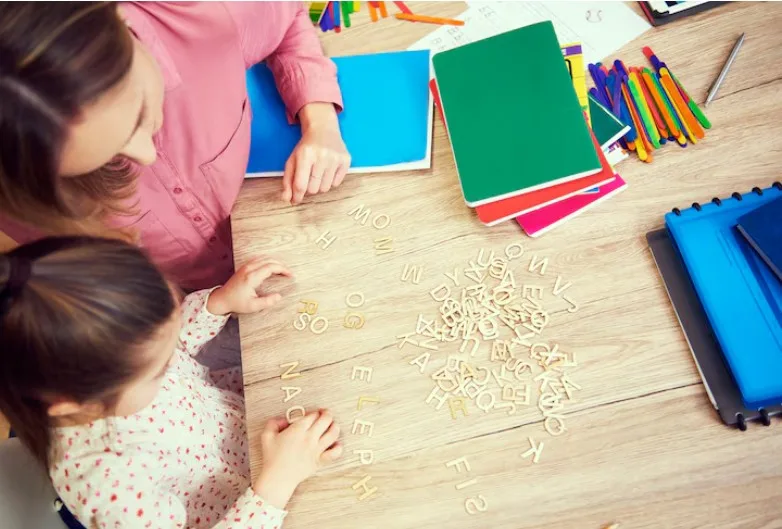
Montessori education is based on the teachings of Dr. Maria Montessori, emphasizing independence, hands-on learning, and respect for a child’s natural development. It allows children to learn at their own pace, with activities designed to stimulate learning in a prepared environment.
Key Points:
- Child-centered approach
- Emphasizes autonomy and freedom within limits
- Focus on real-world skills and problem-solving
5. Special Education

Characteristics:
Special education caters to students with physical, mental, or emotional disabilities. It provides tailored instruction to meet individual needs, with specialized teaching strategies and resources designed to ensure that all students can access education.
Key Points:
- Focus on inclusivity and support
- Special resources, tools, and professionals
- Tailored learning experiences for diverse learners
6. Online Education

Characteristics:
Online education involves learning through digital platforms, where students access courses, lectures, and materials via the internet. This form of education provides flexibility and accessibility, allowing students to learn from anywhere in the world.
Key Points:
- Remote and flexible learning
- Delivered through digital platforms (e.g., MOOCs, e-learning)
- Includes videos, quizzes, and virtual discussions
7. Distance Education

Characteristics:
Similar to online education, distance education occurs when learners and educators are physically separated. However, it may also include non-digital methods, such as correspondence courses or televised lessons.
Key Points:
- Physical separation of teacher and student
- Uses various methods, including mail, phone calls, and online tools
- Provides opportunities for adult learners and remote students
8. Vocational Education

Characteristics:
Vocational education focuses on teaching students specific skills required for particular trades or professions. This type of education prepares learners for careers in fields such as construction, healthcare, engineering, and culinary arts.
Key Points:
- Skill-based education
- Hands-on learning experiences
- Prepares students for the workforce
9. Technical Education

Characteristics:
Technical education is similar to vocational education but often focuses on more advanced knowledge and skills, particularly in fields like IT, engineering, and biotechnology. It typically combines theoretical knowledge with practical application.
Key Points:
- Focus on specific technical fields
- Combines theory with practical work
- Provides high-level skills for specialized industries
10. Adult Education

Characteristics:
Adult education is designed for individuals who are beyond traditional school age and wish to continue their education. It covers a broad range of learning opportunities, from basic literacy to professional development and hobby-related courses.
Key Points:
- Lifelong learning approach
- Focuses on career advancement and personal enrichment
- Can be formal, non-formal, or informal
11. Home Education (Homeschooling)

Characteristics:
Home education, or homeschooling, involves parents or guardians teaching children at home instead of in a traditional school setting. The curriculum and teaching methods are customized to the child’s needs and interests.
Key Points:
- Family-driven education
- Customizable curriculum
- Focus on personalized learning and flexibility
12. Reggio Emilia Approach

Characteristics:
The Reggio Emilia approach is an early childhood education philosophy that focuses on the child as an active participant in their learning. It emphasizes creativity, self-expression, and collaboration, allowing children to explore their environment through hands-on experiences.
Key Points:
- Child-centered learning
- Focus on exploration and creativity
- Strong emphasis on social interaction
13. Experiential Education

Characteristics:
Experiential education emphasizes learning through direct experience, allowing students to gain knowledge by engaging with real-world situations. This approach integrates reflection, action, and learning, encouraging students to learn by doing.
Key Points:
- Hands-on learning
- Reflection on experiences
- Encourages problem-solving and critical thinking
14. Project-Based Learning (PBL)

Characteristics:
In project-based learning, students engage in long-term projects that require them to investigate real-world problems. It encourages collaboration, creativity, and critical thinking, as students apply their knowledge to solve practical issues.
Key Points:
- Focus on solving real-world problems
- Collaboration and teamwork
- Development of critical thinking and practical skills
15. Inquiry-Based Learning

Characteristics:
Inquiry-based learning is a teaching method where students are encouraged to ask questions and explore topics in-depth. Rather than passively receiving information, students actively investigate, experiment, and analyze.
Key Points:
- Student-driven exploration
- Emphasis on questions and curiosity
- Encourages independent research and thinking
16. Liberal Arts Education

Characteristics:
Liberal arts education aims to provide students with a well-rounded knowledge base in areas like literature, history, philosophy, and sciences. It encourages critical thinking, communication skills, and intellectual curiosity.
Key Points:
- Broad, interdisciplinary knowledge
- Focus on critical thinking and communication
- Encourages intellectual exploration
17. Religious Education

Characteristics:
Religious education involves teaching students about religious beliefs, practices, and traditions. It may take place within a religious institution or as part of a formal curriculum in schools.
Key Points:
- Focus on religious beliefs and values
- Often part of a larger cultural education
- Encourages moral and ethical development
18. Environmental Education
Characteristics:
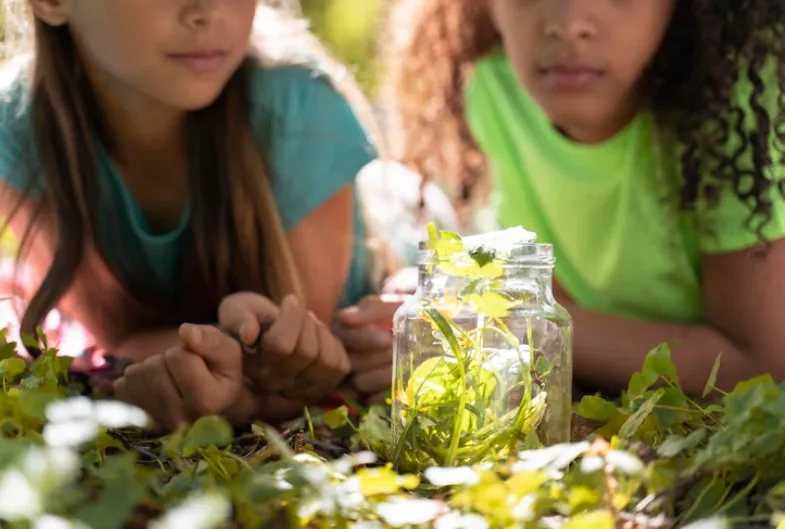
Environmental education focuses on teaching individuals about the environment, sustainability, and conservation. It aims to raise awareness of environmental issues and encourage responsible behavior towards the planet.
Key Points:
- Focus on environmental awareness and conservation
- Encourages sustainable practices
- Often includes outdoor, hands-on learning experiences
Education comes in many forms, each serving unique purposes and addressing diverse learning needs. Understanding the various types of education and their characteristics helps us appreciate the richness of the educational landscape and recognize that learning is not limited to the classroom. Whether through formal institutions, informal settings, or hands-on experiences, education is an ongoing journey that supports both personal and societal growth.
FAQs about Types of Education
What is the difference between formal and informal education?
Formal education is structured, curriculum-based learning in institutions, while informal education happens outside formal settings, often through life experiences and self-directed learning.
What is the focus of vocational education?
Vocational education focuses on teaching specific skills for particular trades or professions, preparing students for immediate employment in specialized fields.
Can online education replace traditional schooling?
Online education offers flexibility and accessibility but may lack the social and hands-on components of traditional schooling. It can complement but not entirely replace traditional education.
How does project-based learning differ from traditional learning?
Project-based learning emphasizes active problem-solving through long-term projects, whereas traditional learning often focuses on memorization and exams.
What are the benefits of environmental education?
Environmental education raises awareness about sustainability and conservation, encouraging responsible behavior toward the environment and fostering a sense of global responsibility.
Use this citation format to reference the article clearly and help readers find the original source.
PsychologyFor. (2025). The 18 Types of Education: Classification and Characteristics. PsychologyFor. https://psychologyfor.com/the-18-types-of-education-classification-and-characteristics/