


See more of our articles in your search results.
There are all types of novels, especially when we talk about their literary genres. There are love ones, detective ones, utopian ones, science fiction ones, adventure ones… and, what’s more, they can be more than one genre at a time.
Whatever their genre, they may have been written with the clear intention of having many sales or to succeed in the literary world and become a classic.
Novels are one of the most celebrated forms of literature, offering readers a deep dive into different worlds, emotions, and themes. Throughout history, various genres have emerged, each with distinct characteristics and unique ways of engaging the reader. Understanding these types can enrich your reading experience and offer insight into what makes each genre special.
In this article, we will explore 22 types of novels, detailing their characteristics, themes, and examples of works that embody these styles.
The main types of novel
There are thousands of novels, each one telling us a different story. Writers combine all kinds of elements from several different genres to bring us stories that captivate us, causing us all kinds of feelings and sensations such as hope, faith in love, fear of the unknown, anger at social injustices or joy and surprise when discovering all kinds of fantastic worlds.
How many of these have you been "meaning to read" for months?
- 1
 TarcherThe Artist's Way30th Anniversary EditionListen Free On Audible
 - 2
 New Harbinger PublicationsThe Dialectical Behavior Therapy Skills WorkbookPractical DBT Exercises for Learning Mindfulness, Interpersonal Effectiveness, Emotion Regulation...Listen Free On Audible
 - 3
 New Harbinger PublicationsAdult Children of Emotionally Immature ParentsHow to Heal from Distant, Rejecting, or Self-Involved ParentsListen Free On Audible
Next let’s see the types of novels that exist. Before entering into their genres, we are going to talk about the novels according to the type of market they are aimed at, that is, if they are commercial or if they are more artistic novels.
Then we will talk about the novels based on the veracity of the facts that are presented in them, that is, if they are based on real events or if they are pure fiction. The rest of the types of novels from there refer to their literary genre.
Commercial novels and literary novels
Before entering into the genre of novels itself, we can mention the two types of novels that exist depending on its reception in the market.
On the one hand we have commercial novels, which are those that aim to generate high sales. It is a phenomenon associated with the consumer society, and is not restricted to any specific genre of novel. Among commercial novels we find “best sellers”, the name given to those novels that manage to sell many books. Nowadays it is also easy to find titles authored by Internet famous people, for whom writing is not one of their main occupations.
On the other hand we have literary novels, which are closer to the creation of art than to being created to gain sales. They are not intended to achieve a large number of readers or achieve great successes from a marketing point of view, but at most to be accepted by the canons of literature and become a work of art according to the author’s own criteria.
Both types of novels are not totally exclusive since a great novel in literary terms can end up being a big seller and it can also happen that a novel that was created with the sole purpose of having a lot of sales can also be very well received by literary critics.
Novels based on real events and fictional novels
According to the veracity of their facts, the novels can be considered as fictional novels or novels based on real events. These two types of novels are not genres in themselves but rather they refer to how true what we can read in them is.
On the one hand, we have fictional novels that narrate events that did not happen in reality, being a product of the author’s imagination. They can be of any genre: romantic, science fiction, epic… On the other hand, we have novels based on real events, which narrate events that really happened.
They are usually historical, autobiographical and epistolary novels, although they can also be romantic, chivalric, picaresque and any other type that comes to mind.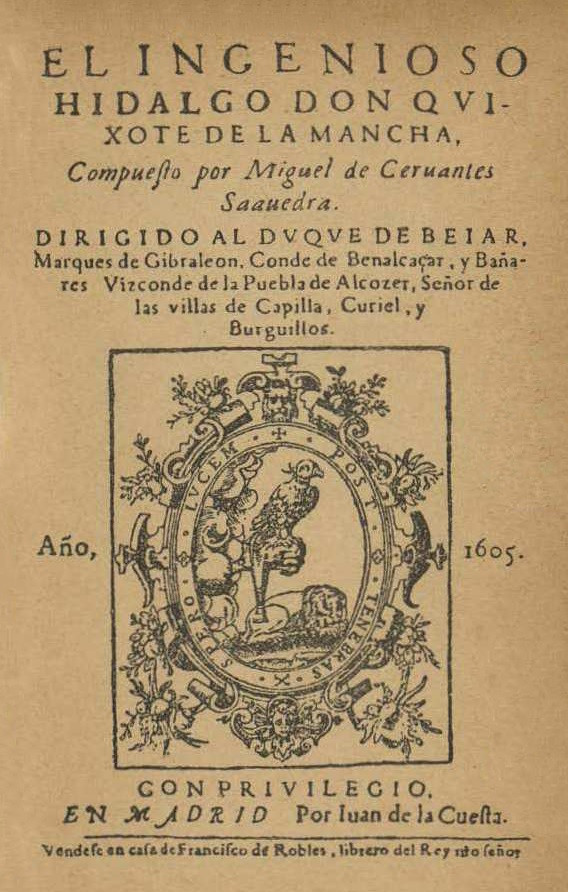
1. Historical Novels
Characteristics:
- Set in a specific historical period.
- Often involve real historical events and figures.
- Provide insight into the time’s culture, politics, and society.
Themes:
- The effects of historical events on individuals.
- Struggles and triumphs in the context of a given historical era.
Example: War and Peace by Leo Tolstoy
2. Mystery Novels
Characteristics:
- Centered around a crime or puzzle.
- The protagonist (usually a detective or investigator) works to solve the mystery.
- High focus on suspense and tension.
Themes:
- Justice and morality.
- The complexities of human behavior.
- The truth behind lies and deception.
Example: The Hound of the Baskervilles by Sir Arthur Conan Doyle
3. Thriller Novels
Characteristics:
- Fast-paced and filled with action and danger.
- Often involves danger, intrigue, and heightened emotions.
- Aimed at keeping the reader on the edge of their seat.
Themes:
- Survival and escape.
- Deception, betrayal, and secrets.
- Good vs. evil.
Example: The Girl with the Dragon Tattoo by Stieg Larsson
4. Romantic Novels
Characteristics:
- Focus on the romantic relationships between characters.
- Emotional and passionate relationships are central to the plot.
- Often follows the development of love and attraction.
Themes:
- Love and passion.
- Relationships and their challenges.
- Emotional growth through romance.
Example: Pride and Prejudice by Jane Austen
5. Science Fiction Novels
Characteristics:
- Set in futuristic or technologically advanced societies.
- Involves speculative technology, space travel, time travel, or extraterrestrial life.
- Often explores the consequences of scientific advancements.
Themes:
- Humanity’s relationship with technology.
- The potential dangers or benefits of technological advancements.
- The exploration of space and alternate worlds.
Example: Dune by Frank Herbert
6. Fantasy Novels
Characteristics:
- Involves magical or supernatural elements.
- Often set in imaginary worlds with their own rules and laws.
- Characters may include wizards, elves, and mythical creatures.
Themes:
- Good vs. evil.
- Heroism and the journey of the protagonist.
- The exploration of different worlds and cultures.
Example: The Lord of the Rings by J.R.R. Tolkien
7. Dystopian Novels
Characteristics:
- Set in a society that is undesirable or frightening, often with oppressive governments or a breakdown in society.
- Focus on the struggles of the protagonist against the system.
- Presents a negative vision of the future.
Themes:
- Totalitarianism and oppression.
- The human spirit and resistance to authority.
- The consequences of unchecked political or social systems.
Example: 1984 by George Orwell
8. Coming-of-Age Novels
Characteristics:
- Follows the protagonist’s growth and maturation, often through childhood to adulthood.
- Focuses on the psychological and moral development of the character.
- Deals with personal experiences, emotions, and relationships.
Themes:
- Identity and self-discovery.
- The transition from innocence to experience.
- The challenges of growing up.
Example: To Kill a Mockingbird by Harper Lee
9. Adventure Novels
Characteristics:
- Features exciting journeys, exploration, or quests.
- Focus on physical action and the challenges the characters face.
- Often set in exotic or dangerous locations.
Themes:
- Heroism and bravery.
- Survival against odds.
- Exploration and discovery.
Example: Treasure Island by Robert Louis Stevenson
10. Horror Novels
Characteristics:
- Designed to provoke fear, dread, or terror in the reader.
- Often involves supernatural elements, monsters, or psychological terror.
- Atmosphere and suspense play a major role.
Themes:
- Death and the afterlife.
- The unknown and the supernatural.
- Psychological terror and the human psyche.
Example: Dracula by Bram Stoker
11. Psychological Novels
Characteristics:
- Focuses on the internal emotions, thoughts, and conflicts of the protagonist.
- Delves into the mind and explores the complexity of human psychology.
- Often introspective and thought-provoking.
Themes:
- The complexities of human nature.
- Mental illness and identity.
- Morality and personal conflict.
Example: Crime and Punishment by Fyodor Dostoevsky
12. Social Novels
Characteristics:
- Explores societal issues such as class, race, politics, and inequality.
- Often presents a critique of social structures or injustices.
- Characters typically face challenges that reveal societal flaws.
Themes:
- Social justice and inequality.
- The role of individuals in society.
- The consequences of social and political systems.
Example: The Grapes of Wrath by John Steinbeck
13. Satirical Novels
Characteristics:
- Uses humor, irony, or ridicule to criticize or mock societal norms, politics, or human behavior.
- Often exaggerates flaws to make a point or expose absurdities.
- Aims to provoke thought and critique.
Themes:
- Corruption and hypocrisy.
- Human folly and absurdity.
- Social and political criticism.
Example: Gulliver’s Travels by Jonathan Swift
14. Literary Fiction
Characteristics:
- Focuses on character development, style, and thematic depth.
- Often examines the human experience in a detailed, sophisticated manner.
- Aimed at exploring complex emotions and philosophical questions.
Themes:
- The complexities of human existence.
- Identity, relationships, and morality.
- Philosophical reflections on life.
Example: The Great Gatsby by F. Scott Fitzgerald
15. Magical Realism Novels
Characteristics:
- Blends magical elements with real-world settings.
- Often treats magical occurrences as ordinary events.
- The fantastical is presented as normal within the context of the story.
Themes:
- The intersection of reality and fantasy.
- Cultural and personal identity.
- The nature of perception and reality.
Example: One Hundred Years of Solitude by Gabriel García Márquez
16. Epistolary Novels
Characteristics:
- Told through letters, diary entries, or other forms of correspondence.
- Often provides a more personal, intimate look at the characters’ thoughts and experiences.
- Can be presented in the form of emails, texts, or other forms of communication in modern versions.
Themes:
- Personal introspection and self-expression.
- Relationships and communication.
- Truth and perception.
Example: Dracula by Bram Stoker
17. Crime Novels
Characteristics:
- Centered around the criminal activities and investigations.
- Often follows the police or detectives as they uncover and solve crimes.
- Features complex characters and moral dilemmas.
Themes:
- Justice and law enforcement.
- Morality and crime.
- The consequences of criminal behavior.
Example: The Godfather by Mario Puzo
18. Chick Lit Novels
Characteristics:
- Typically light-hearted, humorous, and centered around female protagonists.
- Focus on relationships, personal growth, and navigating the ups and downs of life.
- Often includes romantic elements and self-discovery.
Themes:
- Female empowerment and independence.
- Relationships and friendship.
- Personal and emotional growth.
Example: Bridget Jones’s Diary by Helen Fielding
19. Western Novels
Characteristics:
- Set in the American West during the 19th century.
- Features cowboys, lawmen, outlaws, and settlers.
- Often involves themes of justice, survival, and adventure.
Themes:
- Justice and vengeance.
- The frontier spirit and survival.
- Morality in a lawless world.
Example: The Virginian by Owen Wister
20. Young Adult (YA) Novels
Characteristics:
- Geared towards a young adult audience (ages 12-18).
- Deals with themes of adolescence, coming-of-age, and self-discovery.
- Often features young protagonists navigating school, relationships, and personal challenges.
Themes:
- Identity, self-discovery, and personal growth.
- Friendships, family, and love.
- Overcoming adversity.
Example: The Fault in Our Stars by John Green
21. Biographical Novels
Characteristics:
- Based on the life of a real person, but often fictionalized for dramatic purposes.
- Explores the events, relationships, and struggles of the person’s life.
- Focuses on key moments in the individual’s journey.
Themes:
- The individual’s personal growth and challenges.
- Fame, legacy, and memory.
- The impact of historical events on personal lives.
Example: The Paris Wife by Paula McLain
22. Autobiographical Novels
Characteristics:
- A form of memoir, often written in the first person.
- Explores the writer’s personal experiences and reflections.
- May blend fiction and non-fiction elements.
Themes:
- Self-reflection and personal history.
- Identity, family, and relationships.
- Overcoming personal challenges.
Example: The Catcher in the Rye by J.D. Salinger
There are other forms of novel genres
We must not let this conventional way of classifying novel genres get in the way of our interpretation of a work; There are several forms of literature that, despite being considered novels, do not fully fit with any of the concepts we have seen so far.
For example, there are fiction books that make use of the possibility for the reader to choose how the story continues, texts called fanfic that are mainly stories created by fans of other books, series or movies, and there are also video games that they mix with the format of the novel (or vice versa). In all these cases, it must be taken into account that the literary genre is a resource to group and understand certain literary phenomena, and novels do not serve genres, but the other way around.
FAQs About the 22 Most Important Types of Novels
What is the difference between literary fiction and genre fiction?
Literary fiction focuses on deep character development, thematic exploration, and high-quality writing. Genre fiction, such as romance or science fiction, often emphasizes plot and structure within specific conventions.
Are fantasy novels only for children?
No, fantasy novels can appeal to readers of all ages. Many fantasy novels tackle complex themes and are meant for adult audiences, such as The Lord of the Rings or A Song of Ice and Fire.
What defines a mystery novel?
A mystery novel typically revolves around solving a crime or uncovering a puzzle. The protagonist, often a detective, uncovers clues and works to solve the mystery, often with a surprising conclusion.
Can one novel belong to multiple genres?
Yes, many novels blend genres. For example, The Hunger Games is both a dystopian and a young adult novel, while The Girl with the Dragon Tattoo is a combination of mystery, thriller, and crime genres.
What is the main theme of a coming-of-age novel?
The main theme of a coming-of-age novel is personal growth and the transition from childhood to adulthood, often focusing on self-discovery, identity, and emotional development.
Are there modern examples of epistolary novels?
Yes, modern epistolary novels include emails, texts, and social media posts. The Perks of Being a Wallflower by Stephen Chbosky is a contemporary example told through letters.
How do historical novels differ from historical fiction?
“Historical novels” specifically focus on historical events and figures, while “historical fiction” can be broader, encompassing any fictional narrative set in a past era, not necessarily focused on actual events or people.
Can a novel be both a thriller and a romance?
Yes, some novels blend elements of different genres. For example, a book can have thrilling suspenseful moments while also developing a romantic plot, such as in The Time Traveler’s Wife by Audrey Niffenegger.
What is the significance of magical realism in novels?
Magical realism is a genre where magical elements are treated as part of the ordinary world. It allows authors to express deeper emotional or cultural truths, blending reality with fantastical elements in a seamless way.
Why are dystopian novels so popular?
Dystopian novels often appeal because they challenge readers to reflect on society’s flaws, political systems, and personal freedoms. These novels explore worst-case scenarios that provoke critical thinking about the world around us.
Can a novel be considered both a crime novel and a thriller?
Yes, many novels can fall into multiple categories. A crime novel focuses on solving a crime, while a thriller adds suspense and tension. Many books, like The Girl with the Dragon Tattoo, can fit into both genres.
Use this citation format to reference the article clearly and help readers find the original source.
PsychologyFor. (2025). The 22 Most Important Types of Novels: Their Characteristics and Themes. PsychologyFor. https://psychologyfor.com/the-22-most-important-types-of-novels-their-characteristics-and-themes/