


See more of our articles in your search results.
You stare at your overflowing nightstand, paralyzed by the sheer volume of newly published novels, academic non-fiction, and trending book recommendations flooding your social media feed. That overwhelming reading paralysis is deeply frustrating. In an era dominated by automated commercial algorithms, sponsored influencer endorsements, and shallow star ratings, finding authentic, intellectually rigorous book critique feels nearly impossible. It is not an individual reader’s deficit. Rather, it exposes the fragmented noise of our modern digital literary landscape.
For insatiable readers, books are not passive commodities; they are transformative cognitive experiences that expand our empathy, sharpen our critical thinking, and provide vital existential perspective. Yet wandering through generic bookstore bestseller lists frequently leads to reading slumps, uninspired plots, and wasted hours on overhyped titles. True bibliophiles require trusted editorial hubs—curated spaces where passionate critics, independent authors, and specialized genre communities provide thoughtful, in-depth literary analysis. Sourcing reputable literary platforms empowers you to cut through commercial hype, discover under-the-radar masterpieces, and cultivate an inspiring, lifelong reading practice.
Where can passionate book lovers reliably discover exceptional, high-quality book recommendations across diverse genres and intellectual traditions?
This comprehensive guide details the 35 best book blogs for insatiable readers, categorizing premier platforms across literary fiction, psychology and non-fiction, fantasy and sci-fi, romance, indie literature, and community-driven bookish hubs.
10 Books Recommended by Premier Literary Bloggers
Verified Top Picks- 1
 Daniel Kahneman Thinking, Fast and Slow A Nobel laureate's masterwork on cognitive architecture, heuristics, and the dual-process mindCHECK TODAY'S PRICE
- 2
 Ernest Becker The Denial of Death A Pulitzer Prize-winning existential classic on mortality terror, culture, and symbolic immortalityCHECK TODAY'S PRICE
- 3
 Alain de Botton The Art of Travel A philosophical exploration of why we travel, the psychology of anticipation, and mindful perceptionCHECK TODAY'S PRICE
- 4
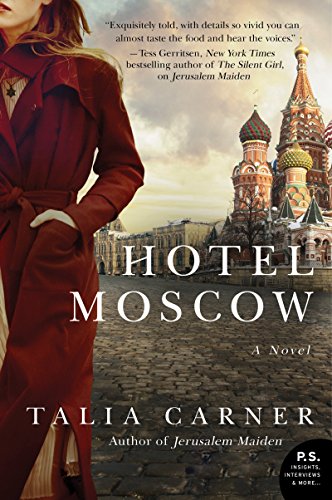 Maryanne Wolf Reader, Come Home: The Reading Brain in a Digital World A neuroscientist examines how digital media alters reading circuitry and deep contemplative thoughtCHECK TODAY'S PRICE
- 5
 Barry Schwartz The Paradox of Choice Explaining why an explosion of consumer options triggers decision fatigue, anxiety, and paralysisCHECK TODAY'S PRICE
- 6
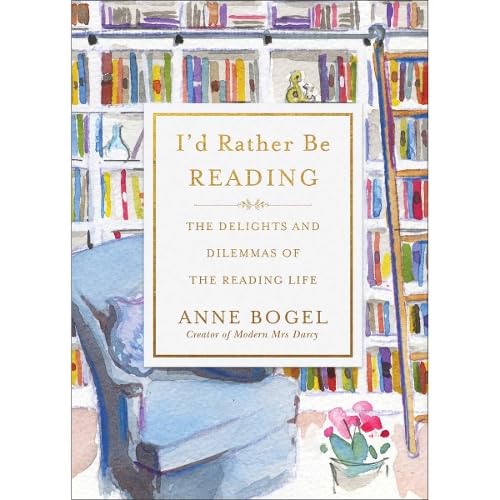 Anne Bogel I'd Rather Be Reading A charming celebration of bookish rituals, shelf dilemmas, and the joys of the passionate reading lifeCHECK TODAY'S PRICE
- 7
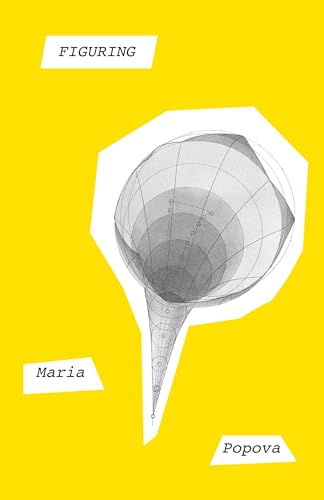 Maria Popova Figuring A luminous exploration of historical scientists, writers, and artists searching for truth and human meaningCHECK TODAY'S PRICE
- 8
 Carl R. Rogers On Becoming a Person A foundational masterwork on humanistic psychotherapy, unconditional positive regard, and growthCHECK TODAY'S PRICE
- 9
 Yuval Noah Harari Sapiens: A Brief History of Humankind How shared cognitive myths, language, and culture enabled Homo sapiens to achieve global dominanceCHECK TODAY'S PRICE
- 10
 Viktor E. Frankl Man's Search for Meaning A timeless reflection on logotherapy, existential purpose, and human resilience during extreme sufferingCHECK TODAY'S PRICE
How to Choose the Right Book Blog for Your Reading Taste
Selecting the ideal book blog depends on identifying your primary literary appetite, preferred review depth, and tolerance for commercial curation versus independent critical debate. Matching your reading goals to specialized editorial platforms eliminates recommendation fatigue and ensures you discover books that genuinely expand your intellectual and emotional horizons.
Readers seeking intellectual rigor, long-form author interviews, and cultural analysis should gravitate toward established digital literary salons like Literary Hub, The Millions, and The Paris Review Daily. In contrast, readers looking for broad genre coverage, diverse inclusive recommendations, and fun community listicles will feel immediately at home on vibrant, accessible platforms like Book Riot. Furthermore, if you are drawn to specific niches—such as speculative worldbuilding, academic non-fiction, or translated global literature—specialized blogs like Tor.com (Reactor) and Words Without Borders provide unmatched deep genre expertise.
Cognitive psychologist Daniel Kahneman demonstrates that human decision-making is heavily distorted by choice overload; when presented with thousands of unstructured options, the brain experiences decision fatigue and defaults to passive, low-effort choices. Curated literary blogs act as an essential cognitive filter, reducing decision fatigue and guiding readers toward high-value transformative literature.
- Determine whether your primary reading goal is serious literary critique, immersive genre escapism, or academic non-fiction.
- Prioritize independent editorial blogs that disclose publishing relationships to ensure unbiased critical evaluation.
- Utilize specialized niche reviewers to discover translated global fiction and under-represented indie authors.
- Follow curated newsletter roundups from premier hubs to receive timely seasonal previews without digital algorithm clutter.
The 35 Best Book Blogs Categorized by Genre and Reading Style
The following curated directory presents the thirty-five premier literary blogs on the internet, categorized systematically to help you navigate from major industry editorial hubs to specialized independent reviewers and vibrant bibliophile communities.
| Category / Reading Focus | Recommended Premier Book Blogs |
|---|---|
| Major Literary News & Cultural Essays | Literary Hub, The Millions, Book Riot, Electric Literature, The Rumpus, Full Stop, Public Books |
| Genre Fiction: Sci-Fi, Fantasy & Thrillers | Reactor (Tor.com), Fantasy Book Review, CrimeReads, Sci-Fi and Scary, SFFWorld, Mystery Tribune |
| Romance, YA & Contemporary Fiction | Smart Bitches Trashy Books, Forever Young Adult, Love in Panels, A Cup of Tea and a Cozy Book |
| Indie Presses & Translated Global Literature | Words Without Borders, Asymptote Journal Blog, Complete Review, Minor Literature[s], Necessary Fiction |
| Thought-Provoking Non-Fiction & Ideas | The Marginalian (Brain Pickings), Arts & Letters Daily, Behavioral Scientist, Five Books, Next Big Idea Club |
| Independent Reviewers & Cozy Reading Hubs | Modern Mrs Darcy, A Life in Books, The Book Smugglers, Vulpes Libris, Book Basking, The Literary Edit |
Major Literary News, Criticism, and Essay Hubs
For readers who crave sophisticated literary discourse, cultural commentary, and long-form critical essays, these flagship digital magazines represent the gold standard of contemporary literary journalism.
Literary Hub (Lit Hub) is the undisputed daily town square for the global literary world. Lit Hub aggregates essays, craft advice, publishing news, and excerpts from dozens of partner publishers and literary journals daily. It offers readers an indispensable pulse on contemporary intellectual discourse.
The Millions, founded by C. Max Magee in 2003, is an esteemed online institution celebrated for its incisive literary essays, staff book reviews, and legendary biannual book previews (“The Great Preview”). It provides a thoughtful, non-academic sanctuary for serious fiction enthusiasts.
Book Riot is the largest independent editorial book site in North America, championing diverse voices, genre-spanning listicles, podcasts, and accessible commentary across every corner of the reading universe. Its inclusive, welcoming philosophy proves that literary enthusiasm belongs to everyone.
Electric Literature operates as a non-profit digital publisher dedicated to making literature more exciting, relevant, and accessible through provocative cultural essays, themed reading lists, and innovative digital fiction curation. It consistently elevates marginalized and experimental literary voices.
The Rumpus champions raw, emotionally resonant literary criticism, creative non-fiction essays, and poetry, founded on the principle that writing should be passionate, risky, and authentic. It remains a vital hub for uncompromising personal essays.
Full Stop focuses on debut novels, independent presses, and challenging experimental fiction that mainstream media overlooks, offering thorough, intellectually fearless criticism for dedicated literary scholars.
Public Books unites academic scholars, journalists, and artists to deliver deep, accessible essays on literature, philosophy, and politics, bridging the divide between university research and public intellectual life.
- Literary Hub aggregates daily essays, book excerpts, and publishing news from across the global literary community.
- The Millions delivers celebrated biannual fiction previews and incisive critical essays on contemporary world literature.
- Book Riot champions inclusive, genre-spanning book culture through accessible reviews, podcasts, and curated reading lists.
- Electric Literature elevates independent, marginalized, and experimental writers through bold cultural essay publishing.

Specialized Genre Hubs: Sci-Fi, Fantasy, Mystery, and Romance
Genre fiction readers require reviewers who understand specific tropes, worldbuilding mechanics, pacing, and subgenre traditions. These specialized blogs provide unmatched deep speculative domain expertise.
Reactor (formerly Tor.com) is the premier digital hub for speculative fiction, offering brilliant essays, short fiction, pop-culture analyses, and comprehensive reviews of science fiction and fantasy. It serves as an essential gathering place for imaginative worldbuilding fans.
Fantasy Book Review provides exhaustive, honest ratings of classic high fantasy, grimdark sagas, and modern urban fantasy releases, evaluated rigorously on character development and narrative worldbuilding depth.
CrimeReads, an offshoot of Literary Hub, is the single finest online platform dedicated to crime fiction, psychological thrillers, noir, true crime, and mystery history. It delivers breathtaking essays from master mystery novelists.
Sci-Fi and Scary blends passionate, honest reviews of science fiction and extreme horror literature, offering helpful content warnings and subgenre breakdowns for speculative dark fiction readers.
SFFWorld, established in 1999, is one of the oldest and most respected speculative fiction forums and review sites, providing comprehensive coverage of sci-fi, fantasy, and horror publishing releases.
Mystery Tribune delivers a visually stunning digital magazine covering noir fiction, crime art, photography, and thrilling literary previews from international suspense authors.
Smart Bitches, Trashy Books is the legendary, feminist romance review blog that has championed romantic fiction with humor, intelligence, and rigorous critical standards since 2005. It provides an empowering sanctuary for romance genre lovers.
Forever Young Adult (FYA) celebrates young adult literature with hilarious, cocktail-paired reviews, deep-dive discussions of tropes, and an affectionate, irreverent community of adult YA enthusiasts.
Love in Panels reviews romance, graphic novels, and queer fiction through a thoughtful, feminist, and intersectional critical lens, highlighting stories with diverse inclusive representation.
A Cup of Tea and a Cozy Book offers charming, atmospheric reviews focused specifically on cozy mysteries, historical romance, and gentle comfort reads that evoke a warm reading sanctuary.
- Reactor (Tor.com) delivers gold-standard critical essays, original fiction, and reviews across speculative sci-fi and fantasy.
- CrimeReads provides deep dives into psychological thrillers, classic noir, and masterful mystery craft.
- Smart Bitches, Trashy Books reviews romance fiction through an unapologetically feminist, humorous, and empowering critical lens.
- Forever Young Adult fosters a lively, witty community reviewing contemporary and classic young adult fiction.
Indie Presses, Translated Fiction, and Global Literature
Mainstream commercial publishing represents only a tiny fraction of global literary creativity. These blogs champion small independent presses, international translations, and boundary-pushing global authors.
Words Without Borders is the premier digital magazine for international literature in English translation, publishing poetry, essays, and fiction from over 140 countries. It serves as an indispensable bridge across global linguistic boundaries.
Asymptote Journal Blog offers vibrant, daily dispatches on international translation, world literary festivals, and global book culture, curated by passionate translators across six continents.
The Complete Review, managed by M.A. Orthofer, is a legendary, encyclopedic database featuring thousands of objective, highly detailed reviews of translated fiction, international classics, and independent press releases.
Minor Literature[s] explores experimental writing, radical aesthetics, and counter-cultural essays, challenging traditional publishing paradigms with unapologetic avant-garde literary theory.
Necessary Fiction champions independent literature through weekly book reviews, translation features, and its celebrated “Research Notes” series, where authors reveal the hidden research behind their independent literary work.
- Words Without Borders introduces English readers to translated contemporary masterworks from over 140 countries.
- Asymptote Journal Blog provides daily international literary dispatches on translation craft and global publishing culture.
- The Complete Review offers an encyclopedic, objective archive of reviews covering international and indie press books.
- Necessary Fiction highlights independent authors and small presses through behind-the-scenes literary research features.
Thought-Provoking Non-Fiction, Psychology, and Idea Curation
For readers who utilize reading as a tool for intellectual expansion, cognitive science, philosophy, and personal growth, these curation hubs extract deep wisdom from foundational non-fiction literature.
The Marginalian (formerly Brain Pickings), curated by Maria Popova, is a luminous, ad-free oasis exploring meaning, poetry, philosophy, science, and the search for beauty. Popova’s timeless reflections weave centuries of literature into a profound tapestry of existential human wisdom.
Arts & Letters Daily, founded by philosopher Denis Dutton and maintained by The Chronicle of Higher Education, aggregates the most intellectually stimulating philosophical essays, book reviews, and academic debates across the web on a single daily dashboard.
Behavioral Scientist is a sophisticated digital magazine covering the latest findings in behavioral economics, cognitive psychology, and social science, featuring book excerpts and author interviews on human decision-making architecture.
Five Books asks world-leading experts—from top neuroscientists to renowned historians—to recommend the five definitive books in their specialized field, providing curated reading lists with unmatched academic authority.
Next Big Idea Club, curated by bestselling authors Malcolm Gladwell, Daniel Pink, Susan Cain, and Adam Grant, identifies the most transformative new non-fiction releases in psychology, leadership, and applied behavioral science.
- The Marginalian synthesizes philosophy, science, poetry, and art into breathtaking essays on meaning and human purpose.
- Arts & Letters Daily curates daily links to the world’s most rigorous intellectual essays and philosophical book reviews.
- Five Books interviews world-renowned subject experts to curate the definitive top five books on specialized academic topics.
- Behavioral Scientist explores contemporary cognitive psychology, decision science, and behavioral economics literature.
Independent Reviewers and Cozy Personal Reading Communities
Personal book blogs offer a warm, authentic intimacy that corporate sites cannot replicate. These independent reviewers share genuine reading journeys, reading challenges, and cozy aesthetic reflections.
Modern Mrs Darcy, created by Anne Bogel, is a beloved lifestyle and reading hub famous for its thoughtful book recommendations, seasonal reading guides, and the celebrated podcast “What Should I Read Next?” It excels at helping readers discover their next favorite novel.
A Life in Books, curated by veteran book trade writer Susan Osborne, delivers elegant, concise reviews of contemporary literary fiction, highlighting exceptional independent publisher releases with discerning editorial taste.
The Book Smugglers, run by Ana Grilo and Thea James, has provided passionate, Hugo-nominated reviews of speculative fiction, young adult novels, and pop culture through an authentic, deeply knowledgeable indie blogging lens.
Vulpes Libris is a charming, collaborative blog run by a collective of passionate bibliophiles in the UK, sharing diverse essays on classics, contemporary fiction, and the tangible pleasures of reading.
Book Basking offers quiet, slow-reading reflections, cozy book photography, and meditative thoughts on secondhand book hunting, celebrating reading as an intentional, peaceful mindful lifestyle practice.
The Literary Edit, curated by Lucy Pearson, combines stylish travel journalism with sophisticated literary fiction reviews, curating boutique reading lists for aesthetic and mindful travelers.
- Modern Mrs Darcy provides celebrated seasonal reading guides and hosts the beloved What Should I Read Next podcast community.
- A Life in Books delivers sophisticated, reliable reviews of contemporary fiction and noteworthy independent releases.
- Vulpes Libris features collaborative essays and passionate recommendations from a dedicated UK bibliophile collective.
- Book Basking celebrates slow reading, secondhand bookstores, and reading as a restorative mindful wellness discipline.
10 Foundational Books Recommended by Premier Literary Bloggers
To experience the transformative power of literature championed by the world’s leading book bloggers, consider exploring these ten highly celebrated masterworks across psychology, philosophy, memoir, and deep narrative storytelling.
1. Thinking, Fast and Slow — Daniel Kahneman
Thinking, Fast and Slow by Nobel laureate Daniel Kahneman is frequently cited by non-fiction book bloggers as the definitive guide to human cognitive architecture. Kahneman synthesizes decades of groundbreaking behavioral research, exploring how our intuitive System 1 heuristics systematically distort judgment and how deliberate System 2 effort can cultivate rigorous intellectual self-awareness.
2. The Denial of Death — Ernest Becker
The Denial of Death by cultural anthropologist Ernest Becker is a Pulitzer Prize-winning existential classic celebrated across philosophy blogs for exploring how human awareness of mortality drives cultural creation, heroism, and subconscious psychological defenses.
3. The Art of Travel — Alain de Botton
The Art of Travel by philosopher Alain de Botton investigates why our physical journeys often fail to match our romantic expectations, offering readers an exquisite masterclass in mindful aesthetic curiosity.
4. Reader, Come Home: The Reading Brain in a Digital World — Maryanne Wolf
Reader, Come Home by cognitive neuroscientist Maryanne Wolf examines how digital screens alter neural reading circuitry, providing a vital call to preserve deep contemplative reading capacity.
5. The Paradox of Choice: Why More Is Less — Barry Schwartz
The Paradox of Choice by psychologist Barry Schwartz explains why an explosion of consumer options creates anxiety and decision paralysis, offering practical frameworks to cultivate satisfaction and emotional calm.
6. I’d Rather Be Reading: The Delights and Dilemmas of the Reading Life — Anne Bogel
I’d Rather Be Reading by Modern Mrs Darcy founder Anne Bogel captures the quirky joys, bookshelf dilemmas, and emotional rituals that define the passionate bibliophile identity.
7. Figuring — Maria Popova
Figuring by The Marginalian creator Maria Popova explores the interconnected lives of historical scientists, writers, and artists searching for truth, complexity, and enduring human meaning.
8. On Becoming a Person — Carl R. Rogers
On Becoming a Person by psychologist Carl R. Rogers is a landmark foundational text on humanistic psychotherapy, demonstrating how authentic empathy and unconditional positive regard catalyze transformative emotional healing.
9. Sapiens: A Brief History of Humankind — Yuval Noah Harari
Sapiens by historian Yuval Noah Harari explores how shared fictional constructs like currency and nations allowed Homo sapiens to achieve unprecedented global collective cooperation.
10. Man’s Search for Meaning — Viktor E. Frankl
Man’s Search for Meaning by psychiatrist Viktor E. Frankl recounts his concentration camp survival and details logotherapy, proving that intentional purpose enables the human spirit to endure profound existential suffering.
The Psychology of Reading: How Book Blogs Combat Decision Fatigue
The modern reader faces an unprecedented cognitive dilemma: over two million new book titles are published globally each year. When individuals browse sprawling online retailer databases without editorial guidance, they encounter intense cognitive friction, a phenomenon social scientists call the paradox of choice.
Cognitive psychologist David G. Myers highlights that when options expand exponentially without reliable filtering mechanisms, individuals experience heightened anxiety, decision paralysis, and lower ultimate satisfaction with their final choice. Searching through unvetted review sections filled with bot-generated five-star ratings and paid promotional blurbs exhausts working memory bandwidth, frequently causing readers to abandon book selection entirely in favor of passive social media scrolling.
High-quality book blogs resolve this cognitive overload by acting as trusted, human-curated editorial filters. By contextualizing a book’s themes, analyzing its pacing, and comparing it to established classics, curated blogs provide the cognitive scaffolding necessary for readers to make confident, rewarding literary choices.
- Excessive uncurated book choices overwhelm working memory, triggering decision paralysis and reading avoidance.
- Editorial book blogs filter digital noise, presenting structured selections that align with individual reader tastes.
- In-depth literary essays provide thematic context, enriching reading comprehension and long-term memory retention.
- Human-curated recommendations protect readers from automated algorithms and superficial marketing hype.
Building an Intentional Reading Habit with Digital Literary Tools
Transforming book blog recommendations into an enriching, lifelong reading practice requires integrating intentional digital and physical reading routines. Simply bookmarking dozens of articles creates digital clutter unless you maintain a structured system for tracking, prioritizing, and reflecting upon your reading queue. Humanistic psychologist Carl R. Rogers consistently noted that authentic personal growth requires integrating intellectual insight into structured daily living practices.
To establish a sustainable, distraction-free reading habit, combine your favorite book blog feeds with focused organizational tools. Utilizing RSS readers like Feedly allows you to aggregate updates from independent blogs into a clean daily digest, eliminating the need to check social media algorithms. Maintain a structured “To-Be-Read” (TBR) database in digital tools like Notion or StoryGraph, tagging titles by genre, mood, and estimated reading time to ensure you always have a fitting book ready for your current emotional state.
- Consolidate your favorite book blogs into an RSS reader to receive clean, distraction-free literary updates.
- Maintain an organized TBR database categorized by genre, emotional mood, and intellectual complexity.
- Dedicate thirty minutes of uninterrupted morning or evening time to deep, focused screen-free physical reading.
- Keep a handwritten reading journal to record favorite quotes, reflections, and transformative psychological insights.
When Reading Compulsion Becomes Intellectual Escapism
While cultivating an insatiable reading appetite is celebrated as an intellectual virtue, compulsive literary consumption can occasionally function as a subtle psychological avoidance mechanism. When an individual continuously accumulates books, browses review blogs for hours, or retreats into fictional worlds to escape real-world responsibilities, unresolved trauma, or interpersonal conflict, reading shifts from healthy enrichment into maladaptive cognitive escapism.
Psychologists note that compulsive information gathering can create an “illusion of personal growth”—the mistaken belief that reading about emotional intelligence, relationships, or productivity is equivalent to executing real-world behavioral change. If your reading habits are accompanied by social withdrawal, severe procrastination on vital life tasks, or chronic feelings of emotional numbness, literature alone will not resolve the underlying issue. In such cases, consulting with a licensed clinical psychologist or psychotherapist can help address the unconscious emotional avoidance patterns.
Most urgently, if you or someone you know is experiencing acute depressive paralysis, severe panic, or thoughts of self-harm, do not rely on literature or intellectual distraction. In the United States and Canada, immediately call or text 988 to connect with the Suicide & Crisis Lifeline, available twenty-four hours a day, seven days a week, free and confidential. Seeking professional clinical support during emotional crises is not an intellectual defeat; it is the ultimate act of courageous personal self-advocacy.
- Compulsive book hoarding and excessive reading can occasionally function as avoidant psychological coping.
- Reading about psychological growth must be paired with real-world action to prevent intellectualized stagnation.
- Severe emotional distress and depressive paralysis warrant direct intervention from a licensed mental health professional.
FAQs about the Best Book Blogs and Literary Websites
What is the single best book blog for general literary fiction and book news?
Literary Hub (Lit Hub) is universally recognized as the single best comprehensive digital platform for general literary fiction, book news, and contemporary literary culture. Lit Hub partners with hundreds of independent publishers, literary journals, and major media outlets to curate daily essays, author interviews, book excerpts, and publishing news on a single polished dashboard. Whether you are looking for thoughtful cultural critique, craft essays by celebrated novelists, or curated seasonal reading lists, Lit Hub provides the most authoritative and dynamic pulse on the modern English-language literary landscape.
Are book review blogs better than Goodreads for finding recommendations?
Yes, dedicated book blogs often provide significantly higher-quality recommendations than Goodreads because they feature in-depth, long-form editorial critiques written by experienced reviewers with transparent critical standards. While Goodreads offers helpful crowd-sourced star ratings and broad community sentiment, its review sections are frequently distorted by review-bombing, algorithm bias, and superficial one-sentence reactions. Independent book blogs and curated literary websites contextualize a book’s prose style, historical themes, and pacing, providing nuanced analysis that helps readers identify titles matching their specific aesthetic and intellectual preferences.
Where can I find the best book blogs dedicated to science fiction and fantasy?
For science fiction and fantasy enthusiasts, Reactor (formerly Tor.com) is the premier online destination. Reactor features comprehensive book reviews, original short fiction, serialized reread projects, and deep-dive essays analyzing speculative tropes and worldbuilding craft. Other exceptional speculative fiction blogs include Fantasy Book Review for detailed rating systems across high fantasy and grimdark novels, SFFWorld for long-standing community discussions, and Sci-Fi and Scary for readers who love dark, crossover speculative horror fiction.
What is the difference between a BookTok creator, a BookTuber, and a traditional book blogger?
Traditional book bloggers publish written, search-indexed, long-form articles, essays, and categorized reviews on dedicated websites, providing permanent, searchable literary archives. BookTubers create long-form video content on YouTube—such as reading vlogs, bookshelf tours, and monthly wrap-ups—fostering visual, personality-driven community interaction. BookTok creators produce short-form, fast-paced vertical video clips on TikTok, emphasizing viral trends, emotional reactions, and visual aesthetics. While BookTok excels at driving rapid commercial popularity, traditional book blogs provide deeper critical analysis and enduring reference value.
Are there book blogs specifically focused on psychology and non-fiction?
Yes, several outstanding platforms specialize in non-fiction, psychology, and cognitive science. The Marginalian (curated by Maria Popova) offers profound, beautifully written essays synthesizing philosophy, psychology, poetry, and science. Behavioral Scientist features articles and book excerpts written by leading academic researchers in cognitive psychology and behavioral economics. Additionally, Five Books interviews top university scholars to recommend the five definitive books on specialized non-fiction topics, while Arts & Letters Daily curates daily intellectual essays and non-fiction reviews from across global academic publications.
How can I support independent book bloggers and literary critics?
You can support independent book bloggers by subscribing to their free or paid email newsletters, sharing their reviews on social media platforms, and leaving thoughtful comments on their articles. Many independent book bloggers participate in affiliate marketing programs, such as Bookshop.org or Amazon Associates, meaning that purchasing books through their provided links provides them with a small commission at zero additional cost to you. Furthermore, platforms like The Marginalian and Electric Literature operate as non-profits that accept direct reader donations or Patreon memberships to remain ad-free and independent.
Bibliography
- Becker, E. (1973). The Denial of Death. Free Press.
- Frankl, V. E. (2006). Man’s Search for Meaning. Beacon Press.
- Harari, Y. N. (2014). Sapiens: A Brief History of Humankind. Harvill Secker.
- Bogel, A. (2018). I’d Rather Be Reading: The Delights and Dilemmas of the Reading Life. Baker Books.
- de Botton, A. (2002). The Art of Travel. Pantheon Books.
- Kahneman, D. (2011). Thinking, Fast and Slow. Farrar, Straus and Giroux.
- Myers, D. G., & DeWall, C. N. (2021). Psychology (13th ed.). Worth Publishers.
- Popova, M. (2019). Figuring. Pantheon Books.
- Rogers, C. R. (1961). On Becoming a Person: A Therapist’s View of Psychotherapy. Houghton Mifflin.
- Schwartz, B. (2004). The Paradox of Choice: Why More Is Less. Ecco.
- Wolf, M. (2018). Reader, Come Home: The Reading Brain in a Digital World. Harper.
Use this citation format to reference the article clearly and help readers find the original source.
PsychologyFor. (2026). The 35 Best Book Blogs (For Insatiable Readers). PsychologyFor. https://psychologyfor.com/the-35-best-book-blogs-for-insatiable-readers/