


See more of our articles in your search results.
You find yourself standing in the kitchen after a tense conversation, your chest tight, your jaw clenched, and your thoughts cycling through every sharp retort you wish you had delivered thirty minutes ago. That visceral storm is completely real. When intense feelings hijack our nervous system, trying to simply “calm down” or force an artificial smile rarely resolves the underlying physiological surge. It is not an innate personal failure. Rather, it reflects an untaught gap in our foundational emotional regulation toolkit.
For most adults, childhood offered plenty of instruction in algebra, spelling, and manners, but virtually zero guidance on how to navigate debilitating grief, sudden panic, or chronic shame. We learned instead to swallow difficult reactions, numb ourselves with endless digital distractions, or convert vulnerable hurt into explosive irritability. Over time, chronic emotional suppression exacts a measurable toll on our physical cardiovascular health, our closest relationships, and our overall mental resilience. Engaging with evidence-based psychological literature allows us to replace reactive suppression with structured, clinically validated frameworks for sustainable emotional awareness.
How can reading evidence-informed psychological literature help you transform painful, overwhelming internal states into actionable psychological flexibility?
This comprehensive guide reviews the foundational texts and clinically proven frameworks behind the best books to work on emotions, helping you cultivate emotional literacy, self-compassion, and resilient nervous system regulation.
10 Best Books to Work on Emotions and Regulation
Verified Top Picks- 1
 Brené Brown Atlas of the Heart Mapping 87 human emotions and experiences to build precise emotional literacy and meaningful connectionCHECK TODAY'S PRICE
 - 2
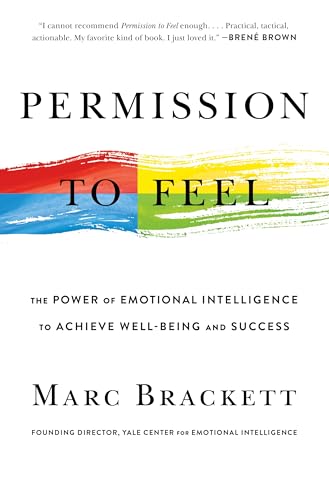 Marc Brackett Permission to Feel The Yale RULER protocol and Mood Meter framework for systematic emotional intelligence and regulationCHECK TODAY'S PRICE
 - 3
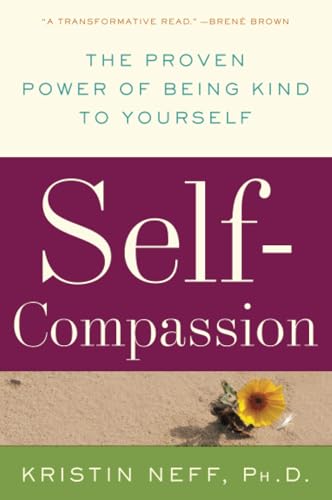 Kristin Neff Self-Compassion: The Proven Power of Being Kind to Yourself Evidence-based somatic and mindful practices to silence harsh self-criticism and cultivate resilienceCHECK TODAY'S PRICE
 - 4
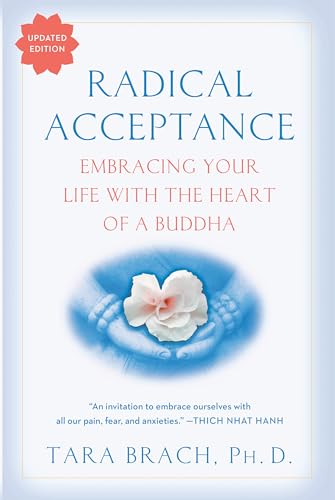 Tara Brach Radical Acceptance The RAIN protocol to heal the trance of unworthiness, embrace difficult emotions, and find inner peaceCHECK TODAY'S PRICE
 - 5
 Bessel van der Kolk The Body Keeps the Score The definitive masterwork on how trauma and overwhelming emotion alter brain circuitry and the bodyCHECK TODAY'S PRICE
 - 6
 Susan David Emotional Agility Unhooking from rigid thoughts and toxic positivity to navigate emotional challenges with values-based clarityCHECK TODAY'S PRICE
 - 7
 Matthew McKay, Jeffrey C. Wood et al. The Dialectical Behavior Therapy Skills Workbook Practical DBT worksheets covering distress tolerance, emotion regulation, mindfulness, and TIPP skillsCHECK TODAY'S PRICE
 - 8
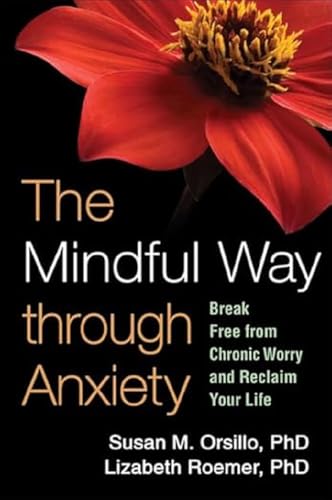 Susan M. Orsillo & Lizabeth Roemer The Mindful Way Through Anxiety Acceptance-based mindfulness practices to break free from chronic worry and dismantle experiential avoidanceCHECK TODAY'S PRICE
 - 9
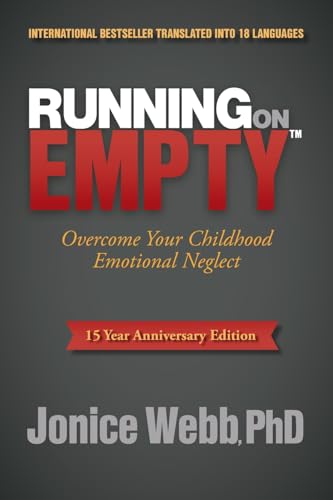 Jonice Webb Running on Empty: Overcome Your Childhood Emotional Neglect Identifying Childhood Emotional Neglect (CEN) and providing actionable steps to rebuild emotional self-attunementCHECK TODAY'S PRICE
 - 10
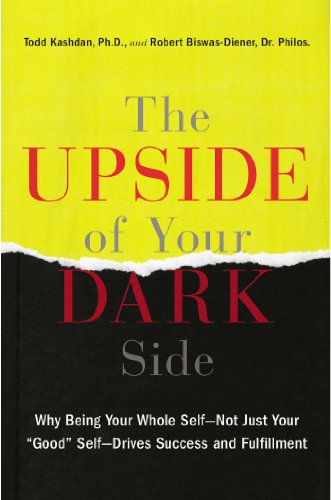 Todd B. Kashdan & Robert Biswas-Diener The Upside of Your Dark Side Harnessing anger, anxiety, and guilt to build psychological flexibility and authentic whole-person successCHECK TODAY'S PRICE
Why Is Naming Emotions Accurately the First Step in Regulation?
Accurate affective labeling fundamentally transforms how the human brain processes stress by shifting neural activation from reactive limbic structures to reflective prefrontal areas. Developing granular emotional vocabulary allows individuals to differentiate nuanced affective states rather than lumping all distress into vague categories like “stressed” or “bad.”
Neuroscientist Lisa Feldman Barrett demonstrates in her groundbreaking research that emotions are not hardwired circuits triggered passively by the environment; rather, the brain constructs emotional experiences by combining incoming sensory data with prior conceptual knowledge. When an individual possesses only a rudimentary emotional vocabulary, the brain constructs coarse, overwhelming emotional states. Expanding this conceptual repertoire through nuanced literacy acts as a direct, physiological lever for affective labeling, measurably calming the nervous system within seconds.
Psychologist Marc Brackett, founding director of the Yale Center for Emotional Intelligence, formalizes this exact principle through his evidence-based RULER framework: Recognizing, Understanding, Labeling, Expressing, and Regulating emotions. Brackett’s extensive clinical research proves that individuals who can distinguish subtle variations—such as differentiating situational disappointment from existential despair—demonstrate significantly higher social competence, lower burnout rates, and superior physiological resilience under pressure.
- Cultivating granular affective literacy directly facilitates neurological affective labeling across high-stress environments.
- Understanding the distinct cognitive appraisal behind each feeling prevents reactive emotional suppression.
- Deploying structured assessment tools enables individuals to identify bodily sensations before full-blown nervous system overwhelm occurs.
The 10 Best Books to Work on Emotions and Heal Your Inner Life
The following curated selection represents the most rigorous, peer-reviewed, and clinically transformative literature available for understanding human affective states, processing developmental trauma, and building sustainable psychological resilience.
1. Atlas of the Heart: Mapping Meaningful Connection and the Language of Human Experience — Brené Brown
Atlas of the Heart by research professor Brené Brown maps eighty-seven distinct human emotions and affective experiences, providing readers with the critical conceptual vocabulary necessary to navigate vulnerability, grief, joy, and shame. Brown argues persuasively that without precise linguistic terms, our internal experiences remain tangled and unmanageable, trapping us in cycles of reactive defensiveness and relational isolation.
Drawing on two decades of grounded theory research, Brown meticulously deconstructs subtle distinctions between frequently confused states, such as envy versus jealousy, and guilt versus toxic shame. By anchoring each psychological concept in relatable narratives and visual frameworks, this volume functions as an essential, beautifully illustrated field guide for anyone seeking genuine emotional literacy and relational security.
- Maps eighty-seven distinct affective states to build comprehensive emotional vocabulary for daily life.
- Differentiates guilt as an adaptive behavioral appraisal from shame as a destructive identity condemnation.
- Provides actionable tools for cultivating grounded confidence through authentic vulnerability and connection.
2. Permission to Feel: Unlocking the Power of Emotions to Help Our Kids, Ourselves, and Our Society Thrive — Marc Brackett
Permission to Feel by developmental psychologist Marc Brackett presents the scientifically validated RULER framework developed at Yale University, establishing that emotions are not disruptive obstacles to rationality but vital sources of biological data. Brackett shares his own history of childhood trauma alongside rigorous empirical data to demonstrate how institutional emotional neglect fuels chronic anxiety and academic disengagement.
The book introduces the Mood Meter, an accessible diagnostic tool that plots affective states across energy and pleasantness axes to facilitate rapid emotional calibration. Brackett provides clear, actionable protocols for converting overwhelming somatic arousal into constructive problem-solving, making this work indispensable for parents, educators, and leaders aiming to foster an authentic emotionally intelligent environment.
- Introduces the clinically validated RULER protocol for systematic affective self-regulation.
- Features the Mood Meter framework to track shifts in physiological energy and valence.
- Translates decades of academic research into practical routines that prevent chronic workplace burnout.
3. Self-Compassion: The Proven Power of Being Kind to Yourself — Kristin Neff
Self-Compassion by pioneering psychological researcher Kristin Neff demonstrates through extensive clinical data that self-compassion provides a far more durable foundation for mental well-being than contingent, performance-based self-esteem. Neff explains how the relentless pursuit of high self-esteem inevitably triggers social comparison, narcissistic defensiveness, and acute depression when personal failure occurs.
Neff outlines the three core pillars of mindful self-compassion: self-kindness versus harsh judgment, common humanity versus isolating shame, and balanced mindfulness versus catastrophic over-identification. Her evidence-based exercises teach readers how to de-escalate their internal self-critic and activate the soothing mammalian caregiving system, establishing genuine unconditional emotional safety during life crises.
- Contrasts the fragile volatility of self-esteem with the protective stability of mindful self-compassion.
- Provides structured somatic practices to release self-critical rumination and calm sympathetic nervous arousal.
- Anchors personal suffering in the universal matrix of shared human experience.
4. Radical Acceptance: Embracing Your Life With the Heart of a Buddha — Tara Brach
Radical Acceptance by clinical psychologist and meditation teacher Tara Brach addresses what she terms “the trance of unworthiness”—the chronic, pervasive assumption that one is fundamentally deficient and undeserving of love. Brach skillfully weaves Western psychotherapeutic insight with Eastern contemplative mindfulness to help individuals confront painful emotional blocks without resorting to habitual dissociation or self-punishment.
The cornerstone of Brach’s clinical approach is the widely used RAIN protocol: Recognize what is happening, Allow the experience to be there, Investigate with gentle curiosity, and Nurture with self-compassion. This transformative text offers guided somatic meditations that dissolve deep-seated feelings of inadequacy, guiding readers toward profound emotional wholeness.
- Pioneers the four-step RAIN framework to neutralize acute shame and fear triggers.
- Exposes the underlying cognitive mechanics behind the chronic trance of personal unworthiness.
- Offers experiential mindfulness exercises that safely expand individual affective tolerance.
5. The Body Keeps the Score: Brain, Mind, and Body in the Healing of Trauma — Bessel van der Kolk
The Body Keeps the Score by renowned psychiatrist Bessel van der Kolk is the definitive masterwork on how psychological trauma physically alters the brain’s neurocircuitry and embeds itself within visceral bodily tissues. Van der Kolk explains how traumatic experiences disconnect the rational prefrontal cortex from the alarm-sounding amygdala, leaving survivors trapped in terrifying physiological flashbacks that resist purely verbal talk therapies.
Integrating neuroimaging findings with decades of clinical treatment, the author explores evidence-based somatic interventions including EMDR, neurofeedback, theater therapy, and trauma-informed yoga. This monumental volume fundamentally revolutionizes how we understand emotional overwhelm, proving that true emotional healing requires restoring safe somatic interoceptive awareness within the physical body.
- Decodes the neurobiological pathways through which traumatic memory disrupts subcortical brain systems.
- Demonstrates why traditional talk therapies often fail to resolve visceral somatic trauma imprints.
- Details innovative body-centered clinical modalities that restore internal physiological homeostasis.
6. Emotional Agility: Get Unstuck, Embrace Change, and Thrive in Work and Life — Susan David
Emotional Agility by Harvard Medical School psychologist Susan David introduces a revolutionary framework for navigating life’s inevitable emotional turbulence without getting “hooked” by negative thoughts or forced into toxic positive thinking. David demonstrates that suppressing unpleasant emotions or obsessively brooding over them creates cognitive rigidity, severely impairing decision-making and interpersonal effectiveness.
David’s four-step process—Showing Up, Stepping Out, Walking Your Why, and Moving On—empowers individuals to view difficult emotions as non-threatening signposts pointing directly toward their core human values. Written with exceptional clarity and psychological rigor, this book provides an indispensable roadmap for developing genuine cognitive and behavioral flexibility in complex environments.
- Exposes the hidden psychological risks of forced positive thinking and rigid emotional avoidance.
- Teaches the art of cognitive unhooking to create healthy psychological distance from destructive thought loops.
- Aligns daily behavioral choices directly with deeply held core personal values.
7. The Dialectical Behavior Therapy Skills Workbook — Matthew McKay, Jeffrey C. Wood, and Jeffrey Brantley
The Dialectical Behavior Therapy Skills Workbook by Matthew McKay, Jeffrey C. Wood, and Jeffrey Brantley operationalizes the clinical breakthroughs of Marsha M. Linehan into an immensely practical, self-directed training curriculum. The workbook targets intense emotional vulnerability and impulsive behavioral reactivity by teaching structured, step-by-step psychological skills across four clinical domains.
Readers systematically work through actionable worksheets covering core mindfulness, distress tolerance, emotional regulation, and interpersonal effectiveness. By providing concrete crisis survival tools—such as the TIPP protocol for rapidly altering autonomic nervous system arousal—this manual serves as the premier gold-standard guide for mastering acute distress tolerance.
- Breaks down DBT into four structured modules: mindfulness, distress tolerance, regulation, and interpersonal effectiveness.
- Features the emergency TIPP physiological protocol to halt escalating acute panic and rage.
- Provides reproducible clinical worksheets designed to reduce self-destructive and impulsive behavioral urges.
8. The Mindful Way Through Anxiety: Break Free from Chronic Worry and Reclaim Your Life — Susan M. Orsillo and Lizabeth Roemer
The Mindful Way Through Anxiety by clinical psychologists Susan M. Orsillo and Lizabeth Roemer integrates acceptance-based behavioral therapy with experiential mindfulness to dismantle chronic worry cycles. The authors demonstrate that anxiety becomes chronic not because of initial fearful thoughts, but because of our exhausting, futile struggles to eliminate anxiety entirely.
Orsillo and Roemer provide structured experiential exercises that teach readers how to lean gently into uncomfortable somatic sensations while maintaining commitment to meaningful life pursuits. This compassionate, evidence-based manual provides an essential roadmap for ending the exhausting war with your own mind and reclaiming values-aligned living.
- Exposes experiential avoidance as the primary engine maintaining chronic generalized anxiety disorder.
- Integrates mindfulness practices that expand willingness to experience uncomfortable bodily sensations.
- Guides readers in formulating concrete, values-based actions despite the presence of intrusive fearful thoughts.
9. Running on Empty: Overcome Your Childhood Emotional Neglect — Jonice Webb
Running on Empty by clinical psychologist Jonice Webb identifies and defines Childhood Emotional Neglect (CEN)—an invisible developmental wound caused not by overt physical abuse, but by what parents failed to do: notice, validate, and respond to their child’s emotional reality. Webb shows how adults with unrecognized CEN struggle with chronic emptiness, unexplained guilt, and profound difficulty identifying what they feel.
Webb outlines twelve distinct parenting styles that inadvertently produce emotional neglect and provides a clear diagnostic questionnaire for readers. The book delivers actionable behavioral exercises for reconnecting with suppressed emotional signals, establishing healthy relational boundaries, and breaking intergenerational cycles to achieve authentic emotional self-attunement.
- Identifies Childhood Emotional Neglect as an invisible root cause of adult emotional numbness.
- Features a diagnostic assessment to uncover suppressed needs and unresolved developmental deficits.
- Outlines concrete self-care protocols for reparenting oneself and building healthy emotional boundaries.
10. The Upside of Your Dark Side: Why Being Your Whole Self Drives Success and Fulfillment — Todd B. Kashdan and Robert Biswas-Diener
The Upside of Your Dark Side by positive psychology researchers Todd B. Kashdan and Robert Biswas-Diener provides a vital, scientifically grounded antidote to the cultural myth of relentless positivity. The authors prove that optimal psychological functioning does not come from feeling joyful all the time, but from psychological flexibility—the capacity to access the full spectrum of human affective states.
Kashdan and Biswas-Diener demonstrate the hidden evolutionary benefits of uncomfortable emotions: anger sharpens attention to injustice, anxiety enhances vigilance during threat detection, and guilt drives moral repair. This provocative, highly engaging volume teaches readers how to harness difficult emotional energy as an adaptive catalyst for authentic psychological resilience.
- Demonstrates the evolutionary utility and functional benefits of anger, anxiety, and guilt.
- Dismantles the toxic cultural mandate demanding permanent superficial happiness and positivity.
- Introduces the 80/20 emotional balance rule for sustainable, whole-person psychological flourishing.
How Does the Polyvagal Theory Explain Emotional Dysregulation?
Emotional dysregulation is fundamentally an autonomic nervous system response, not a cognitive failure of willpower. When individuals perceive threat or relational rupture, subcortical neural pathways rapidly shift the physiological baseline between safety, mobilization, and immobilization long before conscious thought intervenes.
Neuroscientist Stephen W. Porges established the revolutionary Polyvagal Theory, detailing how the vagus nerve mediates three distinct phylogenetic states within the autonomic nervous system. The ventral vagal complex supports social engagement, calm physiological states, and clear cognitive appraisal. However, when neuroception detects danger, the sympathetic nervous system activates fight-or-flight mobilization. If stress becomes overwhelming or inescapable, the ancient dorsal vagal complex triggers immobilization, dissociation, and profound emotional numbness.
Understanding this evolutionary hierarchy transforms how we interpret intense affective volatility. When an individual experiences explosive rage or debilitating panic, their physiology has dropped out of the ventral vagal state into primitive survival defenses. Effective emotional regulation therefore requires applying physiological, bottom-up soothing—such as diaphragmatic breathing, bilateral stimulation, and postural adjustments—to restore safety before attempting cognitive restructuring.
- The ventral vagus pathway facilitates safe social engagement and optimal prefrontal cognitive functioning.
- Sympathetic nervous mobilization generates acute panic, agitation, and defensive interpersonal reactivity.
- Dorsal vagal freeze responses produce depressive dissociation, affective numbness, and visceral chronic fatigue.
- Applying somatic polyvagal practices re-establishes internal physiological safety and promotes rapid nervous system regulation.
Why Suppressing Negative Emotions Inevitably Backfires
Attempting to suppress, ignore, or forcibly deny uncomfortable emotions does not eliminate them; instead, emotional suppression measurably increases sympathetic cardiovascular arousal and reinforces internal distress. Emotional suppression functions like holding a beach ball underwater: the deeper you push it, the more violently it erupts once fatigue sets in.
Experimental psychologist James Gross conducted landmark laboratory research on emotion regulation, discovering that individuals instructed to hide their emotional expressions while viewing disturbing imagery exhibited dramatic spikes in blood pressure, heart rate, and cortisol secretion compared to those who allowed natural emotional expression. Crucially, Gross discovered that suppression impairs memory encoding and drains cognitive bandwidth, leaving less mental energy available for complex problem-solving and empathetic relational attunement.
Furthermore, chronic emotional avoidance fuels secondary emotional suffering. When someone feels anxious about feeling anxious, or feels ashamed of feeling sad, they superimpose a destructive second layer of distress on top of the original primary feeling. Accepting primary emotional waves without judgment allows neurochemical cascades to peak, dissipate, and return to baseline naturally within roughly ninety seconds, establishing a foundation of unconditional affective tolerance.
- Primary emotional signals naturally rise, peak, and subside within ninety seconds when experienced with non-judgmental mindful interoceptive awareness.
- Forced suppression triggers severe rebound physiological arousal, intensifying long-term cardiovascular stress levels.
- Judging natural emotions creates destructive secondary suffering, compounding initial vulnerability with toxic internalized shame.
- Practicing somatic acceptance allows the autonomic nervous system to complete its natural biological regulation cycle.
How to Differentiate Primary Emotions from Secondary Reactions
Mastering the distinction between primary and secondary emotions is an essential clinical competency for breaking reactive behavioral cycles. Primary emotions are immediate, biologically adaptive responses to real-world stimuli, whereas secondary emotions are reactive cognitive-emotional layers triggered by our judgments about having the primary emotion in the first place.
| Primary Emotional State | Secondary Reactive Reaction |
|---|---|
| Vulnerable sadness following loss | Irritable defensiveness and aggressive blame |
| Sudden fear during threat | Paralyzing shame and self-critical rumination |
| Healthy boundary-protecting anger | Helpless anxiety and passive-aggressive withdrawal |
| Situational disappointment | Cynical detachment and complete emotional shutdown |
As illustrated above, secondary reactions systematically obscure the genuine biological information carried by primary feelings. A person raised in a family where sadness was mocked as weakness will automatically convert primary grief into secondary hostility or cynicism. Clinicians emphasize that therapeutic transformation occurs only when individuals peel back the defensive secondary reaction and sit courageously with the vulnerable primary feeling underneath, thereby reclaiming their authentic somatic emotional intelligence.
Daily Practical Exercises to Build Somatic Emotional Agility
Reading psychological literature produces lasting therapeutic benefit only when cognitive insights are translated into consistent, daily somatic regulation habits. Theoretical knowledge alone cannot rewire subcortical neural pathways; the nervous system requires repeated, embodied practices that reinforce safety under stress.
Pioneering cognitive psychologist Aaron T. Beck consistently demonstrated that emotional mastery requires disciplined daily integration between cognitive appraisals and physiological behavioral responses. Dedicating just ten minutes each day to structured somatic exercises enables individuals to systematically build their capacity to navigate intense internal states without losing behavioral control or collapsing into exhausting panic spirals.
- Practice the “Physiological Sigh” three times consecutive upon waking by taking two deep nasal inhales followed by one extended, unforced mouth exhale to trigger immediate parasympathetic nervous recovery.
- Conduct an hourly somatic body scan, gently noticing where physical tension resides without attempting to change, fix, or judge bodily sensations.
- Deploy the RAIN protocol whenever acute distress strikes by naming the specific feeling aloud to facilitate immediate prefrontal cortex regulation.
- Schedule a daily five-minute self-compassion break by placing a warm hand over your heart and silently repeating words of unconditional self-acceptance.
- Engage in daily expressive journaling for ten minutes, uncensored, to externalize lingering emotional charges and dismantle unconscious cognitive loops.
When Should Emotional Challenges Be Evaluated by a Professional?
While self-directed reading and psychological workbooks offer exceptional tools for personal growth, they are educational resources and can never substitute for professional clinical psychotherapy or medical psychiatric care. Recognizing the precise clinical thresholds where self-help must transition to professional intervention is a critical marker of mental health literacy.
If emotional volatility persistently impairs your ability to maintain employment, fulfill basic daily responsibilities, sustain interpersonal relationships, or sleep normally for more than two consecutive weeks, you should schedule a comprehensive diagnostic evaluation with a licensed mental health professional. Similarly, conditions such as major clinical depression, bipolar spectrum disorders, obsessive-compulsive disorder, severe eating disorders, and complex post-traumatic stress disorder require specialized, evidence-based psychotherapeutic protocols such as DBT, CBT, or EMDR administered by a trained clinician.
Most urgently, if you or a loved one are experiencing acute intrusive thoughts of self-harm, suicidal ideation, or overwhelming despair where you cannot guarantee your immediate safety, do not rely on self-help literature. In the United States and Canada, immediately call or text 988 to connect with the Suicide & Crisis Lifeline, available twenty-four hours a day, seven days a week, free and completely confidential. Seeking professional clinical support during moments of crisis is not a sign of defeat; it is the ultimate act of courageous personal self-advocacy.
- Persistent emotional distress impairing daily occupational and social functioning warrants an evaluation by a licensed mental health professional.
- Complex clinical presentations including severe trauma, bipolar disorder, and obsessive-compulsive patterns require structured evidence-based psychotherapy.
- Acute intrusive thoughts of self-harm or suicidal ideation demand immediate emergency contact with dedicated crisis support services.
FAQs about Books to Work on Emotions
What is the single best book to work on emotions for a complete beginner?
For a complete beginner seeking an accessible yet scientifically rigorous introduction, Permission to Feel by Dr. Marc Brackett or Atlas of the Heart by Dr. Brené Brown provides the most empowering starting point. Brackett’s work demystifies emotional intelligence through the practical RULER framework and the intuitive Mood Meter tool, making it exceptionally easy to track energy and pleasantness in daily routines. Brown’s volume acts as an indispensable emotional dictionary, defining eighty-seven distinct affective experiences with relatable storytelling and visual charts. Both titles establish foundational emotional literacy without overwhelming readers with dense academic jargon.
Can reading books about emotions genuinely change how the brain regulates stress?
Reading books about emotions can stimulate neuroplasticity and improve autonomic regulation when cognitive insights are paired with active somatic practice. When you learn to accurately identify and name a complex emotion—a process known as affect labeling—neuroimaging studies show that the prefrontal cortex increases activation while down-regulating hyperactive amygdala alarm circuits. However, intellectual understanding alone is insufficient; readers must actively practice the somatic, mindfulness, and behavioral exercises outlined in these texts to physically reshape neural stress pathways and strengthen parasympathetic vagal tone over time.
What is the core difference between emotional intelligence and emotional regulation?
Emotional intelligence is a broad psychological construct encompassing the ability to perceive, understand, reason with, and navigate emotional information in oneself and others. Emotional regulation is a specific functional subset within emotional intelligence, referring to the conscious and unconscious strategies an individual uses to influence the intensity, duration, and expression of an emotional experience. In short, emotional intelligence gives you the situational awareness and vocabulary to understand what you feel, while emotional regulation provides the specific behavioral and somatic tools to manage those feelings constructively.
How does dialectical behavior therapy help individuals with overwhelming emotional intensity?
Dialectical behavior therapy helps individuals with intense emotional dysregulation by balancing radical acceptance with proactive behavioral change. Developed by Dr. Marsha Linehan, DBT breaks coping mechanisms into four practical skill modules: mindfulness, distress tolerance, emotion regulation, and interpersonal effectiveness. By providing emergency somatic tools like the TIPP protocol—which uses temperature, intense exercise, paced breathing, and paired muscle relaxation—DBT gives individuals immediate, biological methods to de-escalate acute autonomic arousal before destructive behavioral impulses take over.
Is emotional suppression always harmful, or does it have situational benefits?
While chronic emotional suppression is strongly linked to cardiovascular strain, anxiety, and depression, temporary expressive suppression can be an adaptive social coping strategy in high-stakes professional or crisis settings where immediate emotional outbursts would compromise physical safety or professional decorum. The critical psychological difference lies in flexibility and post-event processing. Adaptive regulation allows an individual to temporarily contain strong feelings during a crisis, and then intentionally revisit, express, and somaticize those emotions once in a safe, supportive environment, rather than denying the feelings permanently.
How do I know if I need a therapist instead of a self-help book?
You should seek a licensed therapist when emotional distress persistently interferes with your daily work performance, personal relationships, basic self-care, or sleep hygiene for more than two weeks. Books are excellent educational resources for personal growth, but they cannot assess clinical pathology, provide real-time relational attunement, or guide you safely through traumatic memories. If you experience intrusive thoughts of self-harm, persistent hopelessness, panic attacks, or overwhelming emotional numbness, professional clinical therapy is necessary to ensure safety and provide tailored treatment.
Bibliography
- Barrett, L. F. (2017). How Emotions Are Made: The Secret Life of the Brain. Houghton Mifflin Harcourt.
- Beck, A. T. (1979). Cognitive Therapy of Depression. Guilford Press.
- Brach, T. (2003). Radical Acceptance: Embracing Your Life with the Heart of a Buddha. Bantam Books.
- Brackett, M. (2019). Permission to Feel: Unlocking the Power of Emotions to Help Our Kids, Ourselves, and Our Society Thrive. Celadon Books.
- Brown, B. (2021). Atlas of the Heart: Mapping Meaningful Connection and the Language of Human Experience. Random House.
- David, S. (2016). Emotional Agility: Get Unstuck, Embrace Change, and Thrive in Work and Life. Avery.
- Gross, J. J. (2002). Emotion regulation: Affective, cognitive, and social consequences. Psychophysiology, 39(3), 281-291.
- Kashdan, T. B., & Biswas-Diener, R. (2014). The Upside of Your Dark Side: Why Being Your Whole Self Drives Success and Fulfillment. Avery.
- Linehan, M. M. (2014). DBT Skills Training Manual (2nd ed.). Guilford Press.
- McKay, M., Wood, J. C., & Brantley, J. (2019). The Dialectical Behavior Therapy Skills Workbook (2nd ed.). New Harbinger Publications.
- Neff, K. (2011). Self-Compassion: The Proven Power of Being Kind to Yourself. William Morrow.
- Orsillo, S. M., & Roemer, L. (2011). The Mindful Way Through Anxiety: Break Free from Chronic Worry and Reclaim Your Life. Guilford Press.
- Porges, S. W. (2011). The Polyvagal Theory: Neurophysiological Foundations of Emotions, Attachment, Communication, and Self-regulation. W. W. Norton & Company.
- van der Kolk, B. (2014). The Body Keeps the Score: Brain, Mind, and Body in the Healing of Trauma. Viking.
- Webb, J. (2012). Running on Empty: Overcome Your Childhood Emotional Neglect. Morgan James Publishing.
Use this citation format to reference the article clearly and help readers find the original source.
PsychologyFor. (2026). The Best Books to Work on Emotions. PsychologyFor. https://psychologyfor.com/the-best-books-to-work-on-emotions/