

See more of our articles in your search results.
The king of all games is undoubtedly soccer.
It is a practice as human and significant in our time as few sociological phenomena can be since it covers the different fields of human nature and is capable of summoning the entirety of the human being at its different levels of consciousness and expression. Its practice knows no borders since it is practiced on all five continents, making the entire world revolve around the ball.
Football: a social… and psychological phenomenon
Both the success and failure of a player come from a combination of physical, psychological and technical conditional capabilities For this reason and because of the global relevance of this sport, it is necessary to study these factors that affect the athlete’s performance, positioning the study of the footballer’s personality as one of the most determining factors for sporting success, being very useful since This is a territory in which behaviors will depend more on the personality traits of the players than on their environment.
The personality of footballers
Knowledge of the personality of the soccer player, according to the position he plays, could help improve the team’s performance in general, and the player could be selected for each specific position taking into account not only his physical abilities but also his behavioral traits. personality that will allow a given player to function better in one position and not another.
Defining concepts
But to be able to talk about personality in sport and in football in particular, It is necessary to make a general description of what this construct that we call personality is
How many of these have you been "meaning to read" for months?
- 1
 TarcherThe Artist's Way30th Anniversary EditionListen Free On Audible
 - 2
 New Harbinger PublicationsThe Dialectical Behavior Therapy Skills WorkbookPractical DBT Exercises for Learning Mindfulness, Interpersonal Effectiveness, Emotion Regulation...Listen Free On Audible
 - 3
 New Harbinger PublicationsAdult Children of Emotionally Immature ParentsHow to Heal from Distant, Rejecting, or Self-Involved ParentsListen Free On Audible
What is personality?
Position on the field (demarcation) and personality: is there a correlation?
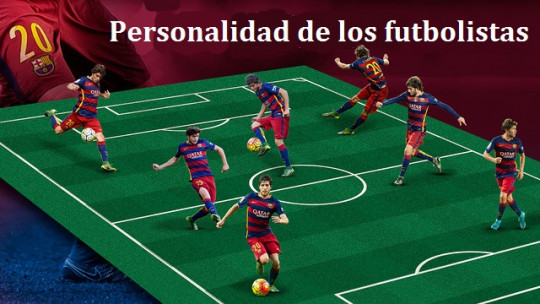
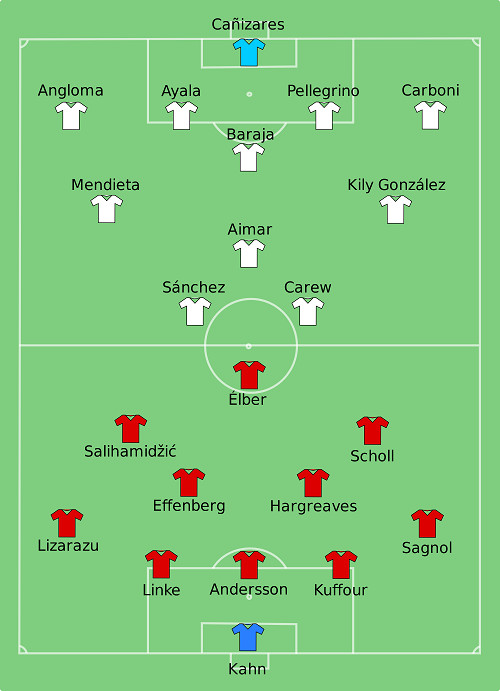
One of the fundamental characteristics of this sport is that Each player plays a tactical position on the field of play in which four main categories are identified: goalkeepers, whose function is to prevent goals from being scored; the front, to score goals; the defenses to defend the danger zone and the midfielders They are the ones who strategically handle the ball in the center of the field, generating plays aimed at scoring goals.
These four categories They are also characterized by having their certain personality styles. according to a series of stable response dispositions that are the traits and that are defined as the global tendencies that each particular player has to emit one or another type of response that determines their characteristic behavior and thoughts. That is, each player, depending on his personality traits, would be predisposed to respond in the same or similar way to different types of stimuli.
For this reason, the concern arises not only to know the general profile of the soccer player, but also the individual differences in terms of personality according to the position that each player plays on the playing field, since this would help the coach in his better location within the field; take into account the frustration tolerance of their scorers, the goalkeeper’s resistance to the pressure of penalties, the aggressiveness of the defenders and the emotional stability to see how they influence each other within the same team, etc.
General personality traits of a footballer
There are individual differences where sports practice is related to a certain number of personality traits, especially traits such as extraversion, emotional stability and responsibility, these being the traits most associated with sports such as football, although not the only ones, as we will see below.
- Emotional stabilitywhich refers to a serene and carefree individual.
- Responsibilitywhich indicates a tendency to be orderly and achievement-oriented.
Therefore, footballers at a general level are balanced, extroverted, emotionally stable, dominant, aggressive, competitive and ambitious. They are oriented towards achievement and team cohesion, active and with few depressive manifestations (Pascual, 1989).
Different investigations also show that soccer players present these traits: Affability, Abstraction, Dominance, Animation, Attention to rules, Boldness, Sensitivity, Vigilance, Apprehension, Openness to change, Perfectionism and Tenacity. (Guillen-García, 2007).
More attributes and traits of footballers
Soccer players also have defensive and adaptive strategies in behavioral terms, which defines them as players who are characterized by a great ability to perceive situations in a favorable way and with a high capacity for attention, according to Apitzsch (1994).
The image they give to others is of extremely narcissistic and egocentric people (Elman and McKelvie, 2003).
They have high scores in the factors of radicalism, intelligence and control. (O’Connor and Webb, 1976)
Soccer players present themselves as self-sufficient since they tend to seek to build their own future and have it only depend on them, individualistic and supportive, as well as tense, energetic, impatient, restless and reactive. (Marrero, Martin-Albo and Núñez, 2000).
Soccer players are defined as self-realized people, with confidence and self-assurance, seeking the satisfaction of their own goals, optimistic, with good humor, socially friendly and have a humanitarian spirit. (Bara, Scipiao and Guillen, 2004).
Soccer players in general belong to the Conformism scale, which indicates that they agree with authority, respect it and abide by its rules. (García-Naveira, 2008; Aparicio and Sánchez-López, 2000).
Soccer players in general are dominant, manipulative, aggressive, competitive and ambitious individuals in their social relationships (Apitzsch, 1994; García, 2004 and García-Naveira, 2008).
These players move and act in response to individual interests such as the motivation to improve a personal skill, to be recognized as the best in their position, to be a starter, among others; and group motivations such as winning a cup or championship (Díaz-Morales and García-Naveira, 2001). They are demanding of themselves and bright, and they keep their self-esteem high so that the environment comforts them.
This indicates that soccer players tend to meet their own needs but take others into account when making decisions about group goals.
Although soccer players, being group athletes, are more dependent on their own teammates, need to turn to others for external stimulation, constant search for attention from the other members of the team, they have trust towards others, self-control and social responsibility at a higher level than individual athletes Bara et al. (2004).
As we have seen, soccer players have a characteristic personality style, but differences are also established according to the location and the role played by each player on the playing field (Goalkeeper, Defender, Midfielder and Forward) according to the tactical position they play within the team (Millon 2001).
Personality differences of footballers according to the position they occupy on the field of play
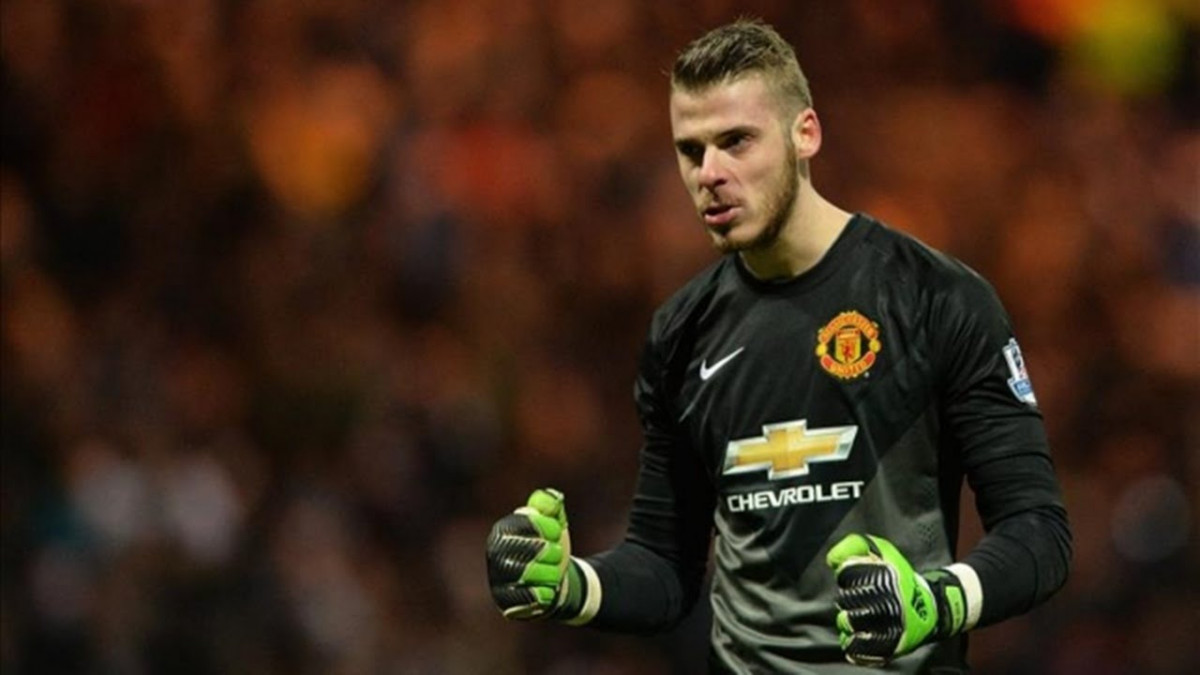
1. Goalkeepers
They are characterized by their intuition and because Their knowledge derives from the concrete, relying more on direct or observable experience than in the players who occupy the other positions.
They are players who trust a lot in themselves, believe they are talented, competent and very egocentric.
The goalkeepers They are the players most capable of taking risks and are extremely dissatisfied with predictable situations
They are very creative, communicative, dominant and aggressive and are always in constant search of stimulation and attention. They are friendly and bright but also demanding and prefer to satisfy their personal needs first than those of others.
2. Midfielders
They are characterized because They are reflective, they tend to process knowledge to a greater extent through logic and analysis and they are capable of making decisions based on their judgment and direct and observable experience (intuition). (García Narváez, 2010).
They are the nicest of the team (concordance) and the ones who establish the strongest emotional ties with the other players and tend to hide their negative feelings.
They are intuitive, look for the abstract and speculative and make decisions based on their own emotional reactions and guided by their personal values.
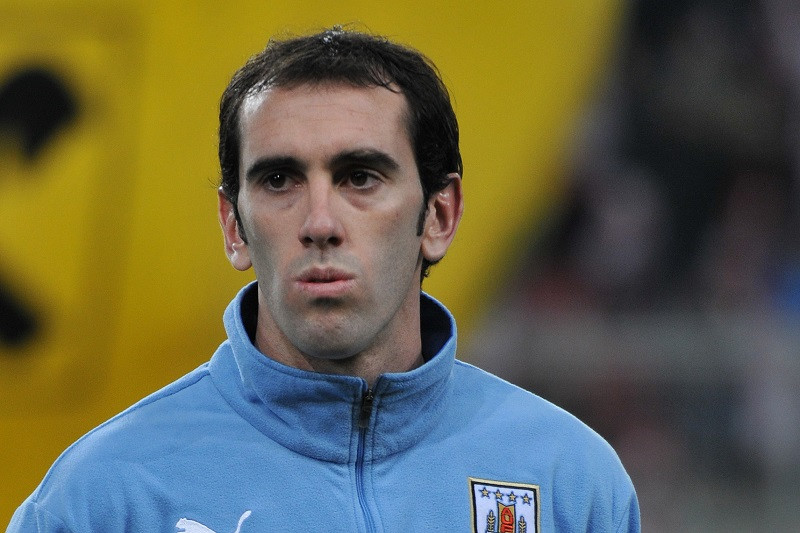
3. Defenses
They are characterized by being the most intuitive players. They are self-confident and very competent and talented
They are players who seek stimulation from others and are motivated to first satisfy the needs of others and not those of themselves.
They are located on the scale of submission, which indicates that They relate submissively to others and conform to the norms held by others
4. Forwards
They are characterized by being the most systematic players. They are predictable, organized, perfectionist and efficient, capable of adapting new knowledge to existing knowledge, thus looking for safe and successful ways to generate productive plays and stick to them without straying too far from that proven pattern. (Pérez. M, Navarro. R, Navarro. R, Ruiz. J, Brito. E, Navarro. M. 2004).
They are receptive, dominant and socially aggressive, ambitious and stubborn (polarity of control) These are the players who act more independently and less conforming to what is predictable, in addition to not abiding by common or traditional rules, assuming risks (discrepancy).
Although they are socially friendly and establish good bonds with other players and strong loyalties, they are the least motivated to satisfy the demands of others first.
They lean toward the Affectivity scale, which describes them as players who make decisions based on their own affective reactions and guided by their personal values.
In conclusion
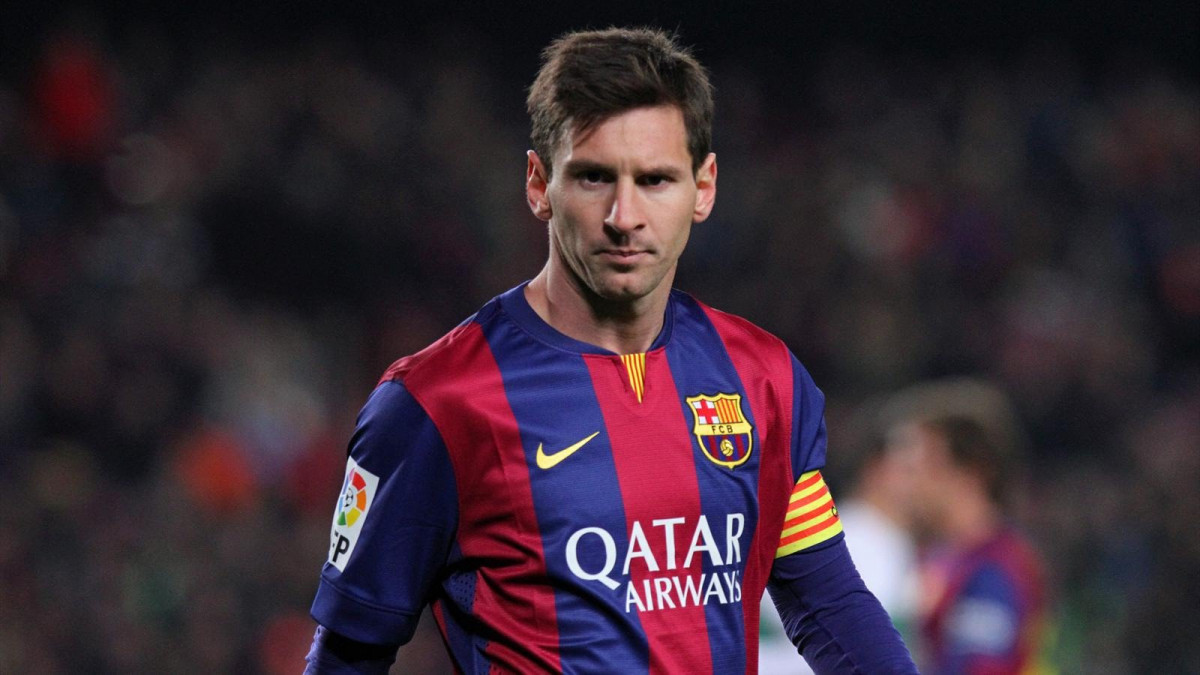
For all of the above, an integrative model is necessary that takes into account stable variables over time such as personality traits or styles and other more changing variables such as goals, motivations and cognitive styles.
- Apitzsch, E. (1994). The personality of the elite soccer player. Journal of Sports Psychology, 6, 89-98.
- García-Naveira, A. (2004). Individual differences in soccer players over time: Personality style and motivation. Bachelor’s Report. Department of Differential Psychology. Faculty of Psychology. Complutense University of Madrid.
- García-Naveira, A. (2007). Study of personality in athletes from the models of Cattell, Eysenk and Costa and McCrae. Sports psychology notebooks, 8(2),43-51.
- García-Naveira, A. (2008). Personality style in competitive soccer players and differences depending on the demarcation. Sports psychology notebooks, 8 (2), 19-38.
- García-Naveira, A. (2010a). Individual differences in personality styles and performance in athletes. Report to qualify for the degree of doctor. Department of Personality, Evaluation and Psychological Treatments II. Faculty of Psychology. Complutense University of Madrid.
- Millon, T. (2001). Millon Personality Style Inventory. Madrid: TEA Editions.
Use this citation format to reference the article clearly and help readers find the original source.
PsychologyFor. (2024). The Personality of a Footballer According to His Position on the Field. PsychologyFor. https://psychologyfor.com/the-personality-of-a-footballer-according-to-his-position-on-the-field/