

See more of our articles in your search results.
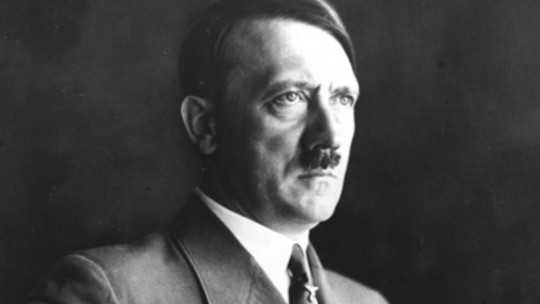
Adolf Hitler remains one of the most infamous figures in modern history. His actions during World War II and the Holocaust have been analyzed from countless historical, political, and military perspectives. But what about his psychological makeup? What can psychology reveal about the inner world of a man responsible for the deaths of millions? Over the years, historians, psychiatrists, and psychologists have tried to develop a clearer understanding of Hitler’s personality traits using historical records, eyewitness accounts, and psychoanalytic theories.
This article explores nine defining psychological traits commonly attributed to Adolf Hitler. These traits don’t excuse or justify his actions, but they offer insight into how his mind may have worked, and how those internal dynamics helped shape one of the darkest chapters in human history.
Adolf Hitler: difficulties of analysis
Establishing a psychological profile of a specific person without directly observing or analyzing their behavior and characteristics is complicated and ineffective, since a real psychological examination cannot be carried out. Any psychological profile carried out on a person without contact between a health professional and the subject in question is more imprecise, which also occurs when preparing the psychological profile of a deceased person.
In the case of Hitler, there is no evidence that he underwent a psychiatric evaluation, and the professionals who were in direct contact with him died, probably being executed by the SS or sent to concentration camps. The only way to try to establish something resembling a psychological profile is the analysis of his speeches, his actions, and the ideas he transmitted through writing.
Hitler’s psychological profile
Adolf Hitler’s personality was an aspect that greatly concerned different governments during World War II. At the time in which he lived, various researchers and experts were commissioned to establish a psychological profile of the dictator. Specifically those carried out by Henry Murray for the Office of Strategic Services stand out (Office of Strategic Services or OSS, precursor of today’s CIA) and by Joseph MacCurdy both profiles being in line.
How many of these have you been "meaning to read" for months?
- 1
 TarcherThe Artist's Way30th Anniversary EditionListen Free On Audible
 - 2
 New Harbinger PublicationsThe Dialectical Behavior Therapy Skills WorkbookPractical DBT Exercises for Learning Mindfulness, Interpersonal Effectiveness, Emotion Regulation...Listen Free On Audible
 - 3
 New Harbinger PublicationsAdult Children of Emotionally Immature ParentsHow to Heal from Distant, Rejecting, or Self-Involved ParentsListen Free On Audible
However, it must be taken into account that neither of the two authors had direct contact with the analysand, so that the profiles created were made from the analysis of different materials and not from the exploration of the individual.
The main personality characteristics of Adolf Hitler that can be extracted from these reports, as well as from the different documentary sources, both audiovisual and written, include the following considerations.
1. Grandiosity and Narcissism
One of the most striking traits in Hitler’s psychological profile was his extreme narcissism. He exhibited an inflated sense of self-importance and often described himself in messianic terms. Hitler believed he was destined to rescue Germany and restore it to greatness, often portraying himself as a chosen figure in history.
His grandiosity was visible in his speeches, his need for public adoration, and his intolerance of dissent. He surrounded himself with people who affirmed his views and removed anyone who dared contradict him. This excessive self-love and delusional grandeur align with what modern psychology would classify as narcissistic personality disorder.
2. Paranoia and Suspicion
Hitler was notoriously paranoid. He frequently suspected others of plotting against him—even when there was no evidence. He kept his inner circle small and subject to strict loyalty. The constant fear of betrayal led to surveillance, purges, and the elimination of perceived enemies.
This trait intensified over time, particularly as the war turned against him. Near the end of his life, he trusted almost no one and was deeply suspicious of his closest allies. Psychologically, this pattern reflects paranoid ideation, a common trait in authoritarian leaders who rely on control and fear to maintain power.
3. Obsessive-Compulsive Tendencies
Hitler reportedly had obsessive behaviors and rigid routines. Eyewitness accounts suggest he was fastidious about cleanliness, followed repetitive habits, and had fixed ideas that were difficult to challenge.
His dietary practices, personal hygiene, and work schedule often reflected an inflexible nature. This rigidity extended into his political thinking—he was unable or unwilling to adapt plans even when circumstances demanded it. This could point to traits associated with obsessive-compulsive personality, which is characterized by a preoccupation with control, order, and perfection.
4. Lack of Empathy
Perhaps one of the most dangerous aspects of Hitler’s psychological makeup was his lack of empathy. He could speak coldly about the extermination of millions of people and showed little regard for the suffering caused by his actions.
This emotional detachment allowed him to dehumanize others, especially Jews, Slavs, and political dissidents. In psychological terms, this aligns with antisocial traits—including the ability to rationalize or feel indifferent to the harm done to others.
His speeches and writings repeatedly reduced entire populations to threats or pests, making mass violence seem justifiable in his worldview.
5. Fixation on Control
Hitler needed to control his environment, his people, and his enemies. He micromanaged military strategies, even when he lacked the experience or expertise to do so effectively. His intolerance of alternative viewpoints and unwillingness to delegate decision-making created a climate of fear within his administration.
This obsessive need for control often led to poor strategic decisions and contributed to the collapse of the Nazi regime. Psychologically, controlling behavior can be a defense mechanism to manage deep-seated feelings of insecurity and helplessness.
6. Intense Ideological Rigidity
Hitler’s beliefs were not just strong—they were uncompromising and dogmatic. He viewed history through a narrow lens of racial hierarchy, national destiny, and struggle. His ideology was built on false scientific theories, conspiracy thinking, and a binary worldview of good versus evil.
He clung to these ideas despite evidence to the contrary and used them to justify atrocities. This rigid cognitive style suggests a closed personality system, in which the individual rejects ambiguity, complexity, and nuance in favor of black-and-white thinking.
7. Charismatic Manipulation
Despite his many psychological dysfunctions, Hitler possessed a magnetic charisma—particularly in public settings. He was a master of performance, using tone, gesture, and repetition to stir emotions in large crowds.
He tapped into the fears, frustrations, and economic suffering of the German people and framed himself as their only hope. This manipulative charisma is typical of dark triad personalities—a psychological term that refers to narcissism, Machiavellianism, and psychopathy.
Charismatic manipulation allowed Hitler to inspire loyalty, suppress criticism, and control mass behavior.
8. Emotional Instability
Hitler exhibited intense mood swings. He could be euphoric one moment and deeply depressed the next. He was known for sudden outbursts of rage, often directed at subordinates or generals. This emotional volatility increased during the later years of the war, possibly fueled by stress, isolation, and deteriorating health.
His instability created a volatile atmosphere in his inner circle and often led to irrational decisions. Psychological theories suggest he may have had traits of borderline personality dynamics, although no formal diagnosis can be confirmed.
9. Detached Reality and Delusional Thinking
Toward the end of his life, Hitler became increasingly detached from reality. He continued to believe in ultimate victory, even when Allied forces were closing in. He ignored reports of German defeats, dismissed intelligence, and issued impossible military commands.
His delusional thinking may have been a form of psychosis or a deeply entrenched defense mechanism against accepting failure. This refusal to engage with reality contributed to massive suffering, including Germany’s collapse and the continued loss of life in the final months of the war.
Psychopathologies associated with the dictator
The different personality characteristics together with the atrocity of his actions have meant that throughout history various mental disorders have been attributed to Hitler. The Murray Report spoke of schizophrenia, neurosis and hysteria among other terms.
Other authors reflect that Hitler may have suffered from disorders due to substance abuse, paranoid schizophrenia, bipolar disorder or even Asperger’s syndrome. He is also associated with different paraphilias, such as sadomasochism. The personality characteristics described above may have a certain connection with the existence of a certain degree of psychopathy, given that typical characteristics of this type of subject are met, but it is also very possible that they are pure propaganda to discredit their figure. Taking advantage of the stigmas that weighed on people with mental disorders.
In any case, it must be taken into account that none of these considerations can be considered proven or firmly stated, since, as we have said, they are based on the analysis of events and documents without having maintained real contact with the person analyzed. Likewise, there is a risk of minimizing the responsibility of the subject, as well as trivializing something as serious as the mass genocide committed by the leader of Nazism.
FAQs About Hitler’s Psychological Profile
Was Hitler ever officially diagnosed with a mental illness?
No official medical or psychiatric diagnosis was ever made during his lifetime. However, posthumous psychological profiles—including one commissioned by the U.S. Office of Strategic Services (OSS) in 1943—suggested traits consistent with narcissism, paranoia, and possible psychopathy.
Did Hitler suffer from psychopathy?
Many of his traits—lack of empathy, manipulativeness, and emotional coldness—are consistent with psychopathic tendencies. However, a clinical diagnosis requires interviews and standardized assessments, which are impossible postmortem.
Did Hitler’s drug use influence his personality?
Historical records show that Hitler took numerous medications, including amphetamines, barbiturates, and opiates. These substances could have amplified his paranoia, mood swings, and erratic behavior, especially in the final years of his life.
Was Hitler’s behavior a result of childhood trauma?
Some biographers argue that Hitler’s abusive father, the early death of his brother, and his lack of emotional nurturing may have shaped his personality. These experiences could have contributed to his emotional detachment, need for control, and mistrust of others.
Is it dangerous to psychoanalyze historical figures?
There’s ongoing debate among psychologists and historians about the value of retroactive diagnosis. While it can offer insight, it also risks simplifying complex individuals or pathologizing behavior without full context. Still, such profiles can help us understand the psychological dynamics of power and tyranny.
Use this citation format to reference the article clearly and help readers find the original source.
PsychologyFor. (2025). The Psychological Profile of Adolf Hitler: 9 Personality Traits. PsychologyFor. https://psychologyfor.com/the-psychological-profile-of-adolf-hitler-9-personality-traits/