

See more of our articles in your search results.
Acquire habits, eliminate certain behaviors or generate changes in the way you act… Sometimes Changing one’s own or others’ behavior can be complicated especially in boys and girls.
Fortunately, psychology and other disciplines have worked from different theoretical and technical currents that allow people to introduce changes in the way they behave. One of the techniques used for this purpose is the token economy.
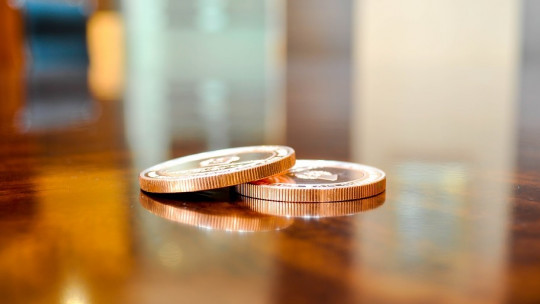
A token economy is a behavioral intervention that uses a system of rewards to reinforce desired behaviors and encourage positive changes. In this system, individuals earn tokens or points for demonstrating specific, desired behaviors. These tokens can then be exchanged for preferred rewards, such as tangible items, privileges, or activities. The token economy is widely used in various settings, including therapy, education, and even in managing behavior in institutional environments. In this article, we will explore what a token economy is, how it works, and how it is applied in therapy and education.
What is a Token Economy?
A token economy is a form of operant conditioning that uses reinforcement to shape behavior. In this system, individuals receive tokens for engaging in behaviors that are considered desirable or goal-directed. These tokens serve as a form of secondary reinforcement, meaning they acquire value through their association with primary reinforcers, such as food, money, or privileges.
The tokens are collected and can later be exchanged for rewards that are meaningful to the individual. The system is designed to encourage specific behaviors by providing immediate, tangible incentives. Token economies are often used in controlled environments, such as schools, psychiatric hospitals, and rehabilitation centers, to promote positive behavioral changes and decrease undesirable behaviors.
How many of these have you been "meaning to read" for months?
- 1
 TarcherThe Artist's Way30th Anniversary EditionListen Free On Audible
 - 2
 New Harbinger PublicationsThe Dialectical Behavior Therapy Skills WorkbookPractical DBT Exercises for Learning Mindfulness, Interpersonal Effectiveness, Emotion Regulation...Listen Free On Audible
 - 3
 New Harbinger PublicationsAdult Children of Emotionally Immature ParentsHow to Heal from Distant, Rejecting, or Self-Involved ParentsListen Free On Audible
Token economy: A method of behavior modification
The token economy is one of the behavior modification techniques, which aim to produce a change in the behavior of the subject to be treated or to implement or eliminate specific behaviors. These types of techniques are based on the belief that behavior can be modified by learning new actions, and They are widely used to educate or intervene on disorders and also in the educational field with boys and girls.
The token economy technique is based on BF Skinner’s self-reinforcement concept of operant conditioning. This theory indicates that whether or not to emit a behavior depends on the consequences of said action that are perceived If these are positive, we will tend to repeat the behavior in anticipation of more reinforcement, while if they are negative, we will reduce its frequency or eliminate the behavior from our repertoire.
Thus, through the token economy it is about creating a context in which there is great room for maneuver to reward certain actions and discourage others, with a high degree of precision. By generating environments that predispose people in one way or another, they are helped to adopt and internalize these behavioral patterns and reproduce them in their daily lives in other situations. In other words, a space is designed in which the person trains certain ways of behaving while having professional support, and then applies that way of behaving in other situations without having direct help.
How is it used?
The procedure to be used in this technique is based on exchange. The emission of the target behavior will be rewarded with a generalized reinforcer in the form of tokens which can later be exchanged for reinforcers palatable to the subject.
The performance of the behavior is monitored by some type of recording system. The tokens themselves are a neutral stimulus, without value for the subject until he knows their connection with obtaining reinforcers. In this way, positive reinforcement is used to reward for carrying out the behaviors that we want to encourage; It is important that this happens without letting too much time pass after that action occurs and is rewarded.
It must be taken into account that this technique is very useful to modify behaviors already present in the subject’s repertoire, implement new behaviors or fade behaviors by rewarding incompatible actions or by withdrawing previously delivered tokens.
However, the token economy is only useful if we want to introduce modifications in a few specific behaviors, or otherwise the modifications are made very gradually and negotiating in advance with the child or patient the progress that should be made. doing.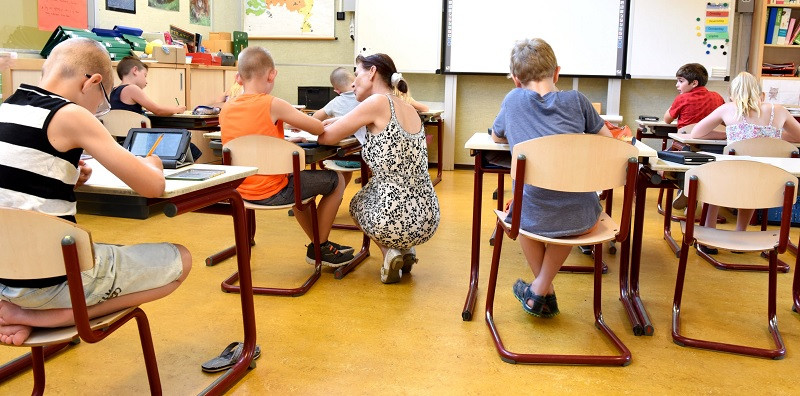
Phases of the procedure
The token economy is a technique that is easy to apply, but requires following a series of stages in order to be applied correctly. Specifically, we can find three different phases, although sometimes they are considered reducible to a phase of program implementation and another phase of its fading.
1. Program establishment phase
The first step to be able to apply this technique is to explain and establish with the individual to be treated the procedure that is going to be carried out.
For this technique to be effective The subject must be able to understand the concept of a token, and what it is for The tokens that are going to be used are shown and the person is helped to understand that these elements are going to be used as interchangeable objects for certain reinforcers.
Thus, we turn the token into something desirable in itself and awaken the desire to obtain it. If necessary, it can be exemplified by giving the individual tokens so that they can exchange them for some element that can be effective as a reinforcer, showing the basic functioning and meaning of these interchangeable symbols. This procedure could be considered as a subphase, sampling the token as a reinforcer.
Subsequently, the subject is told that he or she will obtain a certain amount of tokens for each time he or she carries out a behavior, or if during a certain period of time he or she has performed or avoided a specific behavior.
It is also specified if there is any type of cost for doing the opposite of what was intended. In addition, the reinforcers to be obtained with the tokens are agreed upon and The value of each one is established, conditioning its obtaining to the performance or non-performance of certain behaviors.
Finally, a system is established and developed with which to record the person’s actions over time.
2. Implementation of the program
Once you have established what is going to be done, it is time to put it into practice. The performance of the boy, girl, student or patient is monitored granting them tokens (or taking them away in the event that they engage in prohibited conduct, depending on whether or not the response cost is applied) as the conduct is recorded.
It is recommended that at least initially each behavior emitted be rewarded immediately, so that the functioning of the system is fixed, although over time the rewards will be postponed. Furthermore, it is recommended that only a few of the possible reinforcers be available, so that the desire for those not yet available allows the behavior to be maintained over time.
3. Completion phase
In the last phase, which will close the program, the system is going to be “dismantled” of token economy until its completion.
As the subject increases mastery and practice in the target behavior, little by little the number of tokens required to achieve the reinforcers will begin to increase, while at the same time the tokens earned for each behavior performed will be reduced and hardened. the requirements to obtain the tokens and/or the period it takes to be delivered is increased.
Over time, the program itself stops being applied, with the subject having already established the behavior. However, changes must be informed to the individual so that there is no rejection and a reaction of elimination of the desired behavior or a worsening of the behavior that was intended to be reduced.
Areas of application
The token economy technique can be used both individually and collectively, but it will always be necessary to adjust and agree on both the behaviors to be executed and the reinforcers that can be obtained according to the needs of the individuals or group. It can be used to level and standardize a given environment, allowing it to be reorganized.
The token economy has a large number of application areas. Initially it was used to motivate patients with mental disorders to act in a more competent and adaptive way. In the clinical setting, therefore, it can be used to teach patients with disorders (for example, Autism Spectrum Disorders) to combat their symptoms through behavioral change.
It can also be used in the educational field, where in fact it is frequently used, especially in primary schools, or directly in homes as a tool to educate sons and daughters. Used in schools, it allows them to make an effort to act in a way that gets the reinforcer, helping to improve behavior But it is not only applied at school or in the clinic, it can also be used at an individual level to change habits.
Key Features of Token Economy Systems
- Tokens or Points: Tokens are the primary form of reinforcement. They can take many forms, including physical items like stickers, coins, or cards, or they can be virtual points in a digital system. The key is that the tokens themselves have no inherent value but can be exchanged for meaningful rewards.
- Clear Criteria for Earning Tokens: Individuals must know exactly what behaviors will earn them tokens. These behaviors should be specific, measurable, and achievable. Clear guidelines ensure that everyone understands what is expected and reinforces consistency in the system.
- Reinforcement Schedule: Token economies often operate on a fixed or variable reinforcement schedule, determining how often tokens are awarded. This schedule can be adjusted to maintain motivation and prevent boredom or burnout.
- Exchange System: Tokens are accumulated and later exchanged for rewards. The rewards must be desirable and motivating for the individual, whether it’s a tangible item, extra privileges, or access to preferred activities.
- Monitoring and Evaluation: Regular monitoring of progress and outcomes is essential to ensure the system’s effectiveness. Adjustments may be needed if the desired behaviors are not being achieved, or if the rewards are no longer motivating.
How Token Economy is Used in Therapy
In therapeutic settings, token economies are often used as part of behavior modification programs. They are particularly effective in treating individuals with behavior disorders, developmental disabilities, or those who need help building or maintaining new skills. Some common therapeutic applications of token economies include:
1. Behavioral Therapy for Children
Token economies are often used in child therapy to encourage desirable behaviors and discourage negative ones. For example, a therapist might implement a token system where a child earns tokens for following instructions, completing tasks, or exhibiting appropriate social behaviors. The tokens can then be exchanged for rewards such as extra playtime, stickers, or a special treat.
2. Treatment for Substance Abuse
In addiction treatment centers, token economies are used to reinforce positive behaviors and discourage substance use. Clients can earn tokens for abstaining from drugs or alcohol, attending therapy sessions, and engaging in recovery activities. These tokens can be exchanged for rewards such as recreational activities, snacks, or even financial incentives. This type of system helps reinforce recovery goals and supports long-term behavior change.
3. Autism Spectrum Disorder (ASD)
Token economies are often implemented in behavioral interventions for children with Autism Spectrum Disorder (ASD). Children with ASD may have difficulty with social behaviors, communication, and impulse control. A token economy can be used to teach them appropriate social behaviors, such as making eye contact or sharing, and to reduce challenging behaviors, such as tantrums or aggression. Tokens are awarded for positive behaviors and exchanged for rewards that motivate the child, such as a favorite toy or activity.
4. Psychiatric Hospitals and Institutions
In psychiatric hospitals, especially those working with patients who have severe psychiatric disorders, token economies are used to improve behavior and encourage participation in therapeutic activities. Patients might earn tokens for taking their medication, engaging in group therapy, or demonstrating appropriate social interactions. These tokens can then be exchanged for privileges like a longer visit with family members, extra time outdoors, or access to entertainment options.
How Token Economy is Used in Education
Token economies are widely used in schools to promote positive behaviors, improve academic performance, and manage classroom dynamics. They are particularly useful in classrooms with children who need additional behavioral support. Below are some ways token economies are used in educational settings:
1. Classroom Management
Teachers use token economies to reward students for exhibiting positive behaviors, such as completing assignments on time, being attentive in class, or helping others. Tokens can be awarded for specific actions, like raising a hand before speaking, participating in class discussions, or following classroom rules. These tokens can later be exchanged for rewards like extra recess time, homework passes, or classroom privileges.
2. Special Education
In special education classrooms, token economies are often used to encourage students to engage in academic tasks and follow routines. For children with learning disabilities or behavioral issues, tokens can serve as effective reinforcers. For example, a student might earn tokens for staying on task, completing a worksheet, or interacting appropriately with peers. The rewards can be individualized to suit the needs and interests of each student.
3. Social Skill Development
Token economies are also used to help children develop and reinforce social skills. For instance, students might earn tokens for demonstrating behaviors such as sharing, taking turns, or cooperating with classmates. Teachers can create a system where students exchange tokens for social rewards like being allowed to choose a group activity or receiving compliments from peers.
4. Motivating Students to Complete Tasks
In classrooms where students struggle with motivation, token economies can serve as a tool to encourage them to complete tasks and stay engaged in the learning process. When students receive tokens for their efforts, they are more likely to persist with challenging tasks, such as completing assignments or working through difficult concepts. The reward system helps to make academic tasks feel more rewarding and increases overall participation.
Benefits of Token Economy Systems
- Immediate Reinforcement: Tokens provide immediate reinforcement for desired behaviors, which helps individuals link their actions with the rewards.
- Customizable Rewards: The system allows for flexibility in selecting rewards, ensuring that they are meaningful and motivating for each individual.
- Structured and Clear: A token economy provides a clear structure for both the individual and the person administering the system. It sets clear expectations and criteria for earning tokens, making the process more transparent.
- Motivation and Engagement: By offering tangible rewards, token economies increase motivation and engagement, particularly for individuals who might otherwise struggle with goal-setting or behavior change.
- Trackable Progress: Token systems provide a measurable way to track progress, making it easier to assess the effectiveness of interventions and adjust strategies when necessary.
Challenges of Token Economy Systems
While token economies can be highly effective, there are several challenges to consider:
- Over-reliance on External Rewards: If the reward system is overused, individuals may become overly dependent on external reinforcement and may struggle to maintain positive behaviors without tokens.
- Consistency: Token economies require consistency in the application of rules and rewards. Inconsistent reinforcement can undermine the system and lead to confusion or frustration.
- Individualization: Token economies must be tailored to individual preferences. What motivates one person may not motivate another, so rewards need to be personalized to be effective.
- Sustainability: Over time, the novelty of the token system may wear off, and individuals may lose interest. To address this, it is important to gradually phase out tokens or replace them with intrinsic motivation strategies.
A token economy is an effective behavioral tool that helps reinforce positive behaviors and encourage long-term changes in both therapy and educational settings. By providing individuals with clear expectations, immediate reinforcement, and meaningful rewards, token economies can motivate individuals to engage in desired behaviors, whether it’s in the classroom, therapy, or rehabilitation. However, it is important to ensure that the system is well-structured, individualized, and consistently applied to achieve the best outcomes.
FAQs About Token Economy
What is a token economy system?
A token economy is a behavioral system where individuals earn tokens or points for engaging in desirable behaviors, which can later be exchanged for meaningful rewards.
How does a token economy work?
A token economy works by reinforcing specific behaviors with tokens, which serve as secondary reinforcers. These tokens are accumulated and exchanged for rewards that motivate the individual.
What types of behaviors can be reinforced with a token economy?
Behaviors such as completing tasks, following instructions, social interactions, and maintaining appropriate conduct can be reinforced using a token economy system.
How are token economy systems used in therapy?
Token economies are used in therapy to encourage positive behaviors, such as abstaining from substances or engaging in therapeutic activities. Tokens are awarded for goal-directed behaviors and exchanged for rewards.
How are token economies used in education?
In educational settings, token economies are used to manage classroom behavior, motivate students to complete tasks, and reinforce positive social interactions. Students earn tokens for following rules and engaging in desired behaviors.
Use this citation format to reference the article clearly and help readers find the original source.
PsychologyFor. (2025). Token Economy: What it is and How it is Used in Therapy and Education. PsychologyFor. https://psychologyfor.com/token-economy-what-it-is-and-how-it-is-used-in-therapy-and-education/