

See more of our articles in your search results.
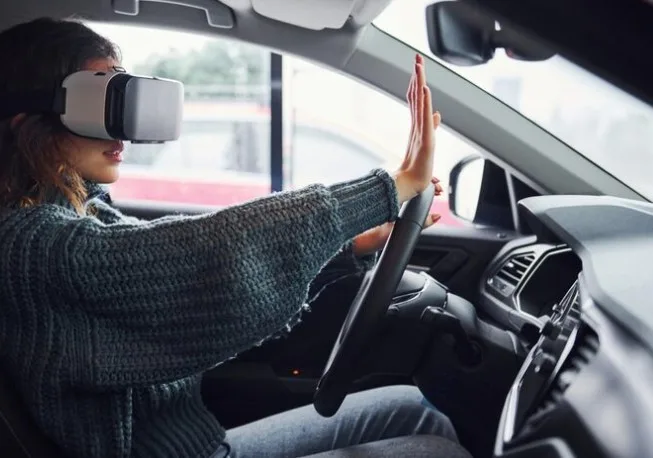
Amaxophobia — the specific phobia of driving or of being a passenger in a vehicle — is one of the most functionally disabling anxiety disorders in contemporary life, given that the capacity to drive or travel by car is, in many social and professional contexts, effectively non-negotiable. Its treatment has historically posed a particular challenge: the gold standard intervention for specific phobias is graduated in vivo exposure — direct, real-world contact with the feared stimulus — but in vivo exposure to driving scenarios is logistically complex, economically costly, potentially dangerous, and difficult to control and standardize in ways that allow a clinician to manage the progression and intensity of exposure with therapeutic precision. Virtual reality exposure therapy (VRET) addresses precisely these limitations, offering a controlled, safe, immersive, and fully customizable simulation environment in which people with driving phobia can be systematically exposed to the scenarios they fear, with the therapist in full command of every parameter — weather conditions, traffic density, road type, time of day, and the patient’s position in the vehicle — and with zero risk to the patient or to others. The evidence accumulated over more than two decades of clinical research consistently supports VRET as a promising, effective, and increasingly well-validated intervention for amaxophobia, both as a standalone treatment and as a preparatory step toward in vivo driving. This article provides a comprehensive account of how virtual reality is applied to the treatment of amaxophobia: what the technology involves, why it works, what the clinical evidence demonstrates, and what professionals and patients can expect from a VRET-based treatment program.
The application of virtual reality to the treatment of psychological disorders did not begin with amaxophobia. Virtual reality exposure therapy was first systematically developed and tested in the early 1990s, with Barbara Rothbaum and Larry Hodges at Georgia Tech producing the first published controlled study of VRET for acrophobia (fear of heights) in 1995 — a study that demonstrated, for the first time in a controlled design, that exposure conducted in a virtual environment could produce clinically significant reductions in phobic fear. Subsequent research extended the VRET framework to a wide range of specific phobias and anxiety disorders, including fear of flying, fear of spiders, social anxiety disorder, post-traumatic stress disorder, and panic disorder with agoraphobia. Amaxophobia represented a particularly compelling application domain because the practical barriers to in vivo exposure — the need for a vehicle, a safe driving environment, a qualified accompanying professional, and a systematic means of gradually escalating exposure difficulty — mapped almost perfectly onto the advantages that virtual reality uniquely provides. The first published studies on VRET for driving phobia appeared in the late 1990s and early 2000s, and the research base has expanded steadily since, incorporating increasingly sophisticated virtual environments, more rigorous study designs, and a growing range of clinical tools built specifically for amaxophobia treatment.
Understanding how and why VRET works for amaxophobia requires understanding both the disorder itself and the mechanisms through which exposure therapy — in any modality — produces therapeutic change. Amaxophobia is maintained by avoidance: the person’s systematic avoidance of driving or vehicular travel prevents the natural habituation of anxiety that sustained exposure would otherwise produce, reinforces the belief that driving is genuinely dangerous or unmanageable, and progressively narrows the person’s behavioral repertoire and daily functioning. VRET breaks this maintenance cycle by creating the conditions for controlled, graduated, therapeutically managed exposure without the logistical and safety constraints that make in vivo exposure so difficult to implement for this particular fear. The virtual environment is sufficiently realistic to evoke genuine anxiety responses — the sense of presence in the virtual car, the visual and auditory simulation of traffic, road conditions, and driving dynamics — while remaining entirely safe, entirely controllable, and entirely repeatable. The patient can practice the same scenario multiple times, confront the same feared moment at exactly the same level of difficulty, or have that difficulty modulated in real time by the therapist in response to their physiological and psychological state. None of this is possible in a real car on a real road.

Amaxophobia: Scope and Clinical Profile
Before examining the application of virtual reality specifically, it is useful to establish what amaxophobia involves, who it affects, and why it warrants serious clinical attention. Amaxophobia — from the Greek amaxa (carriage or vehicle) and phobos (fear) — is classified within DSM-5 as a specific phobia, situational type. Its manifestations range from significant anxiety about driving that is managed through partial avoidance to complete inability to drive or travel in any vehicle without experiencing incapacitating panic. The fear may be focused on the role of driver, the role of passenger, or both; it may be triggered by specific scenarios (highways, tunnels, bridges, night driving, heavy traffic) or by virtually any vehicular context.
How many of these have you been "meaning to read" for months?
- 1
 Beacon PressMan's Search for MeaningGreat product!Listen Free On Audible
 - 2
 Harriman HouseThe Psychology of MoneyTimeless lessons on wealth, greed, and happinessListen Free On Audible
 - 3
 TyndaleThe Life-Changing Art of Self-Brain SurgeryConnecting Neuroscience and Faith to Radically Transform Your LifeListen Free On Audible
Prevalence estimates vary across studies and populations, but surveys in several countries have suggested that fear of driving affects between 15 and 30 percent of license holders to a clinically meaningful degree, with full diagnostic criteria for specific phobia met in a substantial subset of this population. Women appear to be disproportionately represented among those seeking treatment for driving phobia, consistent with the broader pattern of gender distribution in specific phobias, though the extent to which this reflects differential prevalence versus differential help-seeking is debated. The disorder has a heterogeneous etiology: some cases develop following a road traffic accident or a witnessed accident (in which case post-traumatic stress features are frequently co-present); others develop more gradually through accumulated anxiety about driving in increasingly challenging conditions; and some appear to arise without a clear precipitating event, emerging from the generalization of anxiety about loss of control, harm to self or others, or social evaluation while driving.
The functional consequences of amaxophobia are, in contemporary life, substantial. Driving is, in most Western countries, less a luxury than a practical requirement for employment, education, healthcare access, family functioning, and social participation. The person who cannot drive, or who can only drive within a severely restricted and shrinking range of conditions, faces limitations that cascade through every dimension of daily functioning. The disorder is associated with significant secondary depression, occupational impairment, relationship difficulties, and loss of autonomy — consequences that, in many cases, are at least as clinically significant as the anxiety itself.
Why In Vivo Exposure Is Difficult and VRET Fills the Gap
Exposure therapy — the therapeutic approach with the strongest evidence base for specific phobias — works through two complementary mechanisms: habituation, in which sustained contact with the feared stimulus produces a natural decline in anxiety as the autonomic nervous system learns that the feared outcome does not materialize; and inhibitory learning, a more contemporary formulation in which new, non-threatening associations with the feared stimulus are formed and consolidated through the experience of tolerating anxiety without avoidance. For both mechanisms to operate, the exposure must be sufficiently prolonged, sufficiently graduated, and sufficiently controllable to allow the therapeutic process to unfold systematically rather than chaotically.
For most specific phobias, in vivo exposure is achievable with relatively modest logistical demands. Fear of spiders can be treated with spiders available in a therapeutic setting. Fear of heights can be addressed on a staircase or elevator. Fear of enclosed spaces can be treated in a closet. Fear of driving presents logistical challenges that most other specific phobias do not, and these challenges are not trivial. A graduated exposure program for driving phobia in vivo requires access to a vehicle; a qualified professional who can accompany the patient in the car; a range of driving environments of varying complexity (quiet residential streets, urban traffic, rural highways, motorways, tunnels, roundabouts); the ability to repeat specific scenarios at specific levels of difficulty; and the capacity to stop and de-escalate immediately if the patient’s distress becomes unmanageable — all without placing the patient, the accompanying professional, or other road users at risk. The coordination of these requirements is costly, time-consuming, and in many clinical settings simply not feasible.
Virtual reality eliminates each of these constraints simultaneously. The therapy takes place in the clinician’s office. No vehicle is required. The driving environment is entirely simulated and entirely controllable. Every parameter of the exposure — traffic density, weather conditions, road type, presence of obstacles or near-miss events, time of day, patient position (driver or passenger) — can be adjusted in real time by the therapist in response to the patient’s physiological and psychological state. The same scenario can be repeated indefinitely without fatigue or resource cost. And the entire session can be stopped at any moment without any safety consequence whatsoever. The VR environment provides a “presence” — a subjective sense of actually being in the driving situation — sufficient to evoke genuine anxiety responses while remaining entirely removed from genuine risk.

How VRET for Amaxophobia Works in Practice
A VRET program for amaxophobia follows the same general therapeutic logic as any graduated exposure intervention, but with the additional tools that virtual reality provides for precision, customization, and control. The following describes the typical structure of a VRET-based treatment program for driving phobia as implemented in current clinical practice.
Assessment and fear hierarchy construction. The process begins with a thorough clinical assessment of the nature, severity, and specific triggers of the patient’s driving phobia. Not all patients fear the same scenarios: for some, the primary trigger is highway driving; for others, it is driving in tunnels, crossing bridges, driving in heavy rain, navigating roundabouts, or managing junctions with fast-moving traffic. A detailed fear hierarchy is constructed, ordering the patient’s feared scenarios from least to most anxiety-provoking, which then serves as the roadmap for the graduated exposure program.
Psychoeducation and treatment rationale. Before VR exposure begins, the patient receives psychoeducation about the nature of anxiety and the mechanisms through which avoidance maintains phobia. The treatment rationale — that exposure to feared situations, while temporarily increasing anxiety, ultimately produces habituation and the learning of new, non-threatening associations — is explained and established as a shared framework. The role of the virtual environment is presented accurately: it will feel real enough to trigger anxiety, and that anxiety is the necessary precondition for the therapeutic work. The patient’s willingness to tolerate temporary discomfort in the service of recovery is established as the central therapeutic commitment.
Graduated virtual exposure sessions. The patient is fitted with a VR headset and placed in the simulated driving environment. Beginning with scenarios at the lower end of their fear hierarchy, they are exposed to increasingly challenging driving situations across a series of sessions — typically between six and twelve weekly sessions, depending on the program and the patient’s individual response rate. The therapist monitors the patient’s anxiety in real time, often through a combination of self-report and physiological monitoring (heart rate, skin conductance), and modulates the intensity of the virtual environment accordingly. Within each session, the patient remains in the scenario until their anxiety reduces — the habituation process — before progressing to the next scenario or ending the session.
Coping skills integration. VRET sessions are typically integrated with the teaching and practice of cognitive and behavioral coping strategies — controlled breathing, muscle relaxation, cognitive restructuring of driving-related threat appraisals, and attentional refocusing techniques. The virtual environment provides a uniquely valuable platform for this integration because the patient can practice coping skills within the anxiety-provoking context itself, rather than learning them in a neutral setting and attempting to transfer them to the feared situation. The immediacy of the virtual exposure context makes skill practice more ecologically valid and, by extension, more likely to generalize to real driving.
Transition to in vivo driving. The ultimate goal of VRET for amaxophobia is not virtual driving — it is real driving. As the patient’s anxiety in the virtual environment diminishes, sessions are progressively oriented toward the transfer of gains to the real-world driving context. In many programs, the final phase of treatment involves accompanying in vivo driving practice, building on the habituation and skill consolidation achieved in the virtual environment. Research consistently suggests that VRET facilitates this transition, reducing the initial anxiety barrier to in vivo exposure sufficiently for patients who could not previously contemplate real driving to begin approaching it.

The Evidence Base: What Research Demonstrates
The clinical research on VRET for driving phobia spans more than two decades and encompasses case studies, single-subject designs, open trials, and more recently pilot randomized controlled trials. The evidence base, while still developing relative to some more extensively studied applications of VRET, is consistently supportive of the intervention’s efficacy.
Among the most methodologically rigorous studies is a pilot trial published in PLOS ONE in 2020, which examined the effects of VRET with driving simulation on patients with a clinical diagnosis of driving phobia. The results were striking in their consistency: all patients mastered driving tasks they had avoided before treatment; 71 percent showed adequate driving behavior as assessed by an independent driving instructor in a post-treatment behavioral avoidance test conducted in real traffic; and 93 percent maintained their treatment success at a twelve-week follow-up. Critically, this was the first study to evaluate VRET effects on actual driving behavior in real traffic — not simply on self-reported anxiety or virtual driving performance — providing the most ecologically valid evidence yet available for the real-world impact of the intervention.
A systematic review published in Disability and Rehabilitation in 2023 synthesized the available evidence on VR-based psychological interventions for driving phobia, concluding that the evidence suggested VR-based treatments were feasible, acceptable, and clinically promising for this population, with improvements observed across multiple outcome domains including anxiety, avoidance behavior, and post-traumatic stress symptoms in cases where PTSD features were co-present. The review noted, consistently with earlier analyses, that further randomized controlled trials with appropriate control conditions and larger sample sizes are needed to confirm the magnitude of VRET’s specific contribution relative to general therapeutic factors.
Research from the Federal University of Rio de Janeiro examined the reactions of women with driving phobia to a scheduled program of eight VRET sessions, finding that all patients showed some degree of improvement, that six of the eight participants were able to progress to in vivo exposure following VRET, and that VRET was not associated with any adverse events. This finding — that VRET could function as a facilitative first step enabling subsequent in vivo exposure in patients who were initially unable to approach real driving — is one of the most clinically important propositions in the amaxophobia VRET literature. It repositions VRET not merely as an alternative to in vivo exposure but as a preparatory scaffold that makes in vivo exposure accessible for patients whose phobia severity would otherwise preclude it.
| Study | Design | Key Finding |
|---|---|---|
| Wald & Taylor (2000, 2003) | Case series (5 patients, 8 VRET sessions) | Driving phobia and avoidance declined in 3 of 5 subjects; VRET positioned as promising adjunct to in vivo exposure |
| Walshe et al. (2003) | Open trial (7 patients, 12 VRET sessions, post-accident) | Significant reductions in distress, driving anxiety, travel avoidance, PTSD symptoms, and heart rate during exposure |
| Riva et al. / UFRJ study | Open trial (8 female patients, 8 VRET sessions) | All showed improvement; 6 of 8 progressed to in vivo exposure; no adverse events recorded |
| Elphinston et al. (2020, PLOS ONE) | Pilot trial (14 patients, VRET + BAT in real traffic) | 100% mastered previously avoided tasks; 71% adequate driving behavior; 93% maintained gains at 12 weeks |
| Systematic review (2023, Disability and Rehabilitation) | Systematic review of VR-based interventions for driving phobia | Evidence supports feasibility, acceptability, and clinical promise; RCTs needed to confirm specific efficacy |
Key Advantages of VRET Over Traditional Approaches
The advantages of virtual reality exposure therapy relative to conventional treatment approaches for amaxophobia are numerous, and they operate at multiple levels — clinical, logistical, economic, and patient-experiential.
- Safety: exposure to feared driving scenarios carries zero risk to the patient, the therapist, or third parties — a fundamental advantage over in vivo exposure that cannot be overstated for a phobia that involves a potentially dangerous real-world activity
- Controllability: every parameter of the exposure environment — traffic density, weather, road type, time of day, speed, the occurrence of critical events such as near-misses or sudden pedestrian appearances — is under the therapist’s direct control and can be modulated in real time in response to the patient’s state
- Graduability: the fear hierarchy can be implemented with a precision of gradation that in vivo conditions do not permit; the therapist can present scenarios of exactly the required difficulty and hold them there for as long as the therapeutic process requires
- Repeatability: the same scenario can be repeated as many times as necessary within and across sessions, without fatigue, cost escalation, or logistical complexity
- Accessibility: therapy takes place in the clinician’s office, requiring no vehicle, no driving accompanist, no specific geographic location, and no coordination of complex real-world resources
- Confidentiality: the absence of a real public driving environment eliminates the risk of public embarrassment that some patients associate with in vivo exposure, reducing a barrier to treatment engagement that is clinically significant for this population
- Measurability: many VR platforms for amaxophobia treatment incorporate physiological monitoring — heart rate, galvanic skin response — that provides objective, real-time data on the patient’s anxiety state, enabling more precise and responsive therapeutic management than self-report alone
- Ecological validity of skill practice: coping strategies are practiced within the fear-activating context itself rather than in a neutral clinical setting, substantially improving the likelihood that skills will transfer to real driving situations

Technological Components of VRET for Amaxophobia
Contemporary VRET platforms designed for amaxophobia treatment are sophisticated clinical tools that integrate multiple hardware and software components to produce a therapeutically effective virtual driving experience. The core components typically include a high-resolution VR headset providing an immersive, stereoscopic visual field; spatial audio simulation of traffic sounds, weather, engine noise, and environmental cues; and, in more advanced implementations, haptic feedback elements that simulate the vibration and physical sensations of driving. The virtual scenarios are rendered in real-time 3D graphics engines capable of producing photorealistic road environments, weather effects, other vehicles, and pedestrians.
Clinical platforms such as C2Drive (developed by C2Care), PsyTechVR, and several other purpose-built applications offer therapists an interface through which they can select, modify, and control virtual scenarios in real time during the session. The range of scenarios available in these platforms is extensive: urban driving in light and heavy traffic; highway driving at various speeds; tunnel navigation; bridge crossing; night driving; driving in rain, fog, or snow; roundabout negotiation; parking in confined spaces; emergency vehicle encounters; and sudden road hazard events. The therapist’s control interface allows them to switch between scenarios, adjust traffic density, change weather conditions, and trigger specific events — a near-miss from another vehicle, a sudden pedestrian crossing — with a precision and flexibility that no real-world environment could provide.
Some platforms also integrate physiological monitoring through wearable sensors, providing real-time biometric data that the therapist can use to calibrate the intensity of exposure and to document objective anxiety responses across sessions. This physiological data dimension is clinically valuable not only for session management but for outcome assessment — a patient who begins treatment with a heart rate of 130 bpm during a highway simulation and completes treatment with a resting-range heart rate during the same scenario has a quantifiable, objective measure of therapeutic change to complement their subjective anxiety ratings.
VRET and Post-Traumatic Driving Phobia
A clinically important subgroup within the amaxophobia population consists of people whose driving phobia developed following a road traffic accident — a presentation in which specific phobia features frequently co-occur with post-traumatic stress disorder symptomatology, including intrusive memories, hyperarousal, avoidance of accident-related cues, and emotional numbing. This comorbidity has important implications for both assessment and treatment, because a purely phobia-focused intervention may be insufficient for a presentation in which PTSD features are prominent and may require integrated trauma-focused treatment components alongside the exposure framework.
Several of the research studies on VRET for driving phobia specifically recruited post-accident populations, with results that are notably encouraging. Walshe and colleagues reported significant reductions not only in driving anxiety and avoidance but in post-traumatic stress symptoms and depression following a twelve-session VRET program with seven post-accident patients. The 2020 PLOS ONE pilot trial similarly reported significant reductions in avoidance behavior and PTSD symptoms as measured by standardized questionnaires. These findings suggest that VRET — by providing a controlled, manageable, and safe re-engagement with driving scenarios — may address both the phobic avoidance and some of the trauma-related features of post-accident driving phobia simultaneously, a dual benefit that in vivo approaches cannot achieve with comparable safety and controllability.

Limitations and Open Questions in the Research
The clinical and research community working on VRET for amaxophobia is appropriately candid about the limitations of the current evidence base and the open questions that future research must address. The most significant methodological limitation is the relative scarcity of randomized controlled trials with appropriate control conditions — particularly active control conditions comparing VRET to in vivo exposure, in-sensu imaginal exposure, or another active treatment, rather than simply to a waiting list. Without these comparisons, it is difficult to quantify the specific contribution of the VR modality relative to the general therapeutic factors shared by any structured exposure-based intervention.
Early research also suggested that VRET alone may not be sufficient for all patients with driving phobia, with some individuals showing limited or no response to virtual exposure alone. This finding has led to the increasingly prevalent conceptualization of VRET as a facilitator of in vivo exposure rather than a complete standalone treatment — a positioning that is both clinically pragmatic and empirically supported, but that underscores the importance of integrating virtual and real-world components in a comprehensive treatment program. The optimal sequencing, dosage, and combination of VRET with in vivo and cognitive components remains to be established through systematic research.
Other open questions include the role of individual differences in response to VR environments — particularly the phenomenon of cybersickness (motion sickness induced by the visual-vestibular conflict of VR headset use), which affects a minority of users and may limit the applicability of VRET for that subgroup; the durability of VRET gains over longer follow-up periods than most current studies have assessed; and the effectiveness of VRET delivered through less expensive, consumer-grade VR equipment as opposed to the clinical-grade platforms used in most research to date.
Clinical Recommendations for Professionals
For mental health professionals considering the integration of VRET into their treatment of amaxophobia, several practical recommendations follow from the current evidence and clinical experience.
- Use VRET within a cognitive-behavioral framework: VRET is most effective when implemented as the exposure component of a comprehensive CBT program, integrated with psychoeducation, cognitive restructuring of driving-related threat appraisals, and behavioral coping skill training — not as a technology-based standalone intervention
- Conduct thorough assessment before selecting VRET: establish the specific feared scenarios, the presence and severity of PTSD features, the patient’s history with previous treatment attempts, and any relevant medical or neurological factors that might affect response to VR environments
- Establish the treatment rationale collaboratively: the patient’s understanding of and commitment to the exposure logic — that temporary anxiety is the necessary vehicle of therapeutic change, not something to be eliminated before treatment begins — is a stronger predictor of outcome than the specific technology used
- Screen for cybersickness susceptibility: a brief trial session before committing to a VRET-based program allows identification of patients for whom VR headset use produces significant nausea or disorientation, enabling early adjustment of the treatment plan
- Plan explicitly for the transition to in vivo driving: from the outset of treatment, frame the virtual work as a preparatory scaffold for real driving, and build the transition to in vivo practice into the treatment plan from the beginning rather than treating it as a separate phase that may or may not be reached
- Document physiological outcomes where possible: the availability of objective anxiety measures alongside subjective self-report strengthens the assessment of treatment progress and provides data that can guide real-time therapeutic decisions during VR sessions
FAQs About Virtual Reality Applied to Amaxophobia
What is amaxophobia and how common is it?
Amaxophobia is a specific phobia — the clinically significant fear of driving or of being a passenger in a vehicle — classified within DSM-5 as a specific phobia of the situational type. It ranges in severity from significant driving anxiety managed through partial avoidance to complete inability to drive or be a passenger without incapacitating panic. Prevalence estimates suggest that between 15 and 30 percent of license holders experience driving fear at a clinically meaningful level, with a substantial subset meeting full diagnostic criteria for specific phobia. The disorder disproportionately affects women and has a significant functional impact given the central role of driving in daily life across most contemporary societies.
What is Virtual Reality Exposure Therapy (VRET) and how is it applied to amaxophobia?
Virtual Reality Exposure Therapy (VRET) is a form of exposure therapy in which the feared stimulus is presented through an immersive, computer-generated virtual environment rather than in a real-world setting. For amaxophobia, VRET involves exposing the patient to realistic simulations of driving scenarios — urban traffic, highway driving, tunnels, bridges, adverse weather conditions — through a VR headset, with the therapist controlling every parameter of the virtual environment in real time. The patient experiences genuine anxiety responses within the safe, controlled virtual context, and the habituation and inhibitory learning processes that underlie exposure therapy take place as they would with real exposure, without any of the logistical complexity or safety risks that in vivo driving exposure entails.
Is VRET for driving phobia supported by scientific evidence?
Yes — the evidence base for VRET in amaxophobia is consistently positive, though it continues to grow in methodological rigor. Multiple studies, including case series, open trials, and a pilot randomized trial published in PLOS ONE in 2020, have reported significant reductions in driving fear, avoidance behavior, and phobia-related functional impairment following VRET programs. The 2020 pilot trial found that 100 percent of patients mastered previously avoided real driving tasks after treatment, 71 percent showed adequate real driving behavior as assessed by an independent instructor, and 93 percent maintained these gains at three-month follow-up. A 2023 systematic review concluded that VR-based interventions are feasible, acceptable, and clinically promising for driving phobia, while noting that further randomized controlled trials with active comparison conditions are needed.
What scenarios are simulated in VR for the treatment of amaxophobia?
Contemporary VR platforms designed for amaxophobia treatment provide access to a wide range of driving scenarios calibrated to different levels of anxiety provocation. These typically include driving on quiet residential streets, urban driving in light and heavy traffic, highway and motorway driving, tunnel navigation, bridge crossing, driving at night, driving in rain, fog, and snow, roundabout negotiation, parking in confined spaces, encounters with emergency vehicles, and sudden road hazard events such as near-misses or unexpected pedestrian crossings. The therapist controls which scenarios are presented, in what sequence, and at what intensity, tailoring the exposure program to the specific fear hierarchy established in the patient’s clinical assessment.
Can VRET completely replace in vivo driving exposure?
For most patients, VRET is most accurately conceptualized as a facilitator of in vivo exposure rather than a complete replacement for it. The ultimate goal of amaxophobia treatment is real driving — and while VRET produces clinically significant reductions in driving fear and avoidance, the transition to actual in vivo driving practice is an important component of consolidating and extending treatment gains. VRET’s most distinctive clinical value may lie precisely in its capacity to make in vivo exposure accessible for patients whose phobia severity would otherwise preclude initial engagement with real driving — functioning as a preparatory scaffold that reduces the initial anxiety barrier sufficiently for real driving practice to begin. Some early research suggested that a minority of patients may not respond fully to VRET alone, underscoring the importance of planning for the transition to in vivo work from the outset of treatment.
What about patients whose driving phobia developed after a road accident?
Post-accident driving phobia is a clinically important presentation in which specific phobia features frequently co-occur with post-traumatic stress disorder symptomatology — intrusive memories, hyperarousal, avoidance, and emotional numbing. Several VRET studies have specifically recruited post-accident populations and reported encouraging results, including reductions not only in driving anxiety and avoidance but in PTSD symptoms, depression, and heart rate during exposure. VRET may be particularly well-suited to this population because the controlled, safe, graduated nature of virtual exposure allows re-engagement with driving-related cues in conditions that never approach the severity of the original traumatic event. However, for patients with prominent PTSD features, treatment planning should consider whether integrated trauma-focused components are indicated alongside the exposure framework.
Are there any risks or side effects associated with VRET for amaxophobia?
VRET for amaxophobia has not been associated with any type of serious adverse event in the published clinical literature. The most commonly reported side effect is cybersickness — a motion sickness-like phenomenon arising from the visual-vestibular conflict of VR headset use — which affects a minority of users and typically involves nausea, disorientation, and headache. In most cases, cybersickness can be managed by adjusting the VR settings, taking breaks, or using headsets with higher refresh rates. For patients who experience significant cybersickness that does not respond to these adjustments, alternative modalities may be preferable. The temporary anxiety evoked during VR exposure sessions is expected and therapeutically intended, not an adverse effect — it is the necessary mechanism through which habituation and therapeutic learning occur.
How many VRET sessions are typically needed to treat driving phobia?
The number of sessions varies depending on the severity of the phobia, the specific scenarios involved in the patient’s fear hierarchy, and the rate of habituation observed during treatment. Most VRET programs in the clinical research literature have involved between six and twelve weekly sessions, each typically lasting between 45 and 90 minutes. Some programs have reported meaningful clinical improvement within as few as six to eight sessions, while others have used longer protocols for more severe or complex presentations. The optimal number of sessions for amaxophobia treatment with VRET has not yet been definitively established through systematic comparison research, and clinical judgment guided by ongoing assessment of the patient’s response remains the appropriate basis for treatment duration decisions.
Use this citation format to reference the article clearly and help readers find the original source.
PsychologyFor. (2026). Virtual Reality Applied to Amaxophobia. PsychologyFor. https://psychologyfor.com/virtual-reality-applied-to-amaxophobia/