


See more of our articles in your search results.
Personal competencies are the combination of skills, behaviors, attitudes, and knowledge that shape how a person thinks, interacts, and performs in everyday life and professional environments. If you’ve ever wondered why some people seem to navigate challenges with grace, build strong relationships effortlessly, or bounce back from failure faster than others, the answer often lies in their personal competencies. These are not mysterious traits you’re either born with or without — they are learnable, developable, and deeply connected to your mental and emotional well-being. In this article, we’ll break down exactly what personal competencies are, why they matter more than many people realize, explore rich and concrete examples, and give you a practical roadmap for developing the ones that matter most in your own life.
Whether you’re preparing for a job interview, trying to understand yourself better, navigating a career transition, or simply growing as a human being, understanding personal competencies is a genuinely powerful place to start. They sit at the intersection of psychology, professional development, and everyday lived experience. And the good news? No matter where you’re starting from, developing your personal competencies is always within reach.
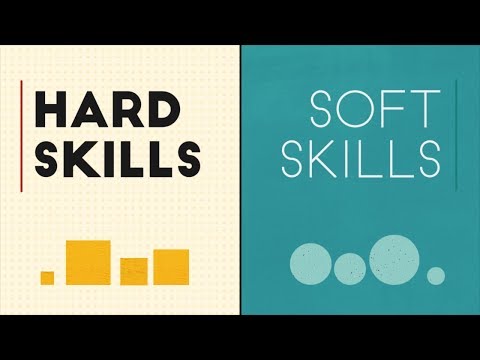
The Difference Between Personal Competencies and Hard Skills
Before diving deeper, it’s worth drawing a clear line between personal competencies and what most people call “hard skills.” Hard skills are teachable, technical abilities — things like coding, accounting, operating machinery, or speaking a second language. They’re measurable and often certified. Personal competencies, on the other hand, are behavioral and psychological in nature. They describe how you approach your work and your relationships, not merely what you can technically do.
Think of it this way: two surgeons may have identical technical training, but the one who communicates compassionately with patients, manages stress under pressure, and collaborates fluidly with a medical team will likely have better outcomes — not because of superior surgical technique alone, but because of their personal competencies.
How many of these have you been "meaning to read" for months?
- 1
 Beacon PressMan's Search for MeaningGreat product!Listen Free On Audible
 - 2
 Harriman HouseThe Psychology of MoneyTimeless lessons on wealth, greed, and happinessListen Free On Audible
 - 3
 TyndaleThe Life-Changing Art of Self-Brain SurgeryConnecting Neuroscience and Faith to Radically Transform Your LifeListen Free On Audible
These competencies are sometimes called soft skills, though that term arguably undersells them. There’s nothing “soft” about the ability to lead a team through a crisis, regulate your emotions in a difficult conversation, or persist through repeated setbacks. They are, in many ways, the hardest skills of all.
| Hard Skills | Personal Competencies |
|---|---|
| Technical and teachable | Behavioral and psychological |
| Measurable by tests or certifications | Observed through behavior and patterns |
| Role-specific (e.g., coding, accounting) | Transferable across all areas of life |
| Often static once learned | Continuously developed over time |
| Examples: data analysis, surgery, welding | Examples: empathy, resilience, self-awareness |
Why Personal Competencies Matter for Mental Health and Well-Being
Here’s something that doesn’t get said enough: personal competencies are deeply intertwined with mental health. Psychological research has consistently shown that people with stronger emotional regulation, self-awareness, and interpersonal skills tend to experience higher life satisfaction, lower rates of burnout, and more resilience in the face of adversity. This isn’t coincidental — it’s causal.
When we lack competencies like emotional self-regulation or stress tolerance, everyday life becomes significantly harder. Small frustrations feel overwhelming. Relationships become battlegrounds. Work feels like a treadmill you can’t step off. On the flip side, individuals who have cultivated these skills report greater feelings of agency — the sense that they have real influence over their own lives.
It’s also worth noting that struggling with personal competencies is a completely normal part of being human. No one emerges from childhood with perfectly developed emotional intelligence or flawless conflict resolution skills. Many of our competency gaps stem from the environments we grew up in, the experiences we’ve had, or simply areas where we haven’t yet had reason to grow. Recognizing this is not a source of shame — it’s a doorway to meaningful development.
Seeking support — whether through therapy, coaching, or honest self-reflection — to develop these skills is not weakness. It is, in every sense of the word, a courageous act of self-investment.
Core Categories of Personal Competencies
Personal competencies can be organized into several broad categories. These aren’t rigid boxes — many competencies overlap and reinforce each other — but thinking in categories makes it easier to identify where your strengths lie and where you might want to grow.
Self-management competencies govern how you manage yourself internally: your time, emotions, impulses, and energy. Interpersonal competencies relate to how you engage with others — how you communicate, empathize, collaborate, and resolve conflict. Cognitive competencies include things like critical thinking, problem-solving, and decision-making. And motivational competencies involve your drive, persistence, initiative, and ability to set and pursue meaningful goals.
Some frameworks also include a category of leadership competencies, which blend elements of all the above and add dimensions like inspiring others, managing ambiguity, and driving change. However, it’s important to note that leadership competencies are not reserved for people with job titles like “manager” or “CEO.” Leadership, in the deepest sense, begins with how you lead yourself.

Detailed Examples of Personal Competencies
Let’s get specific. The following are some of the most widely recognized personal competencies, with real-world context to illustrate what each one actually looks like in practice.
Self-awareness is the foundation beneath almost every other competency. It’s the ability to accurately perceive your own emotions, strengths, limitations, values, and impact on others. A self-aware person, when they snap at a colleague, doesn’t simply blame the colleague — they pause and ask themselves what was happening internally that contributed to that moment. Self-awareness is what makes growth possible, because you can’t change what you can’t see.
Emotional regulation is the capacity to manage your emotional responses in constructive ways — not to suppress feelings, but to process and express them appropriately. Someone with strong emotional regulation can receive critical feedback without shutting down or lashing out. They feel the frustration, but they don’t become the frustration.
Resilience is one of the most talked-about personal competencies, and for good reason. It refers to the ability to adapt and recover in the face of stress, adversity, or failure. Resilience is not toughness — it’s not about never being knocked down. It’s about getting up, integrating the experience, and continuing forward. Research in positive psychology has shown that resilience can be cultivated intentionally, and that it is deeply connected to how we explain events to ourselves.
Empathy is the ability to understand and share the feelings of another person. There’s cognitive empathy (understanding how someone thinks or feels) and affective empathy (actually feeling what they feel). Both are valuable. In practice, empathy looks like listening without immediately jumping to solutions, validating someone’s experience before offering advice, or simply being present with someone in pain.
Communication skills go far beyond speaking clearly. Effective communicators know how to listen actively, ask clarifying questions, adjust their message to their audience, and give feedback that lands without stinging. In the digital age, written communication has become equally critical — how you write an email or frame a message in a group chat reflects your communication competency just as much as how you speak in a meeting.
Adaptability is the willingness and ability to adjust to new conditions. In a world that changes faster than ever before, adaptability has become one of the most prized competencies in both personal and professional contexts. It involves tolerating uncertainty, releasing the need to control every outcome, and approaching novelty with curiosity rather than anxiety.
Critical thinking is the ability to analyze information objectively, evaluate evidence, and reach well-reasoned conclusions. It involves questioning assumptions — including your own — and resisting the pull of cognitive biases. A strong critical thinker doesn’t simply accept the first explanation that feels comfortable; they probe, compare, and test before concluding.
Time management is about more than schedules and to-do lists. At a deeper level, it reflects self-knowledge — knowing how long tasks actually take you, understanding your energy rhythms, and making deliberate decisions about how to allocate a finite resource. People with poor time management often aren’t lazy; they frequently struggle with prioritization, boundary-setting, or perfectionism.
Conflict resolution is the capacity to navigate disagreements constructively. This doesn’t mean avoiding conflict — avoidance is not resolution. It means engaging in difficult conversations with a genuine intention to understand the other party, find common ground, and reach outcomes that serve everyone involved. People with strong conflict resolution skills tend to use “I” statements, stay focused on issues rather than personalities, and remain open to changing their minds.
Initiative and proactivity describe a person who doesn’t wait for instructions or permission to make improvements. They identify opportunities and challenges ahead of time, take ownership of problems, and act before being asked. Proactive individuals tend to feel a greater sense of agency in their lives, which is closely linked to psychological well-being.
Integrity is alignment between values and behavior — doing what you say you’ll do, being honest even when it’s uncomfortable, and making ethical choices consistently. It’s perhaps the most invisible of competencies when present, but unmistakable in its absence.

Personal Competencies in the Workplace
Organizations around the world — from small nonprofits to multinational corporations — have increasingly recognized that technical ability alone does not predict success. Hiring for personal competencies has become a cornerstone of modern recruitment, and for good reason. Studies in organizational psychology consistently show that employees with strong interpersonal and self-management competencies outperform their peers, stay longer in their roles, and contribute to healthier team cultures.
During job interviews, behavioral questions — the kind that begin with “Tell me about a time when…” — are specifically designed to surface personal competencies. When a recruiter asks how you handled a conflict with a coworker, they’re not just curious about that specific situation. They’re trying to understand your conflict resolution style, emotional intelligence, and capacity for self-reflection. Preparing for these questions by genuinely reflecting on your experiences (rather than fabricating polished narratives) is both more authentic and, interestingly, more effective.
In leadership roles, personal competencies become even more critical. A manager who lacks empathy can damage an entire team’s morale. A leader who struggles with adaptability can steer an organization off a cliff during times of change. The most effective leaders tend to lead with both competence and character — and the character piece is almost entirely made up of personal competencies.
Personal Competencies in Relationships and Daily Life
While much of the conversation around personal competencies happens in professional contexts, their value in personal life is equally profound — perhaps more so. Your ability to be present with a friend who is struggling, to hold a difficult conversation with a partner without it escalating, to recognize when you’re operating from fear versus genuine values — these are all expressions of personal competency, and they quietly determine the quality of your daily life.
Attachment research in psychology has long suggested that our early relational experiences shape our interpersonal competencies. If we grew up in environments where emotions were dismissed or conflicts became explosive, we may have internalized ways of relating that no longer serve us. The empowering truth, however, is that these patterns can be rewired. The brain’s neuroplasticity means that with consistent effort — and sometimes professional support — we can develop new relational skills at any age.
Parents and caregivers, in particular, have a unique opportunity to model personal competencies for children. A parent who demonstrates emotional regulation under stress, who repairs after conflict, who acknowledges their own mistakes — these behaviors are some of the most powerful lessons a child can receive.

How to Identify Your Personal Competency Strengths and Gaps
Self-assessment is a meaningful starting point. You might begin by asking yourself which areas of your life feel most effortful — relationships, work performance, emotional management, decision-making — and working backward to identify which competencies might be underdeveloped in those areas.
Some useful questions to sit with:
- When was the last time I received feedback — formal or informal — that surprised me? What did it reveal?
- In which situations do I consistently feel out of my depth or reactive rather than responsive?
- Which relationships in my life feel draining, and what patterns do I bring to them?
- What behaviors do I most admire in others that I feel I lack?
Beyond self-reflection, 360-degree feedback — asking people who know you well (colleagues, friends, family members) to share honest observations — can be illuminating. It takes courage to invite this kind of feedback, but it often reveals blind spots that self-assessment alone cannot surface.
Psychometric assessments and tools, such as the Myers-Briggs Type Indicator, the Big Five personality framework, or emotional intelligence assessments like the EQ-i, can also provide useful data — though they’re best treated as conversation starters rather than definitive verdicts.

Practical Strategies to Develop Personal Competencies
Knowing which competencies you want to develop is one thing. Knowing how to actually develop them is where the rubber meets the road. Development is rarely linear — expect two steps forward, one step back — but with intention and consistency, meaningful growth is entirely possible.
Practice deliberate reflection. Keep a journal, even briefly. The act of writing about your experiences — especially emotionally charged ones — builds self-awareness over time. What happened? How did you respond? What drove that response? What would you do differently? These questions, asked regularly, create compounding insight.
Seek out discomfort intentionally. Personal competencies develop at the edges of your comfort zone. If conflict avoidance is your pattern, practice speaking up in low-stakes situations. If adaptability is something you want to strengthen, deliberately expose yourself to new environments, routines, and perspectives. Growth doesn’t happen in familiar territory.
Work with a therapist or coach. This is not a step reserved for crisis moments. Many people find therapy or professional coaching transformative precisely because it provides a safe, reflective space to observe patterns, practice new responses, and receive skilled feedback. If you’ve been considering it, this might be the encouragement you needed. Reaching out for professional support is a genuine act of strength.
Read broadly and purposefully. Books on psychology, emotional intelligence, communication, and leadership can expand your conceptual understanding and offer strategies to experiment with. Some classics in this space — like Daniel Goleman’s work on emotional intelligence, Brené Brown’s research on vulnerability, or Viktor Frankl’s reflections on resilience — have genuinely changed the way millions of people understand themselves.
Use relationships as a training ground. Every meaningful relationship in your life is, in a sense, a laboratory for personal competency development. The friction you feel in certain relationships is often pointing directly at areas where you have room to grow. Rather than blaming others or withdrawing from difficulty, approach these moments with curiosity.
Be patient with yourself. Competency development is not an overnight project. It is a lifelong practice. The goal is not perfection — it is progress, awareness, and an ever-deepening capacity to live and relate with intention.
Personal Competencies Across Different Cultures
It’s important to acknowledge that personal competencies do not exist in a cultural vacuum. What constitutes “assertive communication” in one cultural context may be perceived as aggressive or disrespectful in another. Directness, eye contact, emotional expressiveness — all of these behaviors carry different meanings and values across cultures. Cultural intelligence — the ability to understand and adapt to different cultural norms — is itself a personal competency, and an increasingly essential one in our interconnected world.
When evaluating personal competencies, whether in yourself or others, it is worth asking: am I interpreting this behavior through a culturally specific lens? Am I mistaking difference for deficiency? The most competent communicators, leaders, and human beings are those who can hold this kind of humble curiosity alongside their own frameworks.
Inclusive development of personal competencies also means recognizing that access to resources — coaching, therapy, educational opportunities — is not equitably distributed. Structural barriers can limit people’s ability to develop certain competencies, and this reality deserves acknowledgment without judgment toward individuals navigating those barriers.

Personal Competencies and Lifelong Learning
One of the most overlooked aspects of personal competency development is that it never stops. There is no finish line. A 60-year-old who has spent decades developing self-awareness is not “done” — they are simply operating with a richer, more nuanced version of that competency than they had at 30. Life continuously offers new contexts, new challenges, and new relationships that reveal new layers of who we are.
This framing — that personal development is a lifelong practice, not a problem to be solved — is itself a psychologically healthy stance. It replaces the anxious pursuit of perfection with genuine curiosity. It transforms failure from evidence of inadequacy into information about where to direct your attention next.
People who embrace this mindset tend to find the process of self-development genuinely engaging rather than burdensome. And interestingly, the research on growth mindset — pioneered by psychologist Carol Dweck — suggests that believing your abilities can develop (rather than being fixed) is itself one of the most important competencies you can cultivate.
FAQs About Personal Competencies and Examples
What is the difference between personal competencies and personality traits?
Personality traits — like introversion, openness, or conscientiousness — are relatively stable, enduring characteristics that shape how we naturally tend to think and behave. Personal competencies, on the other hand, are learnable skills and behaviors that can be developed through effort and practice, regardless of your personality type. An introvert can develop strong communication competencies. Someone naturally impulsive can build emotional regulation skills. Personality informs your starting point; competencies are what you build from there.
How are personal competencies assessed in the workplace?
Organizations assess personal competencies through a variety of methods. Behavioral interviews are among the most common — interviewers ask candidates to describe past experiences to infer how they handle specific situations. Performance reviews often include competency-based evaluations. Some companies use structured psychometric assessments or 360-degree feedback tools that collect input from peers, managers, and direct reports. The most reliable assessment approaches use multiple methods together rather than relying on a single source of information.
Can personal competencies be taught to children?
Yes — and in fact, early childhood and adolescence are critical windows for competency development. Social-emotional learning (SEL) programs in schools are specifically designed to build competencies like empathy, emotional regulation, and cooperative problem-solving in children. Parents also play a powerful role by modeling these behaviors at home, using emotion-coaching techniques, and creating environments where children feel safe to make mistakes and learn from them. The earlier competency development begins, the stronger the foundation — but it’s never too late to begin.
What are the most important personal competencies for career success?
Research consistently highlights a cluster of competencies as most predictive of long-term career success across a wide range of fields. These include communication, emotional intelligence, adaptability, problem-solving, and integrity. Leadership roles additionally demand competencies like inspiring and motivating others, managing conflict, and demonstrating strategic thinking. It’s worth noting that the most in-demand competencies shift as industries and technologies evolve — which is why adaptability, the capacity to keep learning, may be the single most future-proof competency of all.
How long does it take to develop a personal competency?
There is no fixed timeline, and anyone claiming otherwise is probably oversimplifying. Development depends on the complexity of the competency, your current baseline, the frequency and quality of your practice, and the amount of feedback and reflection you engage in. Some behavioral shifts can become noticeable within weeks of consistent effort; deeper emotional competencies — like transforming long-standing patterns of conflict avoidance or rebuilding trust in yourself after repeated failures — may take years of dedicated work. Progress, not speed, is the meaningful measure.
Are personal competencies the same as emotional intelligence?
Emotional intelligence (EI or EQ) is best understood as a category of personal competencies — a particularly important one, but not the whole picture. Emotional intelligence encompasses competencies related to recognizing, understanding, managing, and effectively using emotions in yourself and in relationships with others. Personal competencies are a broader umbrella that also includes cognitive competencies (critical thinking, decision-making), motivational competencies (drive, resilience), and interpersonal competencies beyond the emotional domain. Think of EI as a powerful subset within the larger constellation of personal competencies.
What should I do if I feel I lack certain personal competencies?
First, recognize that feeling this way is not a sign of failure — it is a sign of self-awareness, which is itself a foundational personal competency. Everyone has areas of relative strength and areas where growth is possible. From there, the most productive path forward involves clearly identifying the specific competency or behavior you want to develop, seeking out learning opportunities (books, courses, coaching, therapy, practice in real situations), and giving yourself the patience and compassion that sustained growth requires. Mental health professionals, in particular, can be invaluable partners when certain competency gaps are rooted in deeper psychological patterns.
Is self-confidence a personal competency?
Self-confidence occupies a nuanced space. In many competency frameworks, self-confidence is listed as a sub-component of emotional intelligence or self-management. More broadly, it refers to having a realistic, positive sense of your own abilities — not arrogance, and not false modesty, but an accurate assessment paired with genuine belief in your capacity to learn and grow. Research suggests that self-confidence is both a contributor to and a product of competency development: as you build skills and see them working in real life, your confidence naturally grows.
Use this citation format to reference the article clearly and help readers find the original source.
PsychologyFor. (2026). What Are Personal Competencies and Examples. PsychologyFor. https://psychologyfor.com/what-are-personal-competencies-and-examples/