


See more of our articles in your search results.
Maybe you’ve stared at the “submit” button on a job application for weeks, or kept rereading the same lease renewal, quietly hoping the decision would somehow make itself. Perhaps you know, deep down, that a relationship, a career path, or a living situation has stopped serving you, yet something inside keeps whispering that staying put, even in discomfort, is safer than the alternative. This is the strange, often paralyzing grip of fear of change, a feeling that can make even clearly beneficial transitions feel like standing at the edge of a cliff rather than the start of something better.
This fear deserves to be taken seriously rather than dismissed as simple stubbornness or laziness, because it is rooted in something far more fundamental than personal weakness. Your brain is wired, quite literally, to treat the unknown as a potential threat, prioritizing predictability and safety even when the familiar situation is genuinely harmful. This is why people sometimes stay in unfulfilling jobs, unhealthy relationships, or stagnant routines long after they’ve consciously recognized the need for something different; the emotional cost of uncertainty can feel heavier than the daily cost of dissatisfaction, even when logic says otherwise. Left unaddressed, this pattern can quietly shrink a person’s entire life, trading genuine growth for the illusion of safety that comes from never moving at all.
So why exactly does the brain react this way, and more importantly, what can actually be done about it?
This article explores the psychology behind fear of change, examining its root causes and offering practical, evidence-informed strategies for moving forward even when uncertainty feels overwhelming.
Why does the brain react to change with fear?
Fear of change occurs because the human brain is fundamentally wired to prioritize predictability and safety, interpreting uncertainty as a potential threat, which triggers the same physiological stress response that would activate during genuine physical danger.
How many of these have you been "meaning to read" for months?
- 1
 New Harbinger PublicationsThe Untethered SoulThe Journey Beyond YourselfListen Free On Audible
- 2
 Sourcebooks, Inc.My Calm Down BookA Sensory Book to Help Kids Calm Their BodiesListen Free On Audible
- 3
 FINGERPRINT with FP logoMeditations (Deluxe Hardbound Edition)FINGERPRINT with FP logoListen Free On Audible
This reaction traces back to the brain’s ancient threat-detection systems, particularly the amygdala, which evolved to keep humans alive by responding quickly to unfamiliar or unpredictable situations. In evolutionary terms, the unknown genuinely was dangerous; an unfamiliar environment might contain predators, and deviating from a known, safe routine carried real survival risk. While modern life rarely involves literal predators, the brain’s threat-detection system has not fully caught up with this shift, which means it still treats job changes, relationship transitions, or moving to a new city with a disproportionate level of physiological alarm.
Researcher Stephen Porges’s work on the polyvagal theory offers a useful framework for understanding this response at a nervous system level. According to this theory, the body constantly, unconsciously scans the environment for cues of safety or danger, a process called neuroception. When faced with significant change, even positive change, this scanning process can misread ambiguity as danger, activating physiological stress responses like a racing heart, shallow breathing, or a persistent sense of dread, well before the rational mind has even finished evaluating whether the change is actually risky. Recognizing that this fear originates in an ancient survival mechanism, rather than a personal flaw, is often the first step toward responding to it with more compassion and less self-judgment.
| Psychological Driver | How It Shows Up |
|---|---|
| Loss aversion | The pain of potential loss feels roughly twice as intense as the pleasure of an equivalent gain. |
| Identity threat | Change that challenges your self-concept feels more threatening than logistical change alone. |
| Cognitive dissonance | New information conflicting with existing beliefs creates genuine mental discomfort. |
| Status quo bias | Familiar situations feel safer by default, regardless of their actual quality. |

What psychological factors make some people more resistant to change than others?
Several distinct psychological patterns explain why fear of change varies so significantly between individuals, including differing levels of tolerance for uncertainty, attachment to identity, and past experiences with failure or loss during previous transitions.
One especially significant factor involves what psychologists call identity threat, the sense that a change requires becoming a fundamentally different version of yourself, not just adjusting external circumstances. Someone considering a career change, for instance, may not simply be evaluating logistics like salary or commute; they may be grappling with a deeper question about who they are if they’re no longer “the accountant” or “the teacher” they’ve identified as for years. This type of resistance tends to be particularly entrenched because it isn’t really about weighing pros and cons rationally; it’s about protecting a version of self that feels threatened by transformation.
Another major contributor is the sunk cost fallacy, where people resist beneficial change simply because they’ve already invested significant time, money, or emotional energy into their current situation. This creates a strange psychological trap: the more someone has invested in an unsatisfying job, relationship, or path, the harder change can feel, even when that same investment should logically make leaving easier to justify. Past experiences also shape resistance considerably; someone who experienced a painful failure during a previous transition, a business that collapsed, a relocation that went badly, often carries heightened anticipatory anxiety into future change, even when current circumstances differ substantially from that earlier experience.
Finally, individual differences in what researchers call tolerance for ambiguity play a meaningful role. Some people experience genuine cognitive and emotional discomfort when faced with unclear outcomes, needing more structure and certainty than others to feel safe moving forward. This isn’t a character flaw; it reflects a legitimate variation in how different nervous systems process unpredictability, and it means that strategies for managing fear of change often need to be adjusted based on someone’s baseline comfort with uncertainty.
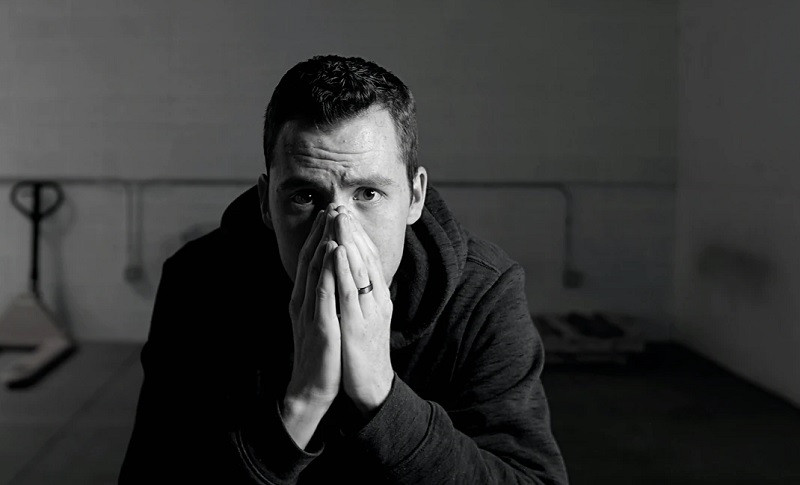
How does fear of change show up in daily life and relationships?
Fear of change often manifests subtly rather than dramatically, appearing as chronic procrastination on important decisions, persistent dissatisfaction paired with inaction, or a pattern of self-sabotage that unconsciously protects the familiar status quo, even when that status quo is causing real harm.
In career contexts, this fear frequently shows up as staying in a role long past the point of genuine growth or satisfaction, often accompanied by an elaborate internal justification system: “the market is too competitive right now,” or “I’ll start looking once things settle down,” even when things never quite settle down enough to feel ready. In relationships, fear of change can manifest as staying with a partner who no longer aligns with your values or needs, simply because building a new life alone feels more frightening than tolerating ongoing dissatisfaction. This pattern connects closely to attachment research, since psychiatrist John Bowlby’s work on attachment theory suggests that even unhealthy but familiar relational patterns can feel safer to the nervous system than the genuine unknown of solitude or a new relationship.
This fear also shows up physically and emotionally in ways people don’t always immediately connect to the underlying issue. Chronic low-grade anxiety, disrupted sleep before major decisions, irritability when change is even mentioned, or a persistent sense of being “stuck” without clear reason are common presentations. Some people cope by staying constantly busy, filling their schedule so completely that there’s no mental space left to seriously consider necessary changes. Others develop elaborate avoidance rituals, researching a potential change extensively without ever actually taking action, which provides a comforting illusion of progress while the underlying fear remains completely unaddressed.
- Chronic procrastination on decisions that require stepping outside familiar routines or roles.
- Persistent dissatisfaction paired with elaborate justifications for staying put despite clear unhappiness.
- Physical symptoms like disrupted sleep or a racing heart when change is seriously considered.
- Excessive research or planning that never translates into actual movement or decisions.
- Filling schedules with constant busyness to avoid the mental space needed to confront necessary change.

What therapeutic approaches help address fear of change?
Several evidence-based therapeutic approaches directly address fear of change, particularly cognitive behavioral therapy, exposure-based techniques, and acceptance and commitment therapy, each targeting different aspects of the fear response, from distorted thinking patterns to nervous system dysregulation.
Cognitive behavioral therapy, a framework closely associated with psychiatrist Aaron Beck, helps people identify and challenge the catastrophic thoughts that often fuel fear of change, such as assuming a career shift will inevitably end in failure or that a relationship transition will lead to permanent loneliness. Rather than accepting these predictions as certainties, CBT encourages examining the actual evidence supporting them, often revealing that the anticipated worst-case scenario is far less probable than anxious thinking suggests. This cognitive reframing doesn’t eliminate uncertainty, but it can significantly reduce the disproportionate dread that often accompanies it.
Exposure-based techniques, meanwhile, work by gradually and deliberately confronting smaller versions of the feared change, building tolerance incrementally rather than demanding an immediate leap into the unknown. Someone afraid of a major career transition might start by simply updating their resume, then attending one networking event, before eventually applying to new positions, allowing their nervous system to build evidence that each incremental step is survivable. Acceptance and commitment therapy, developed by psychologist Steven Hayes, offers a somewhat different approach, encouraging people to accept the presence of fear and uncertainty as an unavoidable part of meaningful change, while still committing to action aligned with their deeper core values, rather than waiting for the fear to disappear entirely before moving forward.
Eye movement desensitization and reprocessing, commonly known as EMDR, has also shown promise for individuals whose fear of change is rooted in specific past traumatic experiences, helping process the emotional charge connected to previous painful transitions so that new changes don’t automatically trigger the same intensity of distress.

What practical steps can you take to move through fear of change?
Moving through fear of change effectively requires breaking the process into smaller, manageable steps, building tolerance for discomfort gradually rather than expecting fear to disappear before taking any action at all.
Start by naming the specific fear underneath the resistance, rather than treating it as a vague, undifferentiated dread. Is the fear about financial instability, social judgment, disappointing someone, or simply not knowing how to navigate an unfamiliar process? This specificity matters enormously because it transforms an overwhelming, abstract anxiety into a concrete concern that can actually be addressed through planning or problem-solving. Journaling can be particularly useful here, providing a structured way to externalize and examine fears that otherwise remain vague and disproportionately intimidating inside your head.
Next, consider taking what might be called a micro-action, a small, low-stakes step toward the change that doesn’t require full commitment but does provide real movement. This could be as simple as researching one specific option, having a single conversation with someone who has made a similar transition, or setting aside a small amount of money toward a goal without yet deciding definitively to pursue it. These small steps work because they give your nervous system direct evidence that engaging with the change doesn’t produce catastrophe, gradually reducing the anticipatory anxiety that keeps people frozen in place.
- Name the specific fear underneath your resistance rather than treating it as vague, undifferentiated dread.
- Take one micro-action toward the change, something small enough to feel manageable without requiring full commitment.
- Track how you feel afterward, noting that most anticipated disasters don’t actually materialize as predicted.
- Share your fear with someone trusted, since isolation tends to amplify anxious thinking significantly.
- Set both micro and macro goals, allowing yourself to build momentum through small, achievable wins.

How can you tell if your fear of change requires professional support?
While mild resistance to change is a nearly universal human experience, professional support becomes worth considering when fear of change consistently prevents necessary life decisions, causes significant distress, or meets criteria for a specific phobia that meaningfully interferes with daily functioning.
Clinically, an intense and persistent fear of change is sometimes referred to as metathesiophobia, a specific phobia characterized by disproportionate anxiety specifically triggered by the prospect of change, even relatively minor or clearly beneficial change. This differs from ordinary resistance in both intensity and impact; someone with this level of fear might avoid entire categories of life decisions, experience panic-level physical symptoms when change is even discussed, or find that their fear has led to significant missed opportunities in their career, relationships, or personal growth over an extended period.
If you notice that fear of change has consistently prevented you from pursuing opportunities you genuinely want, or if the physical and emotional symptoms feel overwhelming rather than simply uncomfortable, working with a therapist trained in cognitive behavioral therapy, exposure techniques, or acceptance and commitment therapy can provide structured, professional support for building tolerance and moving forward. This is not a sign of weakness; recognizing when a pattern has become genuinely limiting, and seeking support to address it, reflects meaningful self-awareness and a real commitment to living a fuller, less constricted life.
FAQs about Fear of Change
What is metathesiophobia, and is it a real diagnosis?
Metathesiophobia refers to an intense, persistent fear of change, though it’s important to note that it isn’t formally listed as its own distinct diagnosis in major diagnostic manuals; rather, it typically falls under the broader category of specific phobia when the fear becomes disabling enough to meet clinical criteria. This means someone experiencing severe fear of change might be diagnosed more generally with a specific phobia or an anxiety disorder, depending on how the symptoms present. Regardless of the formal diagnostic label, the lived experience is genuinely distressing, and evidence-based treatments like cognitive behavioral therapy and exposure therapy can meaningfully help, whether or not the condition carries this specific informal name.
Why do I feel physically anxious even about positive changes?
This happens because the nervous system’s threat-detection system responds to uncertainty itself, not specifically to whether an outcome is good or bad. Even a positive change, like a promotion or a new relationship, involves unfamiliar territory, unknown variables, and a disruption to established routines, all of which can trigger the same physiological stress response as clearly negative change. Researcher Stephen Porges’s work on the polyvagal theory helps explain this pattern, showing how the body’s automatic scanning for safety cues can misread ambiguity as danger regardless of the change’s actual valence. This response typically settles as familiarity builds, even when the initial reaction feels disproportionate to the situation.
How long does it typically take to adjust to a major life change?
Adjustment periods vary considerably depending on the significance of the change and individual differences in coping style, but many people notice a meaningful reduction in acute anxiety within the first few weeks to months as new routines become familiar. Full emotional integration, particularly for major transitions like a career shift, relocation, or relationship change, can take longer, sometimes six months to a year, before the change feels genuinely settled rather than actively unsettling. Patience with this timeline matters significantly; expecting instant comfort with a major change often leads people to misinterpret normal adjustment discomfort as evidence that they’ve made a mistake.
Can fear of change actually be a good thing sometimes?
Yes, in moderation, this fear serves a genuinely protective function by prompting careful consideration before making significant decisions, rather than acting impulsively without weighing real risks. The goal isn’t to eliminate this fear entirely but rather to prevent it from becoming so overwhelming that it blocks beneficial change altogether. A healthy relationship with this fear involves listening to it as useful information, prompting thoughtful planning, while not allowing it to have complete veto power over decisions that genuinely align with your values and long-term wellbeing. Distinguishing between productive caution and paralyzing avoidance is the key practical distinction here.
Does fear of change get worse with age?
Research suggests that comfort with uncertainty and novelty does tend to shift somewhat with age, partly due to accumulated life experience, established routines, and sometimes increased investment in current circumstances, which can make change feel like a bigger loss than it did earlier in life. However, this pattern is far from universal, and many older adults navigate significant change with considerable resilience, particularly when they’ve had positive experiences with change management earlier in life. Rather than assuming age determines this fear, it’s more accurate to say that accumulated sunk cost and established identity can sometimes intensify resistance, though deliberate practice with smaller changes throughout life appears to build lasting flexibility regardless of age.
What’s the difference between healthy caution and fear-based avoidance?
Healthy caution involves genuinely weighing risks and benefits, gathering relevant information, and making a considered decision, even if that decision ultimately involves waiting or choosing not to change right now. Fear-based avoidance, by contrast, involves indefinite postponement without genuine evaluation, often accompanied by significant distress, elaborate justification, or a persistent sense of being stuck despite clear evidence that change would be beneficial. A useful test involves asking whether you’re actively gathering information to make an informed choice, or simply avoiding the discomfort of deciding at all; the former reflects thoughtful caution, while the latter typically indicates fear that would benefit from being addressed more directly.
Bibliography
- Beck, A. T. (1979). Cognitive Therapy of Depression. Guilford Press.
- Porges, S. W. (2011). The Polyvagal Theory: Neurophysiological Foundations of Emotions, Attachment, Communication, and Self-Regulation. W. W. Norton & Company.
- Hayes, S. C., Strosahl, K. D., & Wilson, K. G. (1999). Acceptance and Commitment Therapy: An Experiential Approach to Behavior Change. Guilford Press.
- Bowlby, J. (1969). Attachment and Loss, Vol. 1: Attachment. Basic Books.
- Oreg, S. (2003). Resistance to change: Developing an individual differences measure. Journal of Applied Psychology.
- National Health Service (NHS). (2023). Overcoming Fears and Phobias. National Health Service.
Use this citation format to reference the article clearly and help readers find the original source.
PsychologyFor. (2026). Fear of Change: Why it Happens and How to Solve it. PsychologyFor. https://psychologyfor.com/fear-of-change-why-it-happens-and-how-to-solve-it/