

See more of our articles in your search results.
When most people hear the name Ivan Pavlov, they immediately think of his famous experiments with dogs and the discovery of classical conditioning. While this association is accurate, it only scratches the surface of his work. Pavlov was not merely a physiologist interested in reflexes; he also developed a theory of personality that connected his conditioning research with broader ideas about human behavior, temperament, and mental health. His personality theory, though not as widely discussed as Freud’s psychoanalysis or Jung’s archetypes, played a crucial role in the development of behavioral psychology and continues to influence modern psychology.
Pavlov’s theory of personality is grounded in his belief that individual differences in behavior could be explained by the balance of nervous system processes—specifically excitation and inhibition. He proposed that the way these processes interacted in each individual shaped their personality, temperament, and even susceptibility to psychological disorders. In this way, Pavlov moved beyond reflexes and experiments with animals to outline a biologically based framework for personality.
What makes Pavlov’s work especially intriguing is how it bridges biology and psychology. At a time when psychology was often speculative, Pavlov insisted on studying measurable, observable phenomena. He wanted to explain not just how behavior is learned, but also how underlying biological mechanisms influence personality traits. His insights gave rise to scientific models of temperament, anticipating modern neuroscience and personality psychology.
This article will explore Pavlov’s theory of personality in detail: what it is, its foundations in his conditioning research, its relation to the nervous system, the types of personalities he described, its impact on psychology, and how his ideas still resonate today. By the end, you will see how Pavlov was not only the father of classical conditioning but also a pioneer in understanding the biological basis of personality.
Ivan Pavlov: A Brief Background
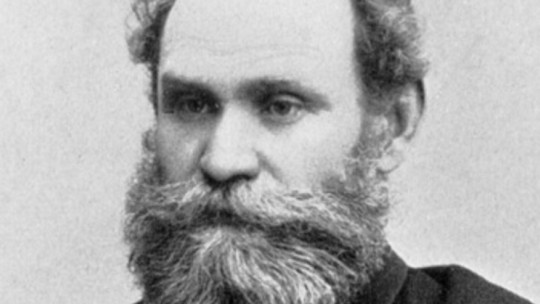
Ivan Petrovich Pavlov (1849–1936) was a Russian physiologist who initially trained in theology before turning to medicine and science. His groundbreaking research on digestion earned him the 1904 Nobel Prize in Physiology or Medicine, making him the first Russian Nobel laureate. However, his most enduring contributions came from his work on the nervous system and behavior.
How many of these have you been "meaning to read" for months?
- 1
 S&S/Simon ElementProtocolsAn Operating Manual for the Human BodyListen Free On Audible
 - 2
 Undercover Publishing HouseStop Letting Everything Affect YouHow to break free from overthinking, emotional chaos, and self-sabotage.Listen Free On Audible
 - 3
 Grand Central PublishingIn the Shadow of EightSurviving the Reality of My ChildhoodListen Free On Audible
While experimenting with dogs, Pavlov observed that they salivated not only when food was presented but also when they heard cues associated with food, such as footsteps or the sound of a bell. This led him to formulate the principle of classical conditioning, demonstrating that learning could occur through association.
Beyond conditioning, Pavlov developed an interest in individual differences. He noticed that not all dogs responded the same way to conditioning. Some were more excitable, others more inhibited, and some developed signs of distress under stress. This variation led him to hypothesize that nervous system types influenced personality. He extended these observations to human beings, proposing a theory of personality that was rooted in physiology but had broad psychological implications.
Foundations of Pavlov’s Theory of Personality
Pavlov believed that personality was shaped by the nervous system, specifically through two key processes:
- Excitation: the nervous system’s capacity to respond to stimuli with activity.
- Inhibition: the nervous system’s capacity to suppress or regulate responses.
According to Pavlov, the balance between excitation and inhibition determined how a person responded to the environment and how their personality developed. Strong excitation led to more active, energetic behavior, while strong inhibition supported self-control, calmness, and stability.
Pavlov described three main properties of the nervous system that influenced personality:
- Strength: The overall energy or vigor of nervous processes.
- Balance: The equilibrium between excitation and inhibition.
- Mobility: The flexibility with which the nervous system could shift between excitation and inhibition.
These properties, he argued, formed the foundation of temperament types that closely resembled the classical temperaments proposed by Hippocrates and Galen centuries earlier.

Pavlov’s Four Types of Personality (Temperament)
Pavlov aligned his theory with the four ancient temperaments but provided a physiological explanation based on nervous system functioning.
Choleric Type (Strong, Unbalanced)
- High excitation, weak inhibition.
- Characteristics: Energetic, excitable, passionate, but prone to anger and mood swings.
- Personality traits: Impulsive, intense, emotionally expressive.
- Modern parallels: High extraversion but low emotional stability.
Case Example: A successful entrepreneur with this personality drives a startup with incredible energy and vision. However, they may also clash with employees due to impatience or emotional outbursts. Their ambition and drive make them leaders, but they can burn out or damage relationships if inhibition is not strengthened.
Sanguine Type (Strong, Balanced, Mobile)
- Strong excitation and inhibition, with high mobility.
- Characteristics: Lively, adaptable, cheerful, and social.
- Personality traits: Optimistic, flexible, emotionally stable.
- Modern parallels: High extraversion, high adaptability.
Case Example: A college student with this type of personality thrives in group projects, adapts quickly to new study methods, and maintains a positive outlook even under exam pressure. They may experience stress, but their strong balance helps them bounce back quickly.
Phlegmatic Type (Strong, Balanced, Inert)
- Strong excitation and inhibition, but low mobility.
- Characteristics: Calm, steady, reliable, slow to react but persistent.
- Personality traits: Consistent, emotionally stable, dependable.
- Modern parallels: High conscientiousness, low neuroticism.
Case Example: An experienced factory worker demonstrates this type. For years, they’ve maintained steady performance and rarely get upset by workplace stress. They are not quick to adopt new technology but once trained, they excel with consistency and accuracy.
Melancholic Type (Weak Nervous System)
- Weak excitation and inhibition.
- Characteristics: Sensitive, vulnerable, easily fatigued, prone to withdrawal.
- Personality traits: Introverted, emotionally reactive, cautious.
- Modern parallels: High neuroticism, high sensitivity.
Case Example: A high school student with this type excels in writing and creative pursuits but struggles during oral presentations or under exam pressure. They may experience intense self-doubt, but in nurturing environments, they can thrive creatively and emotionally.
These categories provided a framework for understanding how biological differences in the nervous system could explain why people behave differently under similar conditions.
Case Studies Illustrating Pavlov’s Theory

Case Study 1: The Resilient Athlete (Strong-Balanced-Sanguine Type)
A professional soccer player demonstrates high resilience. Even after a major injury, they maintain optimism, work through rehabilitation, and rejoin the team stronger than before. Pavlov would describe this athlete as having a strong and balanced nervous system, with high mobility. Their ability to handle stress and adapt to challenges reflects the sanguine type.
Case Study 2: The Impulsive Artist (Strong-Unbalanced-Choleric Type)
An acclaimed painter is known for bursts of creativity, often working for hours without rest. However, they also experience periods of intense frustration, lashing out at assistants or abandoning projects midway. Pavlov would classify this as a strong but unbalanced type. The creative energy drives success, but poor inhibition makes emotional regulation difficult.
Case Study 3: The Reliable Engineer (Strong-Balanced-Phlegmatic Type)
An engineer in a large corporation demonstrates patience and persistence. While colleagues jump to new methods quickly, this engineer takes longer to adapt but ensures accuracy and precision. Their work is consistent, dependable, and calm, even under stress. This reflects Pavlov’s phlegmatic type—balanced but with low mobility.
Case Study 4: The Sensitive Writer (Weak-Melancholic Type)
A novelist struggles with anxiety and depression but channels these emotions into deeply moving works of literature. The weak type is prone to stress but also capable of profound creativity and empathy. Pavlov’s theory suggests that while this type is vulnerable, it can excel in fields requiring sensitivity and introspection.
How Pavlov’s Theory Relates to Classical Conditioning
Pavlov’s experiments in conditioning revealed how learning occurs through associations. But when he noticed that dogs with different nervous system types responded differently to conditioning, he realized that learning was shaped by personality.
For example:
- A choleric dog (excitable, unbalanced) might learn quickly but also become overly agitated during experiments.
- A phlegmatic dog (calm, steady) might learn more slowly but showed consistent performance.
- A melancholic dog (sensitive, weak) might shut down under stress and show signs of distress.
This insight showed that personality influenced not just behavior but also how individuals learn, adapt, and respond to stress. Pavlov extended these findings to humans, proposing that differences in nervous system functioning shaped personality traits, resilience, and vulnerability to psychological disorders.
Pavlov’s Theory and Mental Health
Pavlov’s research also suggested connections between nervous system types and mental health. He observed that imbalances between excitation and inhibition could lead to maladaptive behaviors or psychological difficulties. For example:
- Individuals with very weak nervous systems might be more prone to anxiety or depression.
- Those with strong but unbalanced nervous systems might display impulsivity, aggression, or instability.
- Balanced systems were associated with greater resilience and emotional regulation.
In many ways, Pavlov’s ideas anticipated modern research on biological vulnerability to mental illness, including the role of temperament and stress reactivity in conditions such as anxiety disorders, mood disorders, and personality disorders.
The Influence of Pavlov’s Personality Theory on Modern Psychology
While Pavlov is primarily remembered for classical conditioning, his theory of personality influenced the development of behaviorism, neuroscience, and personality psychology.
- Behaviorism: Pavlov’s focus on observable behavior inspired psychologists like John Watson and B.F. Skinner, who built upon conditioning to create comprehensive theories of learning.
- Neuroscience: His emphasis on the nervous system as the foundation of personality anticipated modern brain-based models of temperament and personality traits.
- Personality Psychology: Pavlov’s four temperament types foreshadowed later trait theories, including the Big Five personality model (openness, conscientiousness, extraversion, agreeableness, neuroticism).
His work also laid the foundation for studying how biological predispositions interact with learning and environment—a perspective central to modern biopsychology.

Criticisms of Pavlov’s Personality Theory
Despite its importance, Pavlov’s theory has faced criticisms.
- Overemphasis on biology: Pavlov focused heavily on the nervous system, often neglecting cultural, social, and cognitive influences on personality.
- Animal-to-human generalization: Much of his theory was based on dogs, raising questions about its direct application to humans.
- Simplistic classification: Reducing personality to four types overlooks the complexity and diversity of human traits.
Nonetheless, his insights remain valuable because they bridged the gap between physiology and psychology, paving the way for more nuanced theories.
Applications of Pavlov’s Theory Today
Even today, Pavlov’s theory has practical relevance.
- Education: Teachers can recognize that students have different temperaments and tailor instruction accordingly.
- Therapy: Understanding nervous system differences can help therapists adapt approaches for clients with varying sensitivities.
- Parenting: Parents can benefit from recognizing their child’s temperament and adjusting discipline and encouragement strategies.
- Workplace: Managers and leaders can use knowledge of temperament to build balanced teams and improve productivity.
His insights remind us that personality is not just about learned behavior but also about biological foundations that influence how we learn, respond, and grow.
FAQs about Ivan Pavlov’s Theory of Personality
What is the core idea of Pavlov’s theory of personality?
The core idea is that personality is shaped by the properties of the nervous system, particularly the balance between excitation and inhibition. These differences create distinct temperament types that influence behavior and learning.
How did Pavlov connect classical conditioning to personality?
Pavlov noticed that different dogs responded differently to conditioning experiments. He concluded that nervous system types influenced how individuals learn and adapt, linking classical conditioning to personality traits.
What are the four personality types in Pavlov’s theory?
They are the choleric (strong, unbalanced), sanguine (strong, balanced, mobile), phlegmatic (strong, balanced, inert), and melancholic (weak nervous system) types. Each type is defined by the strength, balance, and mobility of nervous processes.
Does Pavlov’s theory still matter today?
Yes. Although simplified, his theory anticipated modern neuroscience and personality psychology, emphasizing biological foundations of behavior. It also provides practical insights for education, therapy, and personal development.
How is Pavlov’s theory different from Freud’s?
Freud emphasized unconscious drives and conflicts, while Pavlov focused on observable behavior and physiological processes. Pavlov’s approach was more scientific and measurable, while Freud’s was interpretive and symbolic.
Can Pavlov’s theory explain mental health issues?
To some extent. Pavlov proposed that imbalances in excitation and inhibition made people more vulnerable to stress and psychological disorders. This idea foreshadowed modern theories of temperament and vulnerability to mental illness.
Use this citation format to reference the article clearly and help readers find the original source.
PsychologyFor. (2025). Ivan Pavlov’s Theory of Personality. PsychologyFor. https://psychologyfor.com/ivan-pavlovs-theory-of-personality/