

See more of our articles in your search results.
The human brain is divided into different regions, each responsible for various functions essential for survival, cognition, and emotion. One of the most important parts of the brain is the subcortical structures, which lie beneath the cerebral cortex and play a crucial role in regulating movement, emotions, and autonomic functions. These structures form part of the limbic system, basal ganglia, and diencephalon, working together to support both voluntary and involuntary actions.
Understanding the types and functions of subcortical structures helps explain behaviors, neurological disorders, and even emotional responses.
What are subcortical structures?
Within the field of neuroanatomy, the structures that make up the nervous system are studied. Some of these systems are those known as the subcortical structures.
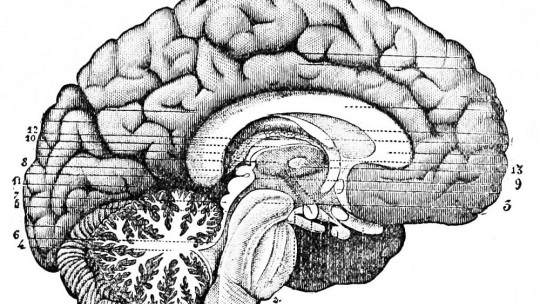
The subcortical system or structure, located in both cerebral hemispheres, is composed of those brain centers that are located between the white matter, located near the lateral and ventral region of the lateral ventricles
As complementary information, white matter is the matter that makes up 60% of the brain. This substance is made up of a large number of nerve fibers, which in turn contain neuronal axons. These axons are characterized by being covered by a myelin sheath that protects them and favors the rapid transmission of nerve electrical signals.
How many of these have you been "meaning to read" for months?
- 1
 TarcherThe Artist's Way30th Anniversary EditionListen Free On Audible
 - 2
 New Harbinger PublicationsThe Dialectical Behavior Therapy Skills WorkbookPractical DBT Exercises for Learning Mindfulness, Interpersonal Effectiveness, Emotion Regulation...Listen Free On Audible
 - 3
 New Harbinger PublicationsAdult Children of Emotionally Immature ParentsHow to Heal from Distant, Rejecting, or Self-Involved ParentsListen Free On Audible
As mentioned previously, the subcortical structure is made up of different nuclei, specifically four: the hippocampus, the cerebellum, the amygdala and the basal ganglia, each of them with a specific location and functions, so in case of injury the person will experience a significant decrease in a whole series of psychological and mental abilities and skills in general
Broadly speaking, the main functions in which these brain centers are involved include:
Major Subcortical Structures and Their Functions
1. The Thalamus
The thalamus is a large, egg-shaped structure located deep in the brain, serving as the primary relay center for sensory information.
- Function: It processes and transmits sensory signals to the cerebral cortex, including vision, hearing, taste, and touch.
- Role in cognition: It plays a role in attention, memory, and consciousness.
- Example: When you hear a sound, the thalamus helps process the auditory information before sending it to the auditory cortex for interpretation.
2. The Hypothalamus
The hypothalamus is a small but powerful structure responsible for regulating essential bodily functions.
- Function: It controls hunger, thirst, body temperature, and the endocrine system by interacting with the pituitary gland.
- Role in emotions: It influences behaviors such as aggression, pleasure, and stress responses.
- Example: If your body temperature drops, the hypothalamus signals mechanisms to generate heat, like shivering.
3. The Basal Ganglia
The basal ganglia is a group of nuclei involved in movement coordination and motor control.
- Function: It regulates voluntary movements and ensures smooth motor execution.
- Role in neurological disorders: Dysfunction in the basal ganglia is linked to Parkinson’s disease, Huntington’s disease, and other movement disorders.
- Example: When you walk, the basal ganglia help coordinate your steps and maintain balance.
4. The Amygdala
The amygdala is an almond-shaped structure essential for processing emotions, particularly fear and pleasure.
- Function: It evaluates emotional stimuli and triggers appropriate responses.
- Role in behavior: It influences aggression, anxiety, and emotional memory formation.
- Example: If you encounter a dangerous situation, the amygdala triggers a fight-or-flight response.
5. The Hippocampus
The hippocampus is a critical structure for memory formation and spatial navigation.
- Function: It helps convert short-term memories into long-term memories.
- Role in learning: It is crucial for learning new information and forming associations.
- Example: When studying for an exam, the hippocampus helps consolidate the information so it can be recalled later.
6. The Midbrain (Mesencephalon)
The midbrain connects the forebrain and hindbrain and plays a role in motor control and sensory processing.
- Function: It controls eye movements, auditory processing, and reflex actions.
- Role in attention: It helps the brain prioritize important sensory inputs.
- Example: If you suddenly hear a loud noise, the midbrain directs your attention toward the sound.
7. The Cerebellum
Though technically not part of the subcortical structures, the cerebellum is closely linked to their functions.
- Function: It coordinates movement, balance, and posture.
- Role in motor learning: It helps refine motor skills based on practice and experience.
- Example: When learning to ride a bicycle, the cerebellum helps adjust your balance and coordination.
8. The Reticular Formation
The reticular formation is a network of neurons running through the brainstem, essential for maintaining wakefulness and alertness.
- Function: It regulates sleep, arousal, and consciousness.
- Role in attention: It helps the brain filter irrelevant stimuli.
- Example: When you wake up in the morning, the reticular formation helps transition from sleep to alertness.
FAQs About Subcortical Structures of the Brain
What are subcortical structures?
Subcortical structures are brain regions located beneath the cerebral cortex, responsible for regulating movement, emotions, and autonomic functions.
How do the basal ganglia affect movement?
The basal ganglia help coordinate voluntary movements by ensuring smooth execution and preventing excessive motion. Dysfunction can lead to movement disorders like Parkinson’s disease.
What role does the hypothalamus play in homeostasis?
The hypothalamus regulates body temperature, hunger, thirst, and hormone production, helping maintain internal balance in the body.
How does the amygdala influence emotions?
The amygdala processes emotions, particularly fear and pleasure, and plays a key role in emotional memory and response to threats.
Why is the hippocampus important for memory?
The hippocampus converts short-term memories into long-term ones and helps in learning and spatial navigation. Damage to this structure can result in memory loss.
Use this citation format to reference the article clearly and help readers find the original source.
PsychologyFor. (2025). Subcortical Structures of the Brain: Types and Functions. PsychologyFor. https://psychologyfor.com/subcortical-structures-of-the-brain-types-and-functions/