


One of the consequences of the current pace of life and the high demands to which we are constantly exposed is the increase in chronic stress, as well as episodes of depression and anxiety in populations of all age ranges.
Associated with these social variables, we also have other personal variables that exacerbate these states, such as a low tolerance for frustration or negative emotions, or a poor approach to personal experiences or complex feelings that affect us during the day. to day. In today’s society, One of the most common resources to confront psychological discomfort in the face of many of these pressures is self-medication with psychotropic drugs. which could lead to abuse and become an added problem.
But: are psychotropic drugs necessary?
In many cases they are. Psychiatric medication can be of great help in addressing a psychological or behavioral problem at a specific and specific moment in a person’s life. Let us remember that the main function of this type of substances is to regulate the action of certain neurotransmitters, improving some of the symptoms suffered by the affected person.
Furthermore, in serious mental disorders in which there is a high level of imbalance, we know that medication is strictly necessary and that it has a crucial function for the patient’s adaptation, although the psychological and family intervention that usually accompanies this type cannot be left aside. of cases.
The psychological effects of self-medicating with psychotropic drugs
However, in many other cases,
the use of drugs is being excessive and poorly channeled as the solution to psychological discomfort that arises from everyday problems or symptoms that do not justify its use. The prescription of psychotropic drugs must be prescribed by a doctor and be accompanied by additional psychological treatment if long-term improvements are to be maintained. We know a lot about the physiological side effects of using these drugs, but it is also relevant to highlight the psychological side effects that remain in the person at the level of self-efficacy or perception of problem resolution.
Most of the problems that create suffering in patients who ask for help are of psychosocial origin, not of biochemical origin, so
If the true cause and origin of the problem is not found, it will be difficult to find a solution. and the drug cannot be withdrawn either (the purpose of which is the temporary stabilization of the symptom, and not chronic medication as a sustained solution).
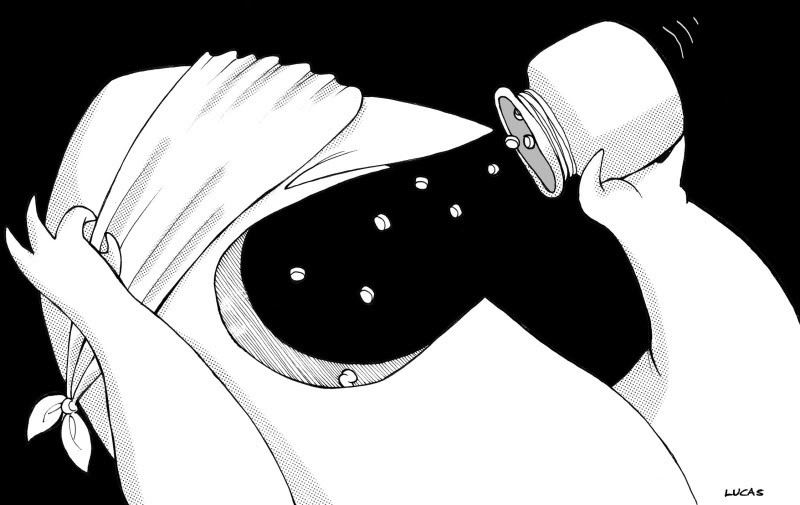
Consuming drugs without professional control: a real Russian roulette
The real problem with self-medication is the use of medications on one’s own initiative without there being a medical prescription, control or professional diagnosis associated with said drug. It is a practice that we have very normalized as a way of covering up symptoms with a certain immediacy. How many of us have taken a pill for a headache, back pain or to sleep at some point in our lives? In these cases in which we treat a cold, a specific discomfort, we would be talking about responsible and time-limited self-medication.
Problems begin when self-medication is prolonged for too long or is established as a resource to control a symptom. annoying, but without addressing the origin of it. It is common in such a case for the person to believe that they need such medication to function in their daily lives or face their problems. Specifically, and especially, we are referring to antidepressant, anxiolytic and hypnotic psychotropic drugs whose consumption is becoming normal in the medium and long term when the indications for the drug itself have time limits for use.
Effects (physical and psychological) of the bad habit of self-medication
Apart from the typical effects on a physical level when a chemical is consumed, we will point out the
tolerance, abstinence and dependence resulting when some of these drugs are taken uncontrolled for long periods of time.
However, the most important effect that we want to highlight is on a psychological level, due to the lack of control or responsibility for improvement. The consumption of drugs to resolve psychological problems facilitates the development of what is known as the external locus of control by diverting the improvement to an external resource independent of the person. A patient with symptoms of depression or anxiety may learn that he needs medication to feel better and act on her state, not learn that he is capable of acting on her state to improve. Sometimes This effect can hinder the patient’s progress by not acquiring the necessary resources to resolve a certain situation on their own.
Examples and possible solutions
Let’s take an example, a person with a certain degree of social anxiety who experiences great discomfort in certain situations ends up developing a job facing the public in which they experience a lot of anxiety, affecting their execution. The solution options require leaving your job (which is not an option because you need financial support), actively looking for another job, resorting to medication for anxiety, which you will have to continue taking as long as you keep that job, or learning to cope with social situations. In other words, with a treatment plan that includes working on anxiety, social skills, and self-esteem, among other things.
In cases like this, what we try to reflect is that
running away or taking drugs are methods of avoiding the real problem which will not contribute anything to personal growth or learning through experience. Medication yes, but always with supervision and for cases that require it.
By citing this article, you acknowledge the original source and allow readers to access the full content.
PsychologyFor. (2024). The Negative Effects of Self-medication. https://psychologyfor.com/the-negative-effects-of-self-medication/