


See more of our articles in your search results.
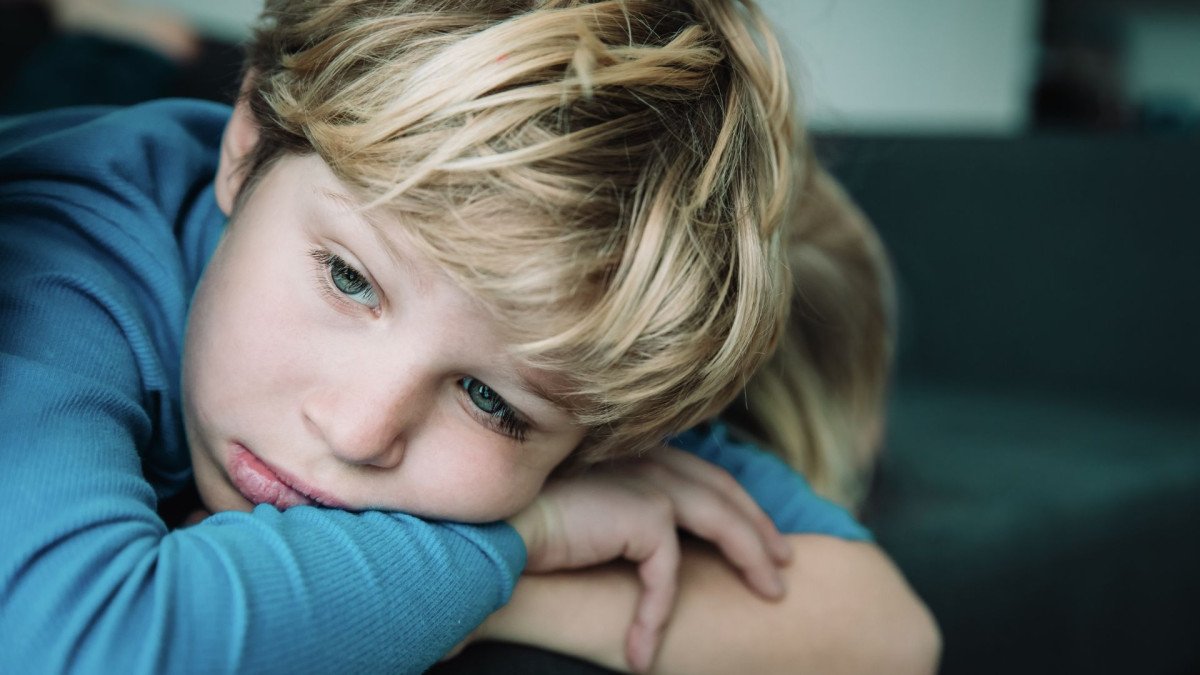
When we talk about childhood wounds we are referring to what is unfinished that has been left in childhood To those “little wounds” that have been formed in the most vulnerable stage of our lives. When we are children, mom and dad are the most special things we have, we expect them to be “good” to us, love us, take care of us, praise us but many times that doesn’t happen and it is there with our brain that is just forming we don’t understand. Why don’t we receive what we long for?
What are childhood wounds?
By not receiving what we expect, we are hurt, the situation hurts us, and we need to defend ourselves from the hostile world we are in, which is why thoughts like: “I have to be powerful and I don’t have to let anyone control me” (since I did it once and they failed me and I don’t want to feel the disappointment again), “I’m afraid to show myself” “It’s terrifying that they realize how I am”, “I have to be strong” (because I was once weak and they took advantage). Here examples:
What we usually do is try to see which childhood wound I identify with (abandonment, humiliation, injustice, rejection or other). Don’t worry about fitting into a label or classification, the most important thing is the interpretation you gave to the event you could have lived through the previous examples, but how you lived that experience and the interpretation you gave it is what left you with the emotional wound or not.
We all have wounds to a greater or lesser extent, it depends on how we experience what we experienced according also to our personality characteristics that made us more susceptible and catchers of erroneous messages, because as we know, children are good observers but poor interpreters.
How many of these have you been "meaning to read" for months?
- 1
 Lori GottliebMaybe You Should Talk to SomeoneA bestselling memoir on the shared humanity of therapist and clientListen Free On Audible
- 2
 Irvin D. YalomThe Gift of Therapy85 practical, warm clinical insights from a master therapistListen Free On Audible
- 3
 Mary PipherLetters to a Young TherapistWarm wisdom on boundaries, longevity, and clinical self-careListen Free On Audible
How can I know which emotional wound I identify with?
You can ask yourself these questions:
The aforementioned occurs with significant people. We are not sure what is going to come. And what is difficult for us to understand is that we are the result of raising children who are also wounded. There are some who argue that they had good parents and had a happy childhood, without parents who were alcoholics or had problems with drugs or physical abuse, It does not necessarily have to have been a violent childhood, the mother/father may have been at home all day, but the child felt or interpreted that his/her emotional needs were not satisfied
Some practical examples
For example, Juan told us that he suffered bullying at school, however, more than feeling pain due to the ridicule of his classmates, what hurt him was that he did not feel safe because he could not get home to tell his parents. , he did not have the confidence to be able to tell them what was happening, on the contrary he felt shame and fear that they would be disappointed because he did not defend himself and on the contrary they would demand behavior that was very difficult for him.
The same case of bullying happened to Sara, however for her it was: “I felt rejected because they did not accept me as I was, I felt that I was different, humiliated by the things that were done to me that went over my head, I felt that I was not enough Otherwise they would not have done those things to me.” The same case of bullying for both children, however, how they experienced it was different
Other cases can be when Santa promises or Santa Claus “promises”, we tell him that he will bring you something if you behave, so how do I feel if I don’t get it? That I didn’t do enough, they betrayed me, I can’t trust anyone because in the end the word or the effort is worth it, “Don’t complain” I can’t express myself because I only receive scolding. Which leads me to establish in my mind: What conditions do I have to meet to be loved? What is the condition that I have to fulfill to be deserving and loved?
“We love you if you keep quiet, if you don’t make a mess, if you accept the conditions of the home, if you take care of your little brothers, if you obey the rules, if you shut up your emotions, I scold you for your own good, if you follow family traditions.”
Every message we have received since childhood has marked us to the extent of the importance we have given to the facts, do an analysis of your childhood and identify which memories hurt you the most and who they come from. If you want safer psychological support, write to me and let’s begin together this path of personal growth where we heal these emotional wounds and transcend into forgiveness and the virtue of new beginnings. We are together in this.
Use this citation format to reference the article clearly and help readers find the original source.
PsychologyFor. (2024). What Do They Mean When They Talk About Childhood Wounds?. PsychologyFor. https://psychologyfor.com/what-do-they-mean-when-they-talk-about-childhood-wounds/