


See more of our articles in your search results.
You probably remember when loving your body—regardless of its size—felt like the most revolutionary thing you could do. Instagram was full of people celebrating their curves, fashion brands finally featured models who looked like actual humans, and celebrities were vocal about rejecting impossible beauty standards. For a while there, it seemed like we were genuinely making progress. The message was clear: your worth isn’t determined by your weight, health looks different on different bodies, and the relentless pursuit of thinness was finally being recognized as the toxic cultural obsession it always was.
Fast forward to today, and something has shifted—dramatically. Suddenly everyone who’s anyone seems to be getting noticeably thinner, and whispers of Ozempic, Wegovy, and other GLP-1 medications are everywhere. Celebrities who built their brands on body positivity are showing up to events fifty pounds lighter. Influencers who preached self-acceptance are quietly deleting old posts celebrating their curves. Fashion Week runways are featuring skinnier models again, and the cultural conversation didn’t just change—it whiplashed so hard it gave everyone emotional whiplash.
What’s happening isn’t subtle. We’ve gone from celebrating body diversity to returning to the cult of thinness and the discipline of the body. The body positivity movement, which spent over a decade fighting for acceptance and challenging fatphobia, is now facing what might be its greatest existential threat: not criticism or backlash, but pharmaceutical technology that actually delivers what decades of diets promised and failed to provide. Rapid, significant weight loss that doesn’t require superhuman willpower or lifestyle overhaul—just a weekly injection and the ability to afford it.
The tension is impossible to ignore, and it’s exposing uncomfortable questions we’ve been avoiding. Was body positivity something we genuinely believed in, or just what we told ourselves while we thought permanent weight loss was impossible? Now that there’s a pharmaceutical option that actually works—at least for people who can afford $900-$1,500 per month—are we discovering that our commitment to size acceptance was more fragile than we wanted to admit? Or is something more complicated happening, something that reveals deep inequalities in who gets to make choices about their bodies and who’s simply told to accept what they can’t afford to change?
Because that’s the brutal reality emerging from this moment: we’re watching the creation of a two-tier system where wealthy people access pharmaceutical weight loss while everyone else is encouraged to practice self-love. We’re living in an era of Ozempic for the rich and body positivity for the poor. That’s not empowerment. That’s inequality dressed up in wellness language. When body acceptance becomes the consolation prize for people who can’t afford the alternative, something has gone deeply wrong with both our healthcare system and our social movements.
How many of these have you been "meaning to read" for months?
- 1
 TarcherThe Artist's Way30th Anniversary EditionListen Free On Audible
 - 2
 New Harbinger PublicationsThe Dialectical Behavior Therapy Skills WorkbookPractical DBT Exercises for Learning Mindfulness, Interpersonal Effectiveness, Emotion Regulation...Listen Free On Audible
 - 3
 New Harbinger PublicationsAdult Children of Emotionally Immature ParentsHow to Heal from Distant, Rejecting, or Self-Involved ParentsListen Free On Audible
So what happens next? Does body positivity survive the Ozempic era, or was it always too fragile to withstand a genuinely effective weight loss option? Can the movement evolve, or will it become irrelevant as more people who can afford it choose pharmaceutical transformation? And what does all this mean for the millions of people trying to navigate their relationship with their bodies right now, caught between competing messages about acceptance and change, between celebrating who you are and pursuing who you think you should be? Let’s dig into what’s really happening as these forces collide, because the answers matter for far more than just social media trends—they matter for how we think about health, inequality, and what we owe each other in a society with increasingly unequal access to medical technology.
How We Got Here: Body Positivity’s Rise and Transformation
To understand what’s at stake now, we need to remember what body positivity was actually supposed to be—because the movement that hit mainstream consciousness a few years ago looks very different from its radical origins. The roots trace back to the fat acceptance movement of the 1960s and 70s, when activists fought against discrimination and demanded basic civil rights for fat people. This wasn’t about feelings or self-esteem. It was about confronting real, systemic oppression: employment discrimination, inadequate healthcare, furniture and clothing designed only for thin bodies, public humiliation, and the pervasive message that fat people were morally inferior.
The original movement understood that the problem wasn’t individual body image—it was structural inequality and weight stigma embedded in institutions and culture. Activists fought for accessible healthcare that didn’t blame every ailment on weight, for workplace protections against size-based discrimination, for representation in media and public life, for the simple dignity of moving through the world without constant judgment and mockery. This was political work aimed at dismantling systems that kept thin, white, able-bodied people in power.
By the time body positivity exploded on social media in the 2010s, it had broadened significantly—and arguably been defanged. The message expanded beyond size to include all the ways bodies deviate from narrow beauty standards: scars, disabilities, skin conditions, body hair, aging, gender nonconformity. On one level, this was progress. On another, it shifted focus from systemic change to individual self-esteem. The question evolved from “How do we change society’s treatment of different bodies?” to “How do you feel about your body?”
Corporations eagerly embraced this softer version. Fashion brands featured plus-size models in campaigns while still offering limited size ranges in stores. Beauty companies used body positive language to sell products promising to fix your “problem areas”. Diet companies rebranded as “wellness” and adopted self-love rhetoric while still pushing weight loss. Celebrities posted makeup-free selfies and called it activism. This extraction and commercialization was the easiest way to undermine the original movement’s radical goals by centering individual feelings rather than systemic power structures.
The result was a version of body positivity that placed all responsibility on individuals. Can’t accept your body? That’s your failure, not society’s. Still struggling with negative feelings? Try harder at self-love. Don’t like what you see in the mirror? Practice more gratitude. This approach ignored that we don’t develop body image in isolation—we’re shaped by relentless cultural messaging about which bodies have value. Research consistently shows that weight stigma and discrimination cause serious psychological and physical harm independent of weight itself, but individualized body positivity had no tools to address that structural reality.
Still, even the commercialized version served an important function. It challenged the assumption that only one body type deserves visibility and respect. It created space for people to share their experiences and build community. It pushed back—however imperfectly—against the toxic diet culture that had dominated for decades. For many people, especially those who’d spent their entire lives feeling ashamed of their bodies, body positivity offered genuine relief and permission to stop punishing themselves. That mattered, even if the movement had strayed far from its radical roots.
Then came the needles, and suddenly all of it—the progress, the commercialization, the individual empowerment, the systemic critiques—ran headfirst into pharmaceutical reality.
The GLP-1 Revolution: Why This Time Is Different
Let’s be completely clear about why GLP-1 receptor agonists—sold as Ozempic, Wegovy, Mounjaro, and Zepbound—represent something fundamentally different from every diet pill, program, or trend that came before. These medications actually work. Not for everyone, and not without complications, but the results are undeniable. Clinical trials show average weight loss of 15-25% of body weight. For someone weighing 200 pounds, that’s potentially 30 to 50 pounds—and they maintain that loss as long as they continue the medication.
Nothing in the history of non-surgical weight loss has come close to these results. Not low-carb diets, not meal replacements, not intensive exercise programs, not behavioral therapy. Previous weight loss drugs produced modest results of maybe 5-10% with significant side effects. These medications work differently—they mimic natural hormones that regulate blood sugar and appetite, making people feel satisfied with less food and dramatically reducing cravings. Users report that the constant food noise in their heads simply quiets down. The obsessive thinking about their next meal vanishes. For many, it’s not even about willpower anymore—they’re just genuinely less hungry.
The cultural impact has been staggering. Estimates suggest one in eight American adults has tried these medications for weight loss. Manufacturers struggle to keep up with demand, creating shortages that affect people with type 2 diabetes who need these drugs for their original approved purpose. The global market is projected to exceed $100 billion within years. Entire industries are scrambling to adapt—airlines worried about changing weight distributions, clothing retailers adjusting inventory, food companies noting significant drops in consumption among users.
What makes this moment psychologically significant is how it’s reframed obesity. For decades, people struggling with weight were told they lacked discipline, willpower, or self-control. Weight was treated as a moral issue, a character failing. Now we’re suddenly acknowledging that appetite regulation involves complex hormonal systems that can be medically managed. The narrative shifted—at least partially—from “you’re not trying hard enough” to “your body’s hunger signals might need pharmaceutical adjustment.”
This should be straightforward progress, right? Reduced stigma, medical solutions, improved health? For some people, it absolutely is. Users report life-changing results—restored mobility, improved health markers, increased confidence. But the revolution comes with complications that expose and deepen existing inequalities:
| What We’re Told | What’s Actually Happening |
| Medical treatment for obesity | Only accessible to wealthy individuals due to $900-$1,500 monthly cost |
| Reduced weight stigma through medicalization | Increased judgment of those not using medications or unable to afford them |
| Improved health outcomes | Requires lifelong use; weight returns after stopping |
| Personal choice and empowerment | Intense social pressure to pursue weight loss now that it’s “easy” |
| Breakthrough medical innovation | May reduce focus on social determinants of health and prevention |
Research examining who’s most interested in these medications reveals troubling patterns. People with histories of maladaptive eating behaviors—extreme restriction, meal skipping, purging—show significantly greater interest compared to those who tried healthier approaches. This suggests the drugs may appeal particularly to those desperate to lose weight regardless of long-term consequences. The willingness to tolerate significant side effects including nausea, vomiting, and digestive problems reflects how intense the cultural pressure to be thin remains, despite years of body positivity messaging.
Social media has amplified all of this. Platforms like TikTok feature billions of views on #Ozempic content, with users sharing experiences, advertising telehealth services, providing advice on managing side effects, and celebrating dramatic transformations. Communities have formed around these medications, operating largely outside professional medical oversight. Meanwhile, trends like #SkinnyTok have resurged, with influencers promoting thinness as success and discipline. The pharmaceutical revolution isn’t happening in isolation—it’s fueling a broader cultural shift back toward celebrating extreme thinness.
The Collision: When Pharmaceutical Reality Meets Social Movement
This is where things get messy. On one side, body positivity insists we should accept our bodies, challenge beauty standards, and recognize that health and worth aren’t determined by size. On the other, GLP-1 medications offer the possibility of significantly changing those bodies if you can afford it and tolerate the side effects. These aren’t compatible messages, and the tension between them is forcing both individuals and culture to confront uncomfortable truths.
For individuals navigating this landscape, the internal conflict can be agonizing. Imagine spending years building body acceptance—challenging internalized fatphobia, practicing gratitude for your body, slowly achieving some measure of peace with yourself, maybe even becoming an advocate. Then these medications become available. People around you start getting dramatically thinner. Former allies in the body positive space quietly shrink and stop posting. Are you committed to your principles, or were you just making peace with what seemed unchangeable? If you consider the medications, are you a hypocrite? If you don’t, are you a martyr? There’s no good answer, which is part of what makes this era so psychologically brutal.
The body positivity movement emphasized bodily autonomy—the right to make decisions about your body without judgment. But how does that principle hold up when some choices seem to contradict the movement’s core message? Can you be body positive while taking weight loss drugs? Can you advocate for size acceptance while pursuing pharmaceutical thinness? When celebrity after celebrity who’d promoted body acceptance shows up dramatically thinner, it sends a clear message: acceptance was what we preached until something better came along.
At the cultural level, we’re watching body positivity’s limitations exposed in real time. When the movement focused primarily on individual self-esteem rather than systemic change, it created a fragile foundation that couldn’t withstand accessible (for some) weight loss technology. If body positivity is fundamentally about feeling good about yourself, then of course people choose pharmaceutical weight loss when it becomes available—because society still overwhelmingly values thinness. Feeling good about being fat remains extraordinarily difficult when you face discrimination in healthcare, employment, dating, and public spaces, when you can’t find clothing or furniture that accommodates your body, when you’re subjected to constant commentary and judgment.
The availability of these drugs functions like a massive revealed preference study—and what it reveals is that given an effective option, many people would choose to be thinner. This doesn’t necessarily mean body positivity failed. It might mean we expected too much from individual acceptance work without addressing the systemic forces that make living in a larger body genuinely challenging. Self-acceptance matters, but it can’t compensate for structural discrimination and unequal treatment. We’re discovering whether we genuinely valued body diversity or just accepted it because we thought weight was unchangeable.
Multiple observers report the same shift: we’re back to SkinnyTok, to thinness and perfection, returning to bodily neoliberalism. Fashion weeks feature skinnier models. Brands that embraced size diversity are pulling back. The brief moment when curves were celebrated feels like it’s evaporating. Some even ask directly: is this the year body positivity died?
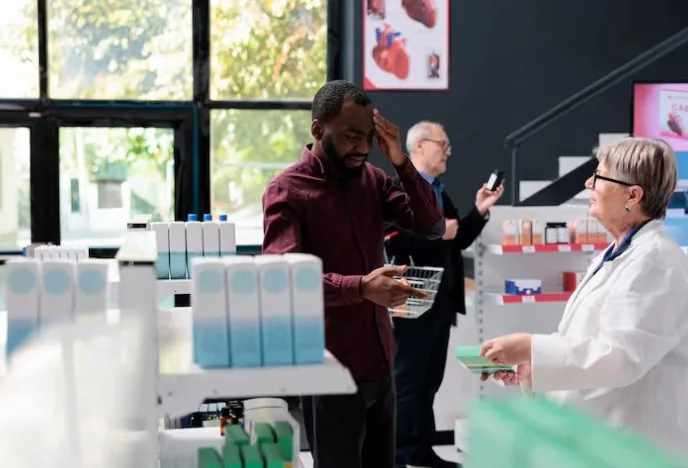
The Brutal Inequality: Ozempic for the Rich, Body Positivity for the Poor
Perhaps nothing reveals the crisis more starkly than the socioeconomic divide in who accesses these medications. They cost $900-$1,500 monthly without insurance. Many insurance plans won’t cover them for weight loss, categorizing them as cosmetic rather than medically necessary. Medicare is legally prohibited from covering weight loss drugs. The result? Access is determined almost entirely by wealth rather than medical need.
Meanwhile, the factors contributing to higher body weight—limited access to nutritious food, lack of safe spaces for physical activity, work schedules that prevent meal preparation or exercise, chronic stress from economic insecurity, inadequate healthcare—disproportionately affect people with lower incomes. The people most likely to struggle with weight due to systemic factors are the least likely to afford the pharmaceutical solution being promoted as the answer.
This creates what researchers identify as a dangerous new form of health inequity. Wealthy individuals access pharmaceutical weight loss, experiencing social and potential health benefits while avoiding sustained lifestyle effort. Lower-income individuals are encouraged to practice body acceptance and self-love—not because society genuinely values their bodies, but because they can’t afford the alternative. Body positivity becomes less of an empowering choice and more of an economic consolation prize.
Consider the psychological impact. You’re told to love your body and challenge beauty standards. But you watch wealthy celebrities become thin seemingly overnight, receiving praise, opportunities, and attention. You notice that people preaching body positivity most loudly are often those who conform relatively closely to beauty standards or those who simply lack alternatives. The message becomes clear: body acceptance is for people who can’t afford Ozempic.
This isn’t just about individual feelings anymore. It’s about structural inequality playing out through pharmaceutical access. The body positivity movement was originally about fighting systems that keep certain people in power. Now those same power dynamics are reasserting themselves through who gets to access medical technology that delivers what our culture most values: thinness.
Some public health experts warn this could worsen population health outcomes. If policymakers view GLP-1 medications as solving obesity, funding may decrease for prevention: nutrition education, healthy food access, safe activity spaces, addressing food deserts, regulating junk food marketing. Why invest in expensive, complex social programs when you can prescribe medication? Except this only works for people who can afford prescriptions—everyone else is left with fewer resources and the same barriers that contributed to weight struggles initially.
Social Media’s Role in the Shifting Narrative
If you want to understand how dramatically the cultural conversation shifted, spend time exploring #Ozempic, #GLP1, or #WeightLossJourney on social media. The transformation is striking. Just a few years ago, these platforms overflowed with body positive content—people celebrating their bodies, challenging diet culture, sharing acceptance journeys. Now those same spaces feature dramatic before-and-after photos, medication side effect discussions, prescription access advice, and celebration of rapid transformations.
Research analyzing social media content found that posts about GLP-1 medications focus heavily on physical transformation and are dominated by female content creators. The hashtag #Ozempic has generated billions of views on TikTok alone. These posts serve multiple functions: sharing experiences, advertising telehealth services that prescribe the drugs, providing advice on managing side effects, and creating community around pharmaceutical weight loss.
Users leverage platforms throughout their medication journey—to research whether to start, learn what to expect, shape conversations with prescribers, manage adverse effects, and even find sources for obtaining medications outside traditional medical channels. Social media has become an information hub where people navigate significant health decisions largely outside professional medical oversight. This is peer-to-peer healthcare advice operating in a largely unregulated space.
The shift in narratives reflects and reinforces changing attitudes. Body positive content hasn’t disappeared entirely, but it’s been overwhelmed by weight loss transformation content. Influencers who built followings on body acceptance face impossible choices: maintain principles and watch engagement decline, or acknowledge medication use and face accusations of betrayal. Some navigate a middle path, arguing that bodily autonomy includes choosing weight loss. Others quietly delete old posts celebrating their larger bodies, hoping no one notices the contradiction.
Meanwhile, communities glorifying thinness are thriving. #SkinnyTok has resurged, featuring thin white women giving advice on staying skinny, framing extreme thinness as success and discipline. Fashion content celebrates the return of “heroin chic” aesthetics. We’re not just moving away from body positivity—we’re actively celebrating its demise in some corners of the internet.

Can Body Positivity Survive? Should It?
So we return to the central question: what happens to body positivity in the Ozempic era? Has the movement effectively ended, rendered irrelevant by medical technology? Multiple voices from the wellness and mental health communities are asking this exact question right now.
The truth lies somewhere between “it’s over” and “nothing has changed.” The commercialized version that focused on individual self-esteem without challenging systemic issues is clearly struggling. You see fewer plus-size models in campaigns. Body positive influencers are losing followers or pivoting content. Brands that featured size diversity are pulling back. The triumphant “all bodies are beautiful” messaging that dominated just years ago feels almost quaint now, an artifact of a different era.
But some argue the movement isn’t dead—it’s being forced back toward its radical roots. What might be dying is the superficial version. What might be ending is the fantasy that individual acceptance work could overcome structural discrimination. The Ozempic age hasn’t marked the end of body positivity—it’s a reminder that bodily autonomy is a human right. All bodies, especially those that don’t fit narrow ideals, deserve respect, care, and celebration.
This reframing centers systemic issues rather than individual feelings. The movement needs to focus on:
- Healthcare equity—ensuring access to both pharmaceutical treatments and compassionate care regardless of size or economic status
- Challenging weight stigma and discrimination in employment, housing, and public spaces
- Advocating for clothing availability in all sizes at similar prices and quality
- Addressing social determinants of health that contribute to weight differences
- Pushing back against framing pharmaceutical weight loss as solving systemic problems
- Centering the experiences and voices of fat people themselves rather than thin people discussing body positivity
This version doesn’t require that everyone love their body or that no one pursue weight loss. Instead, it insists that regardless of size, people deserve dignity, respect, access to resources, and freedom from discrimination. It acknowledges that some will choose pharmaceutical interventions while maintaining that choice shouldn’t be economically determined and that people who don’t or can’t access medications still deserve full participation in society.
Perhaps the most valuable function of body positivity now is providing an alternative narrative to the increasingly dominant “thin at all costs” mentality that pharmaceutical weight loss enables. In a culture where weight loss through medication is normalizing and becoming accessible for the wealthy, we need voices insisting that bodies have value beyond their size and that health encompasses more than weight. We need reminders that medications have side effects, require lifelong use, don’t address underlying causes, and aren’t accessible to everyone. We need advocates pointing out socioeconomic inequities and how pharmaceutical solutions let policymakers avoid addressing social determinants of health.
Some propose moving from body positivity to body neutrality—shifting focus from appearance-based acceptance (beauty at every size) to appreciating bodies for functionality rather than aesthetics. This approach emphasizes what your body enables you to do rather than how it looks, potentially offering more sustainable ground than insisting everyone must love their appearance.

Navigating This Era: Making Sense of Contradictions
So what does all this mean if you’re trying to navigate your relationship with your body right now? How do you make sense of competing messages about acceptance versus change, activism versus individual choice, body positivity versus pharmaceutical options? There’s no single answer, but some principles might help:
Recognize that personal choices and systemic critique can coexist. You can choose GLP-1 medications for your reasons while acknowledging that unequal access is problematic, that social determinants matter, and that people of all sizes deserve respect. Your individual medical decisions don’t require endorsing or rejecting the entire system. Similarly, you can practice body acceptance without judging others’ different choices.
Develop genuine body appreciation rather than just positive thinking. Deeper work—cultivating respect and gratitude for what your body does, practicing compassion toward it, valuing functionality over appearance—provides more lasting benefit than surface affirmations. This kind of appreciation can help you make health decisions from a grounded place rather than from appearance desperation or social pressure.
Stay critical of whose interests are served by various narratives. Pharmaceutical companies profit from medication sales. The diet industry benefits from continued body dissatisfaction. Social media influencers gain followers through transformation content. Corporations use body positive language to sell products. When evaluating information about your body, consider who benefits from particular messages and what incentives might be shaping what you’re told.
Center health broadly defined, not just weight. Health includes physical functioning, mental wellbeing, social connection, economic security, freedom from discrimination, and quality of life. Focusing exclusively on weight misses much of what actually determines wellbeing. Whether you pursue weight loss or not, a broader definition can guide more nuanced decisions.
Advocate for systemic changes regardless of personal choices. Whatever you decide about your body, you can support policies reducing inequality: healthcare access for all, addressing food deserts, regulating junk food marketing, protecting against size-based discrimination, ensuring clothing and furniture accommodate diverse bodies, training healthcare providers in compassionate care at all sizes. Individual work and systemic advocacy aren’t mutually exclusive—we need both.
Practice self-compassion about whatever you’re feeling. If you’re confused, conflicted, envious, judgmental, angry, relieved, or any combination regarding your body and this cultural moment, that’s completely understandable. This is genuinely complicated with no easy answers. Judging yourself for your reactions doesn’t help. Acknowledge the complexity, be kind to yourself as you navigate it, and recognize that ambivalence is reasonable given contradictory pressures.
FAQs About Body Positivity and the Ozempic Era
Does taking Ozempic or similar weight loss drugs mean you’ve failed at body positivity?
No. Body positivity at its core is about bodily autonomy—your right to make decisions about your body. Taking GLP-1 medications is a personal medical decision that can be consistent with valuing and respecting your body. The conflict arises when we confuse individual choices with movement principles. You can take these medications while still believing that people of all sizes deserve dignity, that weight stigma is harmful, and that healthcare access should be equitable. What might be inconsistent is publicly advocating that people should never pursue weight loss while privately taking medications to do exactly that. But making a personal health decision doesn’t require rejecting or apologizing for the movement. It’s worth examining your motivations—are you pursuing this because of genuine health concerns or because you’ve internalized messages that your body is unacceptable? But ultimately, you can be committed to body positive principles while making whatever choice is right for your particular circumstances.
Are people who take weight loss medications just giving up on real change and taking the easy way out?
This framing is both inaccurate and harmful. First, GLP-1 medications aren’t an “easy” solution—they require weekly injections, often cause significant side effects including nausea and digestive issues, cost hundreds or thousands monthly, and require lifelong use since weight typically returns after stopping. That’s not easy. Second, the “easy way out” judgment relies on the false assumption that weight is purely a willpower issue. Research clearly shows that appetite regulation, metabolism, and weight involve complex hormonal systems influenced by genetics, environment, stress, sleep, medications, and dozens of factors beyond individual control. These drugs work by addressing underlying physiological systems. Third, this kind of judgment—whether directed at people taking medications or not—reinforces exactly the body shaming that body positivity opposes. People make different health decisions based on their circumstances, priorities, conditions, and values. Those decisions aren’t yours to evaluate. Someone taking these medications isn’t giving up on change—they’re making a different choice about how to approach health and wellbeing.
How can I practice body positivity when society still clearly values thinness above all else?
This question gets at the fundamental challenge: individual acceptance work has limits when you’re living in a culture that consistently devalues certain bodies. Practicing body acceptance in a fatphobic society requires more than mindset shifts—it requires actively resisting internalized messages and sometimes creating alternative communities. Some strategies include curating your social media to feature diverse bodies rather than just thin ideals, finding healthcare providers who offer compassionate care at all sizes, connecting with communities that genuinely celebrate size diversity, challenging weight stigma when you encounter it, and limiting exposure to content that triggers body dissatisfaction. It also means recognizing that body positivity isn’t about feeling great every single day—that’s unrealistic. Some days you’ll struggle, and that’s okay. The work is about building resilience against harmful messages and refusing to let your worth be determined by your size, even when the world suggests otherwise. It can help to focus on what your body enables you to do rather than how it looks, to practice gratitude for functionality, and to recognize that your value extends far beyond your physical form. This work is harder in some environments and identities than others—intersectional factors like race, gender, disability, and class affect how body size is perceived and treated. Acknowledge that difficulty rather than blaming yourself for it.
Is the Ozempic trend just another form of diet culture and disordered eating?
It’s complicated. On one hand, GLP-1 medications represent genuine medical innovation that can help people with obesity-related health conditions and type 2 diabetes. They’re FDA-approved treatments used under medical supervision. On the other hand, the cultural conversation and patterns of use show concerning parallels to diet culture. Research finds that people with histories of maladaptive eating behaviors show greater interest in these medications, suggesting they may appeal particularly to those with disordered relationships with food and weight. Social media features content that mirrors eating disorder communities—tips for accessing medications, managing side effects, maximizing weight loss, before-and-after photos celebrating dramatic transformations. Many use these drugs without proper medical supervision, obtaining them through unregulated online sources, continuing despite serious side effects because thinness is valued so highly. The willingness to tolerate nausea, vomiting, and other significant effects reflects how desperate people feel about weight and how intense cultural pressure remains. Additionally, framing these medications as solving obesity allows society to avoid examining why obesity rates increased—changes in food systems, economic inequality, environmental factors, stress, and other social determinants. So while medications themselves aren’t inherently problematic, the cultural context in which they’re used and patterns of use do reflect ongoing diet culture and appearance-based pressure rather than health-focused decision-making.
What happens to the body positivity movement if most people who can afford to lose weight do so?
This is one of the most pressing questions about the movement’s future. If pharmaceutical weight loss becomes widely accessible and effective, will body positivity become exclusively a movement for people who can’t afford medications? Will it shift from empowering choice to consolation for lack of options? Some argue this is already happening—Ozempic for the rich and body positivity for the poor, as the dynamic has been described. This potential future makes the movement’s evolution critical. If body positivity remains focused on individual self-esteem and acceptance, it becomes irrelevant as more people access pharmaceutical thinness. But if the movement returns to its activist roots—challenging weight discrimination, advocating for healthcare equity, addressing social determinants of health, protecting people from employment and housing discrimination based on size, ensuring equal access to medical care regardless of size—then it remains vitally important regardless of who pursues weight loss. The movement needs to shift from “love your body as it is” to “all bodies deserve equal treatment and access to resources.” This version doesn’t require that no one pursue weight loss; it requires that people who are fat—by choice, circumstance, or lack of pharmaceutical access—receive the same dignity, opportunities, and resources as everyone else. That fight remains necessary even in a world where some can afford pharmaceutical thinness.
Should I try body acceptance work first before considering weight loss medications?
There’s no universal answer, but working on body appreciation can change your relationship with weight loss options and your motivations for pursuing them. People with higher body appreciation are less interested in GLP-1 medications driven purely by appearance concerns, even when they have weight concerns. This doesn’t mean they never choose medications—medical reasons might still make them appropriate—but the decision comes from a different place. If you’re considering these medications primarily because you hate your body, believe you’re unworthy at your current size, or think weight loss will solve problems actually about other life issues, addressing those underlying concerns first might be valuable. Therapy, particularly with someone trained in body image issues or eating disorders, can help you explore motivations and develop a healthier relationship with your body before making decisions about medical interventions. On the other hand, if you have genuine health conditions affected by weight, if you’ve engaged in body acceptance work already, or if you’ve thought carefully about motivations and feel grounded in your decision, you don’t necessarily need to delay. The key is examining whether you’re pursuing weight loss from a place of self-compassion and health consideration or from appearance desperation and internalized body shame. Those different motivations lead to different experiences and outcomes regardless of whether you lose weight.
Use this citation format to reference the article clearly and help readers find the original source.
PsychologyFor. (2025). What Will Happen to Body Positive in the Ozempic Era?. PsychologyFor. https://psychologyfor.com/what-will-happen-to-body-positive-in-the-ozempic-era/